
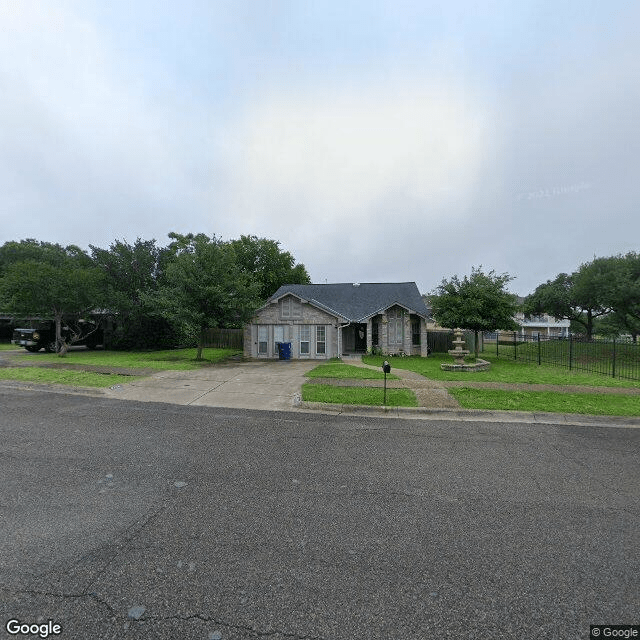
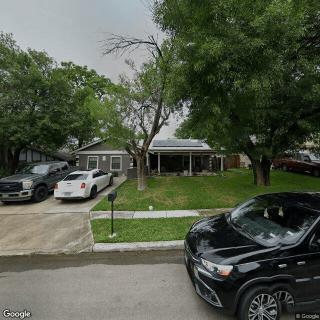
4218 Clear Lake, San Antonio, TX 78217
To contact a resident: (210) 630-1716
For more information about senior living options: (866) 208-4318
Faith Home Costs & Pricing
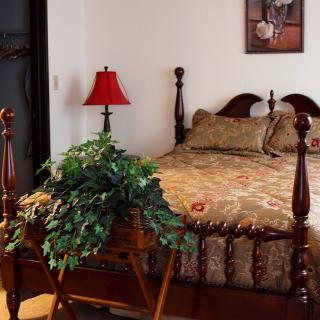
Faith Home offers competitive pricing for its accommodations when compared to Bexar County and the broader Texas market. For semi-private rooms, residents can expect to pay $2,800 per month, which is notably lower than the county average of $3,488 and the state average of $3,680. Similarly, the monthly cost for private rooms at Faith Home is set at $3,000, providing a more affordable option than both Bexar County's average of $3,627 and Texas's average of $4,096. This pricing structure not only reflects Faith Home's commitment to accessibility but also positions it as a financially viable choice for individuals seeking quality care in a comfortable setting.
| Floor plans | Faith Home | Bexar County | Texas |
|---|---|---|---|
| Semi-Private | $2,800 | $3,488 | $3,680 |
| Private | $3,000 | $3,627 | $4,096 |
Senior living communities with a similar price nearby
-
from -$200 / mo

Adult Private Care Home
$2,600 / month13.5 miles away -
from -$300 / mo

The Golden Years Care Home
$2,500 / month17.0 miles away -
from -$300 / mo
Happy Living Care Home
$2,500 / month13.0 miles away -
from +$200 / mo
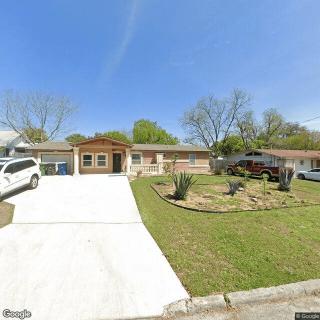
Paam Care, LLC
$3,000 to $3,500 / month11.7 miles away -
About the same

Emerald Cottages New Braunfels
$2,850 to $3,400 / month18.4 miles away
Overall Review of Faith Home
Pros
 The staff deliver exceptional care and compassion.
- The caregivers are skilled, knowledgeable, and genuinely caring and attentive.
- Faith Living Senior Home Care provides a faith-based approach evident in every aspect of service.
- Mrs. Erlyne Bryant brings 20+ years of experience and consistently goes the extra mile.
- The team is available 24-7 and advocates for the best possible care for all residents.
- Communication is excellent, and families never feel out of the loop.
- The environment is welcoming, clean, and feels like home, with residents embraced as family.
- The owner treats residents like family and maintains a professional, immaculate facility.
Review
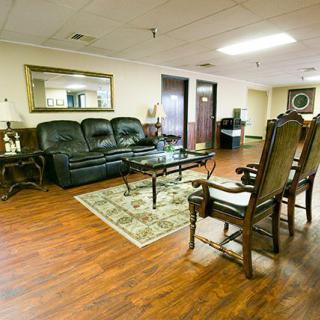
Faith Home in San Antonio is best suited for families seeking a warm, intimate, faith-centered living option where residents are treated as part of a family. This community shines for seniors who value close daily contact with a consistent care team, a home-like setting, and leadership that feels personally invested. It works particularly well for residents who may have language or cognitive needs that benefit from patient, ongoing engagement by caregivers who know their stories and preferences. The environment emphasizes relationship-based care, not a clinical veneer, which makes it ideal for families prioritizing emotional comfort and personal connection alongside daily assistance.
Pros consistently center on compassion, personalization, and communication. Caregivers are described as skilled, attentive, and genuinely caring, with the ability to tailor support to each resident’s unique circumstances. The director, Erlyne Bryant, brings more than two decades of experience and a reputation for going the extra mile. Families highlight 24/7 involvement and proactive problem-solving, issues are addressed quickly, and families never feel out of the loop. Meals prepared on site reflect residents’ tastes, and the home environment feels clean, welcoming, and lived-in in the best possible sense. The calendar of activities, including live performances, creates meaningful engagement and preserves a sense of normalcy and joy in daily life.
Still, this model is not for everyone. Those seeking a large, clinically oriented campus with formal memory-care wings, extensive on-site nursing staff, or a secular environment may prefer alternatives. The home-style setting naturally prioritizes personalized attention over factory-style throughput; as a result, it may not satisfy families requiring intensive medical oversight or highly regimented schedules. Availability can also become a practical constraint in a sought-after operation, requiring timely planning and early commitment. In short, the intimate scale and faith-centered ethos are strengths, but they come with trade-offs compared with bigger, more deep-pocketed facilities.
The strengths more than compensate for these trade-offs. The owner-led, family-focused approach builds trust that is hard to achieve in larger communities, where residents can feel anonymous. Open, ongoing communication with families, daily summaries, care updates, and prompt responses to concerns, remains a core virtue. The 24/7 presence of the caregiving team means support is continuous rather than episodic, and residents experience stability that supports emotional well-being. A clean, comfortable living space, homestyle meals, and varied activities contribute to mood, companionship, and a pervasive sense of belonging, all of which are strongly correlated with daily quality of life for older adults.
For families considering Faith Home, practical due diligence matters. Confirm the on-site medical staffing model and whether licensed professionals are available around the clock if medical needs require it. Inquire about the breadth of cognitive support and how memory-impairment scenarios are managed. Discuss dietary accommodations, room configurations, and how family updates are delivered during transitions. Ask about staffing ratios, weekend coverage, emergency procedures, and how the home handles holidays. These steps ensure alignment between expectations and realities, given the intimate, home-like setting.
Bottom line: Faith Home offers a deeply relational, hands-on alternative for families who want warmth, faith-aligned values, and consistent caregiving over the amenities of a large campus. It is especially well-suited for seniors who thrive on personal attention, a family atmosphere, and transparent communication. Those seeking a more clinical environment, secular philosophy, or larger-scale medical resources should explore other options, but for families prioritizing connection, trust, and ongoing, compassionate support, Faith Home stands out as a practical, well-rounded choice with real daily benefits.
 Board and Care Home
 Cats allowed
 Dogs allowed
 Activities on-site
 Bath tubs
 Cable or satellite TV
 Devotional services off-site
 Handicap accessible
 Indoor common areas
 Outdoor common areas
 Private
 Respite or short term stays offered
 Wheelchair accessible showers
 Wi-Fi/high-speed internet available
 San Antonio International (4 miles away)
 Ambulatory care
 Diabetic care
 High acuity care
 Incontinence care
 Medication management
 Meals provided
 BBQs or picnics
 Birthday parties


 Supportive Employee Benefits That Help Caregivers Attain Better Work-Life Harmony
 Top Cars for Senior Drivers and Essential Safety Innovations
 A Closer Look at Private Pay Home Care