
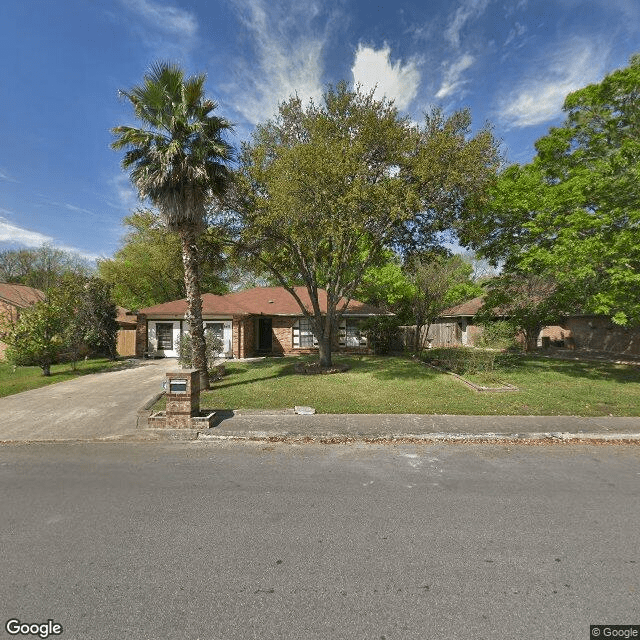
6411 Ridge Place, San Antonio, TX 78250
To contact a resident: (210) 844-7927
For more information about senior living options: (866) 208-4318
Autumn Leaves Residential Home Costs & Pricing
Autumn Leaves Residential Home offers competitive pricing for its residents, particularly when compared to both Bexar County and the broader Texas market. Monthly costs for a semi-private room at Autumn Leaves are $3,000, which is notably lower than the county average of $3,488 and significantly more affordable than the state average of $3,680. For those seeking a private room, Autumn Leaves charges $3,500 per month - again undercutting Bexar County's average of $3,627 and Texas' state average of $4,096. These pricing structures not only reflect a commitment to providing quality care but also demonstrate an effort to make residential living accessible for families in the region.
| Floor plans | Autumn Leaves Residential Home | Bexar County | Texas |
|---|---|---|---|
| Semi-Private | $3,000 | $3,488 | $3,680 |
| Private | $3,500 | $3,627 | $4,096 |
Senior living communities with a similar price nearby
-
from +$500 / mo

Parkway Assisted Living
$3,500 to $4,500 / month5.2 miles away -
from +$500 / mo
San Antonio - A-Z Senior Care 1
$3,500 / month8.9 miles away -
from +$500 / mo
Pembroke Angel Care
$3,500 to $3,800 / month4.4 miles away -
from -$500 / mo

The Golden Years Care Home
$2,500 / month6.3 miles away -
from -$500 / mo
Happy Living Care Home
$2,500 / month8.9 miles away
Overall Review of Autumn Leaves Residential Home
Pros
 Wilma provides a great living environment for residents; they are happy with the food and accommodations.
- Wilma’s RN background makes it perfect for diagnosing medical issues that may arise.
- Wilma takes clients to doctor appointments.
- The owner is a registered nurse, and there is someone on hand for care 24/7.
- The care team has done a really great job so far, with 5s across the board.
- Wilma, the RN, has taken exceptional care of residents for years.
Cons
 The owner/RN moved the sister to IHCS Residential in May 2023 without informing the POA or family.
- Medical records were inconsistent: prior notes listed “failure to thrive” and Kidney Disease, but the IHCS NP starting in May had no record of Kidney Disease.
- The sister was started on Eliquis at Autumn Leaves, continued after moving to IHCS, and she hemorrhaged for two days and died in ICU—suggesting unsafe medication management.
- IHCS told the family the sister’s blood sugar was 500 at the move, and she did not have eyeglasses she had worn her whole life, indicating poor monitoring and care.
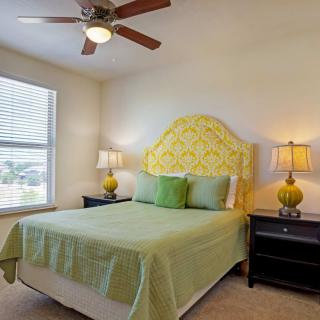
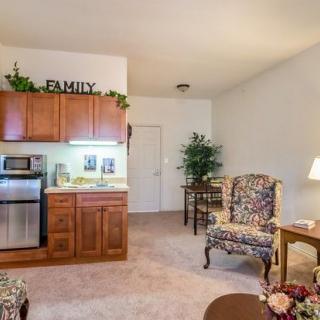
- The facility does not offer the described Companion Suites or One Bedroom Apartments; residents are housed with men and women together, three to a room, and the garage is converted into a room, which misrepresents accommodations.
- There is a high turnover of staff who are not certified nursing aides; activities are never observed, residents are left unattended, and meals are fetched from another home, compromising safety.
- The staff are described as friends and family with little professional medical experience, and the owner, a RN, does not reside there, undermining professional oversight.
- The facility is not safe: overcrowded rooms, lack of hygiene products, residents’ belongings being used by others, and residents placed to bed early, raising serious safety concerns.
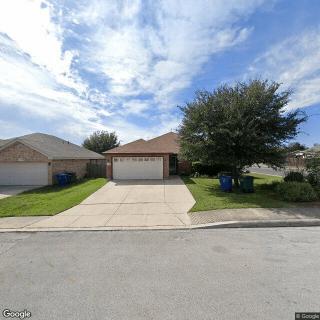
- The front yard is overgrown, giving a poor first impression of the facility.
Review
Autumn Leaves Residential Home in San Antonio is best suited for families seeking a small, hands-on, nurse-led environment where medical oversight feels immediately accessible and care is likely to be personalized in a home-like setting. It appeals to those who value a 24/7 on-site nursing presence and clean, homelike spaces, and who place priority on direct relationship with caregiving staff over a structured, activity-rich program. Prospective residents who are comfortable sharing rooms and accept a more intimate, caregiver-driven model will find comfort in the sense of having medical attention close at hand. However, this is not a place for privacy-seeking seniors or those expecting a robust, activity-filled daily calendar.
Families should explicitly consider alternatives if a private living arrangement, a comprehensive daily activity schedule, or a highly consistent certified nurse aide staff is non-negotiable. The reviews flag recurring staffing instability, with turnover and aides who may not be certified, plus a significant reliance on friends and family for care. For seniors who insist on clear, ongoing communication with a facility about transitions and medical decisions, Autumn Leaves may feel opaque at times. Alternatives are especially worth pursuing for those who require a highly structured program, plentiful engagement opportunities, or a setting with verifiable, stable CNA staffing.
On the upside, the strongest positives center on medical oversight and care accessibility. Several accounts highlight a dedicated RN presence and around-the-clock availability, with caregivers who are praised for being attentive and responsive to medical needs. Cleanliness of the homes is a common thread, and a few residents report dependable support in coordinating doctor appointments and monitoring health issues. Luckier residents and families mention specific caregivers with nursing backgrounds who provide meaningful clinical insight, which can translate into timely interventions and a sense of reassurance for families anxious about chronic conditions.
The dominant drawbacks temper those strengths. A pattern of high staff turnover and reliance on non-certified aides create real safety and consistency concerns. The lack of visible daily activities, with residents sometimes left in front of TVs or unattended for long stretches, undermines engagement and overall quality of life. Room arrangements also fall short of expectations set by descriptions, with multi-bed setups and even converted spaces that reduce privacy. Reports of early bedtimes, cost-cutting measures that affect daily care, and disagreements about care logistics amplify skepticism about long-term reliability. A particularly troubling incident described concerns medical transition and medication management, underscoring the potential risk when medical records and decision-making aren’t tightly coordinated.
These pros and cons must be weighed as practical trade-offs. The intact aura of a nurse-led, intimate home environment can offer genuine peace of mind for families prioritizing medical watchfulness and personalized attention, especially for residents who welcome a smaller community and are willing to trade privacy for proximity to caretakers. Yet the cons, staff turnover, uneven credentialing, limited activities, and misalignment between advertised and actual room setups, can erode daily life satisfaction and raise safety questions over time. For families with a resident who is medically complex but independent in routine, Autumn Leaves might provide steady oversight with practical daily support; for those needing a bustling activity program and rigorous consistency, the gaps are likely to widen.
In concrete terms, the due diligence needed is substantial. Prospective residents should verify current staffing credentials and stability at the time of move, observe weekend activity levels, and confirm the actual room configuration before any commitment. Seek a clear, written care plan that specifies who administers meds, supervises health issues, and communicates with the PCP and POA. Request a tour that includes interaction with current residents and direct questions about meal quality, hygiene supplies, and safety measures. Finally, compare with facilities that guarantee private rooms, stable certified aides, and a structured activity calendar, ensuring the chosen path aligns with the senior’s preferences for privacy, engagement, and medical oversight.
 Board and Care Home
 Activities off-site
 Bath tubs
 Beautician on-site
 Devotional services off-site
 Indoor common areas
 Outdoor common areas
 Private
 Private bathrooms
 Respite or short term stays offered
 Swimming pool / hot tub
 Wheelchair accessible showers
 San Antonio International (13 miles away)
 Ambulatory care
 Diabetic care
 High acuity care
 Incontinence care
 Medication management
 Meals provided



 Comprehensive Approaches for Arthritis: A Detailed Guide to Symptoms, Causes, and Care
 Comprehensive Insights and Practical Strategies to Help Older Adults Avoid Falls
 6 Crucial Ways an Elder Law Attorney Assists Families