
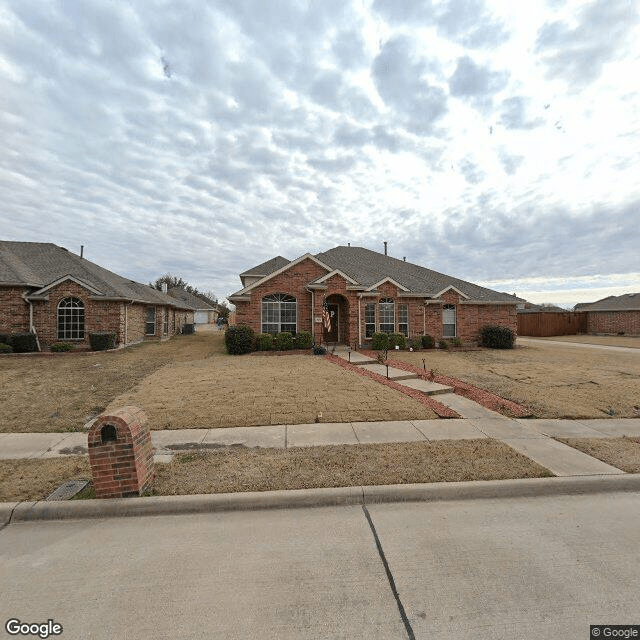
3210 Silver Springs Way, Rowlett, TX 75089
To contact a resident: (214) 395-2908
For more information about senior living options: (866) 208-4318
Patterson's Residential Home Costs & Pricing
Patterson's Residential Home offers competitive monthly rates that provide an attractive option for those seeking quality living arrangements. For a one-bedroom unit, residents can enjoy a cost of $2,695, which notably undercuts both Rockwall County's average of $3,631 and the statewide figure of $3,761. Similarly, the two-bedroom option at Patterson's is priced at $2,995 - significantly lower than the county's average of $4,696 and even more favorable compared to Texas' average of $4,215. These pricing differences highlight Patterson's commitment to affordability while maintaining a high standard of care and accommodation for its residents.
| Floor plans | Patterson's Residential Home | Rockwall County | Texas |
|---|---|---|---|
| 1 Bedroom | $2,695 | $3,631 | $3,761 |
| 2 Bedrooms | $2,995 | $4,696 | $4,215 |
Senior living communities with a similar price nearby
-
from -$195 / mo
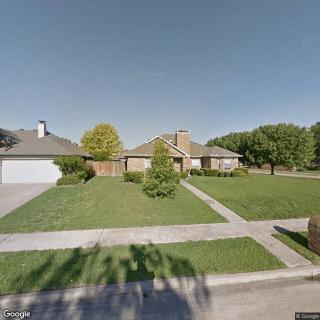
Gracy's Place
$2,500 to $3,500 / month14.5 miles away -
from +$305 / mo
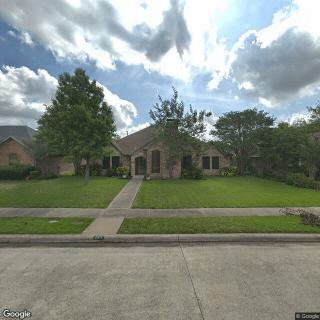
My Family Care Home I
$3,000 to $3,500 / month17.4 miles away -
from +$305 / mo
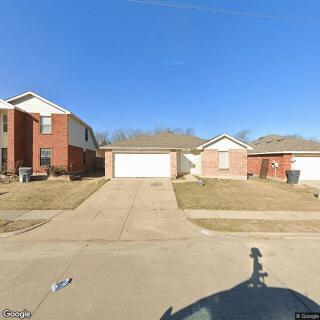
Residential Care
$3,000 / month23.6 miles away -
from +$305 / mo
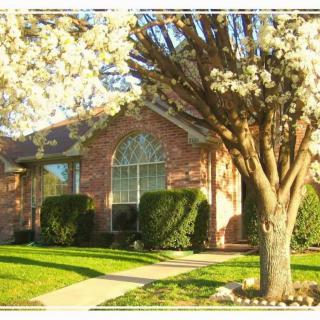
Sophyas Assisted Living
$3,000 to $4,200 / month12.0 miles away -
About the same
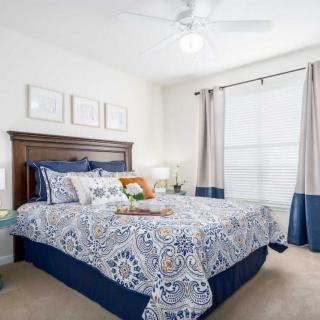
Discovery Village At Castle Hills
$2,700 to $3,195 / month21.2 miles away
Overall Review of Patterson's Residential Home
Pros
 The caregiver is extraordinary and worthy of appreciation for love, devotion, and countless deeds.
- The caregiver’s care is focused on helping him live his life to the fullest.
- The family expresses deep gratitude for the caregiver’s dedication and devotion.
- The caregiver’s support has contributed to a remarkable improvement in the brother’s depression.
- The reviews acknowledge the caregiver’s outstanding service and positive impact.
Review
This community is best suited for seniors who want intimate, one-on-one care in a home-like setting. Patterson's Residential Home in Rowlett, TX, delivers a level of personal attention that appears to translate into meaningful emotional benefits for residents. The reviews consistently spotlight a caregiver-driven culture, with messages of love, devotion, and focused effort to help residents live life to the fullest. Families seeking daily companionship, reassurance, and a sense of safety from a trusted caregiver are likely to find this environment aligns with those priorities. The small-scale, residential model supports ongoing, familiar relationships that can reduce anxiety and loneliness for residents who resist institutional feels.
However, alternatives should be considered for seniors with higher medical needs or a desire for formal programming. The described setting does not reveal licensed nursing oversight, complex rehabilitation services, or a dedicated memory-care environment. If a resident requires regular access to a nurse, medication management by a clinician, or structured activities designed around cognitive health and safety protocols, a larger assisted-living community or a memory-care-focused facility may be more appropriate. Location and transportation logistics also matter; Rowlett-based options that offer broader social calendars and on-site therapies can complement or surpass what a small home can provide.
On the upside, the standout devotion of the CAREGIVER(s) emerges as the strongest pro in these reviews. Certificates and letters praising extraordinary care convey more than politeness; they signal a daily practice of empathy, patience, and practical help that can dramatically lift mood and engagement. The testimonials claim that care helps a family member live more fully and even improves lifelong depression. That level of personalized attention is rarely matched in larger facilities and can offset concerns about a narrower service scope. Yet the main risk lies in dependency on a single caregiver or a small team. If shifts vary or staff turnover occurs, consistency and continuity of personality-driven care can waver.
Operationally, the residential format typically enables easier trust-building, clearer daily routines, and a more controllable safety net for anxious families. Residents often experience gentler schedules, familiar mealtimes, and less bureaucratic red tape than in larger complexes. The trade-off is that activity calendars may be smaller and the care plan less visible to outsiders, which makes timely updates and proactive communication crucial. Prospective families should inquire about who provides back-up coverage, how care plans are documented, and what channels exist for regular progress notes. Checking licensing status and any applicable state inspections remains essential to anchor confidence.
From a decision-making perspective, the value appears strongest where emotional well-being, dignity, and ongoing motivation are the priority. Costs are not disclosed here, but the depth of caregiver engagement can translate into meaningful quality-of-life returns that some families will deem worth a premium over more clinical settings. The recommended path includes touring Patterson's, meeting the caregiver team, requesting a sample weekly activity plan, and obtaining a clear cost breakdown with any add-ons. Families should ask for recent references, observe interactions, and verify who the primary caregiver would be, plus contingency plans if that individual is unavailable.
In sum, Patterson's Residential Home is well suited for seniors who want a warm, relationship-driven living arrangement with a caregiver-first model that can dramatically improve mood and daily engagement. It is not the best pick for those needing intensive medical oversight, broad social programming, or a formal memory-care protocol. For families leaning into the strength of compassionate, day-to-day encouragement, the positives are persuasive and tangible. The decisive next step is a structured visit to Rowlett, a candid conversation about staffing, and a careful comparison with nearby options to ensure the chosen path matches the resident’s medical needs, lifestyle preferences, and long-term goals.
 Board and Care Home
 Dallas Love (17 miles away)



 Weight Training for Seniors: Building Strength and Vitality
 Understanding the Sandwich Generation: Stress and Responsibilities for Multigenerational Caregivers
 8 Essential Assistive Devices for Older Adults