3361 Leigh Court, Sachse, TX 75048
For more information about senior living options: (866) 208-4318
Murray Senior Care Homes Costs & Pricing
Murray Senior Care Homes offers competitive pricing for its services, with a monthly cost of $3,000 for both studio and one-bedroom accommodations. This pricing is notably lower than the average costs in Dallas County, where similar studio units command approximately $3,625 and one-bedroom units are around $3,760. Additionally, when compared to the overall state averages in Texas - $3,758 for studios and $3,761 for one bedrooms - Murray's rates demonstrate a significant value proposition. Residents can enjoy quality care without straining their budgets, making Murray Senior Care Homes an attractive option for seniors in the region.
| Floor plans | Murray Senior Care Homes | Dallas County | Texas |
|---|---|---|---|
| Studio | $3,000 | $3,625 | $3,758 |
| 1 Bedroom | $3,000 | $3,760 | $3,761 |
Memory care communities with a similar price nearby
-
from +$466 / mo
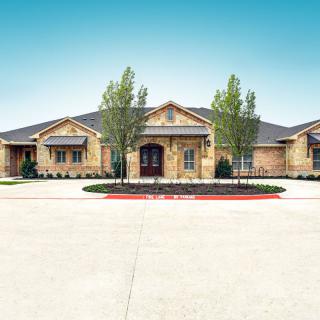
Avalon Memory Care - Allen
$3,466 to $6,475 / month9.3 miles away -
from +$500 / mo
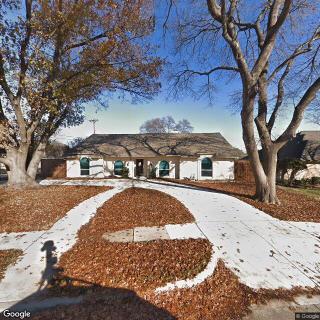
Locardia Homecare Living
$3,500 to $4,500 / month10.4 miles away -
from +$500 / mo
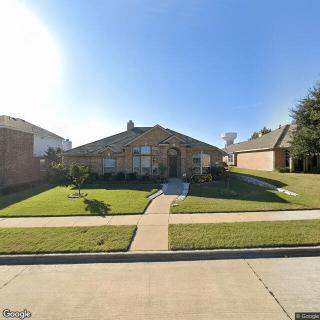
Nedges Nest
$3,500 to $4,000 / month9.6 miles away -
About the same
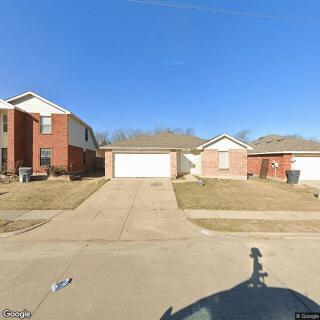
Residential Care
$3,000 / month24.8 miles away -
About the same
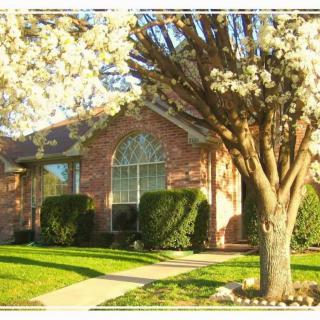
Sophyas Assisted Living
$3,000 to $4,200 / month13.7 miles away
Overall Review of Murray Senior Care Homes
Pros
 Frankie Murray is described as the most amazing lady and a great nurse who leads by example.
- She runs a tight ship in her home, providing exceptional one-on-one care in a warm, inviting house in Sachse.
- Murray Senior Care Home is regarded as a god-sent, offering 24-hour care with capable, friendly, and compassionate staff.
- The caregivers are described as capable, friendly, and compassionate, with clear communication regarding residents’ care and daily status.
- The staff-to-patient ratio is low, enabling quick access to CNAs and timely responses to residents’ needs.
- Frankie is approachable and responsive, often keeping families informed and coordinating prescriptions and personal care.
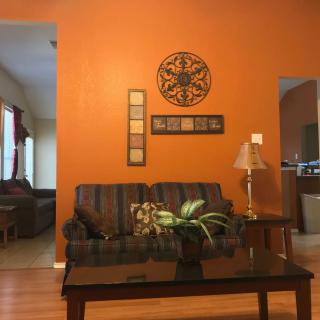
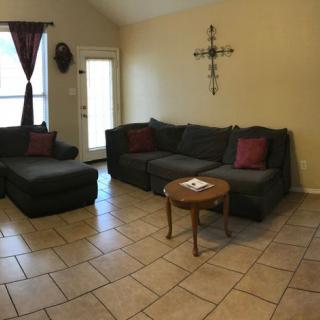
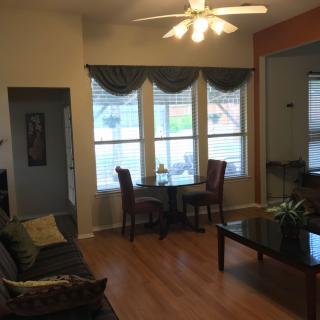
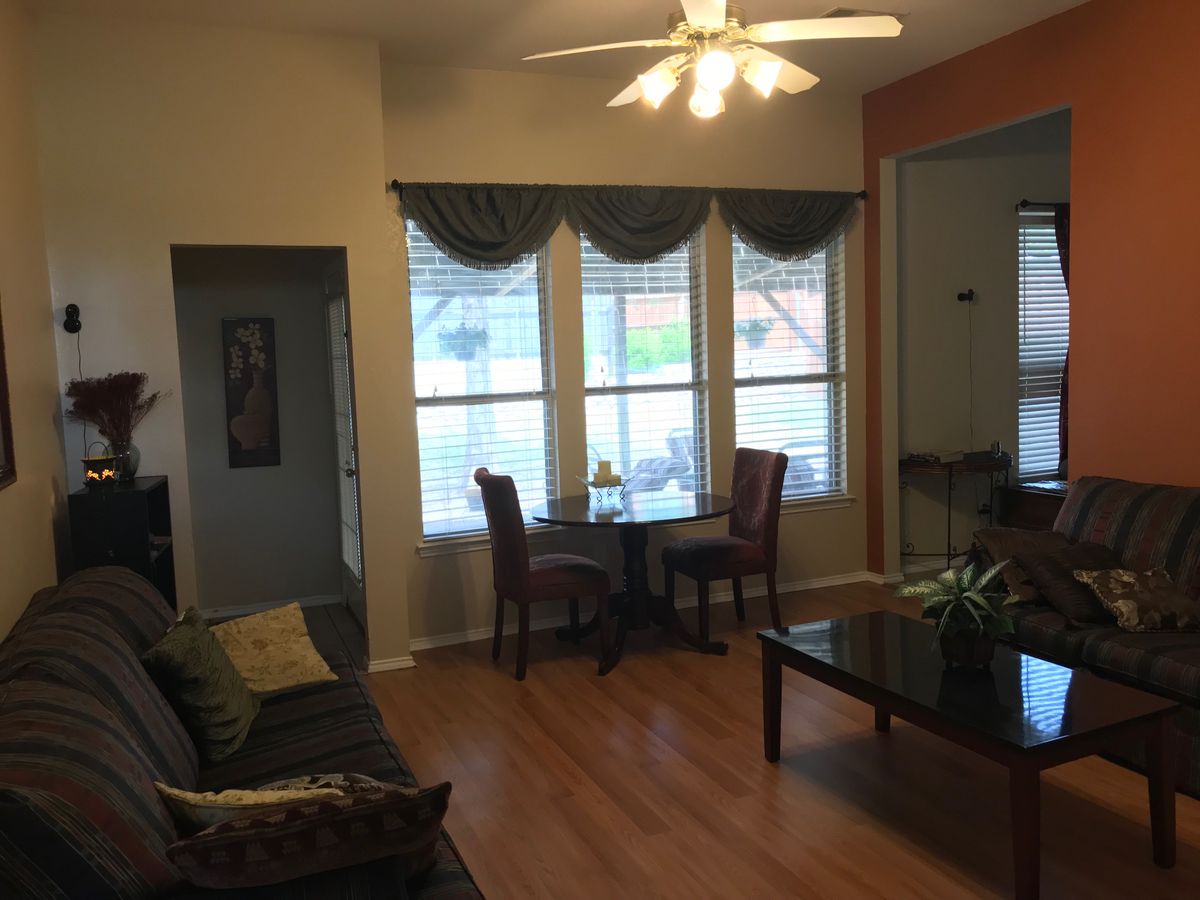
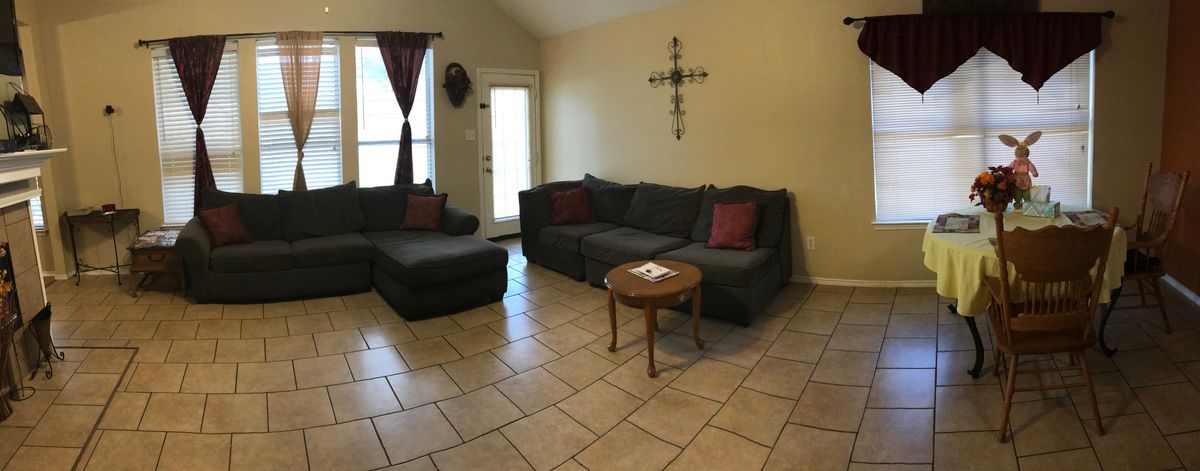
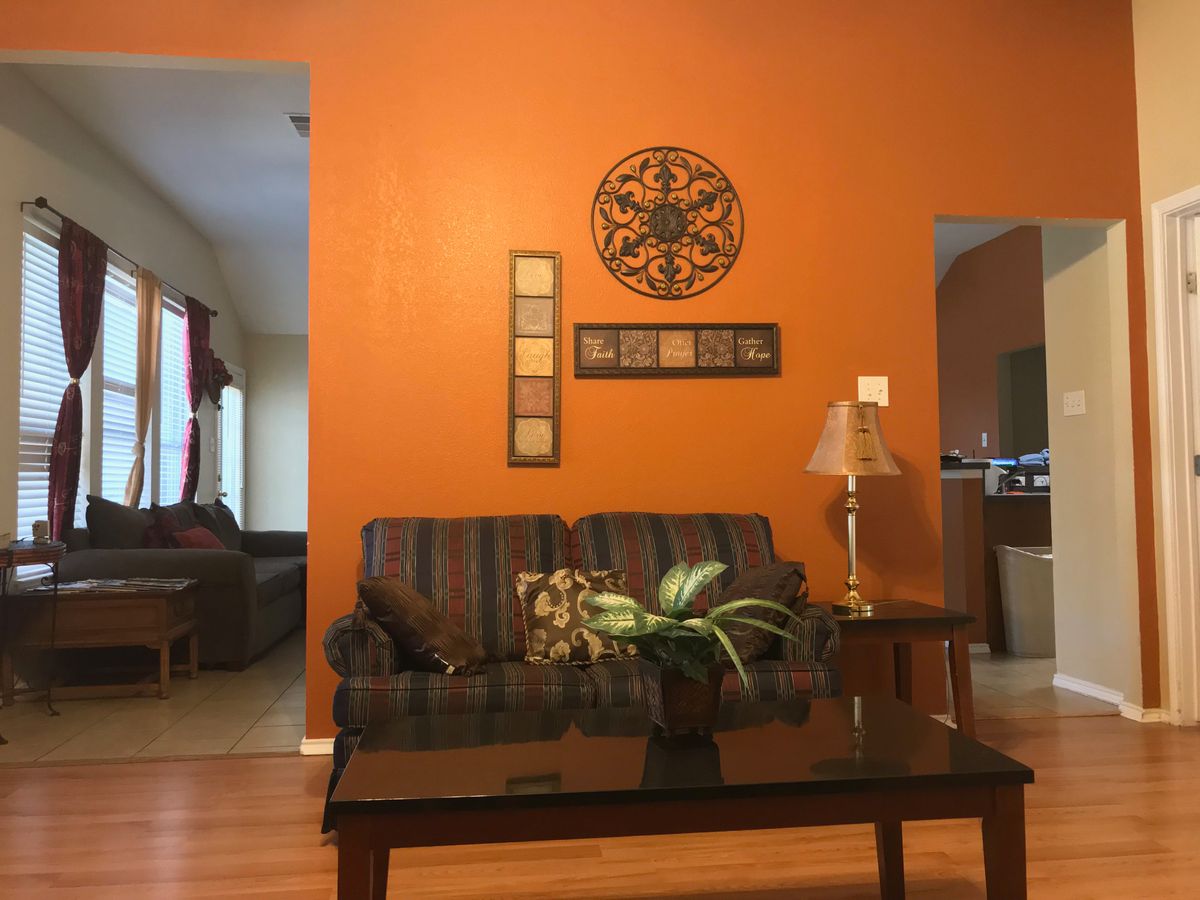
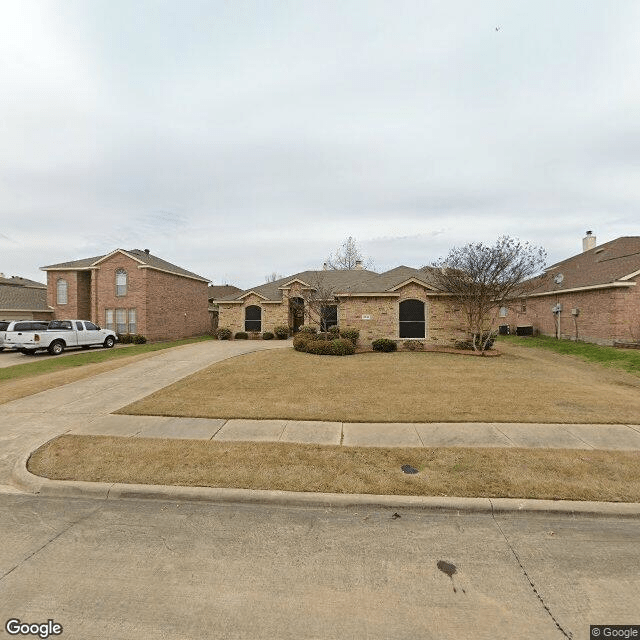
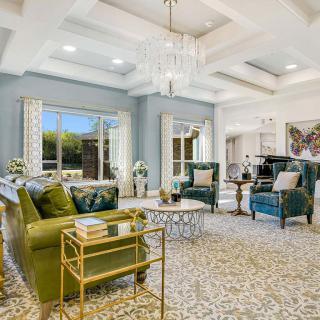
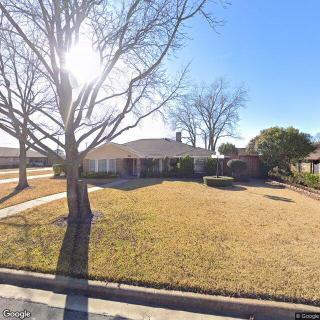
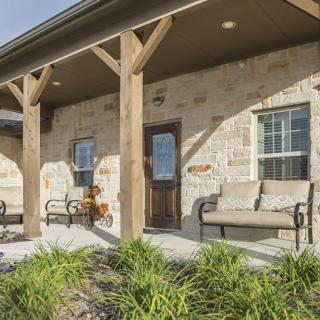
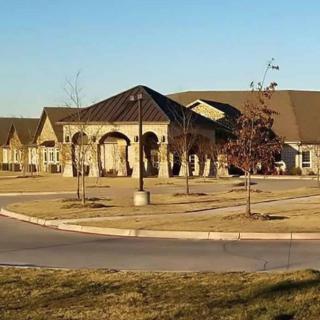
- The home is a well-maintained private residence converted into a senior care facility, clean and appealing with nicely landscaped grounds and a comfortable dining room and kitchen.
Review
Murray Senior Care Homes in Sachse, TX is best suited for families seeking highly personal, attentive dementia and memory-care support delivered in a compact, home-like setting. The core strength is a nurse-led, owner-operated approach that prioritizes hands-on oversight and very low resident-to-staff ratios. This is not a regulated campus with a large staff; it is a private residence converted to a care home where one-on-one attention and rapid responsiveness are standard. Families confronting memory decline or the need for round-the-clock supervision will find this model especially appealing, because the care team operates with visible leadership from Frankie, the owner, and a cadre of skilled nurses and certified aides who maintain consistent routines and clear lines of communication. In short, it’s a practical, intimate solution for those who want professional care without surrendering the warmth of a home setting.
For families weighing alternatives, this community may not fit those seeking a wide array of on-site amenities, large activity calendars, or hospital-like medical services. A larger campus with expansive programming, therapy suites, or specialized equipment may be more appropriate for residents with complex medical needs beyond routine dementia care. The private residence format means space and resources are naturally more limited than in bigger facilities. Prospective residents who value a bustling social calendar, formal structured activities, or access to multiple medical disciplines in a single campus should explore other options. Murray’s strength is personalized care in a homelike environment, not a one-stop shop for every possible service.
The strongest pros, chief among them the intimate, nurse-led operation and the unusually low patient-to-staff ratio, directly offset many potential drawbacks. The ability to reach the owner Frankie at a moment’s notice, and the daily, proactive communication about a loved one’s status, reduces family anxiety dramatically. Caregivers are described as capable, friendly, and compassionate, and the staff’s accessibility translates into timely assistance and responsive handling of daily needs, prescriptions, and personal care. This level of leadership and hands-on management, paired with a warm, clean, “home” atmosphere, makes it much easier to maintain a consistent care plan for someone with dementia. When quick, compassionate attention matters, this model delivers value that larger or more impersonal facilities often struggle to match.
Nevertheless, the private residence format does present trade-offs, and the care team’s strengths do not erase all concerns. The limited footprint of a single home can constrain social opportunities and the breadth of programming found in bigger communities. While the dining room and kitchen are described as fine, and the living spaces are clean and well maintained, there is less emphasis on spectacular shared amenities or formal activity hubs. For families whose loved one thrives on constant stimulation through a wide array of structured activities or needs extensive on-site therapies, Murray may feel too intimate or narrowly equipped. That said, the personal attention and ease of communication often compensate for these gaps by ensuring care plans stay tightly aligned with individual needs.
On balance, the environment, maintenance, and clearly defined care leadership create a compelling case for Murray when dementia care is a priority and a home-like vibe matters. The home’s cleanliness, detailed upkeep, and even curb appeal, landscaping and a well-kept interior, underscore a respect for residents’ dignity and comfort. The combination of private residence charm with professional medical oversight yields a setting where families can observe daily routines, participate in decision-making, and receive steady updates. This is not about bells-and-whistles; it’s about reliability, visibility, and a therapeutic quiet that helps a loved one settle into care with less disruption to established routines.
For families evaluating next steps, the takeaway is clear. Murray Senior Care Homes serves best those who want direct access to competent nursing leadership, a small, controlled environment, and a caregiving team that prioritizes prompt communication and personalized care. Prospective residents should enter with realistic expectations about the scope of services available outside a larger campus and should verify comfort with a homelike setting versus a more institutional atmosphere. Key questions to pursue include staffing patterns across shifts, the owner’s ongoing engagement in daily operations, which medical services are readily available on-site, and how prescriptions and personal care are coordinated long-term. If these align with the family’s priorities, Murray Senior Care Homes warrants serious consideration as a focused, practical solution for compassionate, high-touch dementia care.
 6 resident community capacity
 Assisted Living
 Board and Care Home
 Day Program
 Independent Living
 Memory Care
 Respite Care
 Cable or satellite TV
 Devotional services off-site
 Dining room
 Fully furnished
 Garden
 Housekeeping services
 Indoor common areas
 Move-in coordination
 Outdoor space
 Small library
 Telephone
 Dallas Love (17 miles away)
 24-hour supervision
 Ambulatory care
 Assistance with bathing
 Assistance with dressing
 Assistance with transfers
 Diabetes diet
 Diabetic care
 Meal preparation and service
 Medication management
 Mental wellness program
 Special dietary restrictions


 Understanding Medicaid Coverage for Assisted Living: A Comprehensive Guide
 How and When Medicaid May Cover Assisted Living Costs
 A Detailed Exploration of Assisted Living Medicaid Waivers Across the United States