Mentis Neuro Austin

5150 North Aw Grimes Boulevard, Round Rock, TX 78665

For more information about senior living options: (844) 490-3973

4.2 from 18 reviews
5 stars
12
4 stars
3
3 stars
0
2 stars
0
1 stars
3

Assisted Living

What level of care are you interested in?

Assisted Living

Memory Care

Independent Living

Skilled Nursing Facility

Continuing Care Retirement Community (CCRC)CCRC

Other


Request a tour at Mentis Neuro Austin

    Overall Review of Mentis Neuro Austin

    Pros

    • pro The therapy team (speech, physical, and occupational) is regarded as the best the reviewer has ever worked with.
    • pro The nurses are great, led by an outstanding nurse supervisor.
    • pro Dr. Gonzales is very involved and thorough in her work.
    • pro David Barerra is an incredible case manager who keeps patients educated and responsive.
    • pro Jessica Mitchell is a standout SLP who makes patients feel important and empowered.
    • pro The NeuroRestorative team is incredibly caring and truly supports each patient's recovery.
    • pro The administration and staff run the facility extremely well and go above and beyond to ensure care.
    • pro The kitchen and support staff are appreciated for contributing to patient progress and well-being.

    Cons

    • pro The nurse was rude and condescending to a staff member, ordered a 1-on-1 with a patient, snatched the staff member's phone, and warned that they wouldn't be allowed back.
    • pro The reviewer claims the facility is a scam, saying staff lie to obtain insurance money and the administration is poor and unhelpful.
    • pro Medications were not properly managed, with patients receiving other people's medicines, leading to a reaction blamed on the patient and delays in getting correct meds.
    • pro The gym was not set up to progress residents, and bed transfers and car transfers were not adequately addressed.
    • pro The staff allegedly treats patients like prisoners or children, and the environment is far from comfortable or positive.
    • pro The wheelchair vendor was run away twice, leaving the patient waiting for months.
    • pro The doctor allegedly failed to provide adequate care in several areas.
    • pro It was described as the worst place to put anyone, with untrained nurses and incredibly rude staff, and claims of lying to obtain insurance money.

    Review

    NeuroRestorative in the Austin area stands out in many eyes as a place where the potential for real recovery is possible, and the range of opinions reflects just how individualized rehab can be. Across competing voices there is a strong thread praising the facility's environment: clean rooms, attentive service, and a comprehensive approach to brain injury rehabilitation. Reviewers repeatedly highlight the broad spectrum of therapies on offer - speech, physical, and occupational therapy - backed by a team of LSTs and aides who seem to be consistently ready to help patients push for progress. Names crop up repeatedly as people recount meaningful moments of care: Claudi, Morgan, Shebuso, Jordan, Rosa, the therapy teams, and the nursing staff led by a nurse supervisor named Aylin. The kitchen, under Mike, is also singled out for making meals that patients actually enjoy, which in turn supports overall well?being during what can be a long and challenging journey.

    Several reviews foreground the therapy team as the heart of the experience. The therapists are described as dedicated and creative, with particular praise for the various professionals who work to "get you back to baseline." Families and patients point to the strength of the therapy program and to the staff who coordinate and implement it, including the PTs and OTs led by people like Heather and a group of colleagues (Julie, Roni, Prachi, Casie, Josh, Nick) who are named as instrumental in the gains patients experience. The sentiment is not just about sheer effort; it's about a collaborative approach that celebrates small improvements and sustains motivation. The neuro rehab model is repeatedly framed as a long, sometimes arduous process, but one where dedicated staff make a real difference in daily progress.

    In some accounts, the facility's case management and community connections also shine. David Barrera stands out as a point of contact who keeps patients and families educated about the programs NeuroRestorative offers and about patient outcomes. He is described as responsive and proactive, coordinating community marketing events and ensuring referrals are handled promptly. This level of engagement helps families feel informed and supported beyond the walls of the inpatient unit. There are frequent mentions of a team-wide commitment to patient well?being, with positive impressions of the admin group and the leadership that drive the day?to?day operation, including Erin who is described as a steady presence overseeing day-to-day activities.

    Several reviews highlight standout individuals who leave a lasting impression. Jessica Mitchell is identified as a remarkable stand?out SLP who makes patients feel important and empowered, suggesting that communication and cognitive-communication work is delivered with care and clarity. The care extended by Dr. Gonzales is also noted as thorough and involved, with many acknowledging that medical oversight and treatment plans are critical to progress. Families repeatedly acknowledge the combined effect of a good medical team, a thoughtful therapy staff, and supportive administration in shaping a successful rehabilitation experience.

    The experience is not uniform, however, and some reviewers share sharp warnings. One review details a very negative first-person experience with the night-to-day shift handoff, describing a nurse named Nora who was rude and condescending, and who pressured a nurse to do a 1-on-1 with a patient, then threatened the staff member over a signed timesheet. The account paints a picture of a tense and untrustworthy environment during a shift transition, raising serious concerns about the consistency of care and the safety net for staff and patients alike. This perspective emphasizes the importance of respectful, collaborative staffing at all hours, especially in a setting where loved ones rely on a steady, supportive atmosphere.

    Another voice provides a stark contrast, praising the facility's impact on a loved one while warning that the experience can still be hard and demanding. A family member describes their husband's month-long inpatient stay as one where the therapy team and staff were largely amazing and helped him regain substantial function. Yet they caution that the journey is not a cakewalk - patients should expect a difficult path that requires patience, perseverance, and a compassionate approach from the entire team. The message here is that while the care can be outstanding, rehabilitation is inherently strenuous, and families should be prepared for the emotional and logistical demands of the process.

    Yet another review contrasts NeuroRestorative with a different local option, casting Texas Neuro Rehab in South Austin as a superior experience and suggesting that NeuroRestorative sometimes "back steps" recovery. The critique includes concerns about medication management, administrative responsiveness, and perceptions of mismanagement that extend to patient safety and wheelchair logistics. The reviewer frames this as a strong reminder to stay vigilant - to monitor medications, to press for timely equipment, and to seek a second opinion when needed. It's a sobering counterpoint to the many positive stories, underscoring that the quality of care can vary and that families should advocate for their loved ones.

    Taken together, the collection of impressions portrays NeuroRestorative as a facility capable of remarkable progress for many patients, supported by an array of dedicated therapists, nurses, and administrators who often go above and beyond. For some families and patients, it is a life-changing environment where people walk out stronger than they arrived, with staff who treat progress as a real achievement and celebrate every improvement. For others, it is a place that requires careful navigation, constant advocacy, and careful oversight to avoid pitfalls in administration, medication handling, and shift-to-shift continuity of care. The recurring theme is that progress is real and achievable when the team is cohesive, attentive, and invested, but the quality of that experience can hinge on individual staff dynamics, leadership at the unit level, and the specific medical and administrative challenges that arise during recovery. In the end, NeuroRestorative embodies both extraordinary hope and serious caution: a place where hard work, diligent advocacy, and a strong, collaborative team can yield transformative results, while also underscoring the need for careful monitoring and ongoing communication to ensure every patient receives the best possible care.

    Features

    Housing

    • 16 resident community capacity 16 resident community capacity

    Types of Care

    • Assisted Living Assisted LivingAssisted living facilities provide crucial support and care for seniors who may need help with daily tasks such as medication management, bathing, and meal preparation. These communities offer a safe and comfortable environment where seniors can maintain their independence while receiving the assistance they need to thrive in their golden years.

    Amenities

    • Cable or satellite TV Cable or satellite TVCable or satellite TV is important for seniors because it provides entertainment, news, and companionship, helping to combat loneliness and boredom. It also offers a wide range of programming options tailored to different interests and preferences.
    • Dining room Dining roomDining rooms are important for seniors as they provide a space for socialization, connection, and nutritious meals. They offer opportunities for residents to bond over shared meals, foster a sense of community, and promote healthy eating habits. Dining rooms also ensure that seniors have access to well-balanced meals tailored to their dietary needs and preferences.
    • Fully furnished Fully furnishedFully furnished senior living communities are important for seniors because they provide convenience, comfort, and a hassle-free moving experience. Seniors can easily settle into their new living space without the stress of having to buy and move furniture. This allows them to focus on enjoying their new home and community.
    • Garden GardenGardens are important for seniors as they provide a peaceful and therapeutic environment for relaxation, physical activity, and socialization. Being in nature has been shown to reduce stress, improve mood, and promote overall well-being. Gardens also offer opportunities for seniors to engage in gardening activities, which can improve mobility, flexibility, and cognitive function. Additionally, gardens create a sense of community and connection with others who share a passion for plants and outdoor spaces.
    • Housekeeping services Housekeeping servicesHousekeeping services are important for seniors because they help maintain a clean and safe living environment, promote independence, and reduce the risk of accidents or illnesses. Additionally, having assistance with household chores can alleviate physical strain and allow seniors to focus on other aspects of their well-being.
    • Move-in coordination Move-in coordinationMove-in coordination is important for seniors because it helps ease the transition into their new living environment. It ensures that all logistics, such as packing, organizing movers, and setting up utilities are taken care of, allowing seniors to focus on settling in and adjusting to their new home. Having a smooth move-in process can alleviate stress and anxiety, making the transition smoother and more enjoyable for seniors.
    • Outdoor space Outdoor spaceOutdoor spaces are important for seniors as they provide opportunities for physical activity, social interaction, exposure to natural light and fresh air, and a sense of connection to nature. Having access to outdoor spaces can improve overall well-being and quality of life for older adults living in senior communities.
    • Telephone TelephoneTelephones are important for seniors as they provide a lifeline for communication with loved ones, emergency services, and healthcare providers. They offer a sense of security and independence, enabling seniors to stay connected and access assistance when needed.
    • Wi-Fi/high-speed internet available Wi-Fi/high-speed internet availableWi-Fi/high-speed internet is important for seniors to stay connected with loved ones, access online resources, and participate in virtual activities to combat feelings of loneliness and isolation. It also allows them to easily manage healthcare needs, access entertainment, and engage in lifelong learning opportunities.

    Care Services

    • 24-hour supervision 24-hour supervision24-hour supervision is important for seniors to ensure their safety, well-being, and access to immediate assistance in case of emergencies or health issues. This constant support provides peace of mind for both seniors and their loved ones, allowing them to age in place with dignity and security.
    • Activities of daily living assistance Activities of daily living assistanceActivities of daily living assistance are important for seniors because they provide essential support with tasks such as eating, bathing, dressing, and mobility. This assistance helps seniors maintain their independence, dignity, and overall quality of life as they age.
    • Assistance with bathing Assistance with bathingAssistance with bathing is crucial for seniors as it helps maintain personal hygiene, prevents infections, and ensures their overall well-being and comfort. It also provides a sense of dignity and independence for seniors who may struggle with this task on their own.
    • Assistance with dressing Assistance with dressingAssistance with dressing is important for seniors because it helps maintain their independence, promotes personal hygiene, prevents accidents and injuries, and improves overall quality of life. This service ensures that seniors can continue to dress comfortably and confidently, despite any physical limitations they may have.
    • Assistance with transfers Assistance with transfersAssistance with transfers is crucial for seniors as it helps prevent falls and injuries, maintains their independence, and ensures they can safely navigate their living environment. It also provides peace of mind for both seniors and their loved ones.
    • Coordination with health care providers Coordination with health care providersCoordination with health care providers is crucial for seniors to ensure proper medical care, medication management, and overall well-being. This collaboration helps prevent overlapping treatments, track progress more effectively, and provide comprehensive support tailored to individual needs.
    • Diabetes diet Diabetes dietA diabetes diet is crucial for seniors as it helps manage blood sugar levels, reduce risks of complications, and improve overall health and well-being. By following a balanced and nutritious diet tailored to their specific needs, seniors can better control their diabetes and enhance their quality of life.
    • Meal preparation and service Meal preparation and serviceMeal preparation and service are crucial for seniors as they may have limited mobility or energy to cook nutritious meals. Having access to healthy and convenient food options can ensure they are getting the proper nutrition needed to maintain their overall health and well-being.
    • Medication management Medication managementMedication management is crucial for seniors to ensure they are taking the right medications at the correct dosages and times. This helps prevent adverse drug interactions, reduces the risk of medication errors, and promotes overall health and well-being. Proactive management also allows for adjustments as needed based on changing health conditions or new prescriptions.
    • Special dietary restrictions Special dietary restrictionsSpecial dietary restrictions are important for seniors because age-related changes in metabolism and health conditions can make it difficult for their bodies to process certain foods. By following a diet tailored to their specific needs, seniors can maintain their overall health and well-being, manage chronic conditions, and reduce the risk of complications such as malnutrition or food interactions with medications.
    • Transportation arrangement (medical) Transportation arrangement (medical)Transportation arrangements for medical purposes are essential for seniors as they may have difficulty driving themselves to appointments or accessing public transportation. Having reliable and safe transportation options ensures that seniors can receive timely medical care and maintain their health and well-being.
    • Transportation to doctors appointments Transportation to doctors appointmentsTransportation to doctors' appointments is crucial for seniors as it ensures they have access to necessary medical care and support for their health needs. Without reliable transportation, seniors may struggle to attend important appointments, leading to potential delays in treatment and health complications. Providing transportation services helps seniors maintain their overall well-being and quality of life.
    Dining

    • Diabetes diet Diabetes dietA diabetes diet is crucial for seniors as it helps manage blood sugar levels, reduce risks of complications, and improve overall health and well-being. By following a balanced and nutritious diet tailored to their specific needs, seniors can better control their diabetes and enhance their quality of life.
    • Special dietary restrictions Special dietary restrictionsSpecial dietary restrictions are important for seniors because age-related changes in metabolism and health conditions can make it difficult for their bodies to process certain foods. By following a diet tailored to their specific needs, seniors can maintain their overall health and well-being, manage chronic conditions, and reduce the risk of complications such as malnutrition or food interactions with medications.

    Activities

    • Community-sponsored activities Community-sponsored activitiesCommunity-sponsored activities are important for seniors as they provide opportunities for social interaction, mental stimulation, and physical activity. These activities can help improve overall well-being, combat loneliness and isolation, and promote a sense of belonging and purpose among older adults.
    • Scheduled daily activities Scheduled daily activitiesScheduled daily activities are important for seniors because they provide structure, socialization, mental stimulation, and physical activity. Engaging in regular activities can improve overall well-being and quality of life for seniors living in a community setting.

    Description

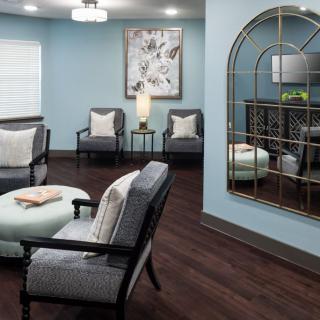
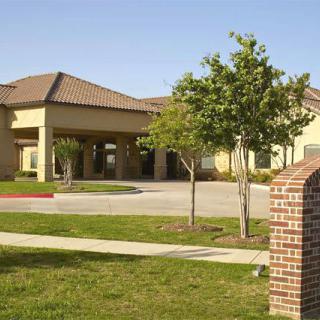
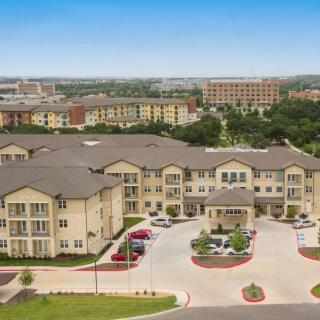
    Mentis Neuro Austin in Round Rock, TX is an exceptional assisted living community that offers a wide range of amenities and care services to ensure the comfort and well-being of its residents. With a focus on providing a high level of personalized care, this community is fully equipped to meet the needs of seniors who require assistance with daily activities.

    The spacious dining room allows residents to enjoy delicious meals prepared by professional chefs while accommodating special dietary restrictions. The community is also fully furnished, ensuring that residents have everything they need for a comfortable and convenient living experience.

    Mentis Neuro Austin boasts beautiful outdoor spaces such as gardens, where residents can relax and enjoy the fresh air. Additionally, housekeeping services are provided to ensure that the community remains clean and tidy at all times.

    One of the standout features of this assisted living community is its commitment to attentive care services. Highly trained staff members are available to assist residents with activities of daily living such as bathing, dressing, and transfers. They also coordinate with healthcare providers to ensure that each resident receives the necessary medical attention and medication management.

    Transportation arrangements are available for medical appointments, allowing residents easy access to healthcare professionals. There are also several cafes, parks, pharmacies, physicians' offices, restaurants, places of worship, theaters, and hospitals nearby for added convenience.

    To promote an active lifestyle among its residents, Mentis Neuro Austin offers scheduled daily activities catered towards their interests and abilities. Whether it's participating in group exercises or engaging in social events within the community, residents can maintain an active and fulfilling lifestyle.

    With its comprehensive amenities and exceptional care services combined with proximity to various establishments in Round Rock like cafes, parks, pharmacies, physicians' offices restaurants places of worship theaters hospitals nearby Mentis Neuro Austin provides an ideal living environment where seniors can thrive both physically and mentally.

    Nearby Places of Interest

    Hospitals

    • Seton Medical Center Williamson (0.5 miles)
    • Scott & White Hospital (2 miles)
    • Georgetown Healthcare System (4.1 miles)
    • Round Rock Medical Center (5.7 miles)

    Pharmacies

    • CVS Pharmacy (1.8 miles)
    • Scott & White Pharmacy (2 miles)
    • H-E-B Pharmacy (2.2 miles)
    • Walgreens (3.7 miles)
    • CVS Pharmacy (3.7 miles)
    • CVS Pharmacy (3.9 miles)
    • Walgreens (4 miles)

    Cafes

    • Starbucks (1.9 miles)
    • Dutch Bros Coffee (2.7 miles)
    • Kerbey Lane Cafe - Round Rock (3.8 miles)
    • Monument Cafe (4.7 miles)
    • Starbucks (5.7 miles)
    • Dutch Bros Coffee (5.9 miles)

    Restaurants

    • Chick-Fil-A (2.2 miles)
    • In-N-Out Burger (2.4 miles)
    • Freebirds World Burrito (2.5 miles)
    • BJ's Restaurant & Brewhouse (2.5 miles)
    • Lupe Tortilla (2.7 miles)
    • Pinthouse Pizza (3.4 miles)
    • Jack Allen's Kitchen (3.5 miles)

    Theaters

    • Cinemark 14 Round Rock (2.3 miles)

    Physicians

    • Texas Medclinic (2.3 miles)
    • Central Texas Surgical Associates (3.2 miles)
    • Austin Pain Associates (3.2 miles)
    • Family Medical Center of Georgetown (3.6 miles)
    • Georgetown Open Mri (4.1 miles)
    • Georgetown Orthopedics (4.1 miles)
    • Schmitt Tommy (4.5 miles)

    Parks

    • Old Settlers Park (3.4 miles)
    • San Gabriel Park (5.3 miles)
    • San Gabriel Park (5.5 miles)

    Places of Worship

    • Grace Episcopal Church (4.1 miles)
    • Saint Patrick Catholic Church (5.5 miles)
    • Hutto United Methodist Church (5.8 miles)
    • Jehovah's Witnesses (6 miles)

    Frequently Asked Questions

    Where is Mentis Neuro Austin?

    Nearby Communities

    Related Resources

    • active senior livingVibrant Senior Living: A Comprehensive Guide for Active Older Adults

      Vibrant Senior Living emphasizes active senior living communities that promote independence and engagement through diverse amenities and activities, fostering wellness and social interaction among older adults. These communities range from independent to assisted living, with a focus on personal growth, family involvement, financial planning, and leveraging technology to enhance residents' experiences.

    • when to move from assisted living to memory careWhen to Transition from Assisted Living to Memory Care: Key Indicators, Steps, and Finding the Right Community

      Transitioning from assisted living to memory care is driven by an individual's cognitive decline and specific needs, requiring careful evaluation of indicators like increased confusion and wandering. The process involves consulting medical professionals, researching suitable communities, considering financial and legal aspects, and ensuring effective communication for personalized care plans.

    • assisted living vs memory careAssisted Living and Memory Care: Understanding Their Core Differences

      Assisted living provides moderate support for seniors seeking independence, while memory care offers specialized support for individuals with dementia or cognitive impairments through structured routines and trained staff. Key differences include care approaches, environment security measures, staff training levels, activity types, and cost considerations.


    Get Pricing Ask A Question Schedule A Tour Contact Senior Advisor