
2101 Cross Creek Trail, Round Rock, TX 78681
To contact a resident: (512) 255-8244
For more information about senior living options: (866) 208-4318
Overall Review of Crosscreek Carehome
Pros
 The staff are long-term and always present, busy cleaning and cooking up great meals in the kitchen.
 - The reviewers highly recommend A Serene Setting for loved ones.
- The facility feels like a true home where everyone is treated like family.
- Colleen and Rey are consistently available to help with anything needed.
- The staff are friendly, attentive, and take time to check on and visit residents.
- The owners treat residents like family and are passionate about their needs.
- The home is clean, cozy, and well maintained, with good communication.
- The level of care far exceeds other facilities and even pricier hospitals.
Cons
 The reviewer concluded that A Serene Setting was not a good fit for mom, noting there was nobody for her to converse with and that there wasn’t a good mix of residents at her level.
- The reviewer pointed out outdated bathroom fixtures, including a step-up into the shower, and described the environment as dark, which made staying there feel torturous for mom.
Review
This Crosscreek Carehome–style option in Round Rock is best for seniors who want a true home atmosphere, where caregivers know names, routines feel familiar, and daily life unfolds with a warm, family-like rhythm. It suits residents who respond to steady, personalized attention, home-cooked meals, and a sense that staff are guardians in a small, intimate setting. It is especially well-mitted for loved ones who prize constant accessibility to owners and a culture of belonging over institutional polish. It is not designed for those requiring hospital-level medical oversight, aggressive rehabilitation, or highly structured, large-scale programming. Families seeking such professional intensity will want alternatives that prioritize clinical complexity and breadth of services.
The strongest advantages hinge on staffing continuity, direct owner involvement, and a pervasive feeling of being cared for as part of the family. Two caregivers on duty at peak times, plus close engagement from owners, translate into quick problem-solving, gentle daily supervision, and a reassurance that concerns are heard and acted on promptly. Meals, cleanliness, and a home-like ambiance repeatedly emerge as standout positives, with residents forming genuine connections and routines that foster emotional security. These benefits collectively offset some drawbacks by delivering predictability, warmth, and a trusted social nucleus that’s hard to match in larger settings. Yet the intimate scale can also limit social variety and activity breadth, especially for residents who require a broader peer network or more dynamic programming.
That same family-run model may not be ideal for every senior. Individuals needing advanced medical oversight, high-acuity care, or memory-care programs with formalized cognitive activities may outgrow a private, residential home environment. Families seeking a robust activity calendar, extensive transportation options, or a large, diverse resident community may find the atmosphere too quiet or homogenous. Accessibility gaps, such as dated bathroom fixtures or spaces perceived as dim, can pose real concerns for those with mobility challenges or safety preferences that demand consistent, modern updates. In short, this model excels in heart and daily comfort, but may fall short where clinical rigor or wide-ranging social engagement are non-negotiables.
Decision-makers should weigh fit with resident temperament and expected daily life. Tour thoroughly, meet the owners, and ask pointed questions about staffing coverage, whether nurses are on site or on-call, and how turning and wound-care protocols are managed. Probe into daily schedules, meal quality, and opportunities for social interaction to ensure the environment aligns with the loved one’s preferences. Clarify how conflicts are escalated, how celebrations are incorporated into ordinary days, and whether facility updates are planned to address safety and accessibility. A trial stay or short visit can reveal crucial dynamics, how residents mingle, how staff respond to needs, and whether the “family” vibe translates into dependable, respectful care.
Social and emotional fit emerges as a decisive element. The warmth of a family atmosphere is deeply comforting for many seniors, but it can presume a particular personality, one that thrives on intimate connections and routine. Residents who crave frequent, diverse peer interaction may find a small home’s social pool too narrow. Others will revel in the steady attention, familiar caregivers, and the sense that care is personal and non-formulaic. The healthiest outcomes arise when the resident’s needs, medical, social, and psychological, align with a setting that prioritizes steady caregiving, transparent communication, and genuine companionship over grand programming or impersonal scale.
Bottom line: for families prioritizing a warm, home-like setting with steady, personal attention, this care-model offers compelling advantages that often translate into better daily life and peace of mind. It excels where relationships, routine, and humane care trump large-scale programming. If a loved one requires high-acuity medical oversight, intensive rehab, or formal memory-support services, it is wise to explore alternatives with more clinical structure. The prudent path is to visit, talk with the caregiving team, verify staffing patterns, and assess how well the resident mix and daily life align with the loved one’s temperament and needs. When alignment exists, a family-driven setting can deliver meaningful quality of life and dependable support that larger facilities struggle to replicate.
 Board and Care Home
 Austin-Bergstrom International (23 miles away)
 Diabetic care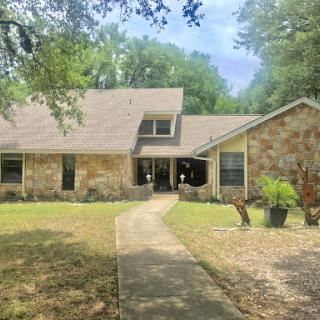






 In-Home Care Costs in 2025: A Detailed State-by-State Exploration
 Understanding Home Health Care: A Comprehensive Guide
 Home Health Care Demystified: A Comprehensive Guide for Families and Caregivers