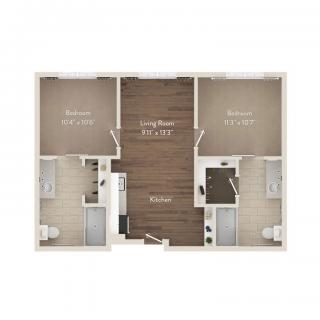
The Harvest of Roanoke offers a range of living options with costs that reflect its premium services and amenities. For a studio room, residents can expect to pay $4,305 per month, which is notably higher than the average rates in Tarrant County at $3,659 and across Texas at $3,758. Similarly, the semi-private option is priced at $4,800, surpassing both local and state averages of $3,889 and $3,680 respectively. In the case of one-bedroom units and two-bedroom accommodations, The Harvest maintains its premium positioning with monthly costs of $4,990 and $6,295 - both exceeding the average county and state figures. While these prices are above average for the region, they reflect the quality of care and lifestyle provided within this community.
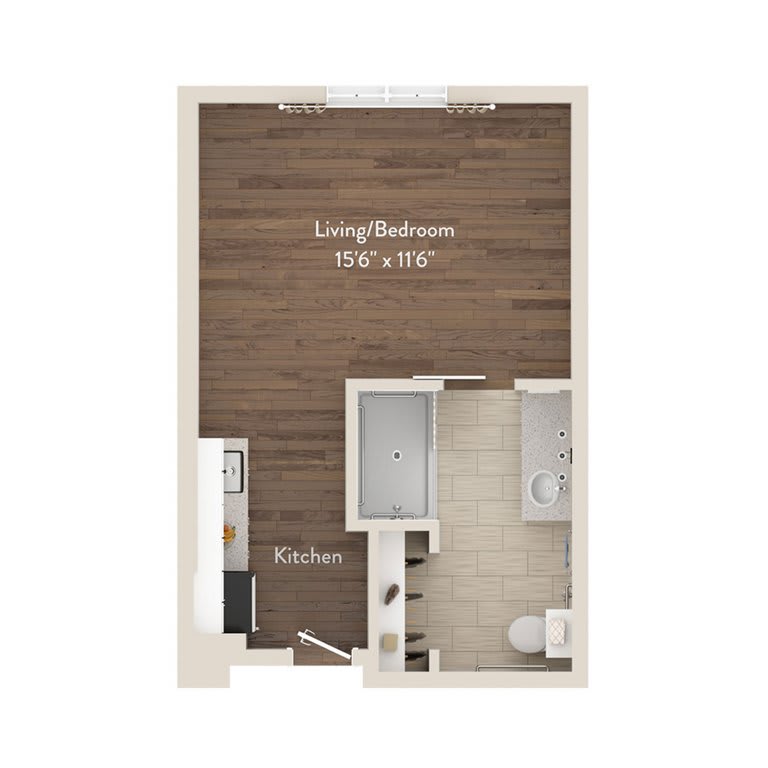
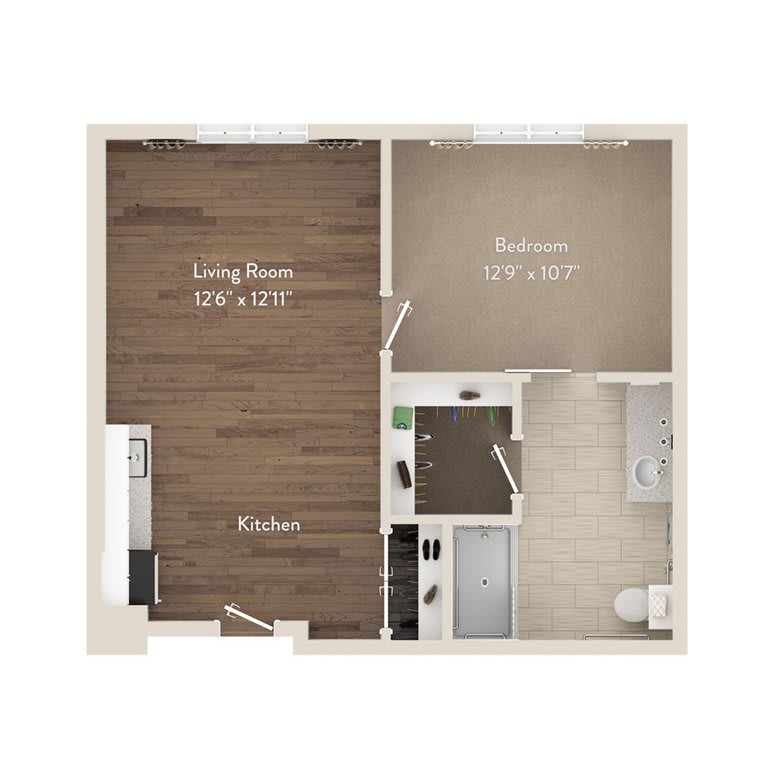
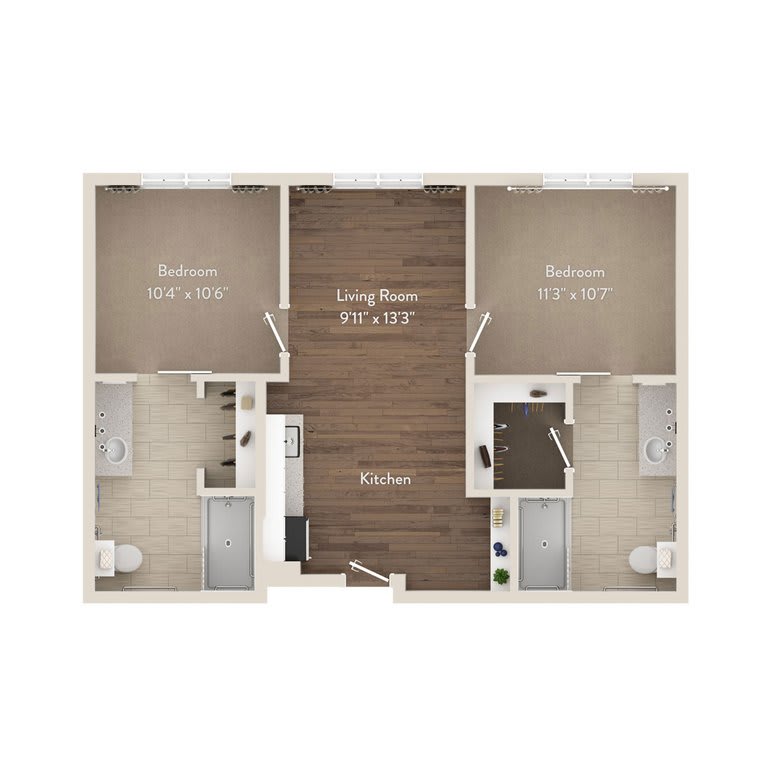
Floor plans
The Harvest of Roanoke
Tarrant County
Texas
Studio
$4,305
$3,659
$3,758
Semi-Private
$4,800
$3,889
$3,680
1 Bedroom
$4,990
$3,741
$3,761
2 Bedrooms
$6,295
$4,099
$4,215
Memory care communities with a similar price nearby
Families repeatedly describe responsive communication and accessible leadership.
Many reviewers say leadership and staff are easy to reach and keep families in the loop, especially when questions come up. Others mention timely responses, professional follow-through, and caregivers who act quickly when something seems off. A few negative reviews contrast this by saying communication can be poor or that promises are not consistently met.
common7 reviews mention this
Cleanliness and upkeep stand out
Residents and visitors consistently mention the facility looks clean and well cared for.
Several reviewers describe a clean, well-maintained community and fresh-smelling common areas. Multiple comments also highlight cleanliness as part of the overall atmosphere during visits. At the same time, at least one reviewer reported a specific room-cleaning problem that took longer than expected.
common11 reviews mention this
Activities keep residents engaged
The activity schedule and resident involvement are repeatedly described as a positive.
Reviewers frequently point to organized activities, games, and social events that help residents feel engaged. Some mention enjoying specific moments like bingo, games in the cafe, or movie time, while others describe staff who consistently involve residents. Negative feedback also references activity disruptions during periods of lockdowns or staffing strain, which is the main drawback tied to activities.
caveat5 reviews mention this
Understaffing affects care consistency
Some reviewers worry about understaffing and inconsistent caregiving.
A recurring concern across multiple reviews is understaffing, which reviewers connect to care not being what residents and families expect. One reviewer also describes poor training and caregiving attention, while others mention periods where the facility seemed to revert to weaker management. Another negative review links staffing issues to restrictions that limited meals and activities for some residents.
common3 reviews mention this
Location is convenient
Reviewers mention the community’s location as a practical plus.
A few visitors and family members specifically call out the location as convenient or in a great area. Reviewers also describe the facility as well-maintained when they visited, which supports those location impressions. These comments focus on accessibility and first impressions rather than daily logistics like transportation scheduling.
How we summarize
Counts show how many written reviews mention each theme; a review can touch several themes, and only frequently mentioned themes are displayed.
Features
Types of Care
Assisted Living
Memory Care
Amenities
Activities off-site
Activities on-site
Air-conditioning
Beautician on-site
Beauty salon
Cable or satellite TV
Computer center
Devotional services on-site
Dining room
Fitness room
Fully furnished
Gaming room
Garden
Garden view
Ground floor units
Handicap accessible
Housekeeping services
Indoor common areas
Kitchenette
Move-in coordination
Outdoor common areas
Outdoor space
Private bathrooms
Private patio, deck, or balcony
Respite or short term stays offered
Restaurant-style dining
Small library
Telephone
Wellness center
Wheelchair accessible showers
Wi-Fi/high-speed internet available
Transportation
Dallas-Fort Worth International (12 miles away)
Dallas Love (23 miles away)
Community operated transportation
Transportation arrangement
Care Services
24-hour call system
24-hour supervision
Activities of daily living assistance
Ambulatory care
Assistance with bathing
Assistance with dressing
Assistance with transfers
Coordination with health care providers
Dementia waiver
Diabetes diet
Diabetic care
Hospice waiver
Incontinence care
Meal preparation and service
Medication management
Mental wellness program
Mild cognitive impairment
Special dietary restrictions
Specialized memory care programming
Transportation arrangement (medical)
Transportation to doctors appointments
Dining
Diabetes diet
Guest meals
Low / no sodium
Meals provided
Organic
Professional chef
Restaurant style dining
Room service
Special dietary restrictions
Special dining programs
Activities
Art classes
Catholic services
Community-sponsored activities
Concierge services
Day trips and outings
Devotional activities on-site
Educational speakers / life long learning
Fitness programs
Happy hour
Live dance or theater performances
Live musical performances
Other religious services
Planned day trips
Protestant services
Resident-run activities
Scheduled daily activities
Visiting chaplain or priest
Wine tasting
Nearby Places of Interest
This part of Roanoke, Texas offers a variety of amenities for senior living. With several pharmacies within a few miles, accessing medication and healthcare services is convenient. There are also numerous dining options ranging from fast food chains like Whataburger to more upscale establishments like Los Molcajetes Roanoke. For those looking to stay active, there are parks nearby such as Twin Coves Park and Shadow Ridge Park. Additionally, there are several medical facilities in the area including Methodist Southlake Hospital and Baylor Scott & White Hospital Medicine - Grapevine. Places of worship such as Keller United Methodist Church and Gateway Church provide spiritual support for residents. Overall, this part of Roanoke offers a well-rounded community with easy access to essential services for seniors.
Pharmacies
Walgreens (0.9 miles)
CVS Pharmacy (1.6 miles)
Walgreens (4.7 miles)
CVS Pharmacy (5.2 miles)
Walgreens (5.3 miles)
Keller Pharmacy (5.4 miles)
CVS Pharmacy (5.4 miles)
Restaurants
Whataburger (1.5 miles)
Los Molcajetes Roanoke (1.6 miles)
The Barn at Deloitte University (1.7 miles)
Bayou Jack's Cajun Grill (2 miles)
Whataburger (5.1 miles)
In-N-Out Burger (5.3 miles)
Whataburger (5.3 miles)
Cafes
The Market (1.7 miles)
Starbucks (6.1 miles)
Farmhouse Coffee & Treasures (7.2 miles)
Starbucks (8.4 miles)
Rosa's Cafe (8.7 miles)
Starbucks (9.3 miles)
Hospitals
Methodist Southlake Hospital (4.5 miles)
Baylor Scott & White Hospital Medicine - Grapevine (7.7 miles)
Cook Children's Urgent Care Alliance (8.5 miles)
Texas Health Harris Methodist Hospital Alliance (8.5 miles)
Places of Worship
Keller United Methodist Church (4.9 miles)
Gateway Church (5.6 miles)
First Baptist Church of Keller (5.9 miles)
St Elizabeth Ann Seton Catholic Church (8.1 miles)
Gateway Church (8.5 miles)
Trietsch Memorial United Methodist Church (8.7 miles)
The Harvest of Roanoke offers a range of living options with costs that reflect its premium services and amenities. For a studio room, residents can expect to pay $4,305 per month, which is notably higher than the average rates in Tarrant County at $3,659 and across Texas at $3,758. Similarly, the semi-private option is priced at $4,800, surpassing both local and state averages of $3,889 and $3,680 respectively. In the case of one-bedroom units and two-bedroom accommodations, The Harvest maintains its premium positioning with monthly costs of $4,990 and $6,295 - both exceeding the average county and state figures. While these prices are above average for the region, they reflect the quality of care and lifestyle provided within this community.
The Harvest of Roanoke offers a comprehensive suite of features tailored to enhance the quality of life for residents experiencing dementia or Alzheimer's disease. Around-the-clock supervision ensures that residents receive constant support and immediate assistance, helping to maintain their safety. Assistance with activities of daily living--such as bathing, dressing, and transfers--promotes independence while respecting each individual's dignity. Coordination with healthcare providers and medication management guarantees that medical needs are met seamlessly, minimizing confusion surrounding treatments. The inclusion of specialized memory care programming and a mental wellness program aids in cognitive engagement, fostering social interaction and emotional well-being. Meal preparation and service cater to nutritional requirements, supported by incontinence care that addresses personal hygiene issues sensitively. Transportation arrangements for medical appointments ensure access to necessary health services, while the dementia waiver accommodates specific needs without compromising on care quality--all of which contribute significantly to holistic resident support during varied stages of cognitive decline.
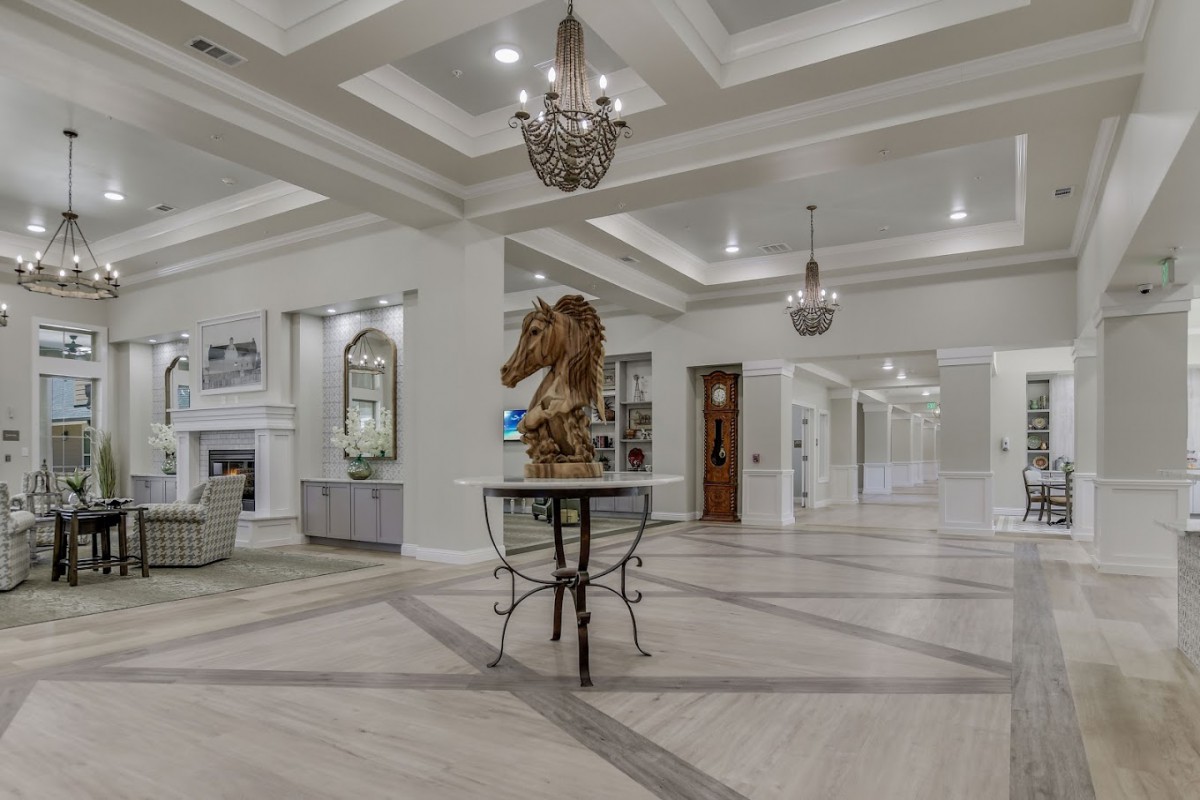
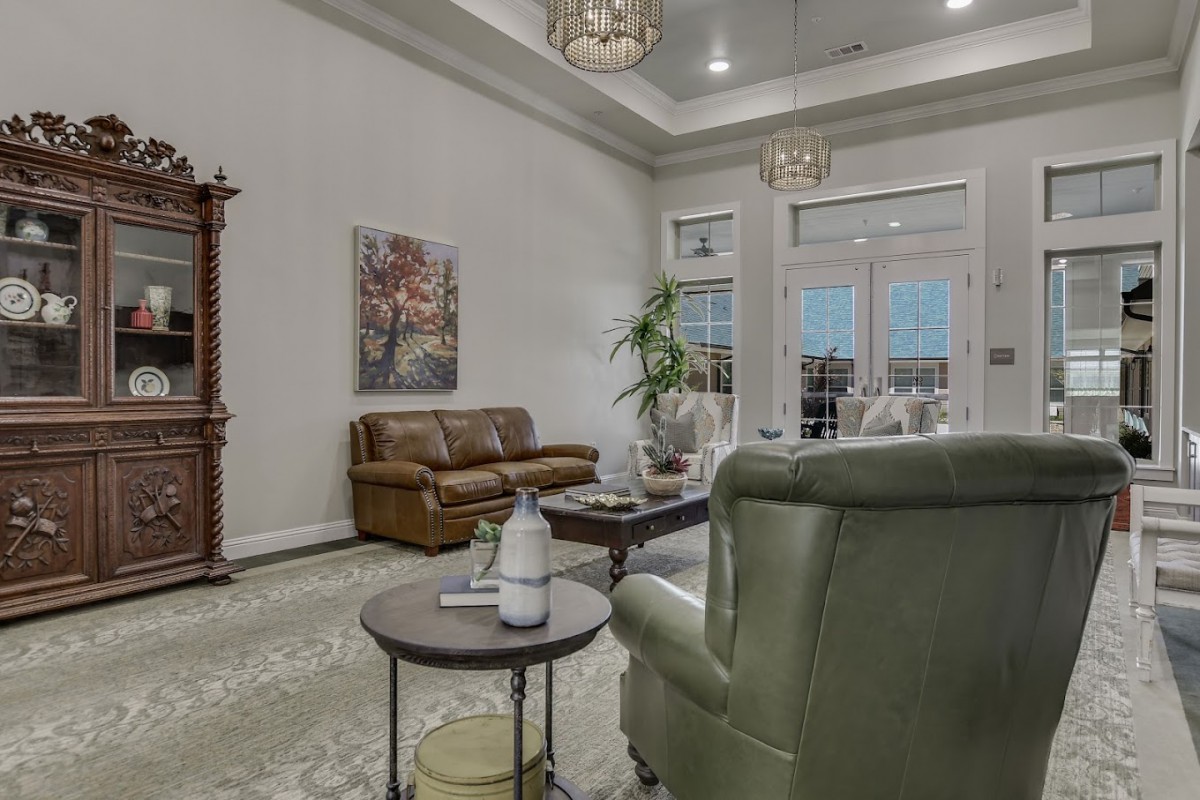
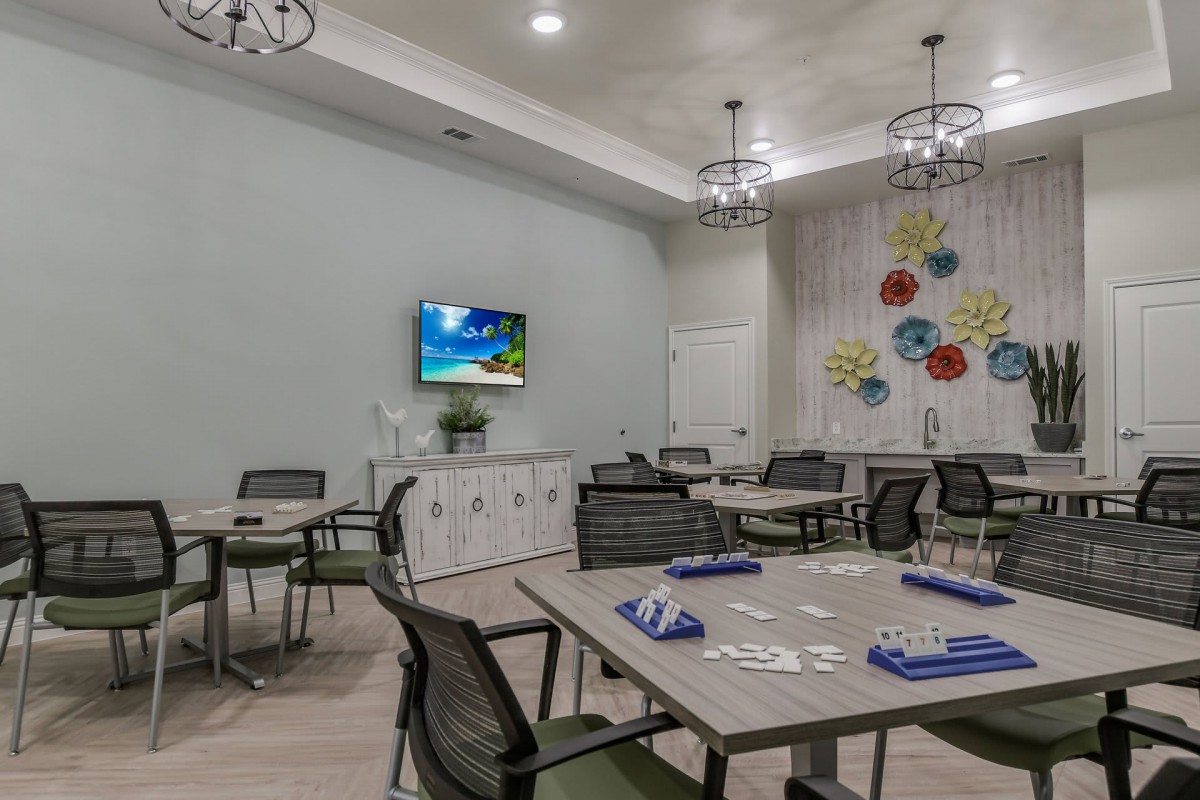
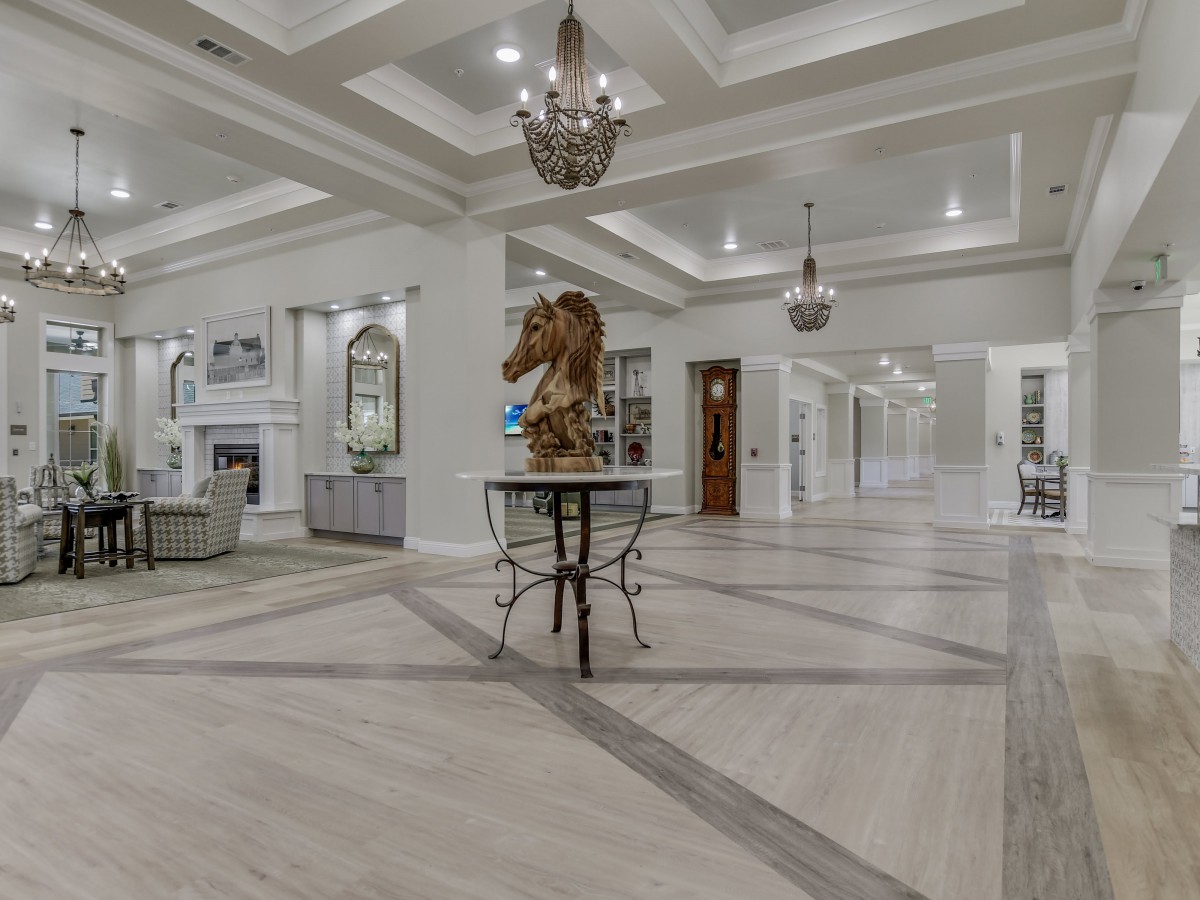
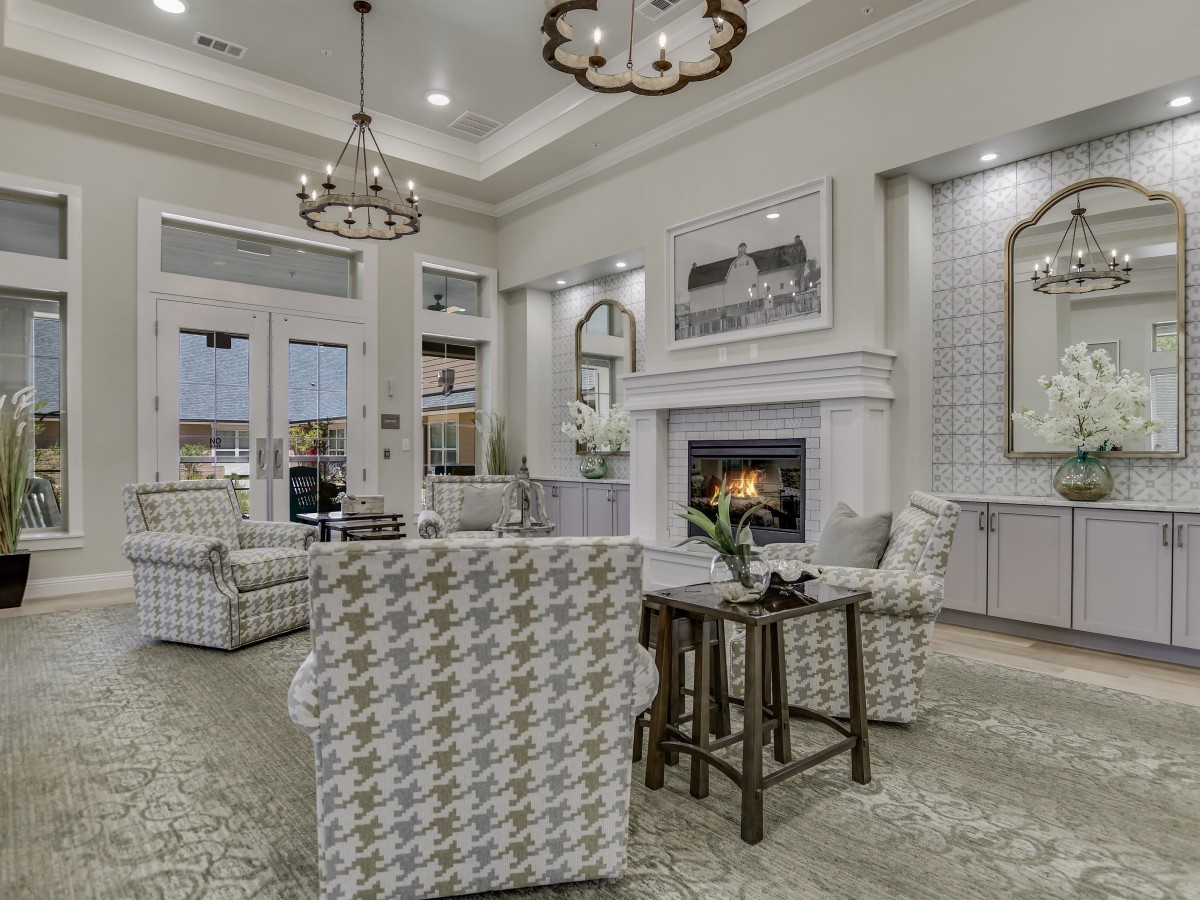
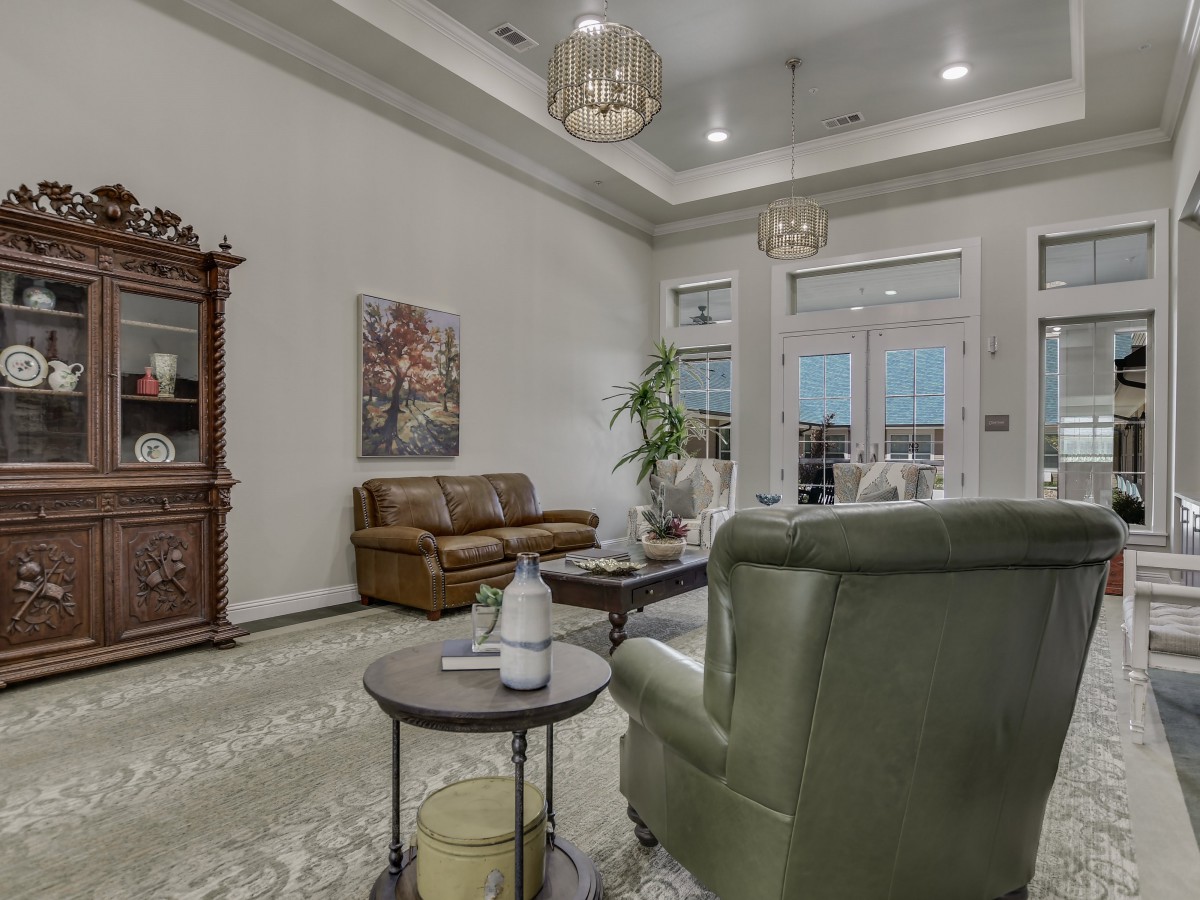
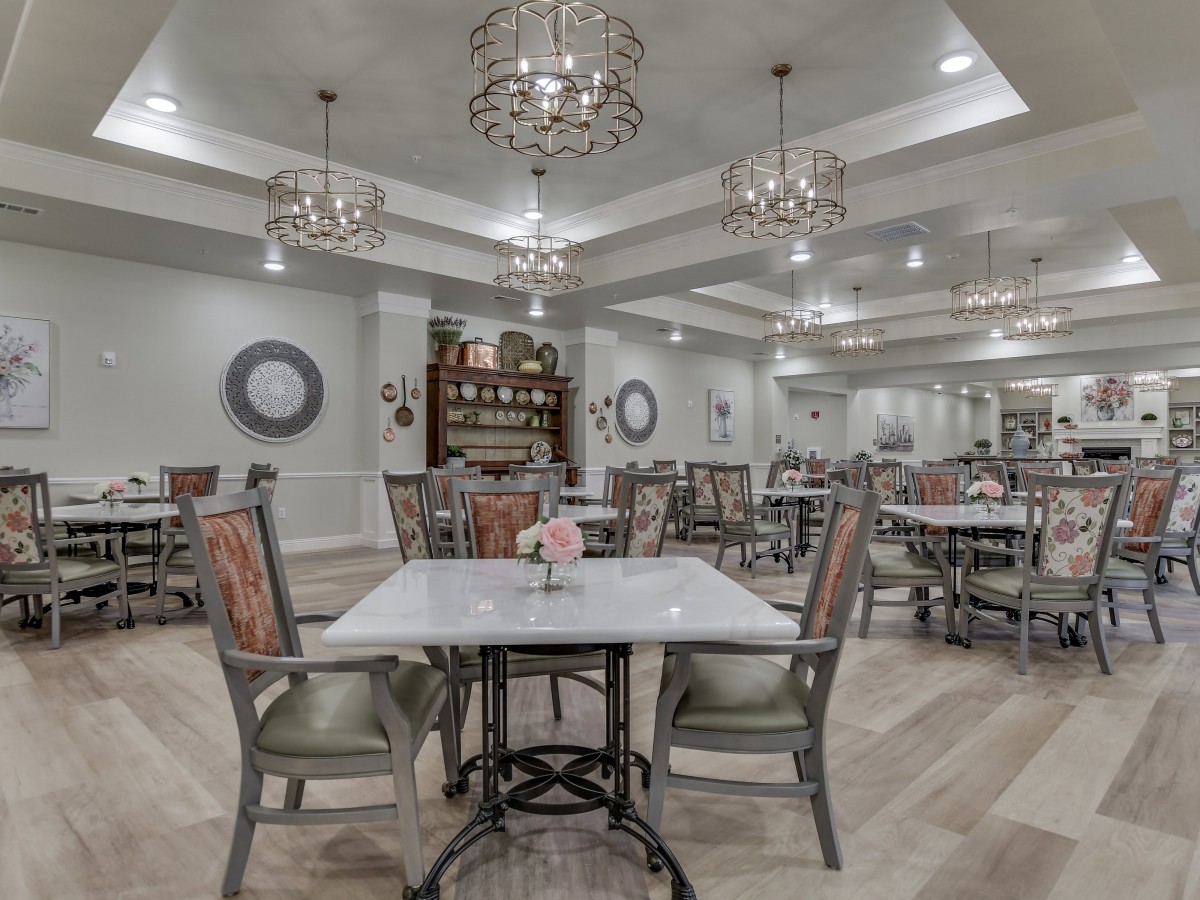
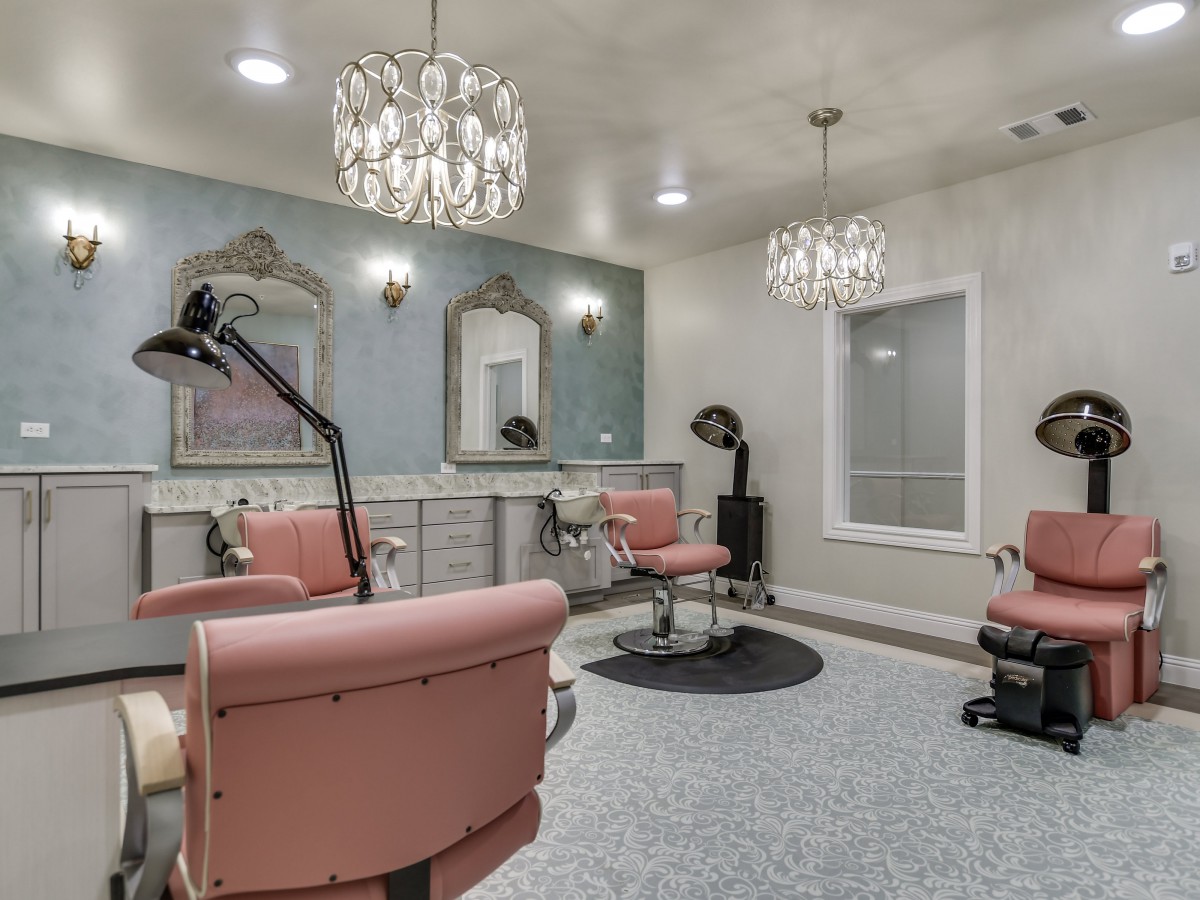
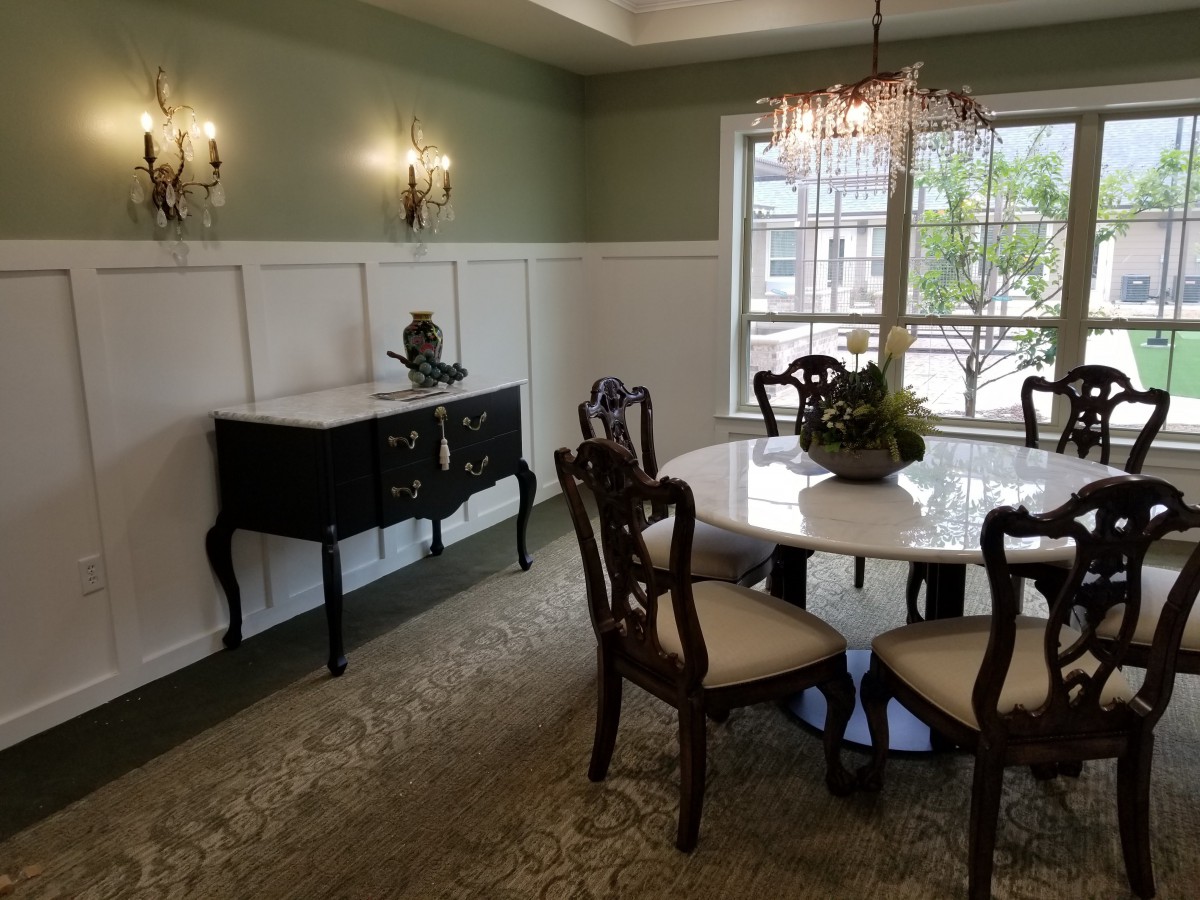
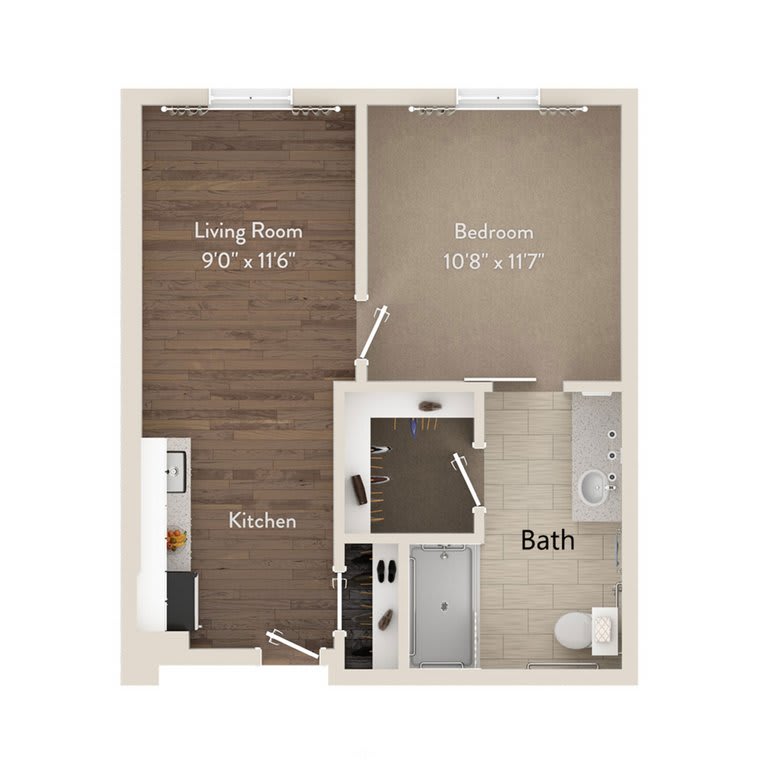
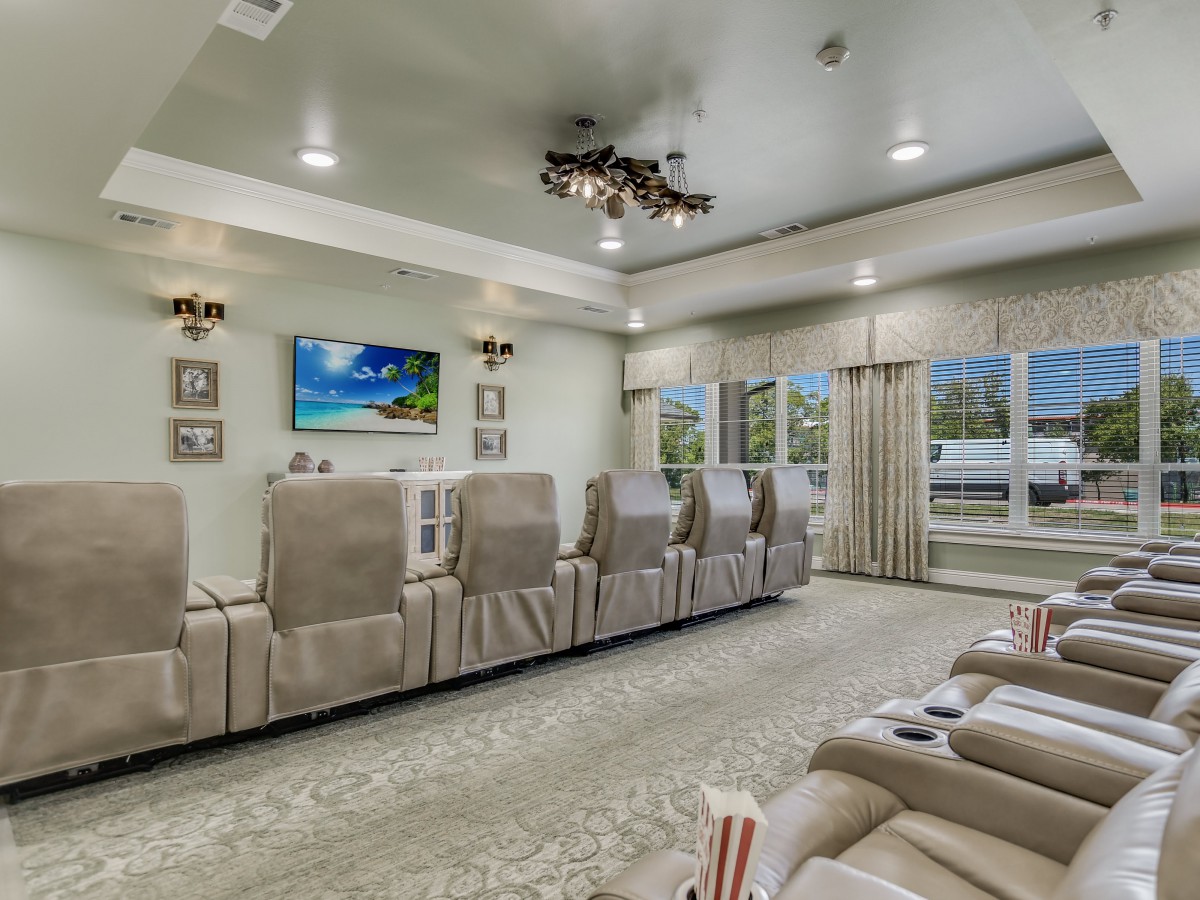
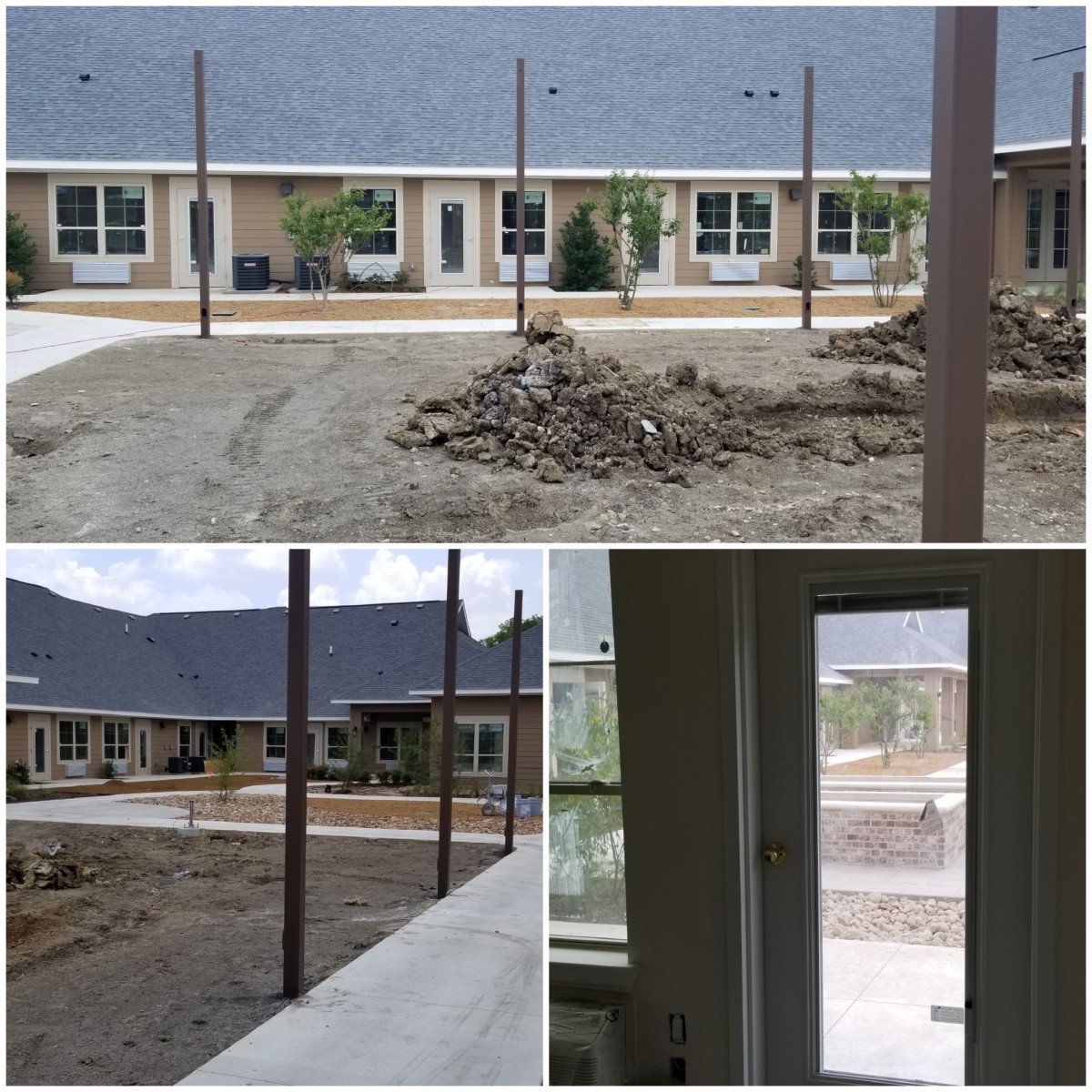
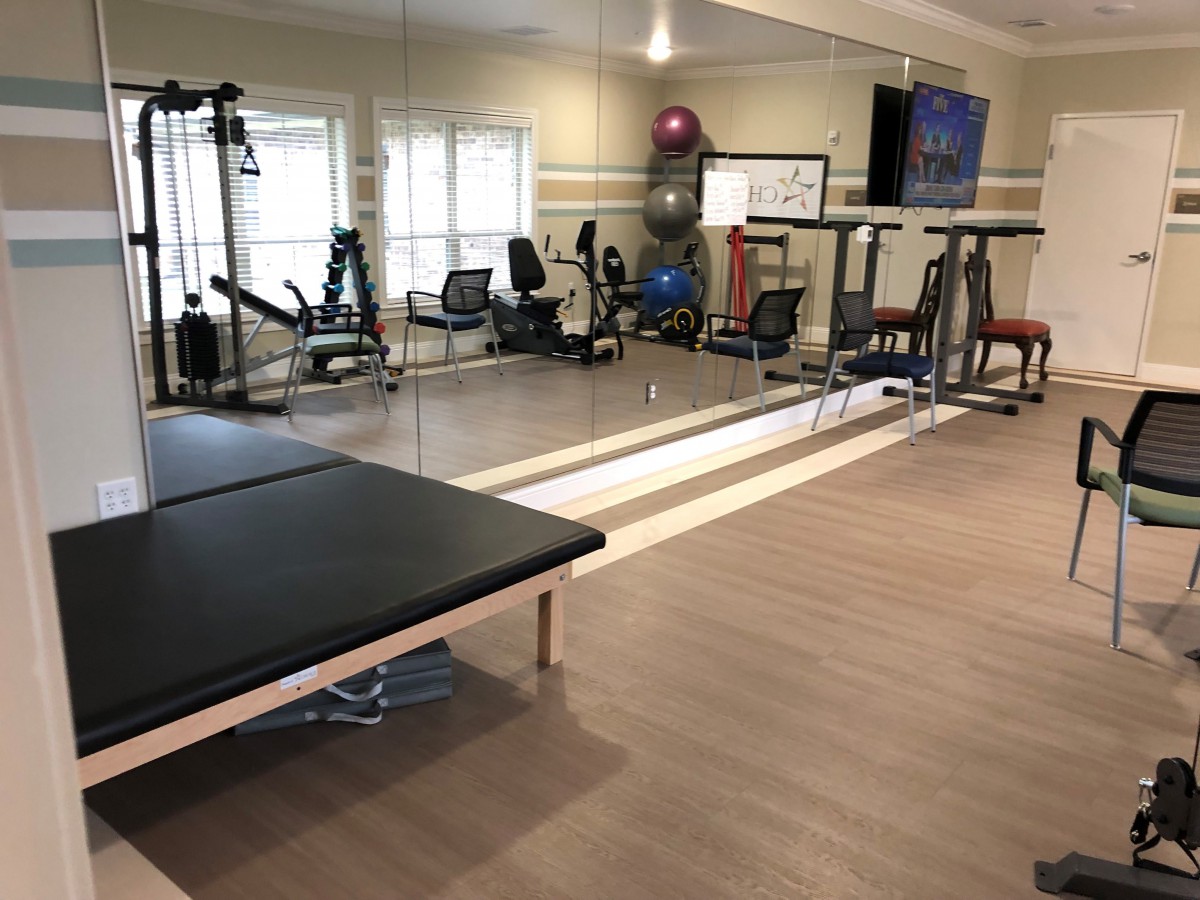
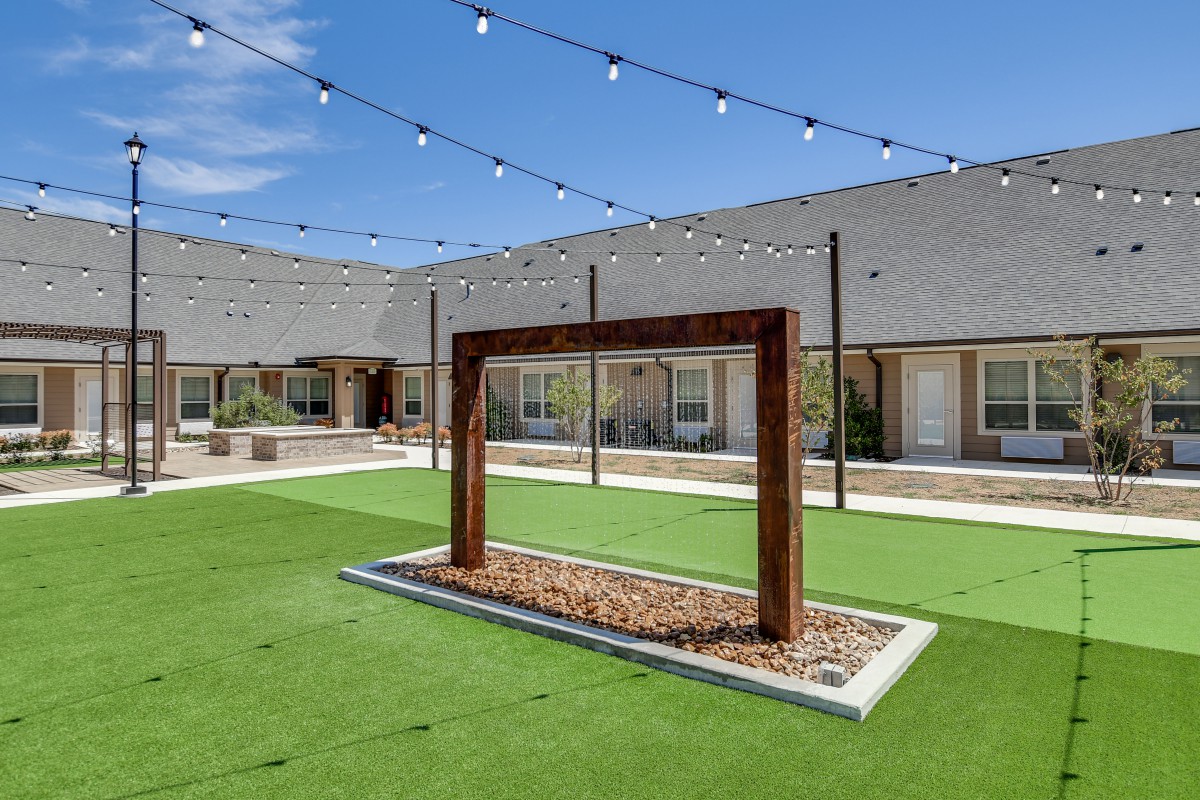
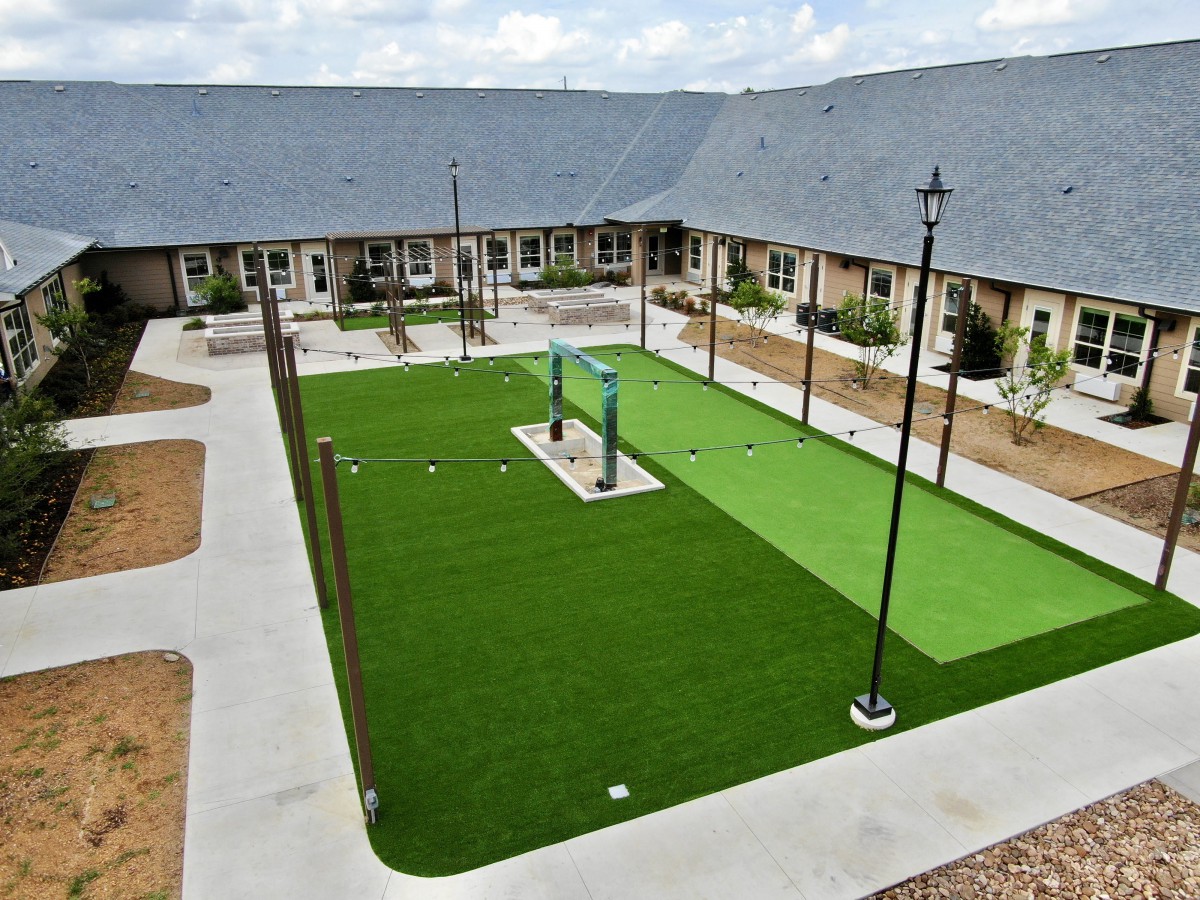
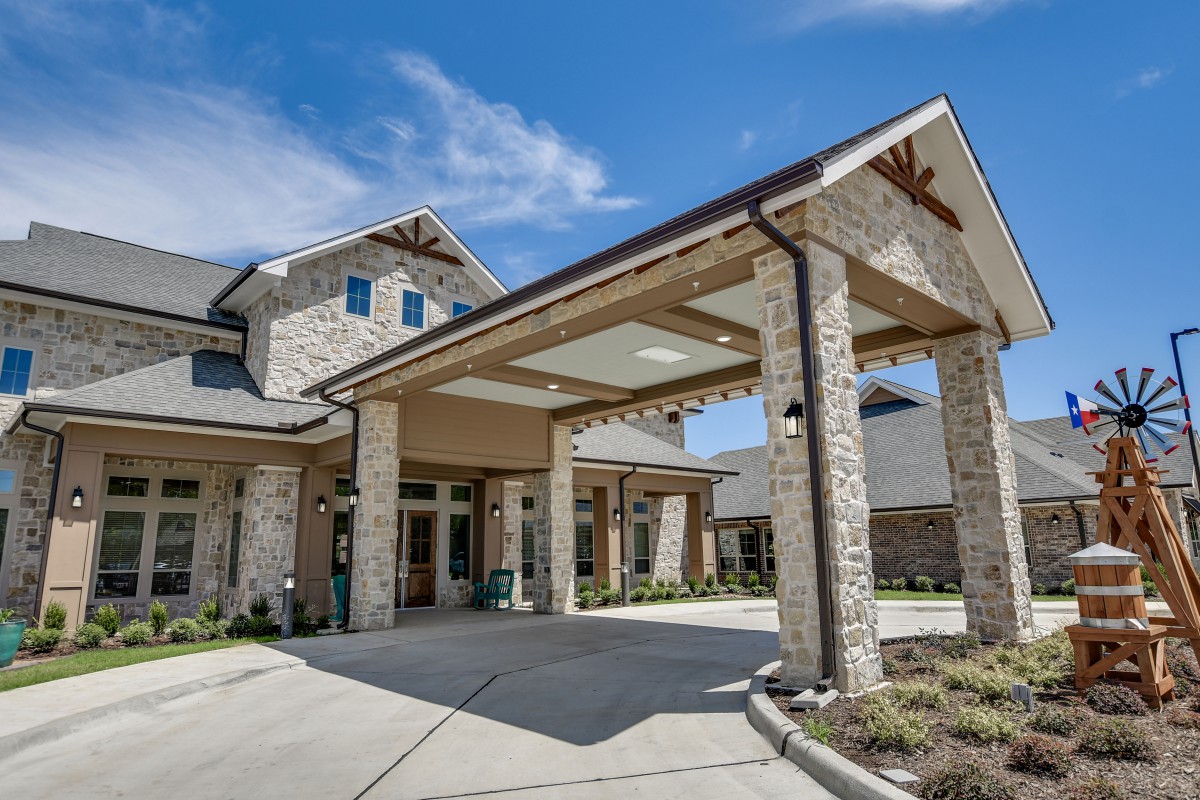
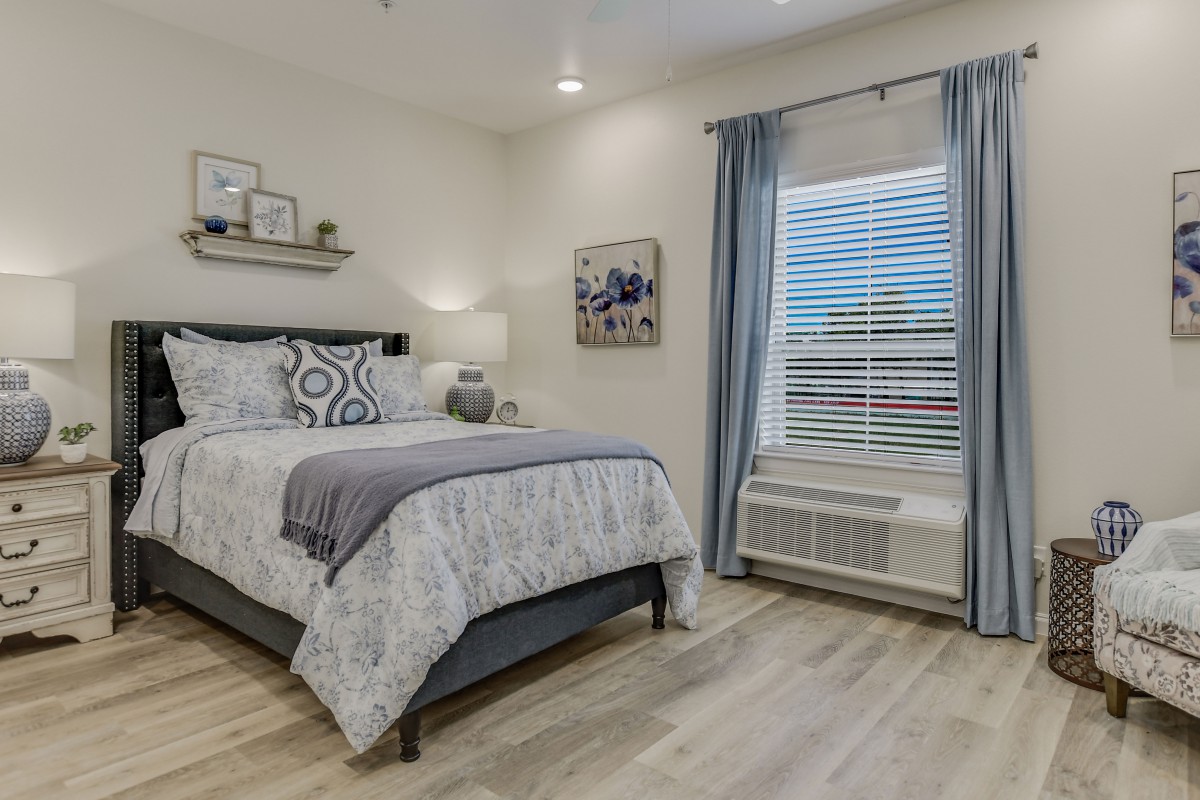
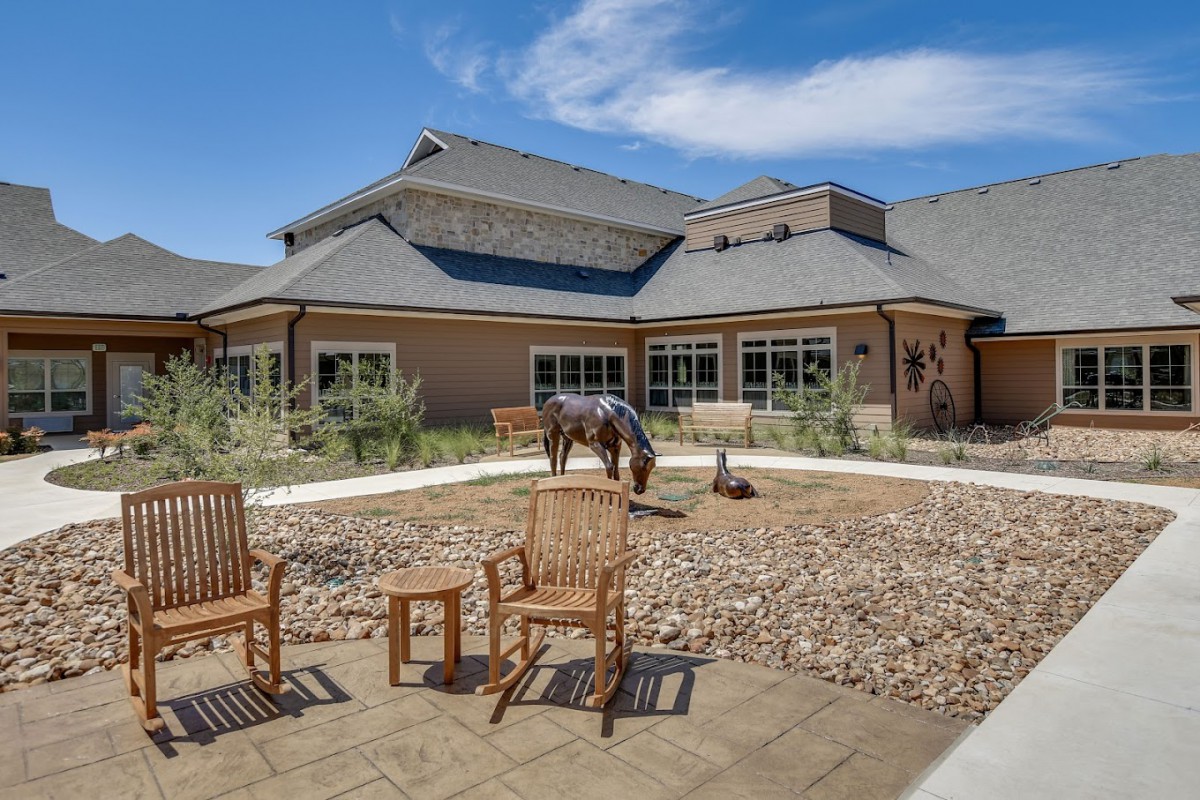
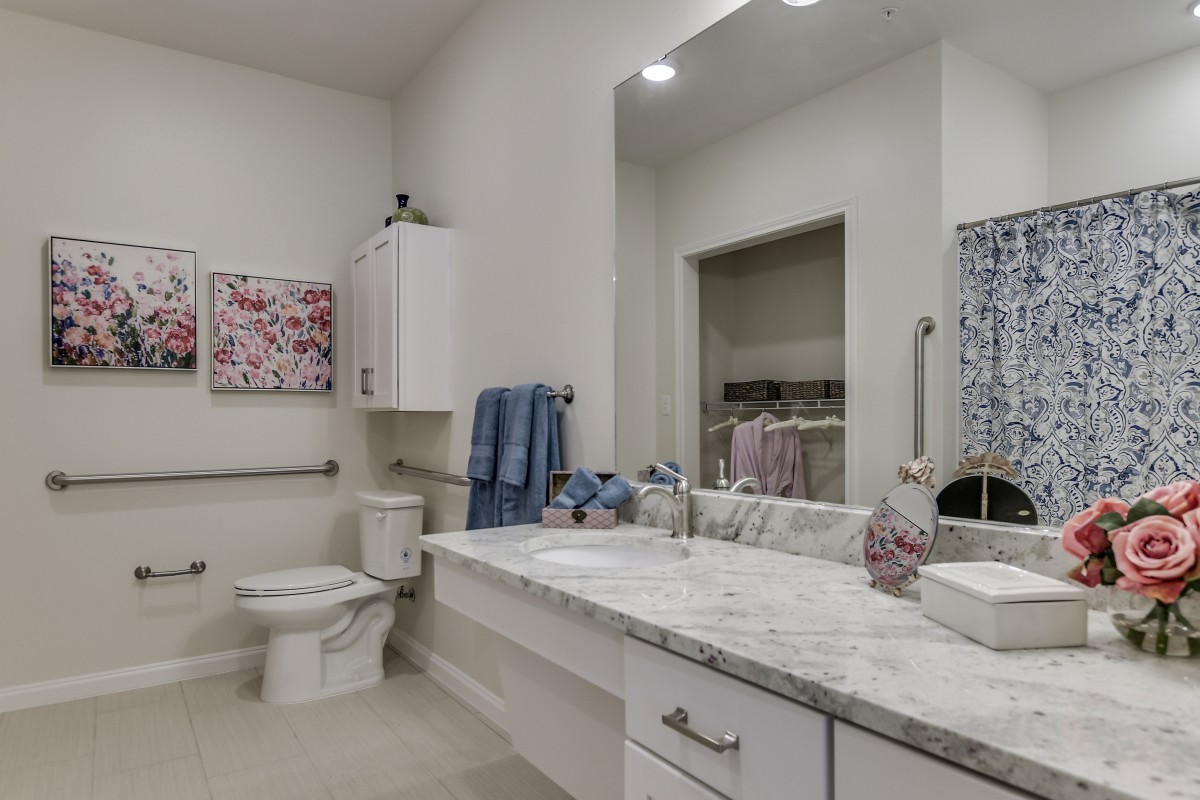
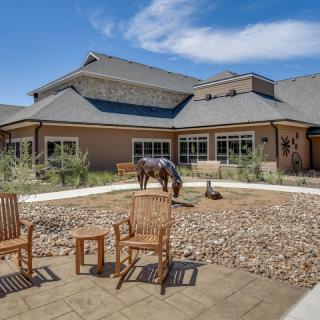
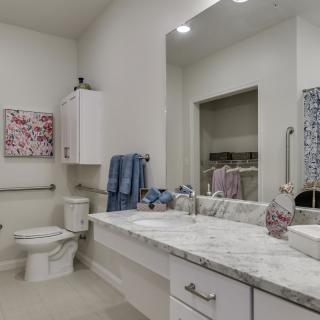
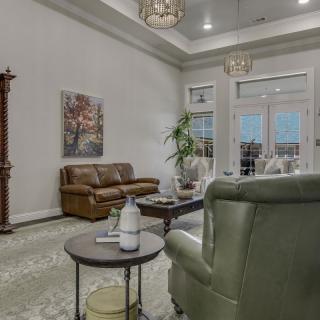
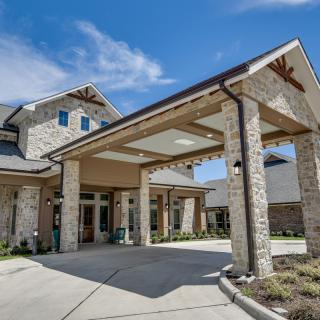
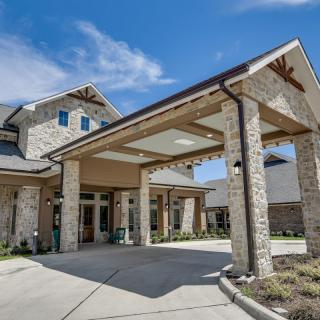
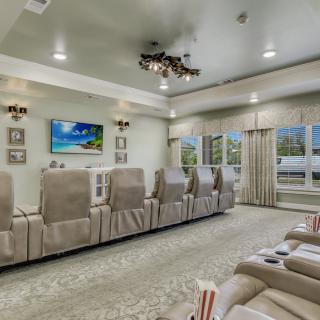
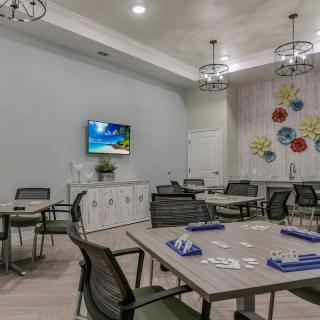
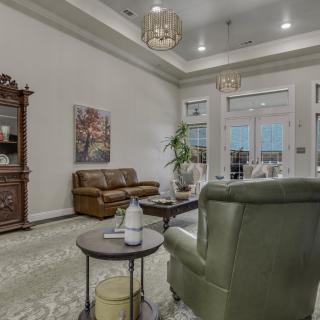
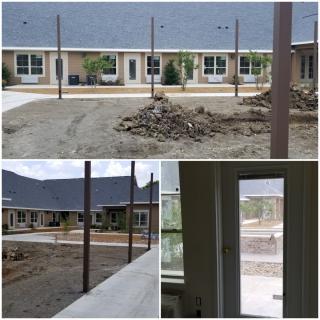
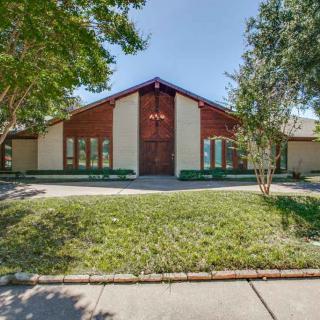
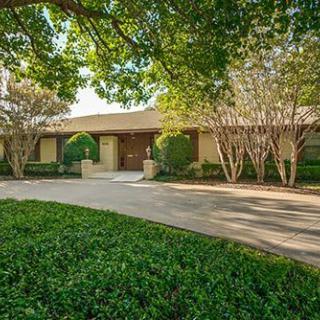
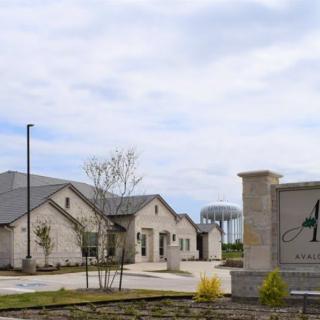
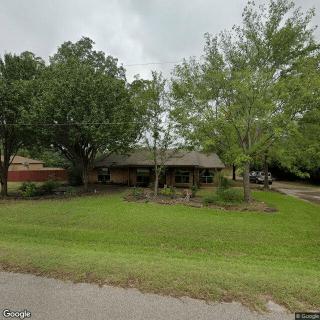
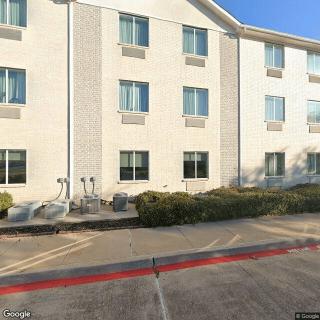
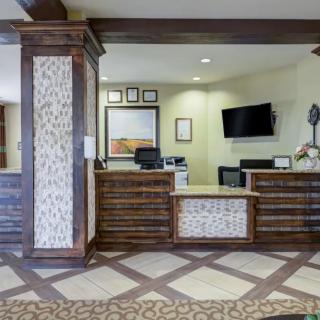
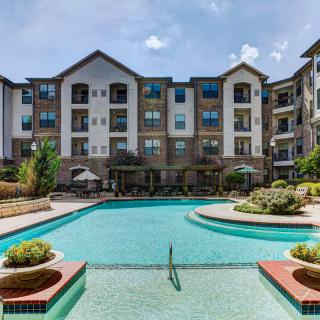
The Harvest of Roanoke on seniors.fyi includes 24 photos including images showing interior, floor plan, living room, chandelier, bedroom, decor, dining, building, and more.
Nearby Communities
Meadowview Place
Roanoke, TX
5 from 3 reviews
$4,100 to $4,950 / month
Brand-new, clean facility with attentive staff and proactive communication.
Avalon Memory Care Raintree
Flower Mound, TX
4 from 22 reviews
$4,875 to $5,475 / month
Caring staff creating a warm, homelike environment for residents.
Tender Loving Care Of Keller
Keller, TX
4.5 from 13 reviews
Warm, homelike environment with attentive staff, personalized care, and engaging activities.
HarborChase Of Southlake
Southlake, TX
4.3 from 83 reviews
$6,595 to $7,895 / month
Luxurious, resort-like atmosphere with engaging activities and responsive frontline staff.
Denton Creek Senior Living
Roanoke, TX
3.8 from 12 reviews
$1,000 to $1,700 / month
Professional, caring new management; clean, welcoming environment with active resident programs.
The Carlyle At Stonebridge Park
Southlake, TX
3.8 from 188 reviews
Clean, attractive facility with good dining and some compassionate staff.
Truewood by Merrill, Keller
Keller, TX
4.5 from 161 reviews
Caring, attentive staff with engaging activities in a warm, home-like atmosphere.
Conservatory at Keller Town Center
Keller, TX
4.7 from 121 reviews
$2,595 to $2,935 / month
Upscale atmosphere with spacious, modern apartments, friendly staff, and restaurant-style dining.
Watermere at the Preserve
Keller, TX
4.7 from 79 reviews
$1,960 to $2,870 / month
Luxurious, peaceful setting with spacious apartments, private gardens, and robust on-site amenities and services.
The article examines the link between certain medications and increased dementia risk, particularly in older adults, emphasizing that long-term or high-dose use of anticholinergics, benzodiazepines, and other drug classes can exacerbate cognitive impairment. It calls for careful medication evaluation and shared decision-making to mitigate these risks while managing treatment efficacy.
The article emphasizes the significance of establishing a power of attorney for elderly parents to enable an agent to make decisions on their behalf regarding health and finances, especially during cognitive or physical decline. It outlines various types of power of attorney, the importance of consulting legal professionals, and the responsibilities and challenges faced by agents, while also discussing alternatives and common misconceptions.
Caregiver support groups are crucial for providing emotional and practical assistance to those caring for loved ones, offering resources, coping strategies, and a sense of community through various organizations and platforms. These groups help alleviate isolation and burnout while addressing the unique challenges faced by caregivers of individuals with specific conditions.
Exercise Equipment, Gym, Fitness, and Workout Room
Exterior
Salon
Seating and Theater
Studio Apartment
Courtyard
Mirrors
Spacious
Modern Architecture and Outdoor Space
Design
Light Fixture
Get PricingAsk A QuestionSchedule A TourContact Senior Advisor
By clicking submit, you agree to our Partner's Terms of Use. You
also consent to receive calls and texts, which may be autodialed, from our Partner. Your consent is not a condition to
using our Partner's service. Please visit our Partner's Privacy Policy for information about their privacy practices.






 Assisted Living
 Memory Care
 Activities off-site
 Air-conditioning
 Beautician on-site
 Cable or satellite TV
 Computer center
 Devotional services on-site
 Dining room
 Fitness room
 Fully furnished
 Gaming room
 Garden
 Ground floor units
 Handicap accessible
 Housekeeping services
 Indoor common areas
 Kitchenette
 Move-in coordination
 Outdoor common areas
 Private bathrooms
 Private patio, deck, or balcony
 Respite or short term stays offered
 Restaurant-style dining
 Small library
 Telephone
 Wellness center
 Wheelchair accessible showers
 Wi-Fi/high-speed internet available
 Dallas-Fort Worth International (12 miles away)
 Community operated transportation
 24-hour call system
 Ambulatory care
 Assistance with bathing
 Assistance with dressing
 Assistance with transfers
 Diabetes diet
 Diabetic care
 Hospice waiver
 Incontinence care
 Medication management
 Mental wellness program
 Special dietary restrictions
 Transportation arrangement (medical)
 Art classes
 Catholic services
 Concierge services
 Day trips and outings
 Educational speakers / life long learning
 Happy hour
 Live dance or theater performances
 Live musical performances
 Wine tasting
 Brand-new, clean facility with attentive staff and proactive communication.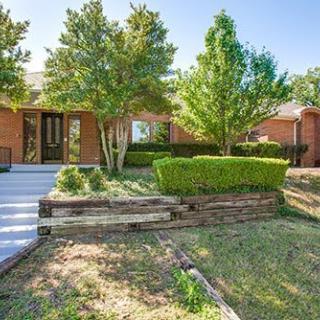



 Medications Associated with Dementia Risk: A Comprehensive Overview
 Guiding Your Journey: Understanding Power of Attorney for Elderly Parents
 22 Remarkable Caregiver Support Groups Available Online and In-Person