
9620 Bull Creek, Plano, TX 75023
For more information about senior living options: (866) 208-4318
Overall Review of 4 Seasons Senior Living
Pros
 Leah is an outstanding caregiver who is kind, patient, and has a heart of gold for the residents.
- The administration at Four Seasons Senior Living is professional, responsive, and prompt, giving families peace of mind.
- Leah goes above and beyond basic care, welcoming visiting family members with a smile and showing kindness to all.
- Families feel relieved and confident knowing their loved ones are receiving excellent, compassionate care from Leah.
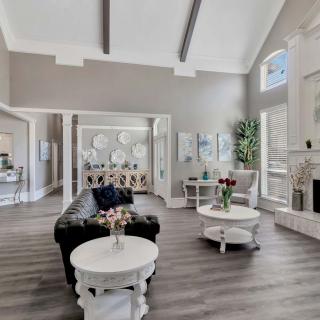
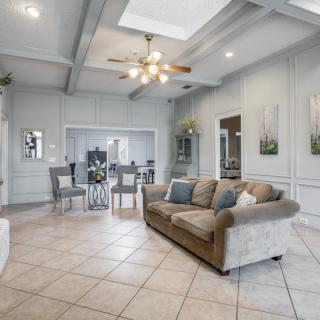
- The home is clean, spacious, and offers private suites with large bathrooms, and it is dog-friendly.
- Layla and Lea are consistently kind and patient throughout the process, supporting families every step of the way.
- Overall, families highly recommend Four Seasons Senior Living for the quality of care and the caring staff.
Review
This community is best suited for families seeking an intimate, home-like assisted living experience in Plano, where one caregiver relationship can anchor trust and comfort for a resident who values privacy, dignity, and a calm daily rhythm. The setting leans toward a private-suite model that feels like a private home more than a clinical facility, with a spacious, clean environment and a dog-friendly policy that can be a meaningful send-off to a resident who cherishes personal space and a familiar, less institutional atmosphere. It works especially well when a resident thrives on steady, personalized attention from a caregiver who treats them like family and when the family prioritizes ongoing peace of mind over a bustling, highly structured campus feel.
Those evaluating alternatives should consider options if the priority includes broader medical oversight, more formalized memory-care programming, or a campus with a wider array of scheduled activities and departmental specialties. If a family wants a larger staff presence across multiple shifts, or if a resident requires more intensive clinical services on a daily basis, a community with a bigger operations footprint may be preferable. In addition, families seeking a robust, campus-wide calendar of events, varied social programming, or highly visible, institution-wide care teams may want to compare plans at other facilities. The Plano community described here stands out for its caregiver-centered warmth, which may not align with every family’s appetite for a bigger, more intervention-heavy environment.
The most compelling pro is Leah, repeatedly identified as an outstanding, patient, and compassionate caregiver who treats residents with extraordinary kindness. Her ability to make families feel included, welcoming visitors with a smile and supporting the resident as if she were her own relative, offsets many concerns that typically accompany transitions to assisted living. This consistent praise is mirrored by remarks about administrative leadership: professional, responsive, and prompt in communications and care adjustments. When reassurance comes from both direct care and the administrative team, families gain a rare sense of stress-free confidence, knowing the person they love is in capable hands.
Another standout is the ambiance of the home itself. Residents enjoy a private master bedroom with a large bathroom, an environment that preserves autonomy and dignity while still providing the security of assisted living. The property is described as clean and spacious, with dining areas that feel pleasant rather than clinical. The ability to accommodate a beloved pet further personalizes the experience and makes the transition easier for introverted or privacy-seeking residents. The combination of a serene house layout, attention to cleanliness, and a dining setting that feels comfortable translates into concrete daily advantages for morale and comfort.
These strengths, however, are most meaningful when the caregiving remains consistently strong across the team. The reviews elevate Leah as the pivotal asset, which, while extraordinary, highlights a potential dependency: if staffing or shift coverage ever shifts away from that single standout relationship, some families may want to know how well the rest of the caregiving roster maintains the same standard. The small-house model naturally emphasizes one-on-one attention, but it can create uncertainty about coverage during vacations, illnesses, or staff turnover. Prospective residents should inquire about team depth, shift overlap, and the specific care plans that will protect the continuity families have grown to rely on.
In the end, this Plano community presents a compelling choice for families prioritizing intimate, high-touch care in a homelike setting, with a reliable, compassionate caregiver core and a professional administration that backs it up. It is a strong recommendation for those who value trust, personal connection, and privacy over large-scale programming. For families who need more robust clinical oversight, a broader activity slate, or a larger campus footprint, alternatives should be evaluated alongside this option. The right decision hinges on whether the resident’s needs align with a caregiver-forward model that makes a small, elegant home feel like a truly supportive place to live.
 5 resident community capacity
 Assisted Living
 Board and Care Home
 Memory Care
 Respite Care
 Air-conditioning
 Cable or satellite TV
 Dining room
 Fully furnished
 Garden
 Housekeeping services
 Located close to shopping centers
 Meal preparation and service
 Move-in coordination
 Outdoor patio
 Outdoor space
 Small library
 Telephone
 Wi-Fi/high-speed internet available
 Dallas Love (19 miles away)
 24-hour supervision
 Activities of daily living assistance
 Assistance with bathing
 Assistance with dressing
 Assistance with transfers
 Diabetes diet
 Hospice care
 Medication management
 Mental wellness program
 Same day assessments
 Special dietary restrictions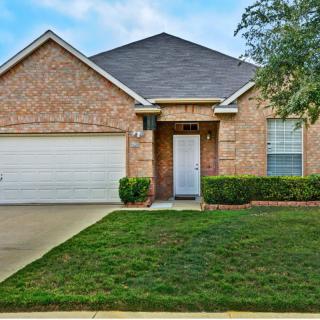





 Estimating the Expenses of At-Home Dementia Care: A Detailed Exploration
 Comprehensive Insights on the Late Stages of Dementia: What to Expect and How to Provide Care
 Medications Associated with Dementia Risk: A Comprehensive Overview