
11750 Padon Road, Needville, TX 77461
For more information about senior living options: (866) 208-4318
Supreme Memory Care Costs & Pricing
Supreme Memory Care offers a range of specialized memory care services with pricing that reflects the quality and support provided. For a semi-private room, residents can expect to pay $4,350 per month, which is notably higher than the county average of $3,813 and the state average of $3,680. This investment ensures access to personalized care tailored to individuals facing cognitive challenges. Meanwhile, a studio accommodation is priced at $4,950 per month, surpassing both Fort Bend County's average of $4,056 and Texas's overall average of $3,758. These rates underscore Supreme Memory Care's commitment to delivering exceptional care in a nurturing environment while highlighting its distinction within the local market.
| Floor plans | Supreme Memory Care | Fort Bend County | Texas |
|---|---|---|---|
| Semi-Private | $4,350 | $3,813 | $3,680 |
| Studio | $4,950 | $4,056 | $3,758 |
Memory care communities with a similar price nearby
-
from -$850 / mo
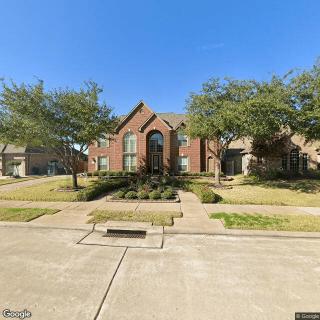
San Antonio - A-Z Senior Care 2
$3,500 / month14.1 miles away -
from -$455 / mo
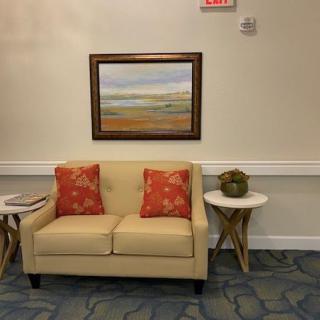
The Village at Sugarland Assisted Living & Memory Care
$3,895 to $6,595 / month15.2 miles away -
from -$700 / mo
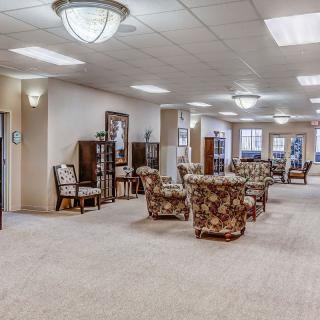
The Hampton at Meadows Place
$3,650 to $5,575 / month22.2 miles away -
from -$410 / mo
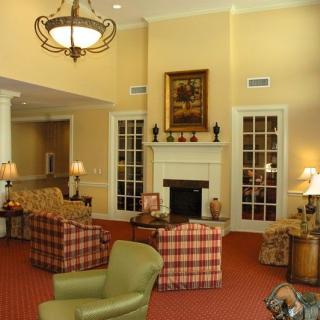
The Reserve at First Colony
$3,940 to $5,825 / month19.8 miles away -
from -$255 / mo

Atria Cinco Ranch
$4,095 to $6,095 / month24.8 miles away
Overall Review of Supreme Memory Care
Pros
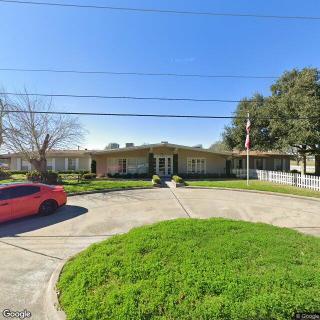
 The facility is a quiet and very nice place.
- It is beautiful and clean, with staff who care deeply for residents.
- The staff is supportive, available, and responsive to families during transitions.
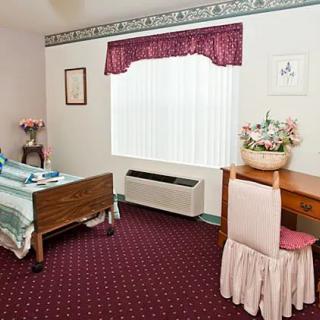
- They understand and accommodate individual resident needs, helping them feel at home.
- Families feel fortunate to have chosen Supreme Memory Care and highly recommend it.
Review
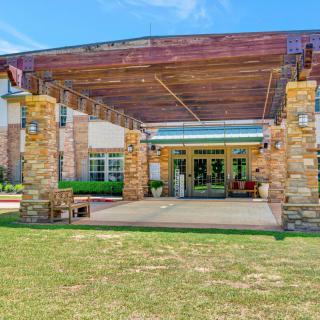
Supreme Memory Care in Needville, TX is best suited for families seeking a quiet, home-like memory-care environment where residents receive highly personalized attention from a consistently involved team. The community shines for seniors who need steady daily supervision and compassionate behavioral support without the feel of a large institutional campus. Reviewers consistently describe a setting that feels calm, beautiful, and clean, with staff who know residents’ histories and preferences. In particular, the transition to care is handled with care and empathy, and the administration, led by Elizabeth, remains available to families on a daily basis, which translates into ongoing reassurance and trust.
Those who may want to consider alternatives are families prioritizing expansive medical oversight or a broader array of on-site services. In practice, Supreme Memory Care presents as a focused, intimate operation rather than a sprawling campus with extensive medical suites or a wide schedule of activities. For residents whose needs extend beyond memory-support, such as complex clinical nursing, frequent physician visits, or highly structured therapeutic programs, other facilities with larger staff rosters and more comprehensive medical resources might be a better fit. The Needville setting itself suggests a drawback for families needing highly specialized, around-the-clock clinical coverage.
The strongest pros center on a calm, well-kept environment paired with exceptionally attentive care. The space is described as quiet, attractive, and meticulously clean, which matters greatly for memory-care residents who benefit from predictability and a non-stimulating backdrop. Crucially, the staff’s ability to accommodate difficult moments and tailor approaches to individual feelings stands out. When a resident acts out or becomes unsettled, the team’s warmth and problem-solving approach reduce distress for both resident and family. This adaptability, combined with frequent, prompt communication from Elizabeth, helps offset the emotional burden that accompanies relocation, making the move feel less disruptive and more like a return to a familiar, caring home.
Another clear strength is the emphasis on family-centered care. Families consistently report feeling supported, informed, and respected as partners in care. The sense that residents are not merely housed but cherished translates into repeated assurances that their loved ones are “at home.” Such trust diminishes anxiety about safety, routine, and daily engagement. The reciprocal care, residents who sense consistent kindness and families who observe dedicated attention, creates a protective loop that reinforces stability and reduces the risk of social withdrawal or agitation. While the program may offer fewer flashier amenities than larger operators, the depth of relationships and the steady routine carry substantial weight for memory-care needs.
Given the strong positives, the practical caveat is to verify a few operational details that are less visible in emotional testimonials. The reviews do not highlight extensive information about medical staffing levels, on-site nursing coverage, or the scope of daily programming, so prospective families should confirm these specifics before choosing. In particular, assess staff-to-resident ratios, availability of nursing staff after hours, access to on-call physicians, and how care plans are coordinated with outside providers. Observing a meal, an activity, and multiple staff interactions across shifts can reveal whether the claimed warmth translates into consistent, reliable care across days and evenings. For families balancing memory-support with medical complexity, obtaining concrete answers on clinical capabilities is essential.
In the end, Supreme Memory Care offers a compelling option for memory-care residents who prioritize a quiet, homelike atmosphere, strong staff relationships, and meaningful family involvement. It excels at creating emotional safety, reducing relocation stress, and delivering hands-on, personalized care that makes residents feel truly cared for. It is less clearly suited for those requiring aggressive medical oversight, sophisticated clinical programming, or the scale and variety of amenities found at larger campuses. Families considering this community should schedule a tour, speak with Elizabeth, and probe the care plans, staffing, and daily activity calendar to ensure alignment with the resident’s medical needs and personal preferences. When fit is right, the choice delivers not only care but a trustworthy sense of home.
 16 resident community capacity
 Assisted Living
 Board and Care Home
 Memory Care
 Respite Care
 Activities on-site
 Cable or satellite TV
 Devotional services off-site
 Dining room
 Fully furnished
 Garden
 Housekeeping services
 Indoor common areas
 Move-in coordination
 Outdoor space
 Telephone
 Wi-Fi/high-speed internet available
 24-hour supervision
 Assistance with bathing
 Assistance with dressing
 Assistance with transfers
 Diabetes diet
 Diabetic care
 Meal preparation and service
 Medication management
 Special dietary restrictions
 Transportation arrangement (medical)
 Transportation to doctors appointments



 Understanding Dementia Through Its Seven Stages: A Comprehensive Look at Progression and Expectations
 A Holistic Dementia Care Guide: Effective Strategies for Memory Support
 Comprehensive Insights into Activities of Daily Living (ADLs) and Their Assessment