For more information about senior living options: (866) 208-4318
4.2 from 39 reviews
5 stars
25
4 stars
4
3 stars
7
2 stars
0
1 stars
3
Overall Review of Montgomery House II
common32 reviews mention this
Staff feel attentive and caring
Residents describe staff as warm, caring, and responsive to day-to-day needs.
Across the reviews, families repeatedly say the staff pays attention to residents, communicates well, and treats people with kindness. Several mention hands-on help and supervision, including care needs like meal assistance and daily monitoring. A small number of reviews take the opposite view, describing poor staffing and neglected residents, but the more common theme is that caregivers are attentive and engaged.
common16 reviews mention this
Activities and social time stand out
Many residents and families point to regular activities and social engagement.
Reviewers mention entertainment and group activities such as TV time, game rooms, crafts, and seasonal events, plus residents spending time together. Several note that activities helped residents stay engaged and happier, and a few describe staff guiding them through classes or planned outings. A few reviewers say they didn’t see much going on during visits or that activities were limited, so activity level may vary by time or setting.
common12 reviews mention this
Meals and menu details come up
Dining is a frequent point in reviews, from strong praise to quality concerns.
Many reviews discuss the food directly, including praise for how meals taste and variety and comments about residents enjoying dining together. Some families describe meal planning details like daily menus and meeting individualized needs, including pureed meals and spoon-fed assistance. Others express dissatisfaction, describing the food as not nourishing, not up to par, or only adequate, so dining experience seems mixed across residents.
caveat6 reviews mention this
Pricing feels fair or unclear
Pricing is a recurring concern, ranging from good value to unexpected surcharges.
Some reviewers say the community works with family budgets and that costs are handled without hidden charges. Others mention that the facility was cheaper than alternatives or that the quoted price later didn’t match what they expected. There are also reviews that frame transitions and billing as stressful, including complaints about being left without enough time to find another place.
caveat8 reviews mention this
Facility age and presentation vary
Several reviews describe an older or rural presentation that may feel outdated.
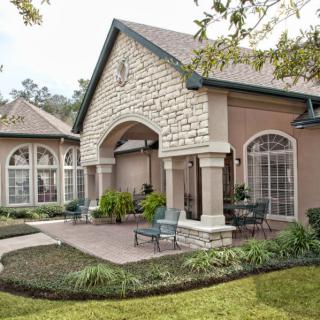
A number of reviewers characterize the facility as older or dated and suggest it needs updates in appearance and general areas. Others still say it looks clean and well maintained, and some note upgrades underway. Location and surroundings are described as rural or out of town, which some families like, while at least one reviewer says it didn’t feel like assisted living to them and another worries about activity variety for residents’ needs.
How we summarize
Counts show how many written reviews mention each theme; a review can touch several themes, and only frequently mentioned themes are displayed.
The article discusses assisted living expenses, the importance of long-term care insurance in covering these costs, and various financing options, highlighting the need for careful policy review and early planning to address potential needs. It also clarifies common misconceptions about Medicare and private health insurance limitations regarding long-term care coverage.
Assisted living facilities offer crucial support for older adults needing help with daily activities but come with varying and significant costs, which can be financed through personal savings, government assistance programs, long-term care insurance, and home equity options. Professional guidance from experts can aid families in navigating these financial complexities to establish a sustainable budgeting approach for assisted living services.
Assisted living costs often exceed Social Security benefits, necessitating a combination of funding sources like state aid and Medicaid. Understanding the interaction between Social Security programs and available financial support is essential for affording such care.
Get PricingAsk A QuestionSchedule A TourContact Senior Advisor
By clicking submit, you agree to our Partner's Terms of Use. You
also consent to receive calls and texts, which may be autodialed, from our Partner. Your consent is not a condition to
using our Partner's service. Please visit our Partner's Privacy Policy for information about their privacy practices.

 Studio apartments
 Assisted Living
 Activities on-site
 Devotional services off-site
 Indoor common areas
 Ambulatory care
 Diabetic care
 Meals provided
 Competitive pricing below Montgomery County and Texas averages with on-site activities and accessible care.



 Assisted Living Expenses and Long-Term Care Insurance: A Comprehensive Exploration
 Securing Financial Support for Assisted Living: A Comprehensive Overview
 Social Security Benefits and Assisted Living: Navigating Options Across the U.S.