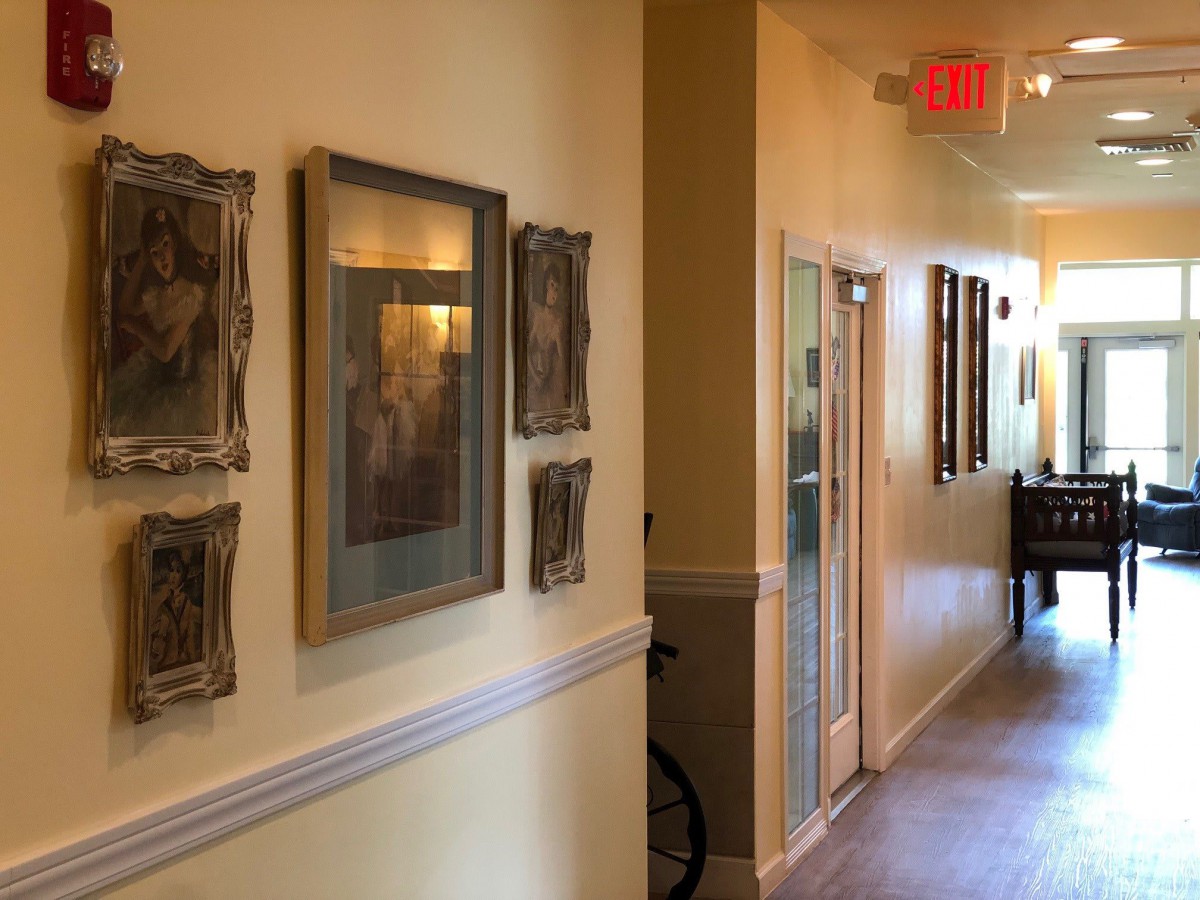
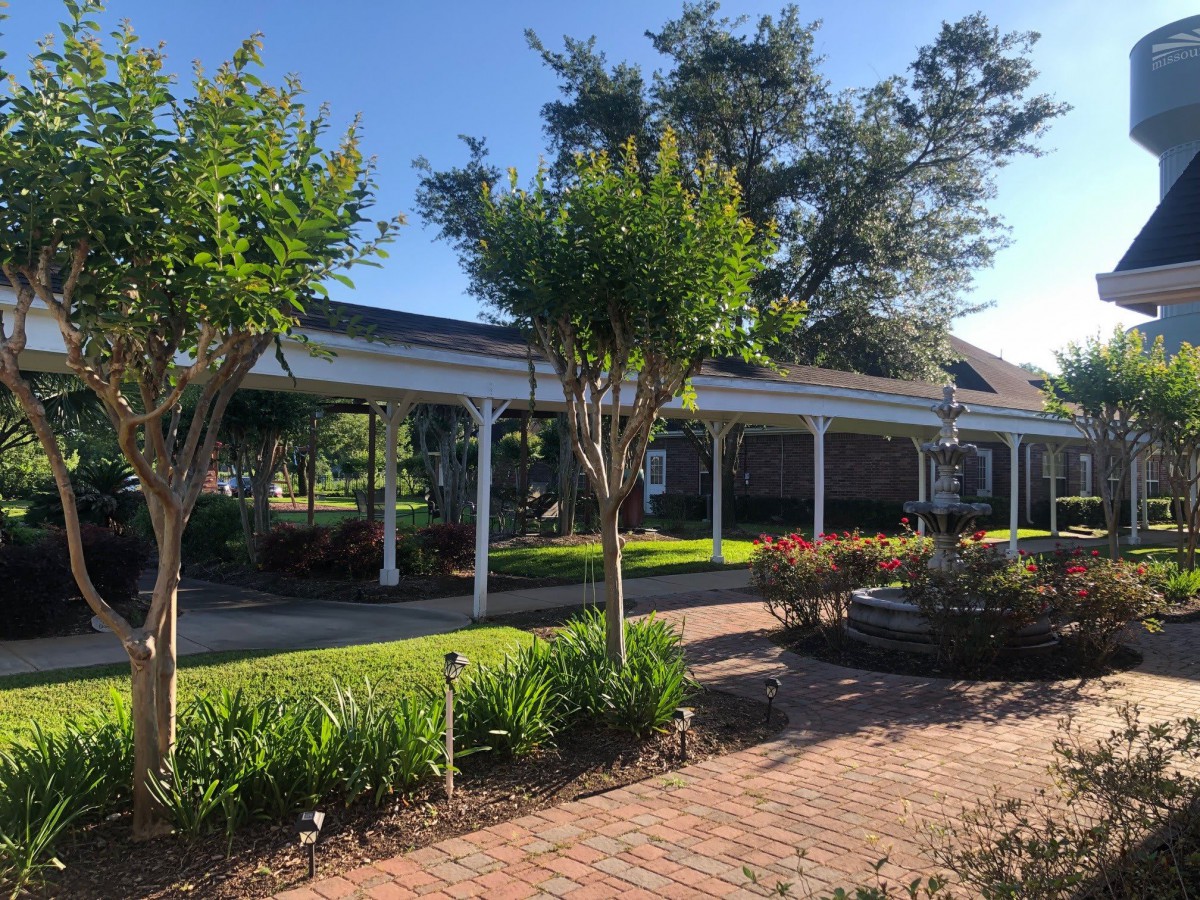
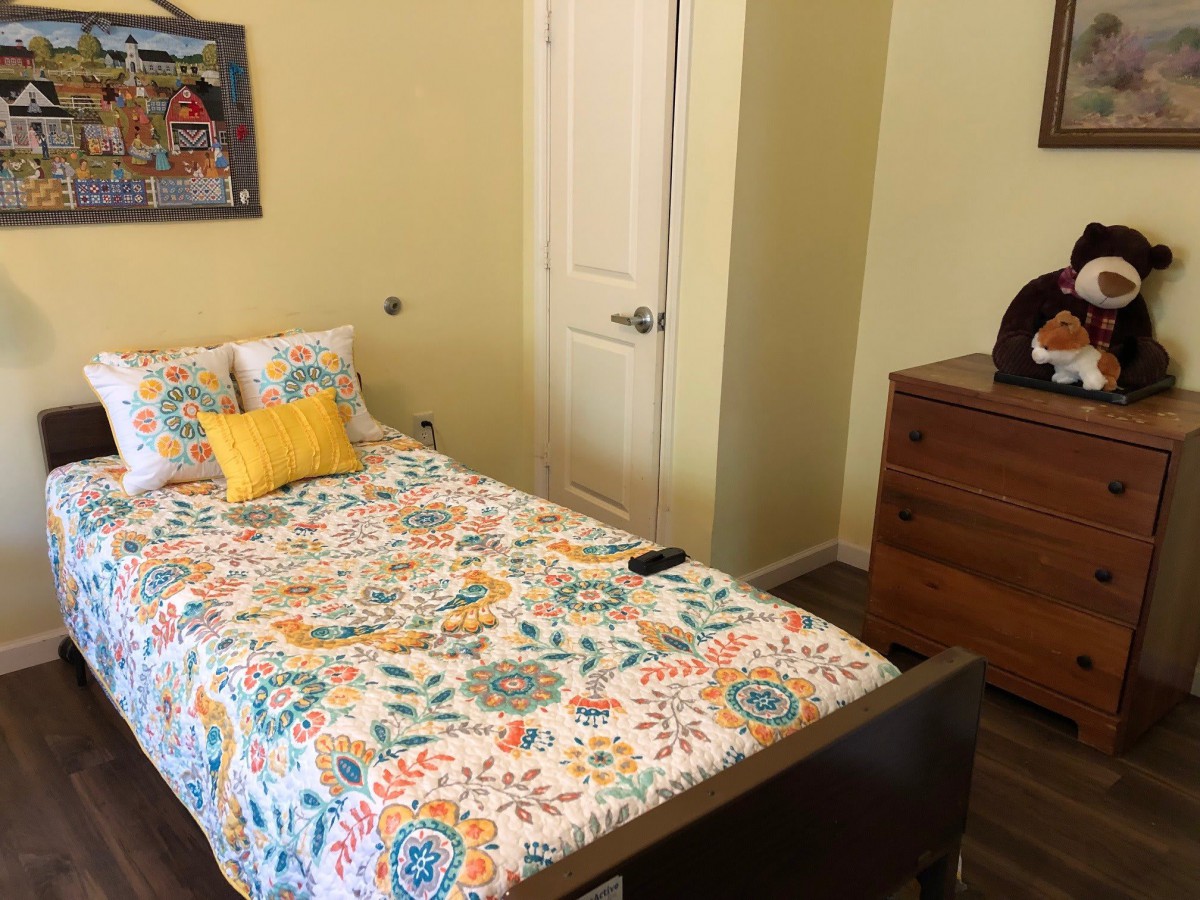

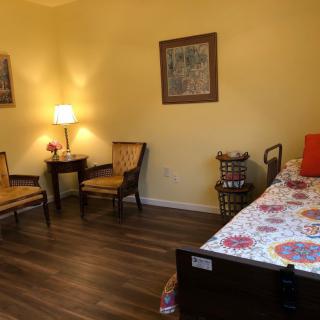
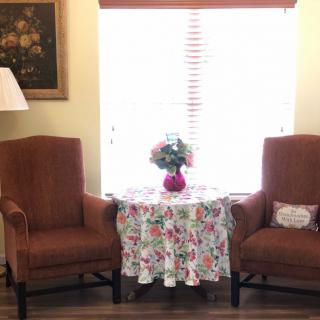
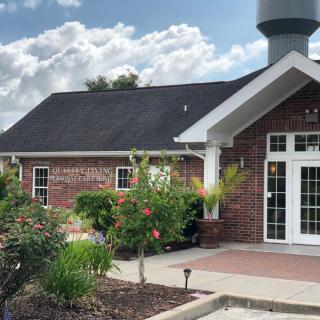
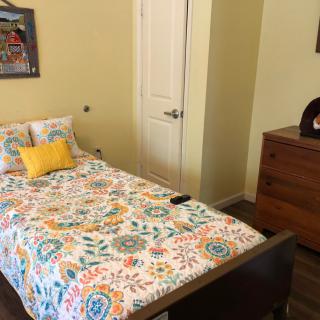
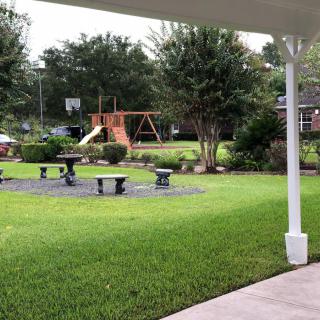
2029 Murphy Rd, Missouri City, TX 77459
To contact a resident: (281) 499-7174
For more information about senior living options: (866) 208-4318
Quality Living Murphy Costs & Pricing
At Quality Living Murphy, the monthly cost for a semi-private room is set at $3,700, which offers a competitive option in comparison to the surrounding region. When looking at Fort Bend County, the average cost for similar accommodations stands slightly higher at $3,813, while across Texas as a whole, the average drops to $3,680. This positioning suggests that Quality Living Murphy provides not only a quality living environment but also an appealing price point that slightly undercuts the local county rates while remaining in line with state averages. This makes it an attractive choice for those seeking affordability without compromising on care and comfort.
| Floor plans | Quality Living Murphy | Fort Bend County | Texas |
|---|---|---|---|
| Semi-Private | $3,700 | $3,813 | $3,680 |
Assisted Living communities with a similar price nearby
-
About the same

Vivid Life Residential Care
$3,805 to $4,200 / month20.4 miles away -
from -$600 / mo

Ba Home Care
$3,100 / month12.4 miles away -
from -$200 / mo
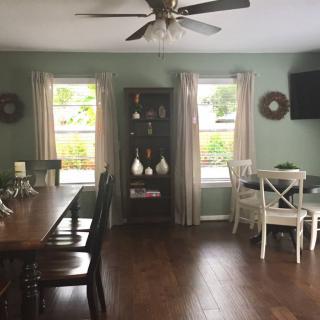
Bahia Personal Care Home
$3,500 to $4,000 / month19.4 miles away -
About the same
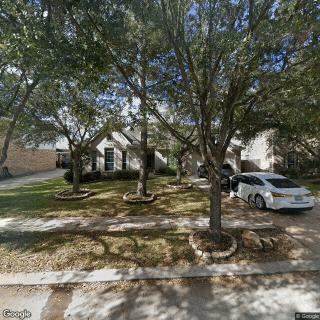
Comfy Home
$3,800 to $4,800 / month17.8 miles away -
from -$305 / mo

Atria Westchase
$3,395 to $6,995 / month14.4 miles away
Overall Review of Quality Living Murphy
Pros
 He has adapted very well at Quality Living.
- They have a great staff.
- They encourage him with activities.
- He interacts with other people.
- It is a great place.
- It is clean.
- The staff are helpful.
Review
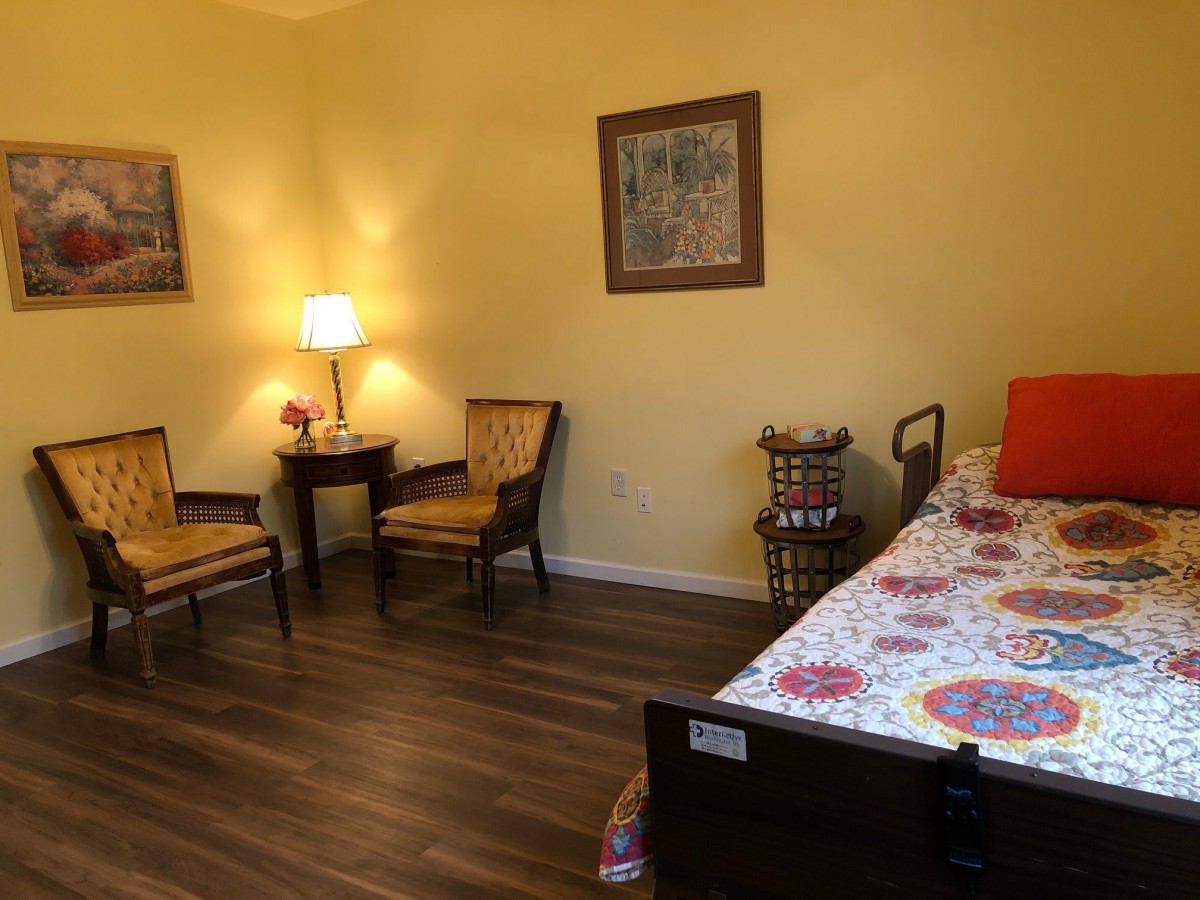
Quality Living Murphy is best suited for seniors who want a practical, supportive assisted-living environment where a steady staff presence makes daily life smoother and where structured activities foster ongoing social engagement. The strongest signal from the available feedback is reliability: a resident’s family has observed five years of stability and adaptation, driven by encouragement to participate and opportunities to interact with peers. For families seeking reassurance in cleanliness, attentiveness, and a calm, approachable atmosphere, this community presents a compelling fit for an 80+ demographic that values routine and accessible social life.
Those considering alternatives should homes in on needs beyond routine companionship and basic support. The reviews do not address more intensive medical oversight, on-site nursing, medication management, or specialized memory-care services. If a prospective resident requires higher-level clinical care, frequent nurse presence, or a broader continuum of care, other communities with explicit memory-care programs and more expansive medical staffing may be a better match. Similarly, for families prioritizing a larger campus, a wider variety of amenities, or more aggressive programming, it’s prudent to explore options with more expansive service menus and bigger operating footprints.
Among the clear positives, staff quality and resident safety stand tall. The feedback emphasizes a great, helpful staff that actively encourages participation in activities and helps residents connect with others. Cleanliness reinforces a sense of safety and dignity, creating a dependable backdrop for aging in place. When combined, these factors yield meaningful advantages: consistent oversight, predictable routines, and a social framework that reduces isolation. For seniors who thrive when staff are approachable and activities are integral to daily life, these elements deliver substantial practical value.
These strengths do offset several typical concerns, especially for families prioritizing stability, social integration, and a low-stress living environment. A clean, well-staffed setting with a culture of engagement can substantially mitigate anxiety about deterioration or withdrawal, which often accompanies aging in place. However, the absence of explicit information on medical services, memory-care capabilities, dining variety, transportation, and pricing means potential gaps may emerge if health needs shift or expectations evolve. In short, the positives establish a solid baseline, but a lack of transparent clinical details invites careful verification.
Prospective residents should seize the opportunity to verify specifics during a visit. Observing staff-resident interactions firsthand, asking who manages medications, and confirming whether a nurse is on-site or on-call are essential steps. Depth of memory-care accommodations, emergency-response responsiveness, and how programs are tailored to cognitive and physical differences must be clarified. Concrete details on meal plans, guest policies, transportation options, and the complete pricing structure help determine real-world affordability and inclusivity. The current positive impressions are meaningful, but they should be confirmed through targeted questions and a structured tour.
When the alignment exists, attentive staff, a clean, engaging environment, and a culture of social participation, Quality Living Murphy stands as a practical and trustworthy option for families evaluating assisted living in Missouri City. For those whose needs extend into medical oversight, dementia-focused care, or a broader service ecosystem, it remains wise to compare against alternatives with clearer clinical capabilities and larger-scale resources. The disciplined approach, tours, candid conversations with staff and residents, and a rigorous cost/benefits comparison, will reveal whether this community delivers the consistent, hands-on support that yields long-term peace of mind.
 Assisted Living
 Activities on-site
 Devotional services off-site
 Indoor common areas
 William P X (17 miles away)
 Ambulatory care
 Diabetic care
 Medication management
 Gluten-free

 Assisted Living Support for Veterans: A Complete and Detailed Overview
 Exploring the Contrasts Between Assisted Living and Skilled Nursing
 8 Key Indicators That Suggest It May Be Time to Transition from Assisted Living to Skilled Nursing Care