Residents describe having the 24/7 level of oversight they needed for memory care.
Several reviewers say the move worked because the community could meet higher, around-the-clock needs for dementia and memory care. Reviews also mention medication support as part of day-to-day care, including staff coordinating health needs and staying on top of routines. Together, residents’ accounts line up with the community offering 24-hour supervision and medication management as core services.
common8 reviews mention this
Food and dining feel special
Dining stands out in reviews, with repeated mentions of chef-prepared and fresh options.
Multiple reviews talk about meals that feel fresh and appetizing, including examples of staff preparing food in view and families praising the taste and healthfulness. Several residents’ families also describe meals as a social and comforting part of the day, with housemates gathering during dining times. The community also lists meal preparation and service, along with dietary support for special needs like diabetes and restricted diets.
common15 reviews mention this
Care feels personal and responsive
The most consistent feedback is that staff respond quickly and treat residents with patience.
Across reviews, families describe staff members as friendly, attentive, and compassionate, with patience shown during daily routines and care tasks. Many also highlight communication and follow-through, including updates to families and help arranging needed support when health needs change. Reviews frequently connect this responsiveness to residents looking more comfortable, engaged, and “at home.”
common6 reviews mention this
Homes, cleanliness, and outdoor space
Residents and families repeatedly call out a clean, homelike environment with inviting outdoor areas.
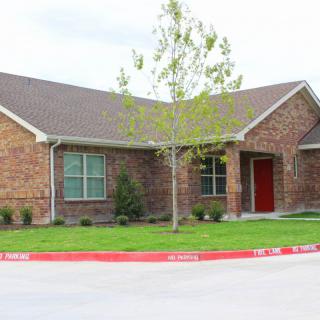
Reviewers often emphasize that the facility is clean and well maintained, with rooms and public areas described as spotless. Many also compare the setting to a home rather than an institutional building, pointing to residential layouts and common areas that support day-to-day comfort. Several accounts also mention the outdoor environment, like gardens, porches, and walking paths, as part of what helps residents stay engaged.
caveat1 reviews mention this
Cost concerns tied to care
One review questions whether the monthly cost matches the level of hands-on help provided.
A minority of feedback raises a direct concern about value, arguing that high pricing did not align with the care experience they expected. This review specifically describes staffing and assistance problems during mealtimes and personal care tasks, and it also mentions dissatisfaction with how responsibilities were divided. The rest of the reviews are far more positive, but this is the clearest cost-to-care mismatch reported.
How we summarize
Counts show how many written reviews mention each theme; a review can touch several themes, and only frequently mentioned themes are displayed.
Teresa's House I is located at 6511 Collin-Mckinney Parkway, Mckinney, TX 75070 in Collin County, Texas
Nearby Communities
Teresa's House II
Mckinney, TX
4.8 from 62 reviews
24/7 supervision and ADL support with healthcare coordination; diabetes-friendly meals and transportation.
Teresa’s House Craig Ranch
McKinney, TX
4.8 from 62 reviews
$3,750 to $7,500 / month
Memory-care focused with medication management and engaging activities.
Teresa's House III
Mckinney, TX
4.8 from 62 reviews
Fully furnished with 24-hour supervision, dietary accommodations, housekeeping, move-in coordination, and activities.
Hidden Springs Of Mc Kinney
Mc Kinney, TX
4.6 from 86 reviews
Modern, welcoming campus with restaurant-style dining, indoor heated pool, and on-site care options.
Avalon Memory Care I
Mckinney, TX
5 from 9 reviews
Small memory-care community with private furnished apartments, 24/7 supervision, and comprehensive care (ADL assistance, medication management, health care coordination) plus transportation for appointments.
Avalon Memory Care - McKinney Ranch Parkway
McKinney, TX
4.2 from 40 reviews
$4,875 to $6,475 / month
Caring, attentive staff in a clean, modern facility with engaging meals.
Legend of McKinney
McKinney, TX
4.7 from 99 reviews
$4,710 to $6,925 / month
Caring staff, tasty meals, and a warm, homelike atmosphere with engaging activities.
Emerald Cottages of Stonebridge
McKinney, TX
4.8 from 17 reviews
$3,300 / month
Home-like cottages with attentive staff and an active social life.
The Heritage at Twin Creeks
Allen, TX
4.5 from 135 reviews
$4,175 to $5,875 / month
Friendly staff, engaging activities, and a clean, welcoming environment.
Vibrant Senior Living emphasizes active senior living communities that promote independence and engagement through diverse amenities and activities, fostering wellness and social interaction among older adults. These communities range from independent to assisted living, with a focus on personal growth, family involvement, financial planning, and leveraging technology to enhance residents' experiences.
Transitioning from assisted living to memory care is driven by an individual's cognitive decline and specific needs, requiring careful evaluation of indicators like increased confusion and wandering. The process involves consulting medical professionals, researching suitable communities, considering financial and legal aspects, and ensuring effective communication for personalized care plans.
Assisted living provides moderate support for seniors seeking independence, while memory care offers specialized support for individuals with dementia or cognitive impairments through structured routines and trained staff. Key differences include care approaches, environment security measures, staff training levels, activity types, and cost considerations.
Get PricingAsk A QuestionSchedule A TourContact Senior Advisor
By clicking submit, you agree to our Partner's Terms of Use. You
also consent to receive calls and texts, which may be autodialed, from our Partner. Your consent is not a condition to
using our Partner's service. Please visit our Partner's Privacy Policy for information about their privacy practices.



 16 resident community capacity
 Assisted Living
 Cable or satellite TV
 Dining room
 Fully furnished
 Garden
 Housekeeping services
 Move-in coordination
 Outdoor space
 Telephone
 Wi-Fi/high-speed internet available
 Dallas Love (22 miles away)
 24-hour supervision
 Activities of daily living assistance
 Assistance with bathing
 Assistance with dressing
 Assistance with transfers
 Diabetes diet
 Meal preparation and service
 Medication management
 Special dietary restrictions
 Transportation arrangement (medical)
 Transportation to doctors appointments
 24/7 supervision and ADL support with healthcare coordination; diabetes-friendly meals and transportation.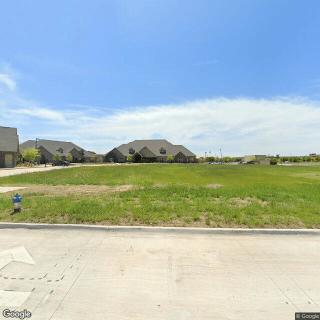






 Vibrant Senior Living: A Comprehensive Guide for Active Older Adults
 When to Transition from Assisted Living to Memory Care: Key Indicators, Steps, and Finding the Right Community
 Assisted Living and Memory Care: Understanding Their Core Differences