
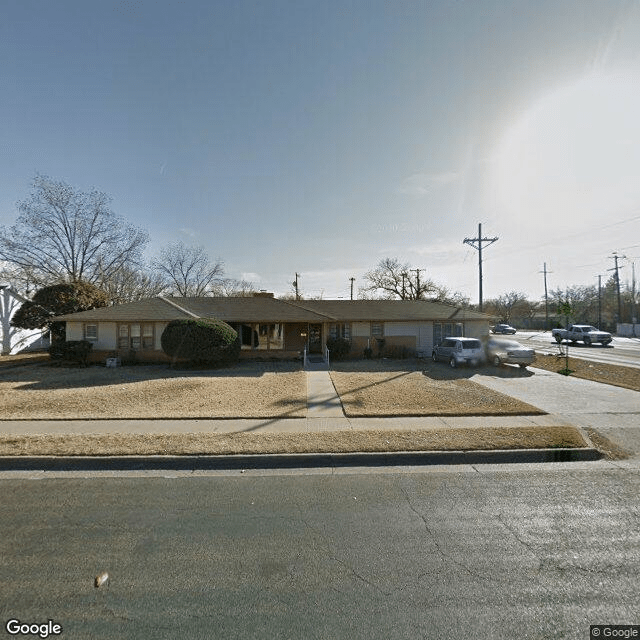
3319 35th St, Lubbock, TX 79413
To contact a resident: (806) 784-0033
For more information about senior living options: (866) 208-4318
Overall Review of Phoenix House
Pros
 The exterior is well tended, signaling quality care.
- The interior rooms are lovely and designed with senior access in mind.
- The facility offers many events and socials for residents.
- Residents are treated to invigorating and stimulating outings in and around the area.
- The dining areas feature nice furnishings and home-style, healthful meals that meet dietary needs.
- Residents may place special meal requests, and snacks are available continuously.
- Guests are encouraged to visit, and many community members regularly entertain and socialize with residents.
- They provide individualized service plans for each resident, including exercise and assistance with ambulation and personal care, keeping residents first.
Review
Phoenix House in Lubbock is best suited for seniors who want to stay active and socially engaged while receiving individualized assistance for daily living. The community clearly targets residents who value a lively calendar of events, regular outings, and a resident-first approach to care. For families evaluating care for a relative who thrives on interaction, enrichment activities, and easy guest access, this facility offers a compelling mix: pleasant common spaces, home-like dining, and a caregiving staff that emphasizes personal attention and dignity. In short, it is a strong match for someone who prizes companionship, structured programming, and a hospitality-minded atmosphere alongside practical support with ambulation and personal care.
Those who may want to consider alternatives are primarily families prioritizing cost transparency, medical intensity, or a quieter pace. If budget constraints are tight or if a relative needs highly specialized memory care or more clinical oversight, other communities may better align with those needs. A facility with a stronger emphasis on rigid medical management or a more subdued daily rhythm could suit different personalities or clinical profiles. Additionally, prospective residents who prefer a smaller footprint or a more intimate environment might find larger, activity-rich settings less to their taste. The limited number of reviews means families should corroborate with a tour and current residents’ experiences before deciding.
The strongest pros center on atmosphere and daily life that feel designed around the resident. Exterior and interior spaces read as well kept and welcoming, with rooms and common areas that accommodate mobility and easy navigation. The abundance of events and social programming translates into tangible benefits: opportunities to socialize, exercise in guided formats, and participate in outings that keep routine from growing stale. Dining stands out as a genuine strength, home-style meals prepared with attention to nutrition and individual dietary needs, plus the option for special requests and continuous snack availability. Combined with open guest visitation and a culture of resident interaction, these elements create a living environment that can lessen isolation and promote ongoing engagement.
Another major advantage is the personalized care model. Each resident receives an individualized service plan that includes exercise routines and assistance with ambulation and personal care as needed. This level of tailoring matters because it aligns activity and assistance with the resident’s goals and preferences, rather than applying a one-size-fits-all approach. The staff’s described temperament, caring, kind, and dedicated, complements the programmatic strengths, making it more plausible that the daily routines are consistently executed with warmth and attentiveness. In practical terms, families can expect caregivers who know residents by name, adjust routines as abilities evolve, and integrate social and physical activities into a coherent daily life.
Despite the positive picture, the data set is modest: three reviews create a narrow evidentiary base. No explicit red flags emerge, but the small sample means potential family buyers should verify current staffing levels, programming breadth, and real-time availability. The absence of stated drawbacks in the reviews isn’t a reason to relax diligence; it simply underscores the need for an in-person visit, current resident references, and a hands-on review of service plans. In this context, the favorable indicators, clean, accessible spaces, robust activity options, and personalized care, are credible signals, not guarantees, of a consistently strong resident experience.
In sum, Phoenix House targets active, socially oriented seniors who want comprehensive, individualized support without sacrificing a welcoming, home-like ambiance. It is a particularly good fit for families seeking a living environment that nourishes social connectedness while delivering practical assistance with mobility and personal care. Alternatives should be considered for those prioritizing cost, medical intensity, or a quieter tempo. A diligent tour, review of the latest care plans, and a candid talk with staff will reveal whether this community’s strengths translate into the right fit for a given senior’s priorities and family expectations.
 10 resident community capacity
 Assisted Living
 Board and Care Home
 Cable or satellite TV
 Dining room
 Fully furnished
 Garden
 Housekeeping services
 Move-in coordination
 Outdoor space
 Telephone
 Wi-Fi/high-speed internet available
 Lubbock International (8 miles away)
 24-hour supervision
 Activities of daily living assistance
 Assistance with bathing
 Assistance with dressing
 Assistance with transfers
 Diabetes diet
 Meal preparation and service
 Medication management
 Special dietary restrictions
 Transportation arrangement (medical)
 Transportation to doctors appointments




 Comprehensive Supportive Living Arrangements for Adults with Disabilities
 Funding and Affording Assisted Living: A Thorough Overview
 Assisted Living Expenses and Long-Term Care Insurance: A Comprehensive Exploration