

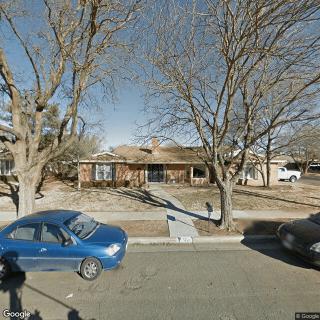
5145 69th St., Lubbock, TX 79424
To contact a resident: (239) 594-3250
For more information about senior living options: (866) 208-4318
Overall Review of Best In-Home Care - Lubbock, TX
Pros
 Best In-Home Care is a great community partner for Lubbock and sponsored the Veterans program at the Lubbock Elks Lodge.
 - They are amazing and consistently provide excellent care.
- Their caregivers are knowledgeable, compassionate, and dependable, and the management and ownership are attentive to families' needs.
- Best In-Home Care has taken a huge weight off families, allowing them to be a family again.
- The caregivers are kind, honest, professional, and very knowledgeable, and the ownership and management are professional and helpful.
Cons
 Best In-Home Care sent an inexperienced caregiver who quit after one day.
- The caregiver was not trained for the type of care the mom needed.
- The agency was aware of the required care at admission yet did not ensure proper staffing.
- A caregiver they sent frequently called in sick or arrived hours late, with no consequences.
- The agency was rarely able to replace that caregiver, forcing relatives to rush to the mom’s house to provide care and rush back to work.
Review
Best In-Home Care in Lubbock, TX is best suited for families that want to keep an aging loved one at home while relying on a steady, compassionate caregiver network and a management team that is responsive to family needs. The arrangement works best when one-on-one attention, predictable weekday scheduling, and caregivers who respect senior independence are priorities. The agency’s community orientation and positive reception from military families add a layer of confidence for households with veterans or veterans’ families, where service and dignity matter. In short, this option shines for home-based care where staying in familiar surroundings matters and the family is ready to engage with a caregiving network that can adapt to changing needs over time.
Those who should consider alternatives are families that require zero risk of staffing disruption from day one or demand highly specialized medical care beyond routine assistance. The record shows an early misstep: an inexperienced caregiver who quit after a single day, followed by recurring call-outs and limited replacement options for several weeks. If a guaranteed first-day stability, precise caregiver-to-patient matching, or round-the-clock coverage with zero scheduling gaps is non-negotiable, it makes sense to explore providers that promise tighter guarantees, more robust backup plans, or more consistent staffing protocols.
On the upside, the caregivers who remain consistently assigned possess notable strengths: knowledge, compassion, and dependability that families repeatedly highlight as the core of good care. When those qualities are in place, the care becomes profoundly reassuring for families juggling work and home life. Management and ownership emerge as professional and responsive, translating into a support system that relieves families from the day-to-day burden of caregiving. This combination, skilled, empathetic hands paired with attentive leadership, creates a high-quality care backdrop that supports both the senior and the family.
The downside is real and specific: early instability in staffing can erode trust and complicate logistics. The experience of scrambling to fill care gaps can be stressful for working relatives and for those who depend on consistent routines. Yet the experience also demonstrates a compelling truth: once a dependable caregiver is established, the service quality rises markedly. Prospective clients should weigh the likelihood of initial disruption against the potential for long-term, dependable care, and plan accordingly with a clear, communicated care plan and backup arrangements.
Practically, the decision hinges on aligning values with needs. This agency presents a strong case for households prioritizing comfort, continuity, and a personable, professional caregiver network backed by hands-on management. The veteran-friendly emphasis is a meaningful differentiator for families with service members, signaling a respectful, disciplined care approach. However, families evaluating options should push for explicit guarantees, such as a dedicated caregiver assignment, defined backup coverage, and a documented transition plan, so the risk of early gaps is minimized.
Bottom line: Best In-Home Care can be a practical, value‑driven choice for home-based senior care when the priority is compassionate, capable caregiving backed by responsive leadership. To maximize success, require a written plan with a primary caregiver and backups, set clear expectations about substitutions, and consider a short-term trial with defined milestones to confirm consistent performance. For families willing to tolerate an initial hiccup in exchange for long-term continuity and a caregiving team that genuinely understands and respects home life, this provider stands out as a dependable, experienced option.
 Lubbock International (11 miles away)







 A Detailed Examination of Nursing Home Costs Across the U.S.
 Exploring Nonmedical Home Care: Understanding Services, Costs, and Financial Approaches
 Engaging Brain Games and Innovative Apps to Keep Senior Minds Active