
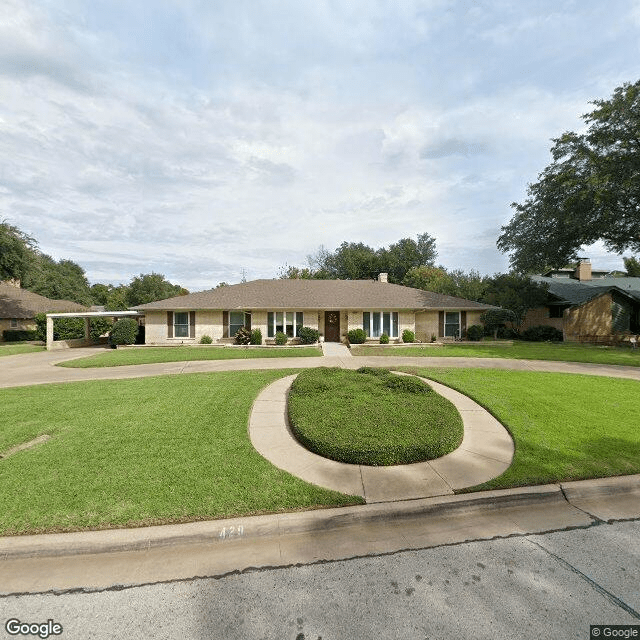
429 Frankie Lane, Lewisville, TX 75057
For more information about senior living options: (866) 208-4318
Frankie Lane Costs & Pricing
At Frankie Lane, the monthly costs for care reflect a competitive pricing structure compared to both Denton County and the broader Texas market. For semi-private rooms, residents can expect to pay $3,400, which is notably lower than the county average of $3,871 and offers substantial savings when compared to the state average of $3,680. Similarly, in terms of private accommodations, Frankie Lane's fee of $4,200 aligns closely with local and state figures, coming in slightly above Denton County's rate of $4,161 but still competitively positioned against Texas's average of $4,096. Overall, Frankie Lane presents an appealing option for those seeking quality care without straining their budgets.
| Floor plans | Frankie Lane | Denton County | Texas |
|---|---|---|---|
| Semi-Private | $3,400 | $3,871 | $3,680 |
| Private | $4,200 | $4,161 | $4,096 |
Assisted Living communities with a similar price nearby
-
from +$400 / mo
Silver Oaks Residential Assisted Living
$3,800 / month9.6 miles away -
from +$600 / mo

A Caring Home with Friends
$4,000 to $4,250 / month9.4 miles away -
About the same
Sparks Assisted Living
$3,350 to $4,250 / month24.5 miles away -
About the same
Locardia Homecare Living
$3,500 to $4,500 / month16.2 miles away -
from -$400 / mo
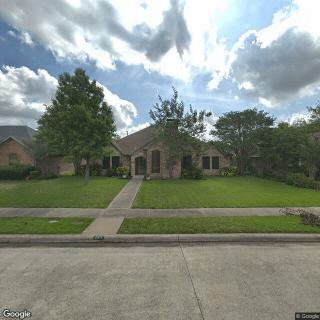
My Family Care Home I
$3,000 to $3,500 / month10.7 miles away
Overall Review of Frankie Lane
Pros
 The sister is content with this community.
- They offer activities for those who want to participate.
- The food is good and offers variety for everyone.
- The staff are very friendly and helpful.
- Connie and her staff are amazing.
- Milestone Ridge and Frankie Lane are recommended as good value and nice places for an elderly relative who can no longer live alone.
- Her mother enjoyed living in a regular nice neighborhood in a nice family home environment.
Cons
 The facility is licensed for assisted care and not for memory care, which could be insufficient for residents who require memory support.
- The premises are not locked, raising safety concerns for residents who may wander.
Review
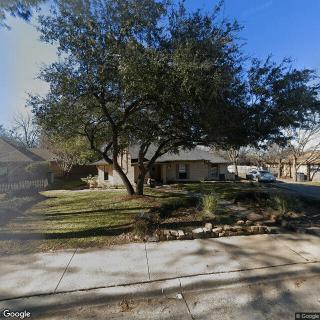
Frankie Lane in Lewisville, TX, is best suited for families seeking a small, home-like assisted-living option where care feels personal, predictable, and directly managed by a family-run team. This community works well for seniors who prefer a neighborhood-feel over a campus atmosphere, where staff can provide steady daily support, routine medication monitoring, and straightforward meals without the bustle of a large facility. It fits residents who do not require locked memory-care services and who can thrive with inside-the-home pace, reliable oversight, and a sense that residents are cared for by people who treat family members with attention and respect. In short, Frankie Lane serves well as a practical, down-to-earth choice for those prioritizing warmth and reliability over breadth of services.
Pros are most salient in how the operation translates into daily living. The staff comes across as friendly and helpful, delivering attentive, approachable care that makes family members feel confident about a loved one’s well-being. The environment is described as clean and nicely maintained, with a homey, neighborhood vibe that supports regular meals and medication monitoring. Activities are available for those who want to participate, and the overall tone is one of understated quality rather than flashy amenities. The enterprise is clearly built around Connie and her husband Glenn’s leadership, which many families view as a stabilizing, value-driven approach that emphasizes dependable oversight over production-line programming.
The primary caveat centers on memory-care capacity and wander risk. Frankie Lane is licensed for assisted living, not memory care, and it can take memory-impaired residents only if wandering is not an issue and if the home’s policies permit it. The absence of a locked-environment option means families must carefully assess whether a loved one with dementia or significant memory challenges can be safely managed there. For households facing progression of cognitive impairment or requiring secure memory-care space, alternatives with dedicated memory-wing options, locked units, or larger campuses may be more appropriate. This is a meaningful constraint to weigh against the otherwise consistent daily care.
Still, the favorable elements offset the headwinds for many potential residents. The home-like setting, coupled with reliable medication oversight and a predictable routine, can deliver a high degree of peace of mind when ongoing supervision is paramount. The intimate scale of Frankie Lane often translates into quicker responsiveness, stronger continuity of care, and a more personalized relationship between staff and residents than larger facilities can offer. For seniors who value dignity, familiar surroundings, and straightforward services, the advantages can far outweigh the limitations, especially when a caregiver-focused model aligns with family expectations for daily life and safety.
When evaluating Frankie Lane, families should weigh value against expectations and local alternatives. Several reviews reference “nice value” and emphasis on healthy meals, which translates into tangible quality-of-life benefits for residents who appreciate reliable nutrition and simple routines. Yet the same framework may reveal trade-offs: fewer on-site specialists, more limited programming variety, and the absence of dementia-focused resources that larger, memory-care facilities routinely provide. The family-operator model is a double-edged sword, trustworthy and accountable, but potentially slower to scale or adapt to rapid medical changes. Prospective residents should visit, talk candidly with Connie and Glenn, and observe caregiver interactions to ensure the fit aligns with individual care priorities.
Ultimately, Frankie Lane is a practical, confident recommendation for families prioritized by a home-based, value-driven approach to assisted living. It delivers dependable daily structure, warm staff engagement, and clean, comfortable surroundings that feel like a true alternative to a private home without the full weight of contemporary, memory-care campuses. For those requiring secured memory care or highly specialized dementia programming, or for families seeking a larger, more resource-rich campus environment, exploring other options is prudent. In the right match, where comfort with a smaller, family-run operation and a non-locked setting outweighs the need for advanced memory-care features, Frankie Lane stands out as a solid, grounded choice that keeps loved ones safe, engaged, and well cared for.
 12 resident community capacity
 Assisted Living
 Board and Care Home
 Respite Care
 Cable or satellite TV
 Dining room
 Fully furnished
 Garden
 Housekeeping services
 Move-in coordination
 Outdoor space
 Private
 Private bathrooms
 Telephone
 Wi-Fi/high-speed internet available
 Dallas-Fort Worth International (12 miles away)
 24-hour supervision
 Activities of daily living assistance
 Ambulatory care
 Assistance with bathing
 Assistance with dressing
 Assistance with transfers
 Diabetes diet
 Diabetic care
 High acuity care
 Meal preparation and service
 Medication management
 Special dietary restrictions
 Transportation arrangement (medical)
 Transportation to doctors appointments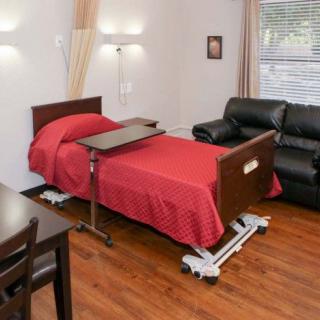

 Assisted Living Support for Veterans: A Complete and Detailed Overview
 Exploring the Contrasts Between Assisted Living and Skilled Nursing
 8 Key Indicators That Suggest It May Be Time to Transition from Assisted Living to Skilled Nursing Care