Treemont Retirement Community offers competitive pricing in comparison to both Harris County and the broader Texas region. For a one-bedroom unit, residents at Treemont can expect to pay $1,860 per month, significantly lower than the county's average of $4,027 and the state average of $3,761. Similarly, for two-bedroom accommodations, Treemont's monthly fee of $2,450 is quite appealing when juxtaposed with the higher local rate of $4,574 and a state average of $4,215. These cost-effective options make Treemont an attractive choice for those seeking quality retirement living without overstretching their budgets.
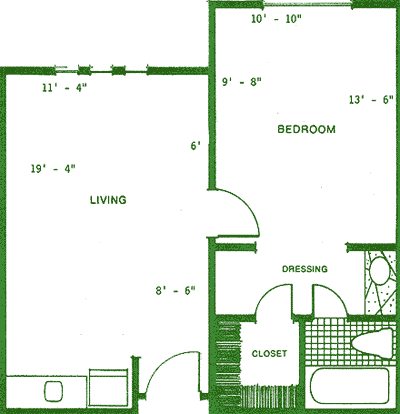
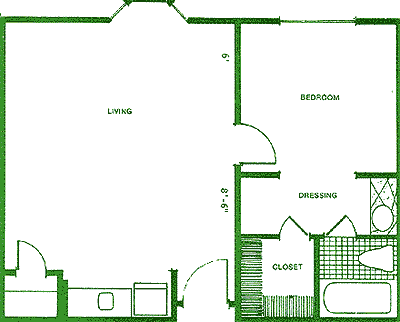
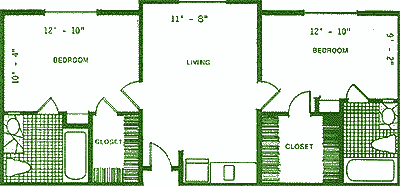
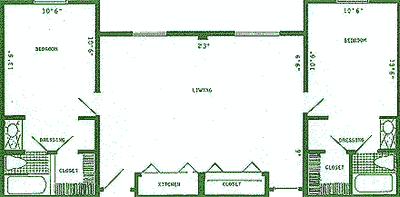
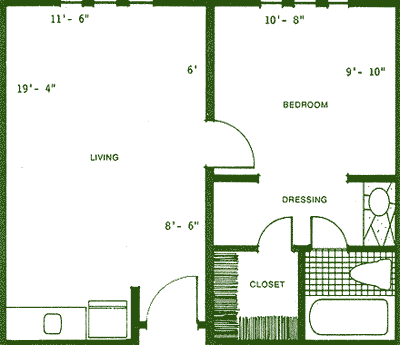
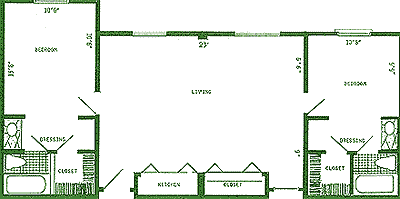
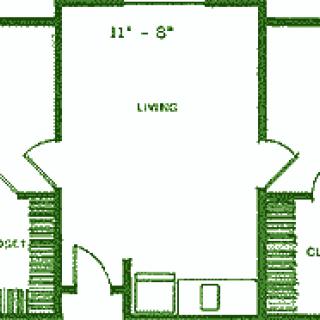
Floor plans
Treemont Retirement Community
Harris County
Texas
1 Bedroom
$1,860
$4,027
$3,761
2 Bedrooms
$2,450
$4,574
$4,215
Assisted Living communities with a similar price nearby
Residents frequently describe staff who are kind and responsive to requests.
Many residents and families say the staff is friendly and caring, and that they feel supported day to day. Several reviews mention management being responsive when an issue comes up, including maintenance handling problems quickly and office teams being easy to work with. A number of mentions also point to staff helping residents stay safe and informed during severe weather events.
caveat18 reviews mention this
Dining quality is a recurring divide
Dining quality and temperature are recurring points of frustration in reviews.
A sizable group of reviews criticize dining changes, describing food as cold and meals being served in less appealing ways. Some residents mention that hot food stopped being served, while others complain about reduced service or limited access to kitchen options. On the other hand, several reviews say dining is well organized, tasty, and enjoyable—suggesting the experience may vary for different residents and time periods.
caveat16 reviews mention this
Repairs and pest control concerns
Multiple reviews mention persistent maintenance problems and pest issues.
Some residents describe ongoing repair setbacks, including problems with boilers, toilets, and heating or air conditioning in different areas. Several reviews also focus on pests such as roaches and bed bugs, with complaints about how long it took to address infestations and the disruption it caused. A few other reviews describe the property as clean and well kept, but the maintenance and pest themes still appear frequently enough to stand out as a concern.
caveat10 reviews mention this
Security and personal safety worries
Some residents and families express concerns about security and safety.
A number of reviews raise alarm about safety, describing issues such as unsecured entrances, limited staffing at the front desk, and residents feeling unsafe in the surrounding area. Others mention incidents they say occurred on-site, including robbery or violence-related concerns, and describe a lack of communication with families. These concerns are not universal—several reviews also praise the way staff handled safety and information during storms.
common20 reviews mention this
Activities, amenities, and cleanliness
Residents commonly mention activities and well-kept common spaces.
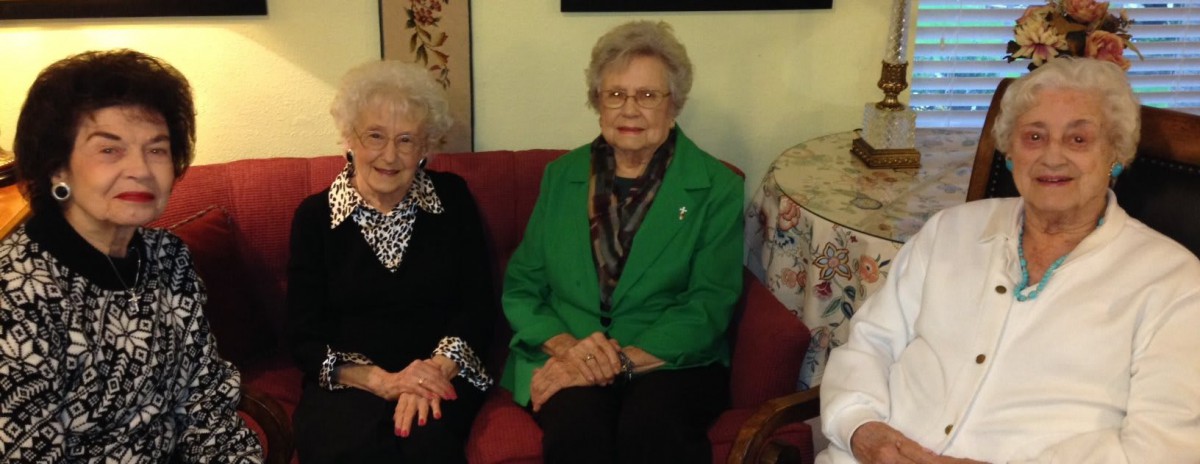
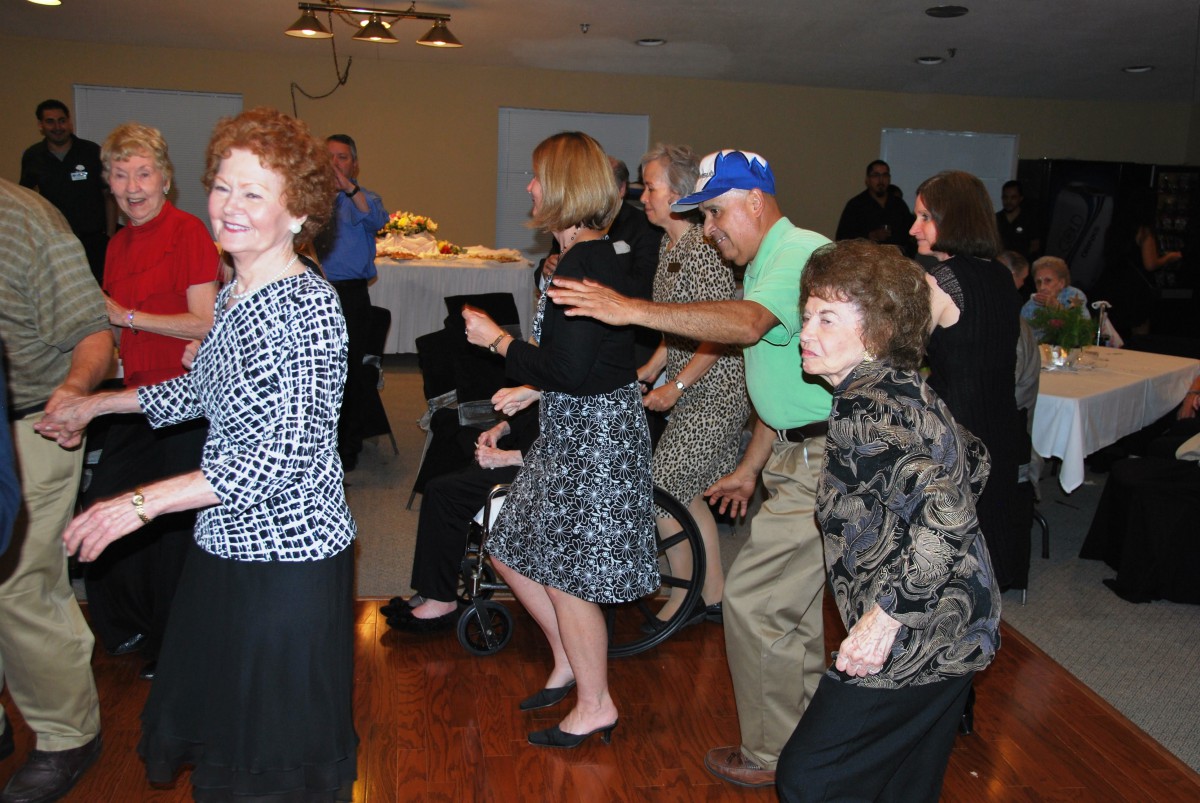
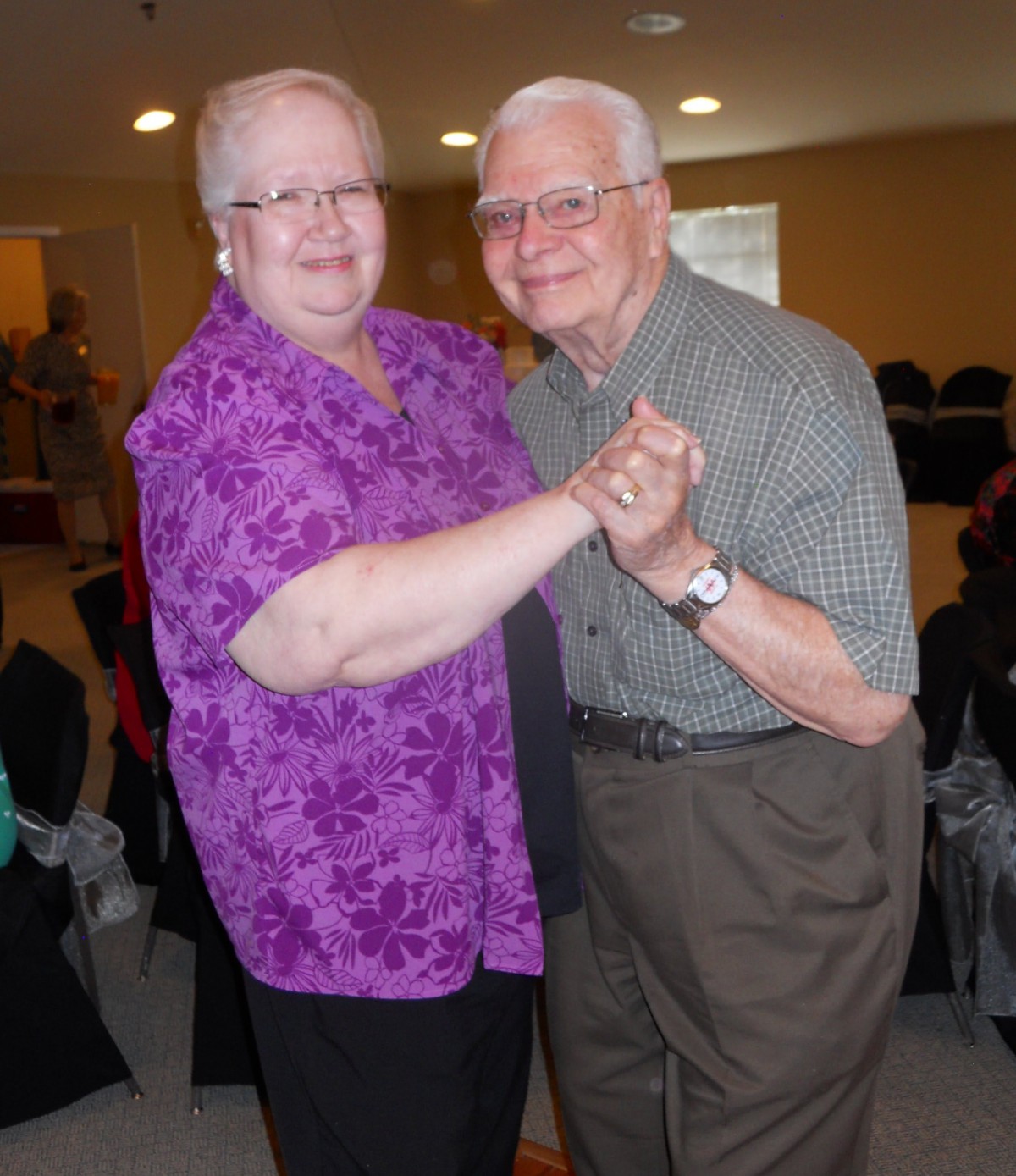
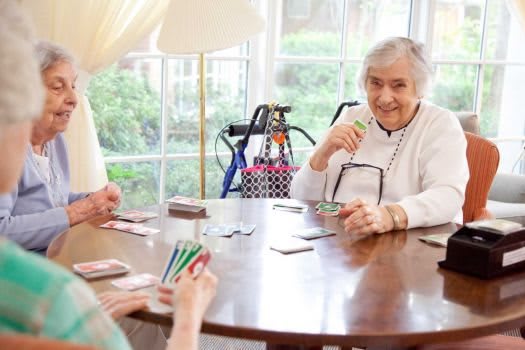
Reviews frequently describe a busy calendar with programs like exercise, bingo, religious services, crafts, games, and outings. Residents also mention facility features such as libraries and common areas, along with a generally clean and orderly environment in many accounts. A few reviews disagree on upkeep or lighting and describe areas as dated or poorly maintained, but the overall activity-and-amenities theme remains strong.
differentiator6 reviews mention this
Pricing is often described as reasonable
Several reviews highlight affordability as a reason families chose Treemont.
Some residents and families say the rent feels reasonable or a better value compared with other options they considered. Others mention that the community remains convenient and offers access to meals and services, which they view as part of the value. Based on listed pricing ranges, the community is priced below county and state benchmarks for both 1-bedroom and 2-bedroom units.
How we summarize
Counts show how many written reviews mention each theme; a review can touch several themes, and only frequently mentioned themes are displayed.
Features
Housing
54 resident community capacity
1-bedroom apartments
2-bedroom apartments
Studio apartments
Types of Care
Assisted Living
Continuing Care Retirement Community (CCRC)
Independent Living
Memory Care
Skilled Nursing Facility
Amenities
Activities off-site
Activities on-site
Air-conditioning
Bath tubs
Beautician on-site
Beauty salon
Cable or satellite TV
Computer center
Devotional services on-site
Dining room
Fitness room
Full kitchen
Fully furnished
Gaming room
Garden
Ground floor units
Handicap accessible
Hiking trails
Housekeeping services
Indoor common areas
Kitchenette
Laundry
Move-in coordination
Outdoor common areas
Outdoor space
Party space
Private bathrooms
Resident parking
Respite or short term stays offered
Restaurant-style dining
Small library
TV room
Telephone
Wellness center
Wheelchair accessible showers
Wi-Fi/high-speed internet available
Transportation
William P X (16 miles away)
George Bush Intercontinental (20 miles away)
Community operated transportation
Transportation & parking
Transportation arrangement
Transportation arrangement (non-medical)
Transportation to doctors appointments
Care Services
12-16 hour nursing
24-hour call system
24-hour supervision
Activities of daily living assistance
Ambulatory care
Assistance with bathing
Assistance with dressing
Assistance with transfers
Blood work
Diabetes diet
Incontinence care
Meal preparation and service
Medication management
Mental wellness program
Physical therapy
Special dietary restrictions
Dining
Diabetes diet
Guest meals
Low / no sodium
Meals provided
No Sugar
Professional chef
Room service
Special dietary restrictions
Activities
Activities off-site
Art classes
Arts and crafts
Book club
Catholic services
Community-sponsored activities
Concierge services
Cooking classes
Cooking club
Day trips and outings
Devotional activities on-site
Fitness programs
Games
Gardening club
Happy hour
Jewish services
Live dance or theater performances
Live musical performances
Live well programs
Planned day trips
Protestant services
Religious services
Resident-run activities
Scheduled daily activities
Tai Chi
Visiting Rabbi
Visiting chaplain or priest
Yoga / chair yoga
Languages Spoken
English
Videos
Nearby Places of Interest
This area of Houston, Texas, offers a variety of amenities that may appeal to seniors looking for a vibrant community. With several cafes and restaurants within close proximity, there are plenty of options for dining out and socializing. Nearby pharmacies make it convenient to access medication and healthcare services. The presence of reputable physicians and healthcare facilities such as Texas Children's Pediatrics Westchase and Kelsey-Seybold Clinic ensures quality medical care. Additionally, the availability of theaters, places of worship, and parks like Memorial Park Conservancy provide opportunities for entertainment, spiritual fulfillment, and outdoor recreation. Overall, this area offers a well-rounded living environment with easy access to essential services and recreational activities.
Cafes
Starbucks (0.6 miles)
Nara Cafe (0.7 miles)
Panera Bread (1.9 miles)
Starbucks (2 miles)
Cafe Layal (2.2 miles)
85C Bakery Cafe (2.7 miles)
Starbucks (3.1 miles)
Restaurants
Chick-Fil-A (0.8 miles)
Chipotle Mexican Grill (1 miles)
Hadramout Restaurant M (1.2 miles)
McDonald's (1.4 miles)
McDonald's (1.7 miles)
Taco Bell (1.7 miles)
Pappasito's Cantina (1.9 miles)
Physicians
Texas Children's Pediatrics Westchase (1.1 miles)
Kelsey-Seybold Clinic (3.2 miles)
Allergy & ENT Associates: Kancherla Vikas S MD (3.4 miles)
Treemont Retirement Community offers competitive pricing in comparison to both Harris County and the broader Texas region. For a one-bedroom unit, residents at Treemont can expect to pay $1,860 per month, significantly lower than the county's average of $4,027 and the state average of $3,761. Similarly, for two-bedroom accommodations, Treemont's monthly fee of $2,450 is quite appealing when juxtaposed with the higher local rate of $4,574 and a state average of $4,215. These cost-effective options make Treemont an attractive choice for those seeking quality retirement living without overstretching their budgets.
The comprehensive features offered at Treemont Retirement Community are essential in enhancing the quality of life for residents experiencing dementia or Alzheimer's disease. With 24-hour supervision, residents receive constant monitoring and support, ensuring their safety and security at all times. Assistance with activities of daily living, including bathing, dressing, and transfers, helps maintain personal dignity while promoting independence within a supportive environment. Incontinence care is provided with sensitivity and respect, addressing a common challenge without compromising comfort. Meal preparation and service are tailored to meet dietary needs and preferences, fostering nutrition that is vital for overall health. Medication management ensures that residents receive their prescriptions correctly and on time, alleviating concerns about missed doses or confusion. Additionally, a mental wellness program encourages cognitive engagement through stimulating activities designed to improve memory function while physical therapy promotes mobility and strength--both critical in enhancing physical health and preventing deterioration associated with inactivity.
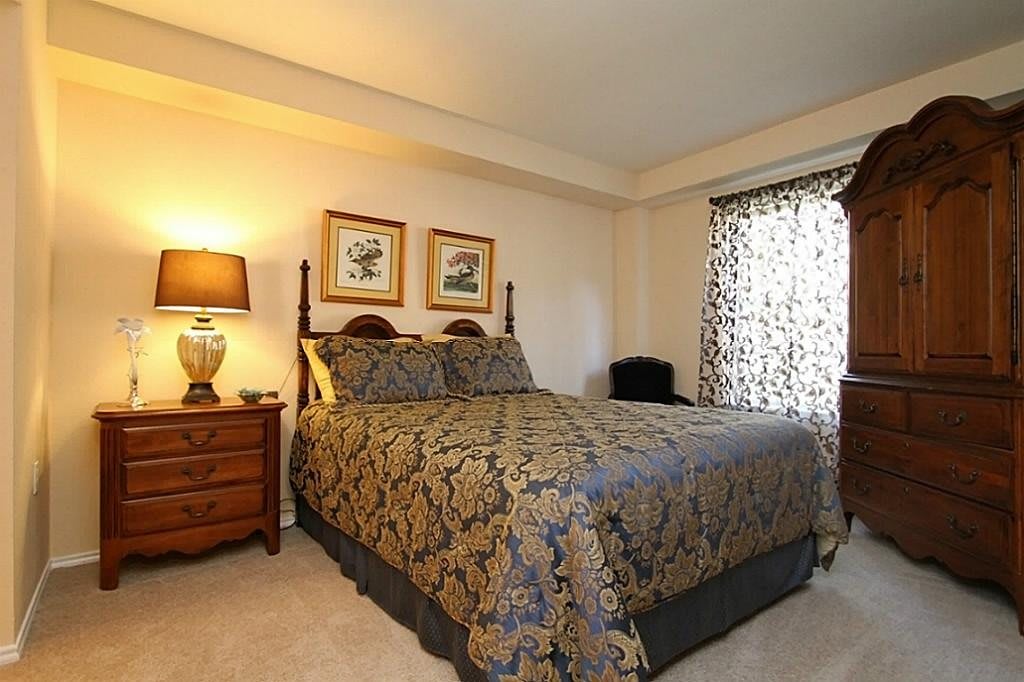
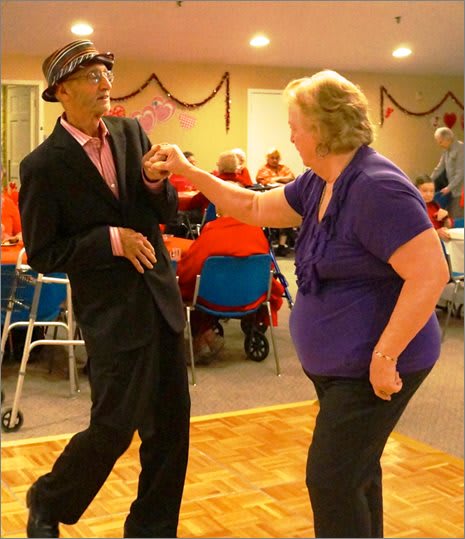
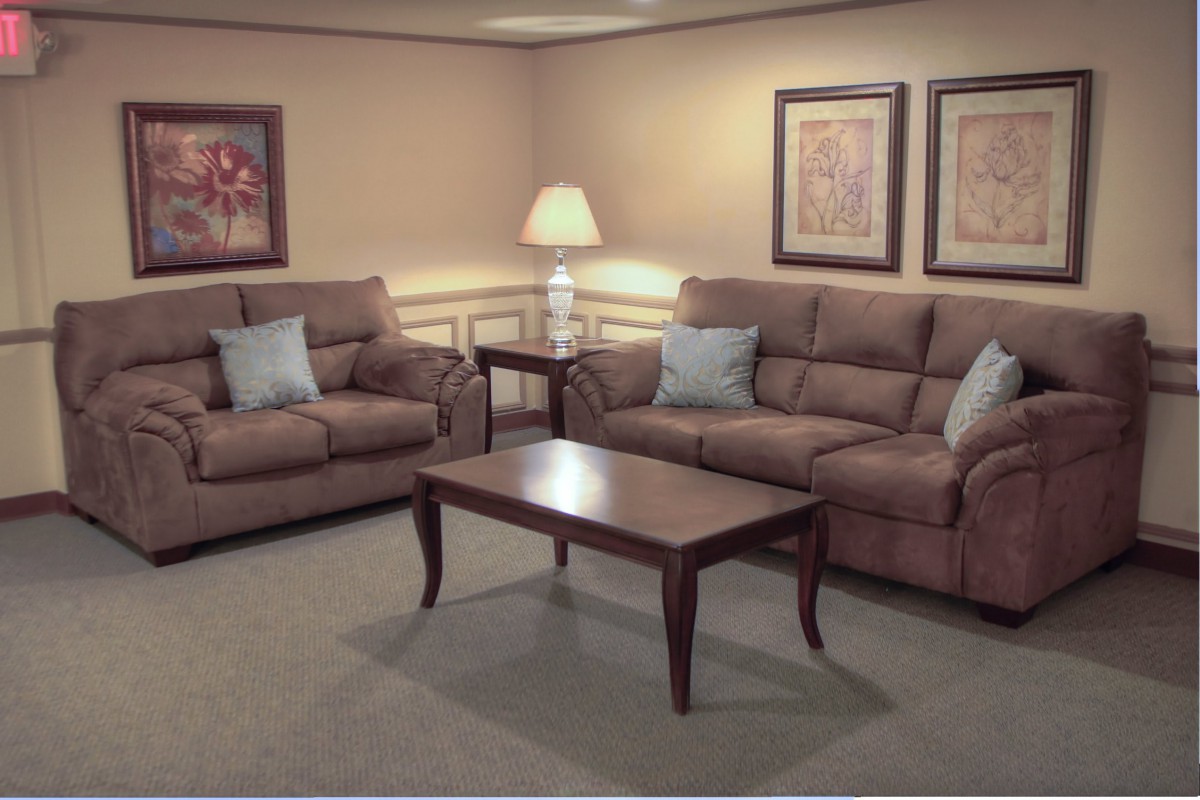
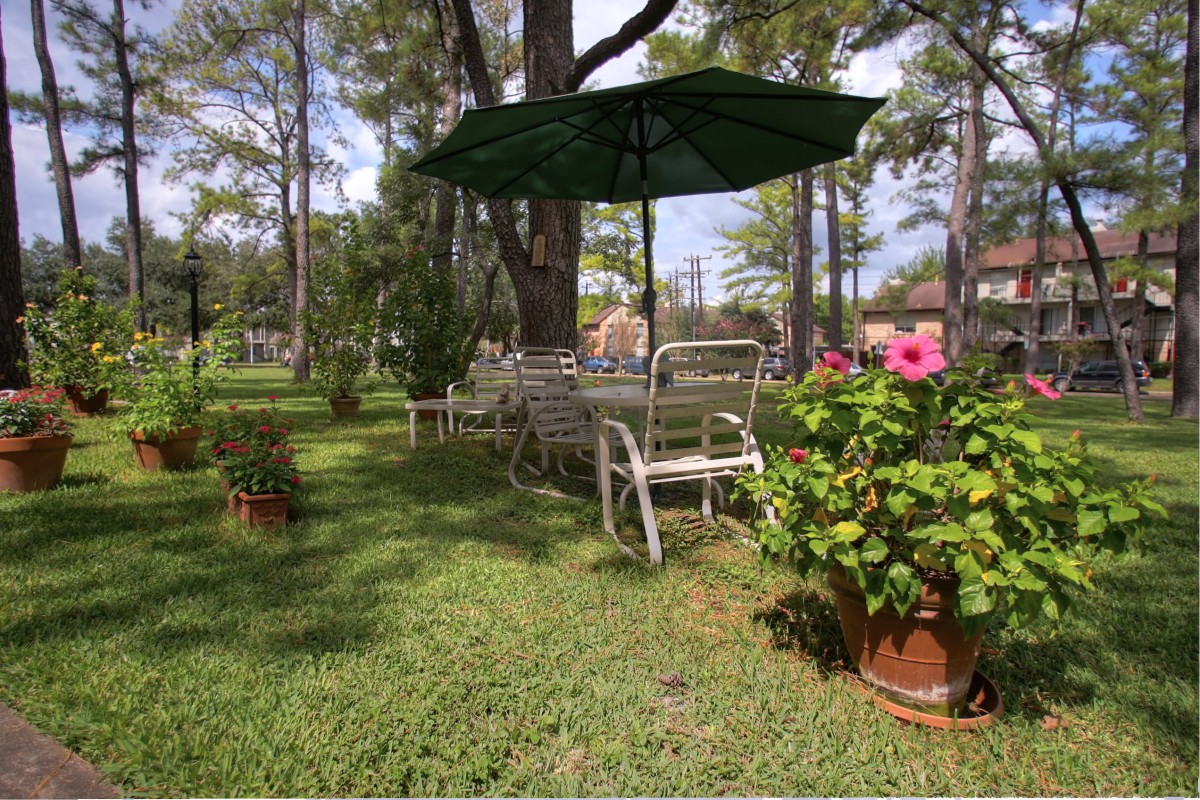
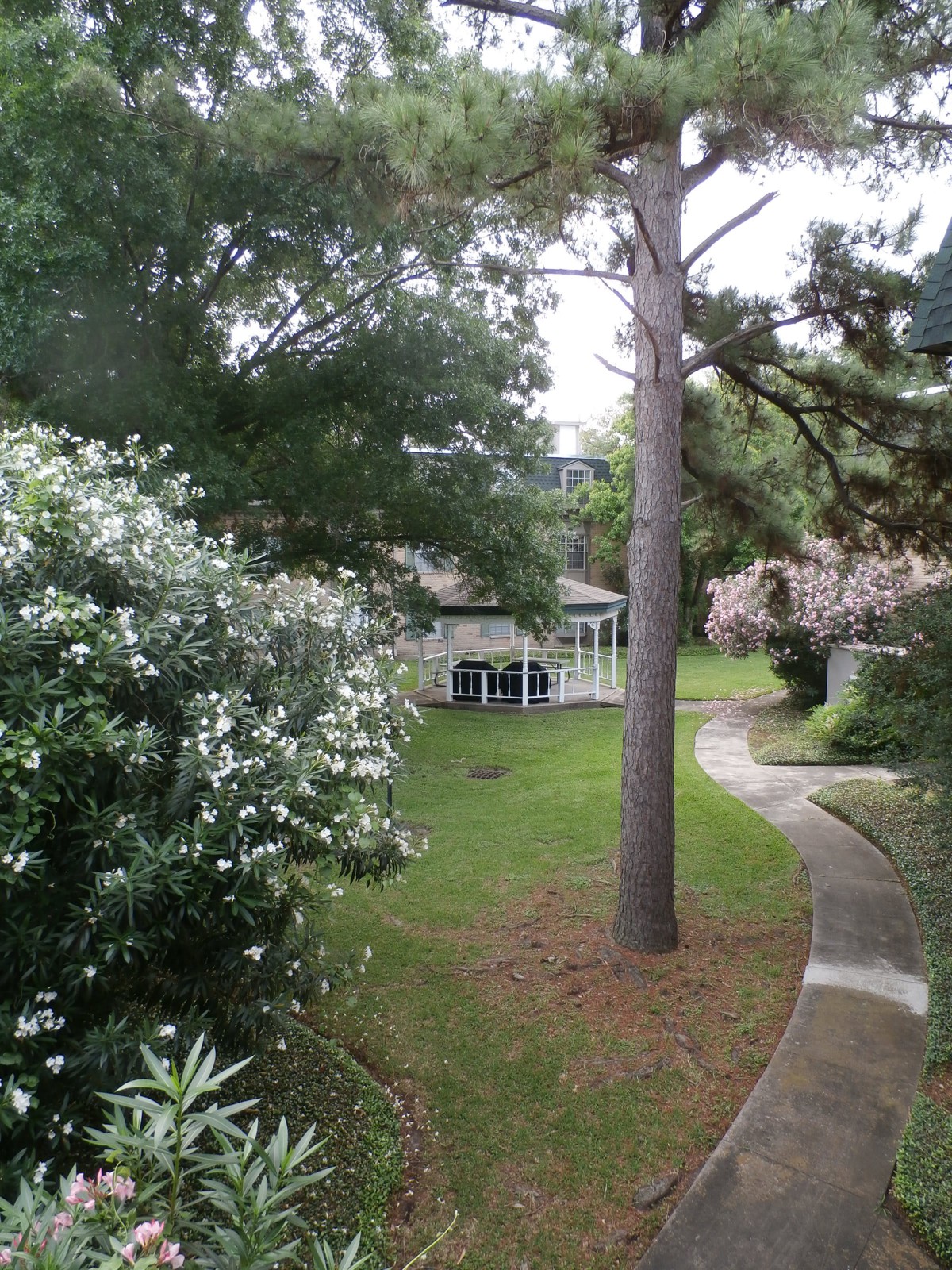
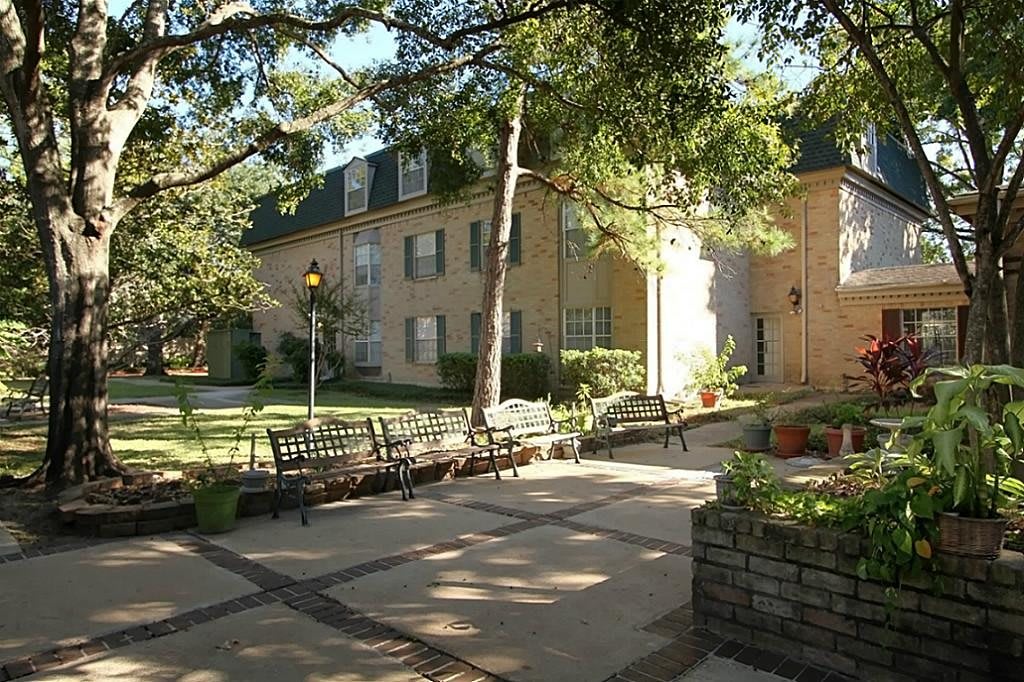
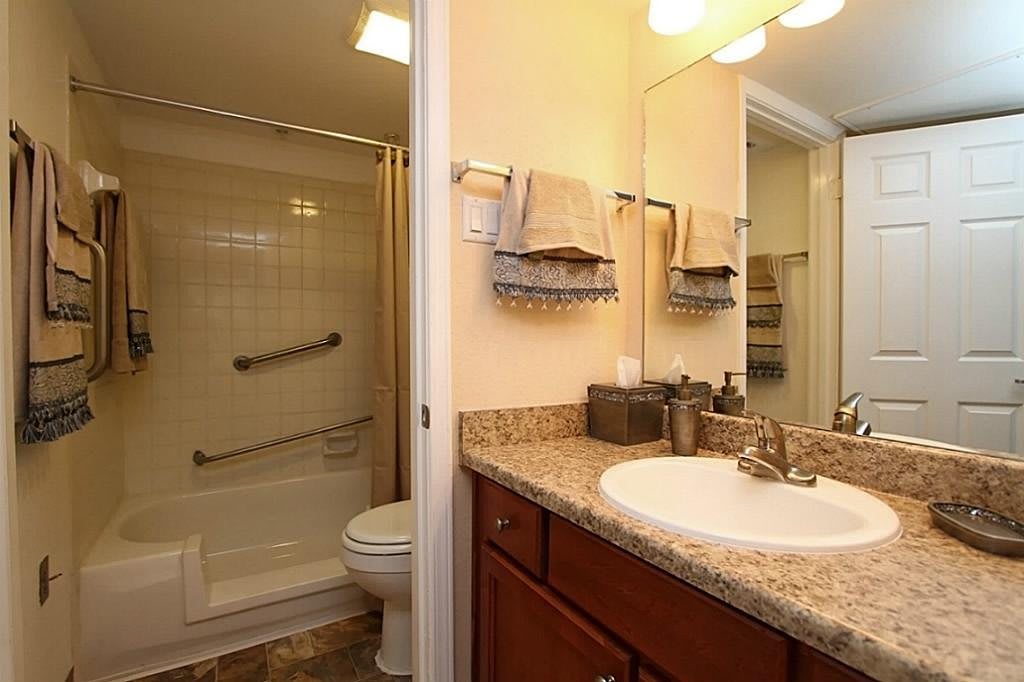
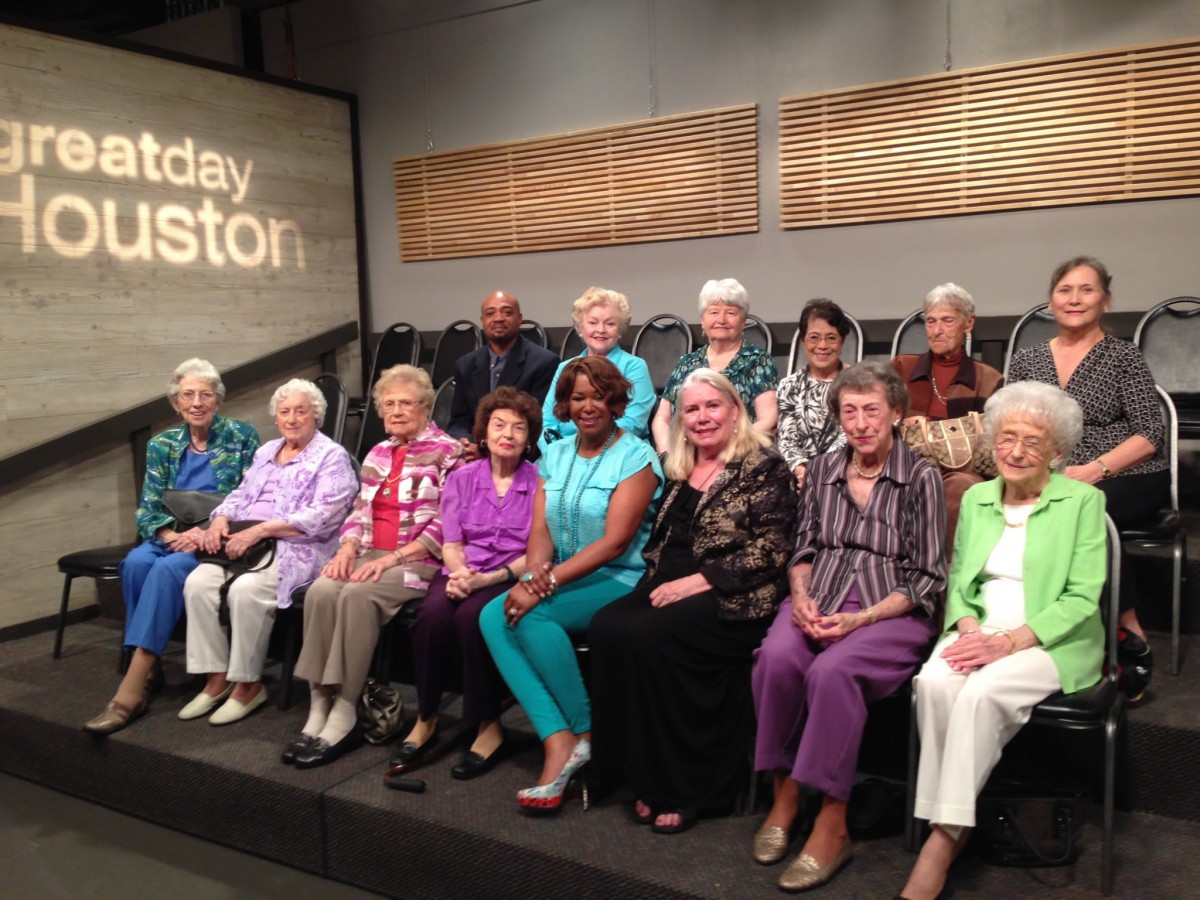
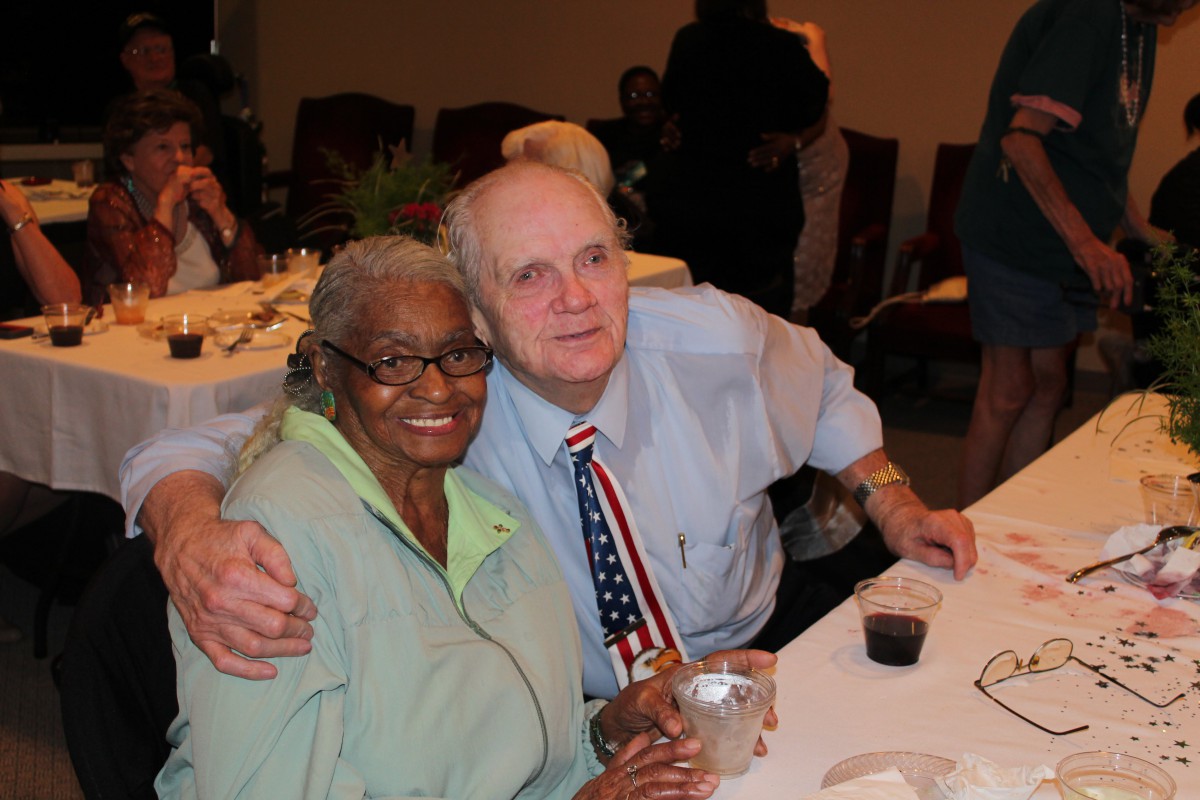
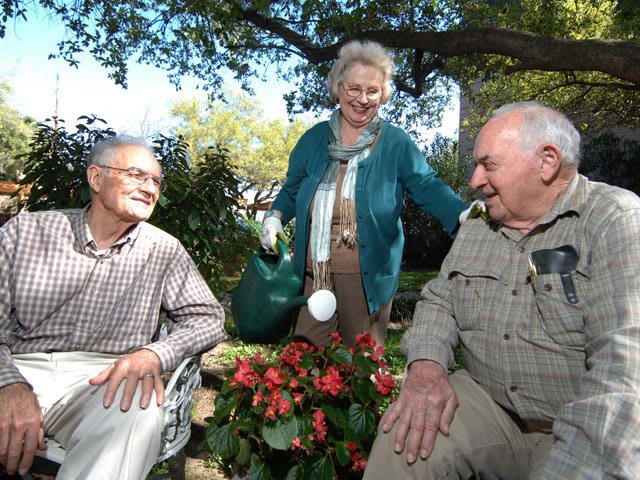
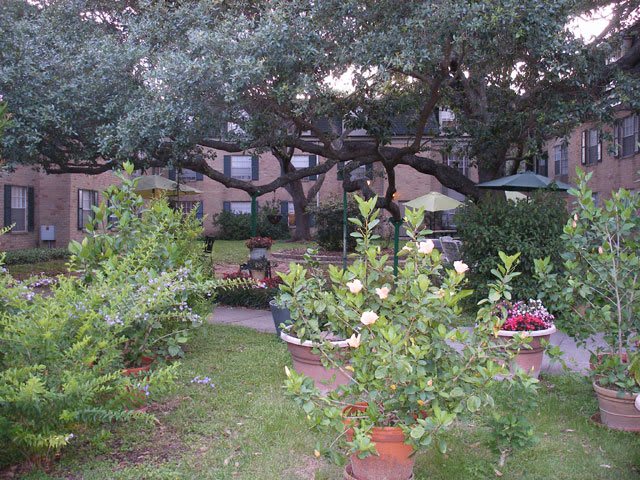
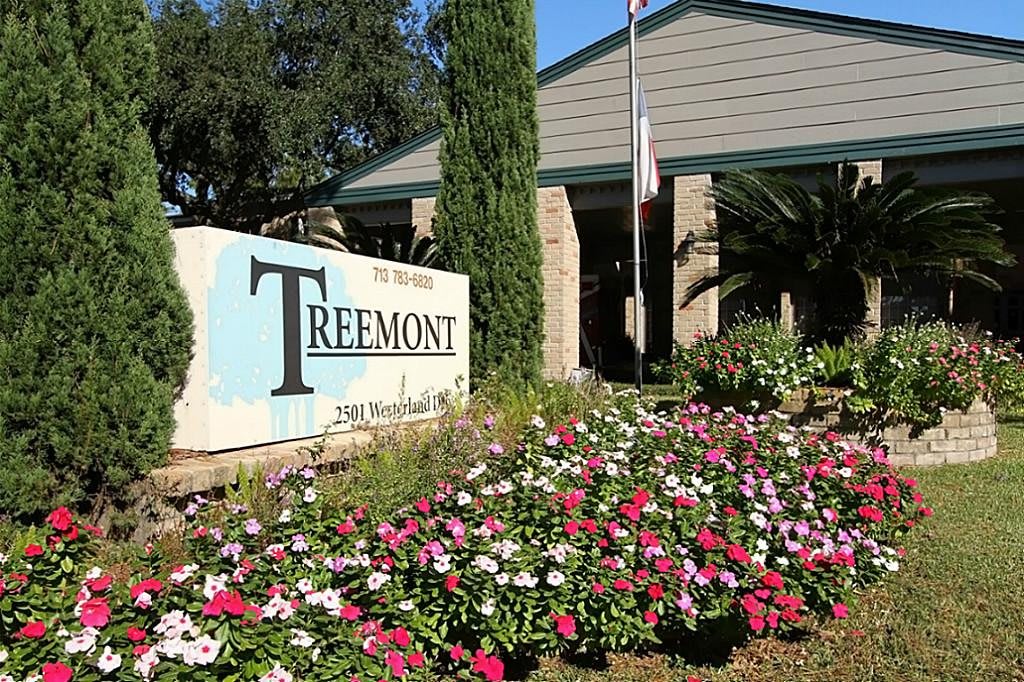
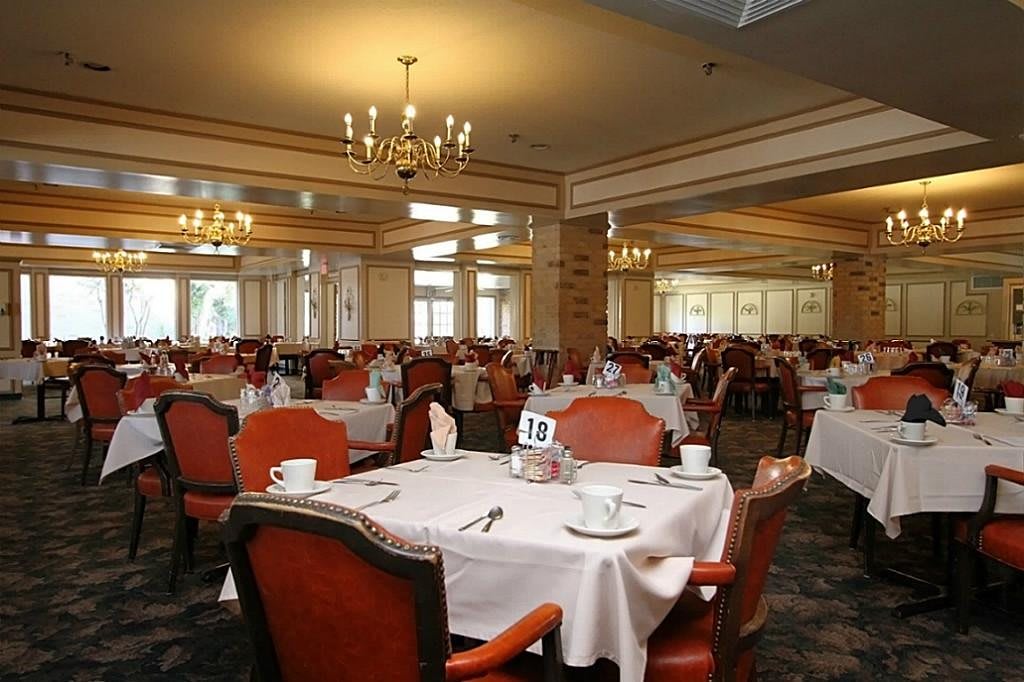
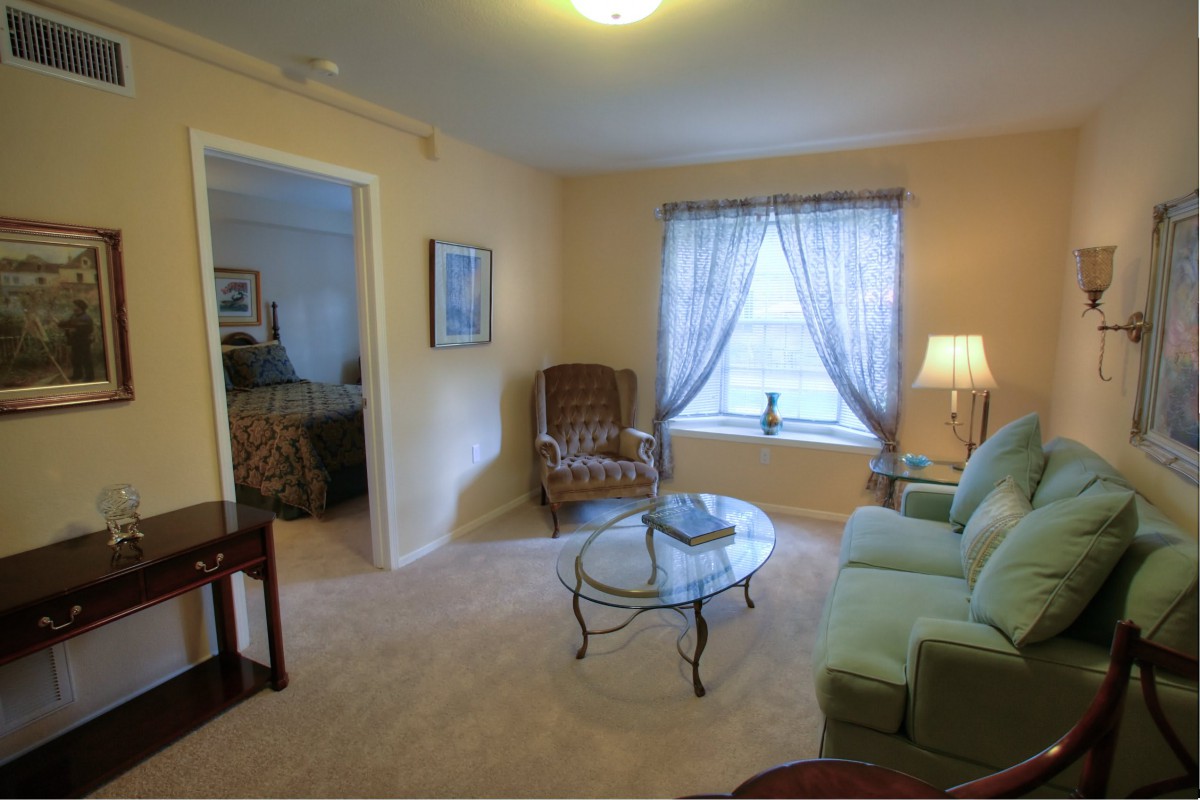
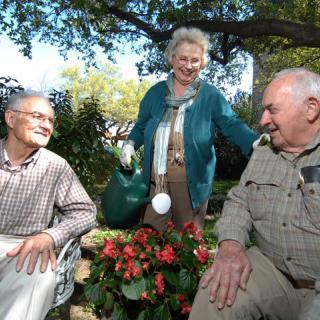
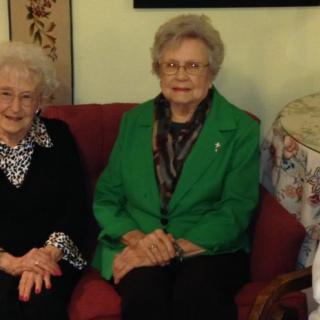
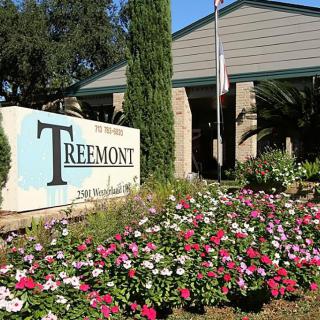
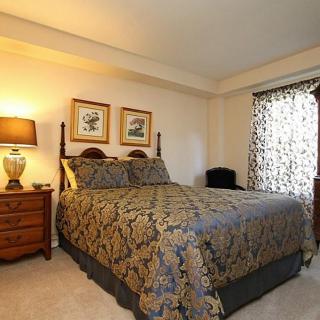
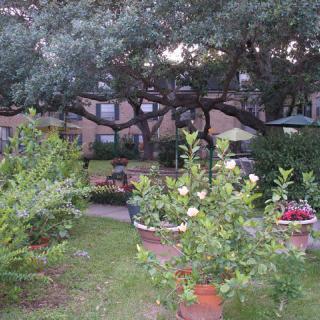
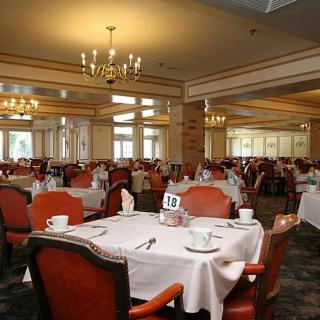
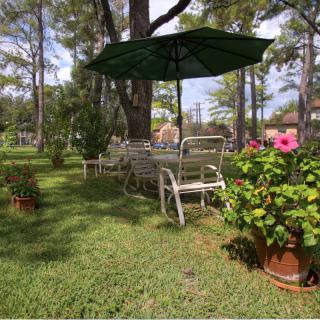
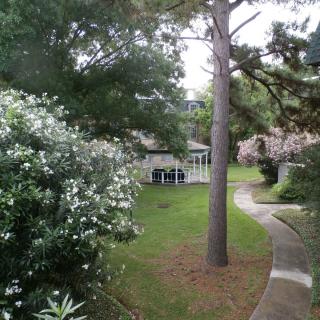
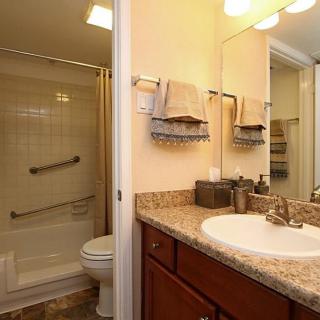
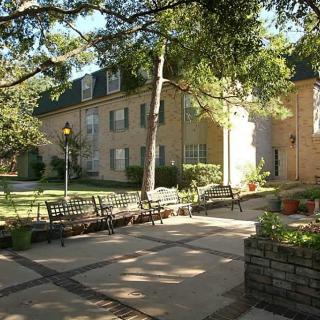
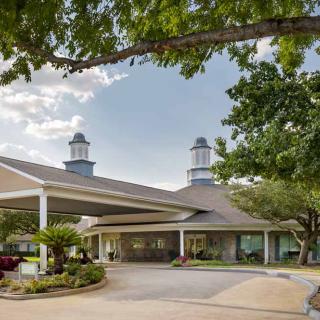
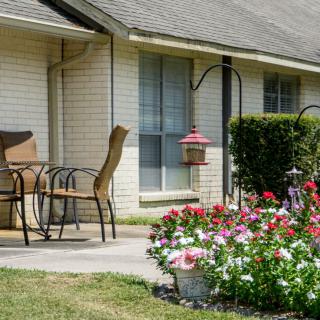
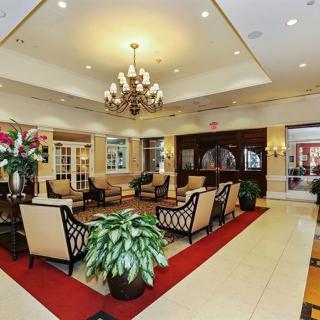
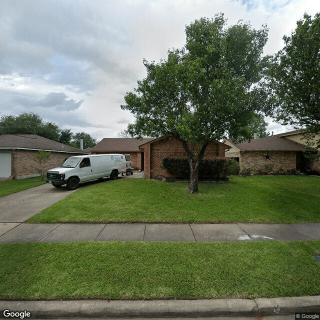
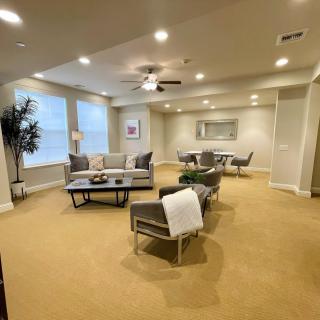
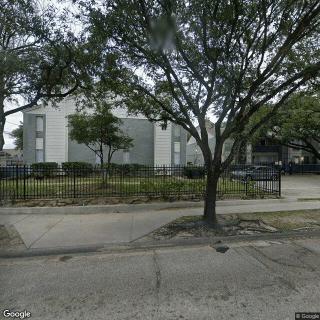
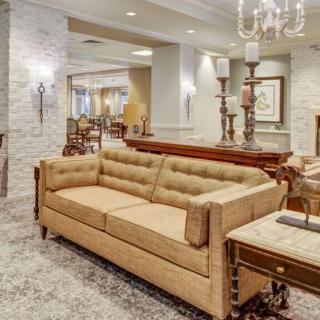
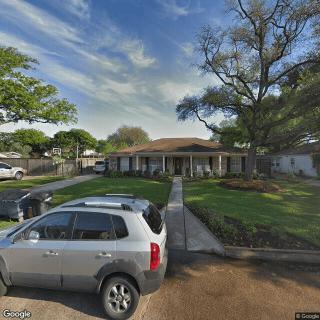
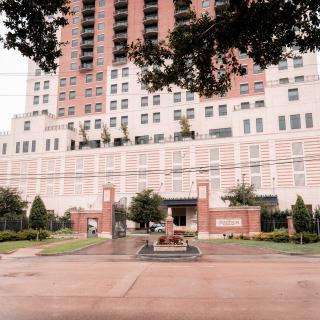
Treemont Retirement Community on seniors.fyi includes 30 photos including images showing floor plan, interior, living room, landscaping, garden, trees, bedroom, dining, and more.
Nearby Communities
Bridge Solutions - Houston, TX
Houston, TX
3.8 from 5 reviews
Excellent proximity to cafes, pharmacies, clinics, restaurants, worship venues, and a theater.
Family Tree In-Home Care
Houston, TX
4.6 from 111 reviews
Compassionate, reliable caregivers with flexible scheduling.
Treemont Health Care Center
Houston, TX
3.9 from 24 reviews
$3,900 to $5,160 / month
Friendly, caring staff; clean facility; engaging activities; good value.
Kindred at Home - Houston, TX
Houston, TX
4 from 4 reviews
Central Houston location with easy access to dining, pharmacies, physicians, worship and theaters.
The Buckingham
Houston, TX
4 from 157 reviews
$5,850 to $7,225 / month
Outstanding dining, vibrant activities, and a welcoming community.
Houston - A Senior Moment 2
Houston, TX
3.5 from 11 reviews
$3,500 / month
Specialized memory care with diabetic care; private rooms and competitive pricing.
Belmont Village Senior Living Hunters Creek
Houston, TX
4.3 from 83 reviews
$5,380 to $6,570 / month
Compassionate, attentive staff with engaging activities and a clean, welcoming environment.
Autumn Years II
Houston, TX
4.2 from 9 reviews
$4,800 to $5,800 / month
Clean, home-like setting with friendly staff and on-site activities.
The Tradition Woodway
Houston, TX
4.3 from 78 reviews
Beautiful, well-maintained property with extensive amenities and a restaurant-style dining environment.
Sundown syndrome, or sundowning, is a phenomenon in dementia patients characterized by increased confusion and agitation during late afternoon and evening, influenced by factors like disrupted circadian rhythms and fatigue. Effective caregiver strategies include establishing routines and managing environmental light while addressing caregiver stress through support services.
Delirium is a rapidly onset, reversible cognitive disturbance often caused by acute medical issues, while dementia is a gradual and irreversible decline due to chronic neurodegenerative diseases. Accurate differentiation between the two is essential for appropriate treatment and management in older adults.
Dementia, including Alzheimer’s disease, is often mischaracterized in terms of lethality as it leads to complications that can be fatal rather than being a direct cause of death; it causes a progressive decline in cognitive and physical health, making patients vulnerable to infections and other health crises. Effective management of nutrition, hydration, and communication is crucial in patient care, with palliative care becoming vital in advanced stages to enhance comfort and quality of life while caregivers play a key role amidst the challenges posed by the disease.
Get PricingAsk A QuestionSchedule A TourContact Senior Advisor
By clicking submit, you agree to our Partner's Terms of Use. You
also consent to receive calls and texts, which may be autodialed, from our Partner. Your consent is not a condition to
using our Partner's service. Please visit our Partner's Privacy Policy for information about their privacy practices.





 54 resident community capacity
 1-bedroom apartments
 Assisted Living
 Continuing Care Retirement Community (CCRC)
 Independent Living
 Memory Care
 Skilled Nursing Facility
 Activities off-site
 Air-conditioning
 Bath tubs
 Beautician on-site
 Cable or satellite TV
 Computer center
 Devotional services on-site
 Dining room
 Fitness room
 Full kitchen
 Fully furnished
 Gaming room
 Garden
 Ground floor units
 Handicap accessible
 Hiking trails
 Housekeeping services
 Indoor common areas
 Laundry
 Move-in coordination
 Outdoor common areas
 Party space
 Private bathrooms
 Resident parking
 Respite or short term stays offered
 Restaurant-style dining
 Small library
 Telephone
 Wellness center
 Wheelchair accessible showers
 Wi-Fi/high-speed internet available
 William P X (16 miles away)
 Community operated transportation
 12-16 hour nursing
 24-hour call system
 Ambulatory care
 Assistance with bathing
 Assistance with dressing
 Assistance with transfers
 Blood work
 Diabetes diet
 Incontinence care
 Medication management
 Mental wellness program
 Physical therapy
 Special dietary restrictions
 Art classes
 Book club
 Catholic services
 Concierge services
 Cooking classes
 Day trips and outings
 Games
Games Happy hour
 Jewish services
 Live dance or theater performances
 Live musical performances
 English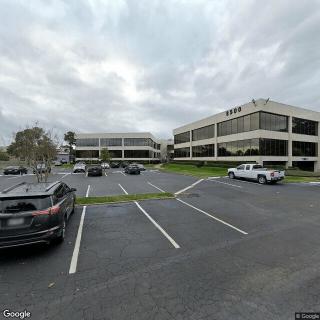
 Excellent proximity to cafes, pharmacies, clinics, restaurants, worship venues, and a theater.
 Comprehending Evening Confusion in Dementia: Causes, Manifestations, and Support
 Delirium and Dementia: Unraveling the Key Differences
 Are Dementia and Alzheimer's Disease Lethal? A Comprehensive Exploration