Overall Review of The Tradition Woodway
caveat
3 reviews mention this
Power outages and weak backup
Several residents and families report power outages without enough backup and poor communication during incidents.
Some reviews describe prolonged power loss during freezing weather, followed by downstream problems like burst pipes and elevator issues. Families also call out a lack of clear, proactive updates from management during the outage, with residents left to rely on informal communication. Overall, these accounts focus less on day-to-day inconveniences and more on emergency readiness and follow-through during a crisis.
caveat
3 reviews mention this
Memory care staffing varies
Memory care experiences described in reviews range from very good attention to concerns about staffing and training.
A review specifically praises the memory care unit for taking good care of a husband. Other reviews for memory care mention being under staffed, with laundry and care tasks not reliably completed, plus food issues tailored for dementia that reviewers say were not appropriate. One account also raises concerns about stressed management and caregivers’ training and attitudes, while noting the surroundings were still nice.
common
8 reviews mention this
Food is a frequent highlight
Food quality and dining experience come up often, with multiple reviewers calling it delicious or good.
Many reviews mention the meals as a positive part of daily life, including compliments for good or delicious food. Some residents also describe dining areas and a restaurant-style feel in the community’s common dining space. A minority of dining comments are mixed, particularly in memory care, where one reviewer said food preparation and offerings weren’t well matched to residents with dementia.
common
15 reviews mention this
Friendly staff and help
Across reviews, staff friendliness and responsiveness are a consistent reason people say they chose to stay.
Numerous reviews describe the staff as friendly, helpful, and attentive, and several mention quick follow-up when issues arise. Families also describe staff as supportive during transitions and special occasions, including memorial planning. While most accounts are positive, a few reviews also criticize specific interactions at entrances or within assisted living, suggesting the experience can vary by person and situation.
common
7 reviews mention this
Activities keep residents engaged
Reviews repeatedly describe a busy schedule of events, classes, and outings that help residents stay active.
Residents and families point to activities as a driver of enjoyment, including scheduled daily activities and resident-run involvement. Reviews also mention exercise or wellness offerings, lectures, and events such as bus trips and themed classes. One luncheon and tour-related review focuses on the experience during a visit, while most other comments tie activities directly to day-to-day life after move-in.
common
6 reviews mention this
Clean spaces and views
Reviews frequently mention the building’s cleanliness, décor, and views as standout features.
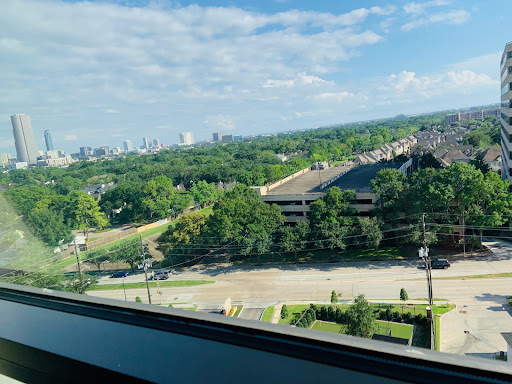
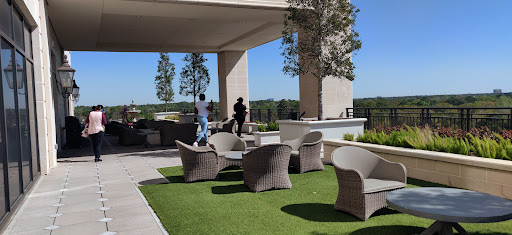
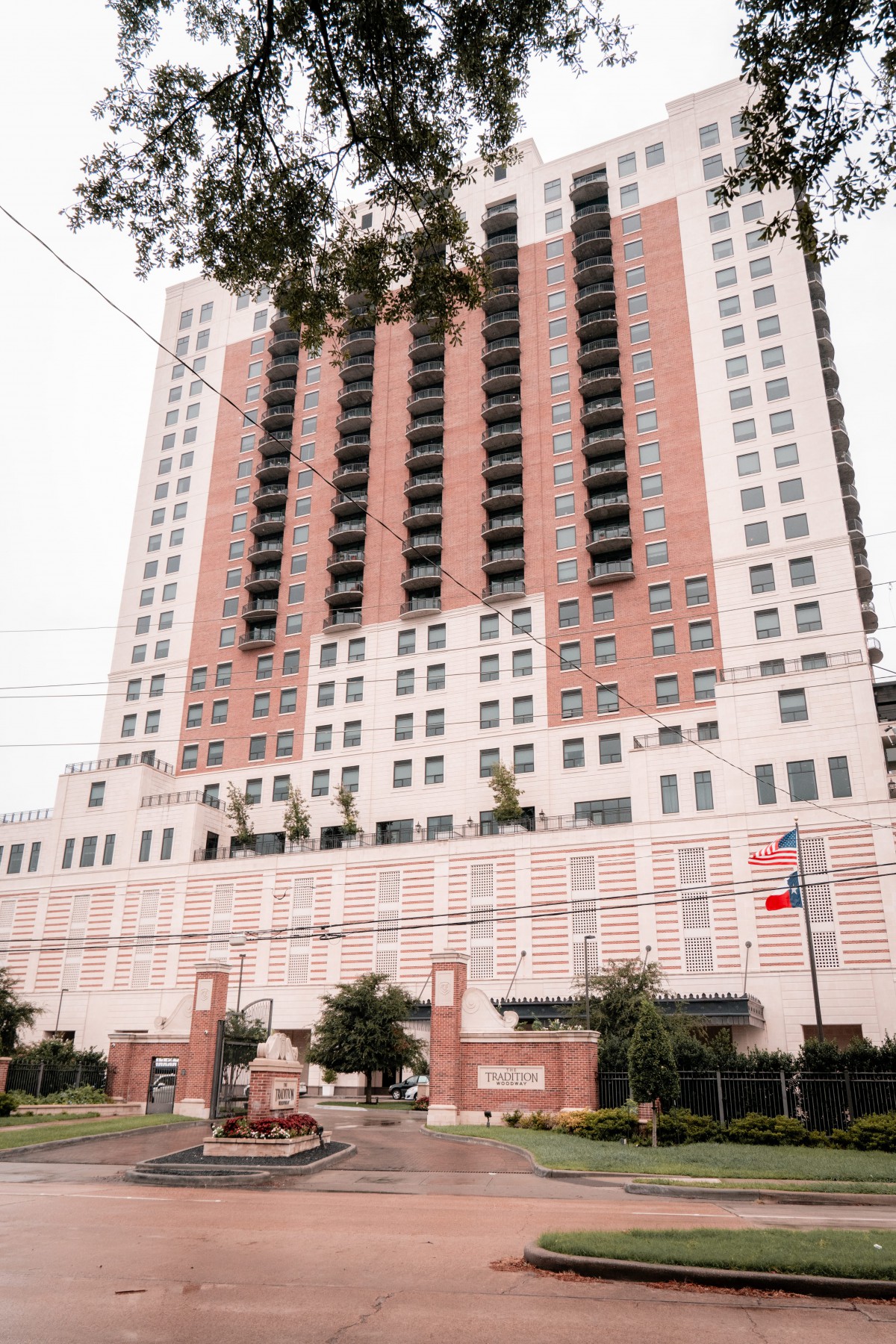
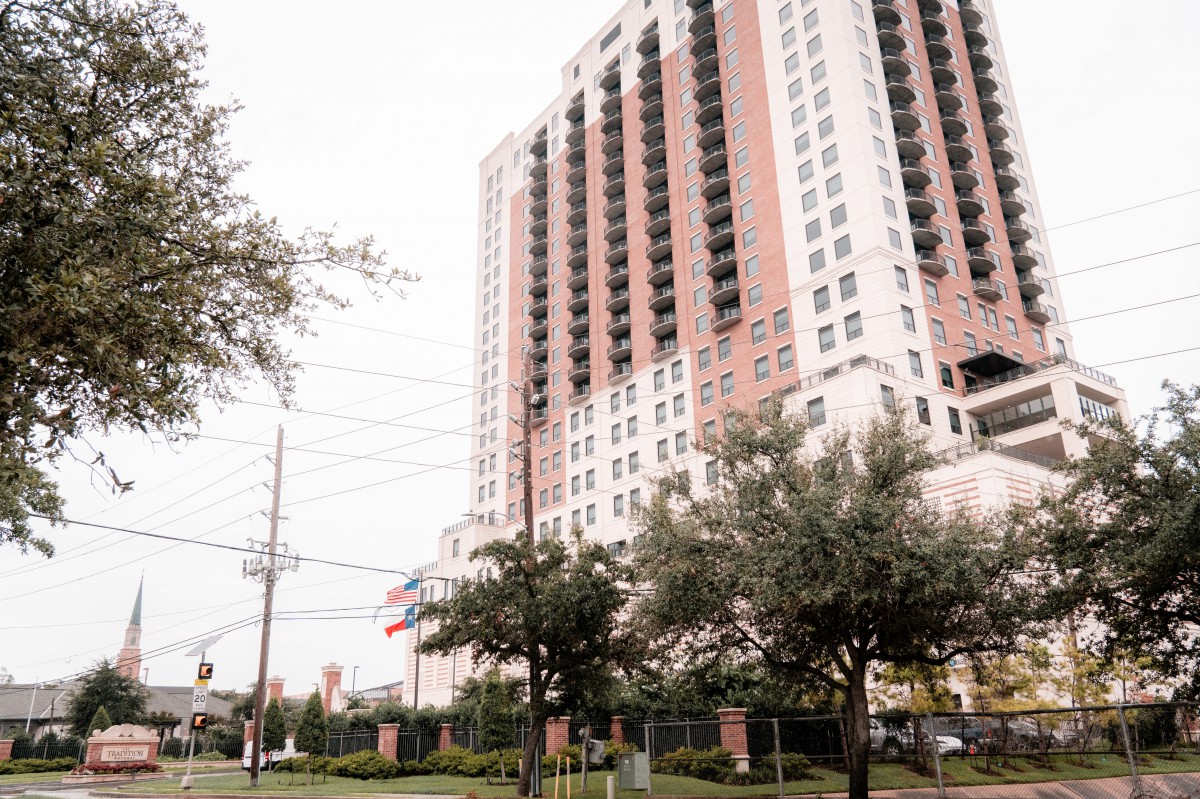
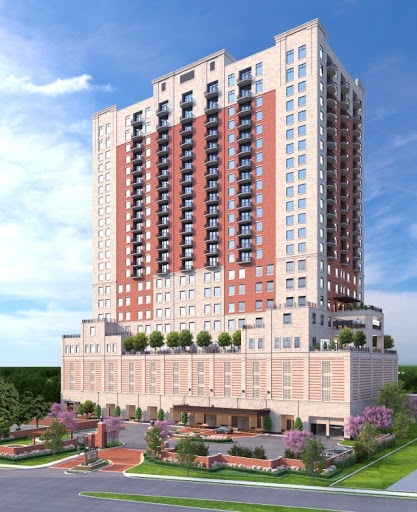
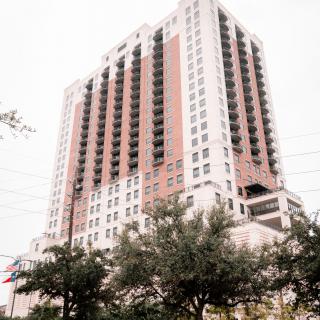
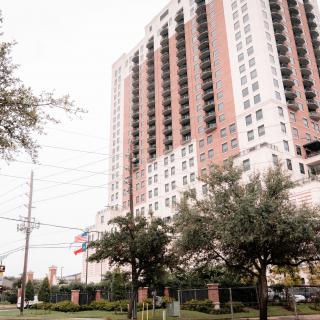
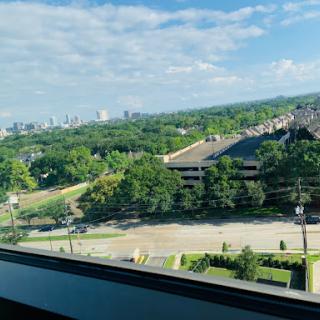
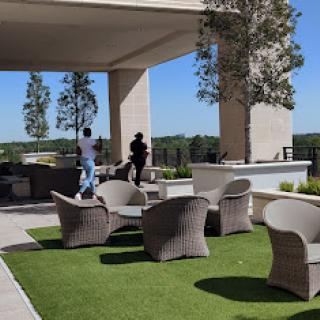
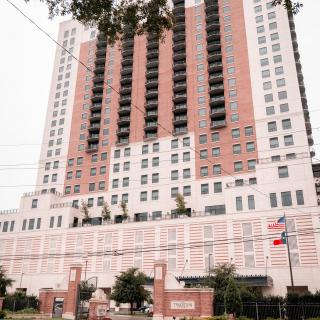
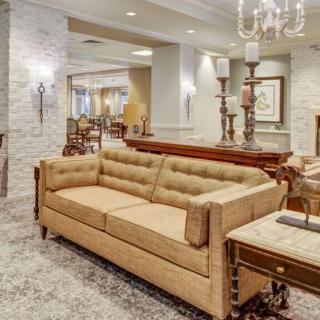
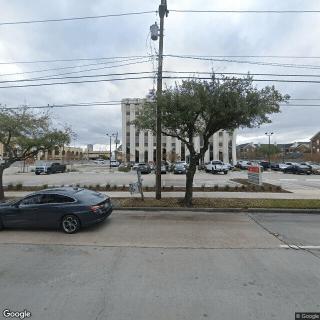
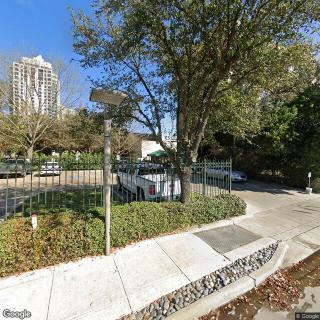
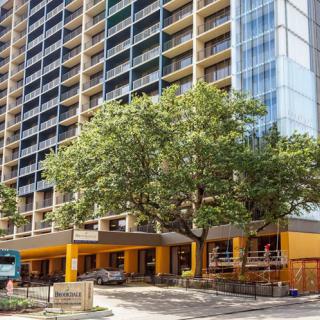
Multiple reviews describe the community as beautiful, clean in public areas, and well decorated, with apartments noted for features like large windows and pleasant views. Several accounts also mention outdoor and common areas contributing to the overall feel of the property. A smaller set of negative remarks separates the appearance from service and care quality, saying that the surroundings look good even when other experiences fall short.
How we summarize
Counts show how many written reviews mention each theme; a review can touch several themes, and only frequently mentioned themes are displayed.



 1-bedroom apartments
 Assisted Living
 Independent Living
 Memory Care
 Beauty salon
 Cable or satellite TV
 Dining room
 Fully furnished
 Garden
 Housekeeping services
 Kitchenette
 Move-in coordination
 Outdoor space
 Restaurant-style dining
 Small library
 Telephone
 Wi-Fi/high-speed internet available
 William P X (15 miles away)
 Transportation arrangement (non-medical)
 12-16 hour nursing
 24-hour call system
 Activities of daily living assistance
 Assistance with bathing
 Assistance with dressing
 Assistance with transfers
 Diabetes diet
 Medication management
 Mental wellness program
 Special dietary restrictions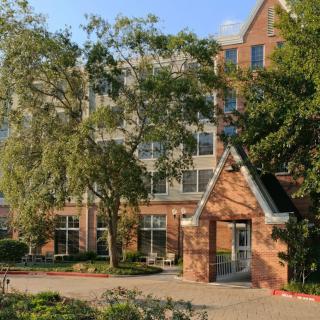
 Compassionate nursing care with effective physical/occupational therapy.



 Understanding Dementia Behaviors: Practical Insights and Strategies for Caregivers
 When Dementia Sparks Anger and Aggression: Understanding the Connection and Ways to Cope
 Dementia Behaviors: In-Depth Understanding and Effective Coping Strategies