Good Living Community Care offers competitive pricing for its accommodations compared to both Harris County and the broader Texas market. The cost for a one-bedroom unit is $3,800, which is slightly lower than the county average of $4,027 and aligns closely with the state average of $3,761. For those considering a studio apartment, Good Living's rate of $4,500 is on par with the county figure of $4,021 but exceeds the state's average of $3,758. Meanwhile, semi-private rooms are priced at $4,500 in Good Living Community Care - substantially higher than Harris County's average of $3,518 and marginally above the state's $3,680. Overall, while some options are competitively priced or even below local averages, others reflect a premium that may correspond to additional services or amenities provided at Good Living Community Care.
Floor plans
Good Living Community Care
Harris County
Texas
1 Bedroom
$3,800
$4,027
$3,761
Studio
$4,500
$4,021
$3,758
Semi-Private
$4,500
$3,518
$3,680
Memory care communities with a similar price nearby
Residents and families repeatedly describe a patient, responsive staff.
Many reviews focus on how staff show up consistently, communicate with family, and treat residents with kindness. Several reviewers say caregivers handle health concerns and appointments, and that they keep loved ones informed about what is going on. A few also mention professional, fast support when there are needs to address.
common40 reviews mention this
Cleanliness and upkeep are recurring
Clean rooms and regular upkeep are a consistent theme in reviews.
Cleaning comes up again and again, including comments about tidy rooms, fresh conditions, and an overall well-kept facility. Multiple reviewers also mention laundry and keeping residents comfortable and presentable without having to chase for basic tasks. Yard and common-area upkeep are noted by some, including a maintained outdoor space.
common18 reviews mention this
Food and dining support nutrition
Meals are frequently described as tasty, nutritious, and well presented.
Several reviews praise the food quality and describe meals as nutritious and well balanced. Some reviewers mention that dining includes opportunities to socialize, with options to eat in the room as well. The menu is also discussed in the context of preferences and residents being willing to eat.
common14 reviews mention this
Care coordination during health needs
Residents and families describe hands-on help with care routines and transitions.
Some reviewers say the community supported ongoing medical needs and helped coordinate outside care like doctor visits and therapy. There are also mentions of assistance with daily functioning and progress after declines, with staff working to help residents regain abilities. A reviewer even describes a transition to a higher level of care being made easier once that need came up.
caveat3 reviews mention this
Quality concerns appear in a minority
A few reviews describe serious problems with care quality.
Not all experiences are positive: some reviews raise concerns about unsafe conditions like bugs and unclean floors. Others describe breakdowns in staffing competence and call out medication-management problems and neglected overnight care. These comments also criticize management for being unwilling to help with placement changes.
caveat3 reviews mention this
Noise, lighting, and limited on-site therapy
A few reviewers mention environmental drawbacks during visits and stays.
Some reviews point to issues such as late-night noise and problems with animals or property management. Another reviewer says the facility can feel dim and would benefit from brighter lighting. One review also notes limited options for on-site therapy, which affected expectations for rehabilitation progress.
How we summarize
Counts show how many written reviews mention each theme; a review can touch several themes, and only frequently mentioned themes are displayed.
Features
Types of Care
Assisted Living
Memory Care
Pets
Cats allowed
Dogs allowed
Amenities
Activities on-site
Air-conditioning
Devotional services off-site
Ground floor units
Indoor common areas
Outdoor common areas
Respite or short term stays offered
Wheelchair accessible showers
Wi-Fi/high-speed internet available
Transportation
William P X (14 miles away)
George Bush Intercontinental (19 miles away)
Care Services
Diabetic care
Incontinence care
Medication management
Dining
Low / no sodium
Meals provided
No Sugar
Room service
Activities
Activities on-site
Birthday parties
Catholic services
Devotional activities offsite
Holiday parties
Jewish services
Live musical performances
Pet-focused programs
Protestant services
Wii bowling
Nearby Places of Interest
This part of Houston, Texas offers a convenient and diverse array of amenities for senior living. With multiple pharmacies such as Walgreens and CVS nearby, access to medical services is readily available. A variety of restaurants including Whataburger, Pappasito's Cantina, and P.F. Chang's China Bistro cater to different culinary preferences. Additionally, cafes like Starbucks and Nara Cafe provide opportunities for socializing and relaxation. For healthcare needs, there are reputable clinics and physician offices in close proximity. Places of worship like St Martin's Episcopal Church offer spiritual fulfillment, while theaters such as Regal Edwards Greenway Grand Palace ScreenX & RPX provide entertainment options. The presence of parks like Memorial Park Conservancy allows for outdoor recreation and leisure activities in the surrounding area. Overall, this neighborhood presents a well-rounded environment for seniors seeking a vibrant community with easy access to essential services and recreational opportunities.
Pharmacies
Walgreens (0.5 miles)
CVS Pharmacy (0.6 miles)
CVS Pharmacy (1.3 miles)
Walgreens (1.4 miles)
Walgreens (1.5 miles)
CVS Pharmacy (1.7 miles)
CVS Pharmacy (2 miles)
Restaurants
Whataburger (0.5 miles)
Taco Bell (0.9 miles)
McDonald's (0.9 miles)
Whataburger (1.1 miles)
Pappasito's Cantina (1.2 miles)
P.F. Chang's China Bistro (1.4 miles)
Chipotle Mexican Grill (1.6 miles)
Cafes
Starbucks (0.6 miles)
Cafe Layal (1 miles)
Starbucks (1.9 miles)
Starbucks (1.9 miles)
Nara Cafe (2.1 miles)
Starbucks (3.8 miles)
Slowpokes (4.2 miles)
Physicians
Kelsey-Seybold Clinic (0.9 miles)
Allergy & ENT Associates: Kancherla Vikas S MD (2.8 miles)
Good Living Community Care offers competitive pricing for its accommodations compared to both Harris County and the broader Texas market. The cost for a one-bedroom unit is $3,800, which is slightly lower than the county average of $4,027 and aligns closely with the state average of $3,761. For those considering a studio apartment, Good Living's rate of $4,500 is on par with the county figure of $4,021 but exceeds the state's average of $3,758. Meanwhile, semi-private rooms are priced at $4,500 in Good Living Community Care - substantially higher than Harris County's average of $3,518 and marginally above the state's $3,680. Overall, while some options are competitively priced or even below local averages, others reflect a premium that may correspond to additional services or amenities provided at Good Living Community Care.
Good Living Community Care's medication management ensures that residents receive their prescribed medications on time and in the correct dosages, which is especially crucial for individuals with dementia or Alzheimer's disease who may struggle with memory and cognitive functions. By alleviating concerns related to medication adherence, caregivers can focus more on providing personalized care and support. Similarly, incontinence care plays a vital role in enhancing the dignity and comfort of residents; addressing this often-sensitive issue with compassion helps reduce anxiety and promotes a positive living environment. Both features are essential for maintaining overall health, minimizing disruptions in daily routines, and fostering a sense of security among residents facing the challenges associated with cognitive decline.
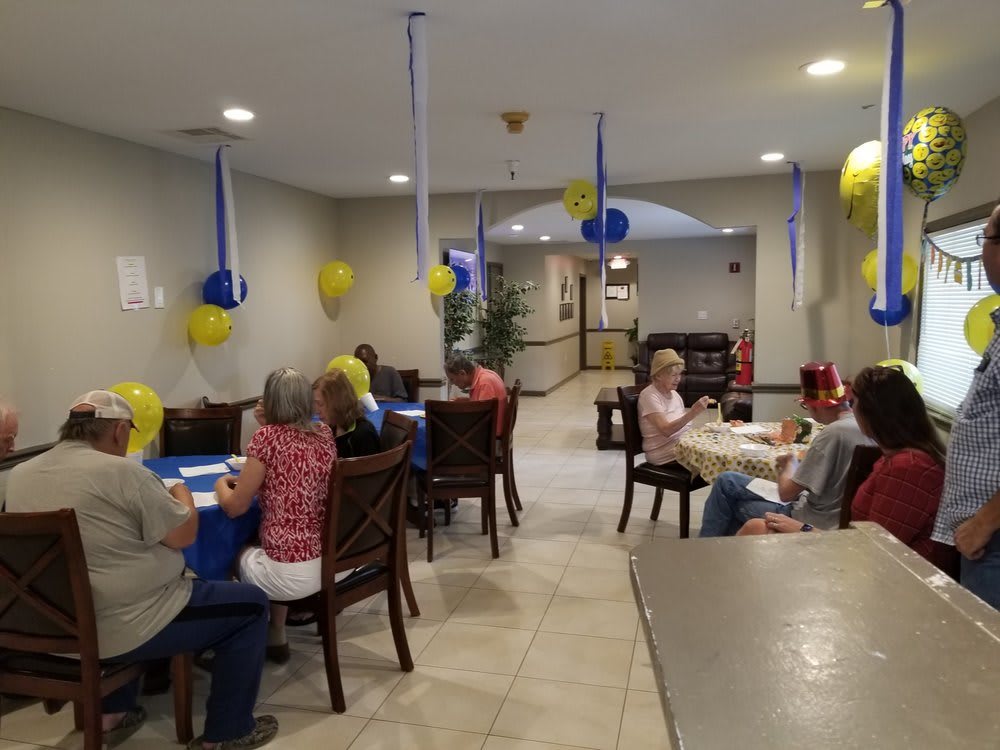
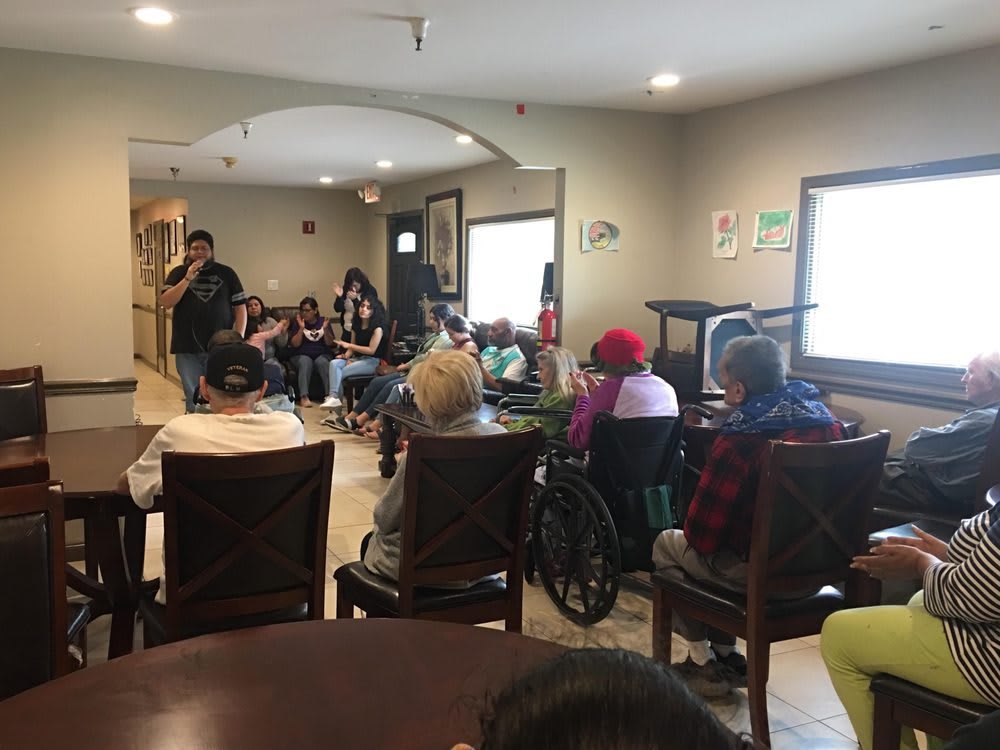
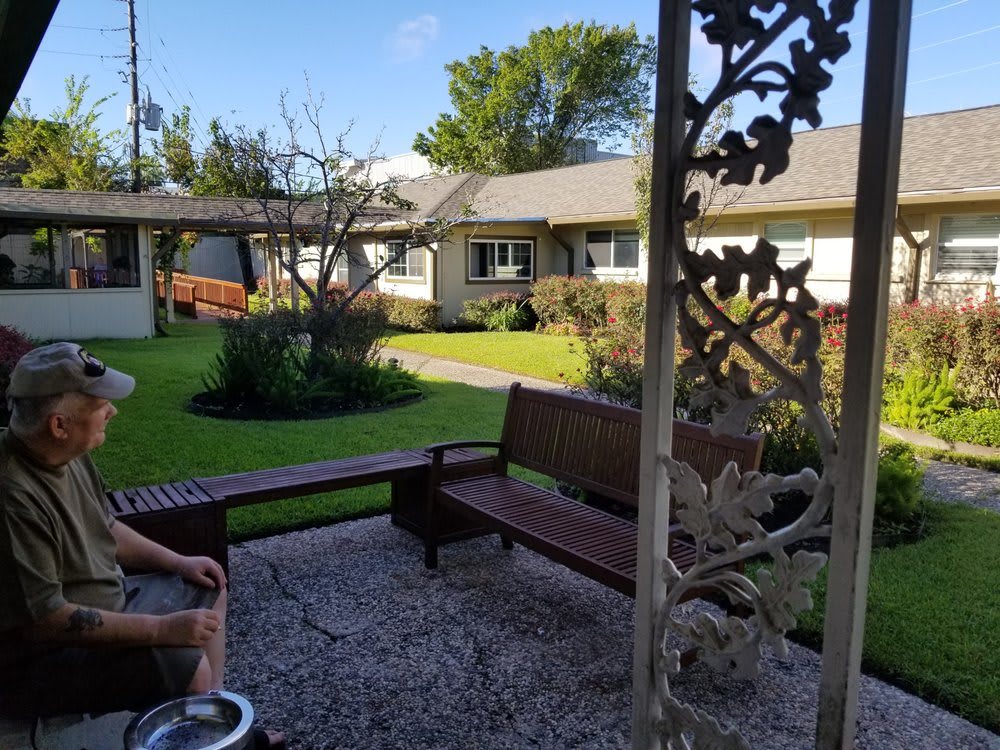
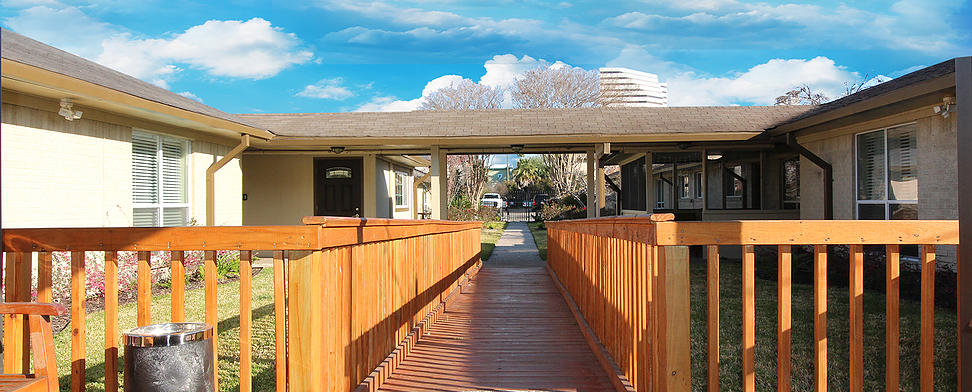
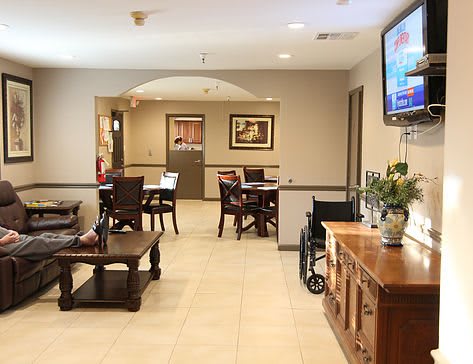
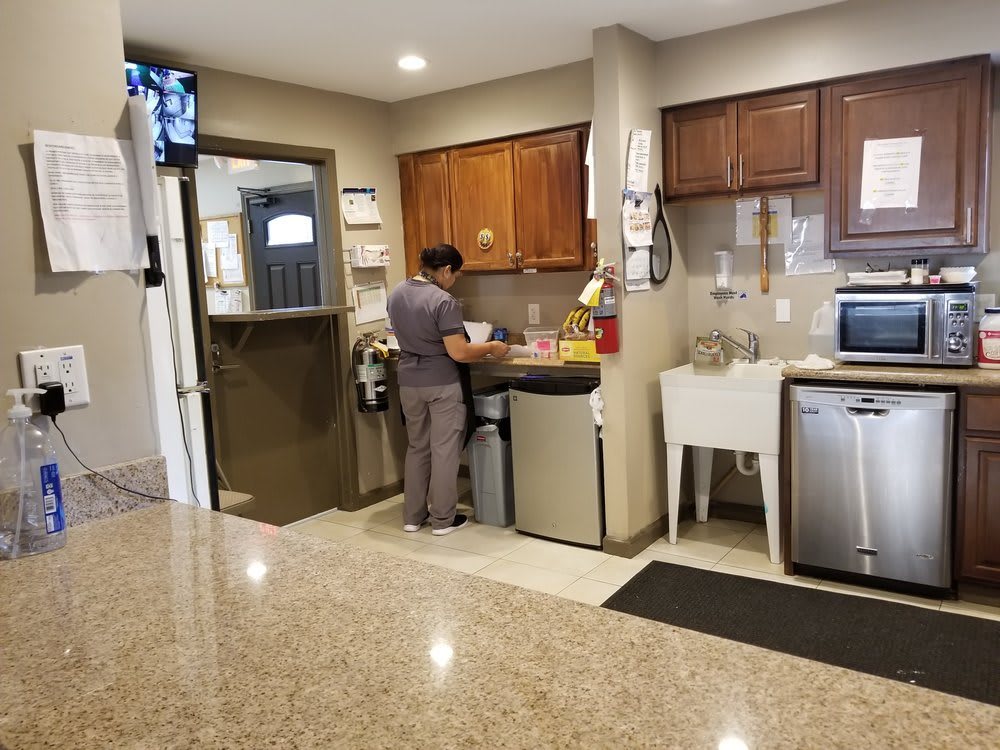
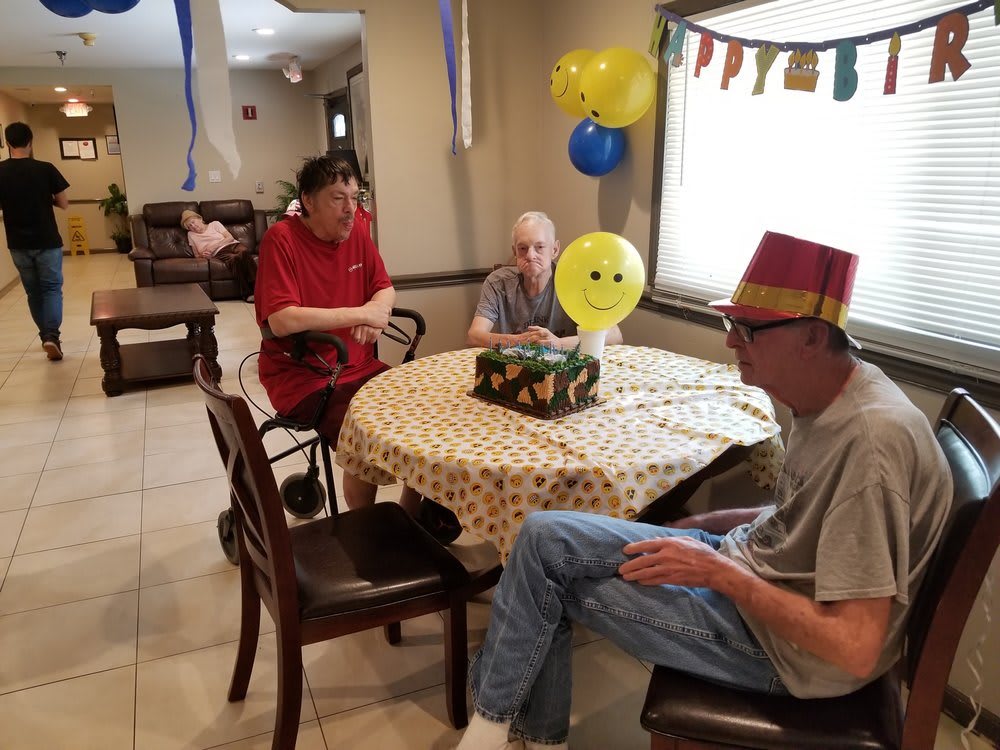
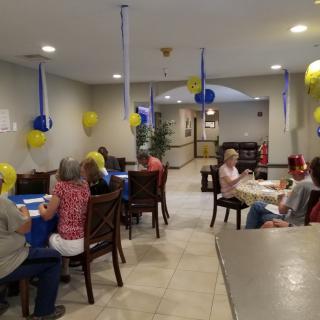
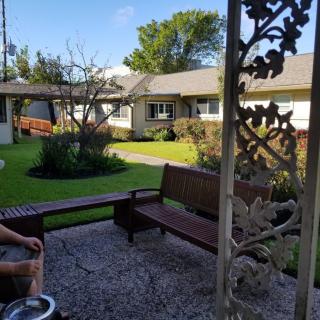
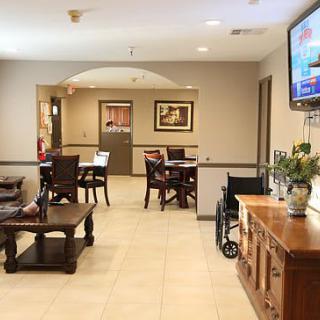
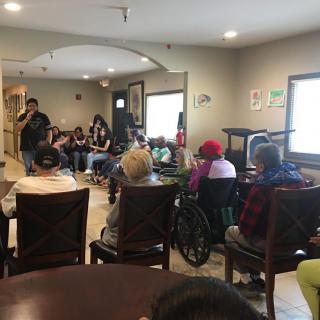
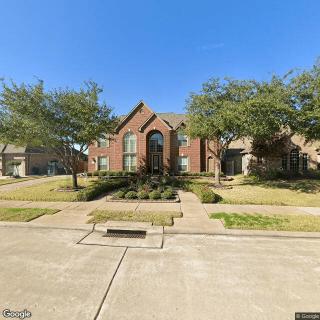
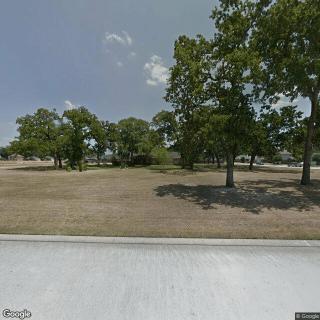
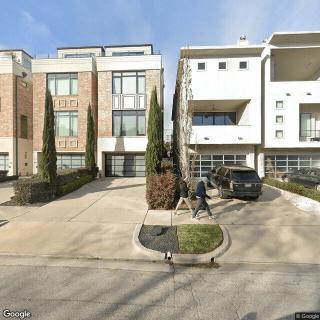
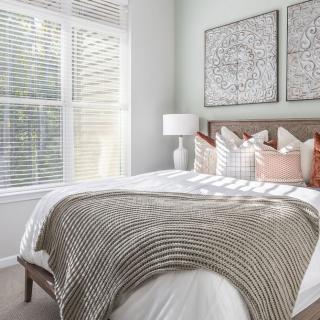
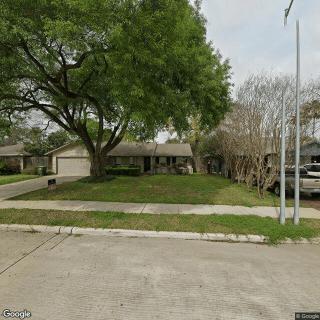
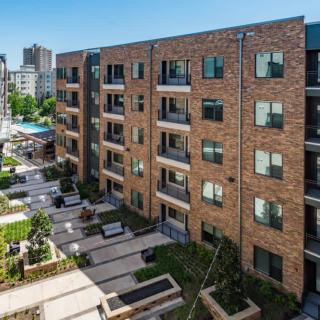
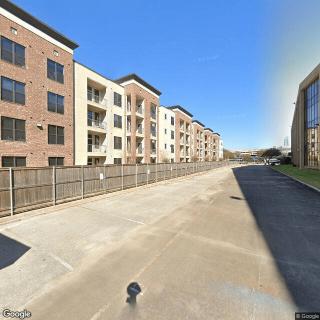
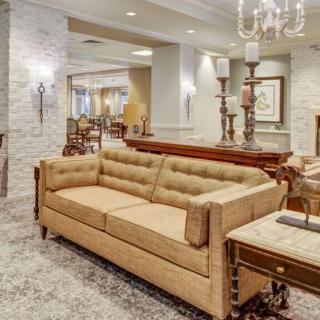
Good Living Community Care on seniors.fyi includes 8 photos including images showing interior, wheelchair, trees, walkway, outdoor, architecture, lobby, waiting area, and more.
Nearby Communities
Advantage Homecare - Houston, TX
Houston, TX
Prime location with abundant nearby amenities and healthcare options
Dementia affects memory and cognitive function in older adults, presenting challenges for caregivers due to behavioral changes such as confusion and mood swings. Compassionate, person-centered care that considers individual history and preferences, along with effective communication and environmental modifications, is essential for supporting both patients and their caregivers.
Dementia leads to cognitive impairment and can cause emotional and behavioral changes, including aggression that arises from frustration, confusion, or fear. Effective coping strategies for caregivers include understanding dementia's nature, recognizing triggers, using empathetic communication, and employing non-pharmacological interventions like music and art therapy.
Dementia causes cognitive decline and challenging behaviors that caregivers must manage, necessitating an understanding of the neurological basis of these issues. Effective strategies and self-care for caregivers can enhance support for those with dementia and improve their daily lives.
Get PricingAsk A QuestionSchedule A TourContact Senior Advisor
By clicking submit, you agree to our Partner's Terms of Use. You
also consent to receive calls and texts, which may be autodialed, from our Partner. Your consent is not a condition to
using our Partner's service. Please visit our Partner's Privacy Policy for information about their privacy practices.




 Assisted Living
 Memory Care
 Cats allowed
 Dogs allowed
 Activities on-site
 Air-conditioning
 Devotional services off-site
 Ground floor units
 Indoor common areas
 Outdoor common areas
 Respite or short term stays offered
 Wheelchair accessible showers
 Wi-Fi/high-speed internet available
 William P X (14 miles away)
 Diabetic care
 Incontinence care
 Medication management
 Low / no sodium
 Birthday parties
 Catholic services
 Jewish services
 Live musical performances
 Pet-focused programs
 Wii bowling
 Prime location with abundant nearby amenities and healthcare options



 Understanding Dementia Behaviors: Practical Insights and Strategies for Caregivers
 When Dementia Sparks Anger and Aggression: Understanding the Connection and Ways to Cope
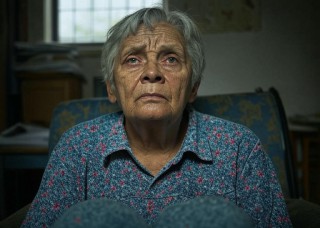 Dementia Behaviors: In-Depth Understanding and Effective Coping Strategies