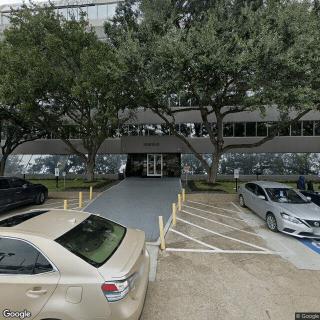
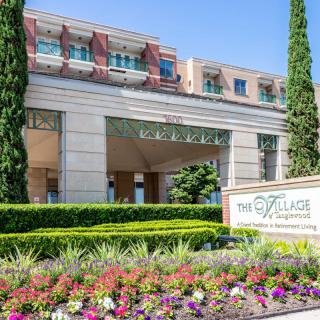
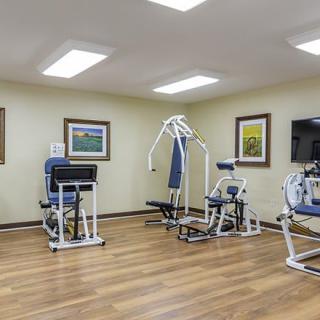
The Hallmark Assisted Living Alzheimer's Center

4718 Hallmark Drive, Houston, TX 77056

For more information about senior living options: (844) 490-3973

3 from 39 reviews
5 stars
18
4 stars
1
3 stars
0
2 stars
2
1 stars
18

Assisted Living Continuing Care Retirement Community (CCRC) Skilled Nursing Facility

The Hallmark Assisted Living Alzheimer's Center Costs & Pricing

At The Hallmark Assisted Living Alzheimer's Center, the monthly cost for a private room is $5,724, significantly higher than both the county average of $3,784 in Harris County and the state average of $4,096 in Texas. This premium pricing reflects the specialized care and tailored support provided to residents with Alzheimer's and related conditions, ensuring a nurturing environment that prioritizes their unique needs. Families considering this option should weigh the center's exceptional services against local market rates to fully understand the value offered in relation to their loved one's care requirements.

Floor plansThe Hallmark Assisted Living Alzheimer's CenterHarris CountyTexas
Private$5,724$3,784$4,096

What level of care are you interested in?

Assisted Living

Memory Care

Independent Living

Skilled Nursing Facility

Continuing Care Retirement Community (CCRC)CCRC

Other


Request a tour at The Hallmark Assisted Living Alzheimer's Center

    Overall Review of The Hallmark Assisted Living Alzheimer's Center

    Pros

    • pro CNAs at The Hallmark got to know residents and treated them like family.
    • pro The meals at The Hallmark were excellent.
    • pro Special holiday entertainment and festive d?cor made the community feel welcoming.
    • pro The Hallmark provides a warm, home-like environment.
    • pro It has a great group of residents and employees.
    • pro The bartender is wonderful.
    • pro The Hallmark is a beautiful community located in a great location.
    • pro The service and care provided are exceptional.
    • pro There are lovely and caring people who work there.
    • pro Chris, a nurse on staff, was compassionate and helped ensure medication schedules were clear.

    Cons

    • pro They refused to take the patient to the ER until the family threatened to sue for malpractice, leaving her near death.
    • pro The staff showed a lack of training, empathy, and competence, prompting calls to hold the facility accountable or shut it down.
    • pro The staff lied to the family about the patient's cooperativeness and condition, presenting everything as fine while issues remained.
    • pro They claimed patients were horrible and needed special isolation and expensive care, implying mismanagement.
    • pro It took more than 30 minutes to answer calls, and urgent needs were not addressed.
    • pro The onboarding/intake process was unclear with poor communication and follow-through from staff.
    • pro Billing and hospice coordination were mishandled, including incorrect med schedules and repeated third-party charges.
    • pro The facility was accused of racist admission practices and discriminatory treatment of African-American residents.
    • pro Overall, the experience was described as a logistical nightmare.

    Review

    The Hallmark Skilled Nursing Facility inspires a wide spectrum of impressions from families and visitors, with stories that range from deeply heartening to alarmingly troubling. On one end, several accounts celebrate a long, compassionate relationship between residents and the staff that cared for them during vulnerable times after strokes and the onset of dementia. A mother who recovered enough to live for nearly two years in the SNF after a February 2023 stroke left a powerful impression: losing 90 percent of her left-side function, she became bedbound and dependent for activities as basic as using the bathroom, reading, or simply sharing a program with others. In these memories, the CNAs become central figures - gentle, attentive, and almost like family, caregivers who learned the resident's preferences, routines, and idiosyncrasies, and who approached their daily tasks with patience and warmth. The writer recalls being there daily and witnessing the care first-hand, noting how the CNAs "treated her as their own mother or grandmother," a sentiment that speaks to the emotional warmth that some families found at the heart of The Hallmark.

    Food and atmosphere also emerge as bright spots in several positive depictions. Meals were described as excellent even for a resident with discerning tastes, and holiday celebrations brought special entertainment and a festive touch to the common areas. The facility itself may not be brand-new, but the overall environment was described as warm and welcoming, with a community feeling that supported residents and their families. A particular strength highlighted across reviews is the sense of community: a group of residents and staff who formed a supportive network, where routine care, activities, and social time contributed to a sense of belonging. Even smaller notes - a "wonderful bartender" in one account, a strong circle of staff across disciplines (nurses, food preparers, activity directors, and cleaning staff) - help to paint a picture of a place where people came to feel seen and cared for.

    Despite these positive memories, the experience at The Hallmark is not uniformly favorable. Several reviews carry urgent warnings and intense dissatisfaction. One family, expressing a blunt and urgent tone, urged others not to trust the facility at all. Their 93-year-old loved one nearly died after what they described as a delay in taking her to the ER, with a severe UTI progression toward sepsis and a lack of appropriate oxygen and medicine. The reviewer framed the situation as a failure of training, empathy, and judgment, calling for accountability and even shutdown of the facility. Such an account underscores a fear that crucial medical decisions and timely interventions were not happening in the way families expect in a skilled nursing setting.

    Another review paints a starkly different and equally troubling picture: the entire staff allegedly lied about the health and cooperativeness of patients, presenting one version to families while portraying problems to hospital teams. The implication is that information about a patient's condition and care could be manipulated to shape the family's perception or the facility's financial arrangements, prompting an across-the-board cautionary note to avoid potential misrepresentation and cost-shifting. The emotional charge in this account reflects a deep distrust that can arise when families feel they are being given inconsistent stories about a loved one's care.

    There are also practical concerns that repeat across several posts. One review describes poor responsiveness to calls, with the family member waiting lengthy periods to get help when a loved one needed assistance - an especially serious problem for someone who is bedbound and who may require urgent help to reach a bathroom or adjust comfort. Another narrative emphasizes administrative and financial frustrations: prepaid balances that were not refunded promptly after a loved one's death, billing disputes with third-party providers, and confusion surrounding how hospice services were coordinated with The Hallmark. In one account, a staff member named Chris stood out as a bright spot, a compassionate nurse who took the time to print out a medication schedule and walk the family through it, offering transparency during a very stressful time. This example shows that when communication and advocacy align, families can feel reassured even amid other challenges.

    A separate thread of experience centers on onboarding and ongoing communication during a loved one's admission. One account of a father's stay highlights a chaotic intake process: immediate transfer from the hospital with discharge papers, only to encounter a lack of clear guidance about who would assume responsibility for care and medication management. The family reports repeated lapses in returning with the med schedule, leading to a period of confusion and frustration. A mitigating factor in this narrative is the presence of a conscientious staff member who clearly conveyed the schedule and helped restore a sense of accountability. The review also outlines a concerning disconnect between hospice providers and The Hallmark, where lack of direct communication and reporting caused gaps in care and even financial mismatches, suggesting a need for better integration and collaboration with outside services.

    Amid these concerns, some reviewers still express positive experiences. One account mentions that after a period of turnover, the facility's CNA team stabilized, and the patient encountered familiar caregivers who provided consistent attention. The sense of security that comes from stable, caring caregivers can be especially meaningful for residents with dementia or severe mobility challenges. Another review mentions that, despite past issues, the community remained a beautiful setting with good care in terms of daily routines and activities, and families continued to support the staff for their hard work. These mixed voices illustrate that for some families, The Hallmark offers both warmth and reliable routines; for others, the experience raises questions about safety, consistency, and transparency.

    A particularly strong thread across the more negative accounts is concern about equity and respect. One review explicitly alleges racial discrimination, accusing staff of segregation and purposeful exclusion of African-American patients. The writer claims that staff would lie to families to keep a particular demographic from being admitted, describing rude and condescending interactions and calling for action to shut the facility down. This accusation is severe and underscores how perceptions of fairness and treatment can shape a family's view of a facility, even when other residents and staff may be delivering compassionate care to others. It also highlights the impact of broader cultural and institutional issues on trust and decision-making when choosing a care setting.

    Taken together, the collection of reviews presents a facility that cannot easily be categorized as simply "good" or "bad." The Hallmark appears to offer genuine, heartfelt care in many cases - care that can provide comfort, dignity, and a sense of community for residents and their families. Yet there are significant and recurring concerns about initial onboarding, communication gaps, medication management, billing practices, and the handling of medical crises. The most important takeaway for readers is that experiences at this facility are highly variable and can hinge on factors like CNA turnover, the stability of caregiving teams, the effectiveness of hospital-to-facility handoffs, and the facility's responsiveness to urgent needs and to families' concerns. Anyone considering The Hallmark should plan to assess these dimensions carefully: ask detailed questions about med management, onboarding processes, hospice coordination, and how the facility handles emergencies; look for consistency in caregiving teams; observe how staff communicate about a resident's condition; and seek recent feedback from families with similar needs. The stories here reflect a facility capable of excellent, compassionate care in some contexts, while also revealing serious areas in need of attention in others.

    Features

    Housing

    • 22 resident community capacity 22 resident community capacity

    Types of Care

    • Assisted Living Assisted LivingAssisted living facilities provide crucial support and care for seniors who may need help with daily tasks such as medication management, bathing, and meal preparation. These communities offer a safe and comfortable environment where seniors can maintain their independence while receiving the assistance they need to thrive in their golden years.
    • Continuing Care Retirement Community (CCRC) Continuing Care Retirement Community (CCRC)Continuing Care Retirement Communities (CCRCs) are important for seniors because they provide a range of housing options and care services all in one location. This allows seniors to age in place and receive the level of care they need as their health changes, without having to move to a new facility. CCRCs provide a sense of security and peace of mind for seniors and their families, knowing that they will be taken care of no matter what the future holds.
    • Skilled Nursing Facility Skilled Nursing FacilitySkilled Nursing Facilities are crucial for seniors as they provide round-the-clock medical care, rehabilitation services, and assistance with daily activities. These facilities ensure that seniors receive the specialized care they need to maintain their health and well-being as they age.

    Amenities

    • Beauty salon Beauty salonBeauty salons are important for seniors because they provide a space for them to feel pampered, socialize, and maintain their personal grooming and hygiene. Regular visits to a beauty salon can help boost seniors' self-esteem and overall well-being.
    • Cable or satellite TV Cable or satellite TVCable or satellite TV is important for seniors because it provides entertainment, news, and companionship, helping to combat loneliness and boredom. It also offers a wide range of programming options tailored to different interests and preferences.
    • Fully furnished Fully furnishedFully furnished senior living communities are important for seniors because they provide convenience, comfort, and a hassle-free moving experience. Seniors can easily settle into their new living space without the stress of having to buy and move furniture. This allows them to focus on enjoying their new home and community.
    • Garden GardenGardens are important for seniors as they provide a peaceful and therapeutic environment for relaxation, physical activity, and socialization. Being in nature has been shown to reduce stress, improve mood, and promote overall well-being. Gardens also offer opportunities for seniors to engage in gardening activities, which can improve mobility, flexibility, and cognitive function. Additionally, gardens create a sense of community and connection with others who share a passion for plants and outdoor spaces.
    • Housekeeping services Housekeeping servicesHousekeeping services are important for seniors because they help maintain a clean and safe living environment, promote independence, and reduce the risk of accidents or illnesses. Additionally, having assistance with household chores can alleviate physical strain and allow seniors to focus on other aspects of their well-being.
    • Move-in coordination Move-in coordinationMove-in coordination is important for seniors because it helps ease the transition into their new living environment. It ensures that all logistics, such as packing, organizing movers, and setting up utilities are taken care of, allowing seniors to focus on settling in and adjusting to their new home. Having a smooth move-in process can alleviate stress and anxiety, making the transition smoother and more enjoyable for seniors.
    • Outdoor space Outdoor spaceOutdoor spaces are important for seniors as they provide opportunities for physical activity, social interaction, exposure to natural light and fresh air, and a sense of connection to nature. Having access to outdoor spaces can improve overall well-being and quality of life for older adults living in senior communities.
    • Private bathrooms Private bathroomsPrivate bathrooms are important for seniors in senior living communities because they provide independence, dignity, and comfort. Having a private bathroom allows seniors to maintain their personal hygiene routines without the need for assistance, promoting a sense of autonomy and privacy. Additionally, private bathrooms help prevent the spread of infections and provide a safe and clean environment for seniors to navigate safely.

    Transportation

    • William P X (13 miles away) William P X (13 miles away)
    • George Bush Intercontinental (17 miles away) George Bush Intercontinental (17 miles away)
    • Transportation arrangement Transportation arrangementTransportation arrangements are crucial for seniors as they may face challenges with driving, mobility, or access to public transportation. Having reliable transportation services ensures that seniors can easily attend appointments, social activities, and maintain their independence and quality of life.
    • Transportation arrangement (non-medical) Transportation arrangement (non-medical)Transportation arrangements are essential for seniors as they provide access to essential services, activities, and social interactions outside the home. This service helps maintain independence, mobility, and overall well-being for seniors who may have limited transportation options.

    Care Services

    • 24-hour call system 24-hour call system24-hour call systems are important for seniors because they provide peace of mind and immediate assistance in case of emergencies. This technology ensures that help is always available, promoting safety and security for elderly individuals living alone or in assisted living facilities.
    • 24-hour supervision 24-hour supervision24-hour supervision is important for seniors to ensure their safety, well-being, and access to immediate assistance in case of emergencies or health issues. This constant support provides peace of mind for both seniors and their loved ones, allowing them to age in place with dignity and security.
    • Activities of daily living assistance Activities of daily living assistanceActivities of daily living assistance are important for seniors because they provide essential support with tasks such as eating, bathing, dressing, and mobility. This assistance helps seniors maintain their independence, dignity, and overall quality of life as they age.
    • Assistance with bathing Assistance with bathingAssistance with bathing is crucial for seniors as it helps maintain personal hygiene, prevents infections, and ensures their overall well-being and comfort. It also provides a sense of dignity and independence for seniors who may struggle with this task on their own.
    • Assistance with dressing Assistance with dressingAssistance with dressing is important for seniors because it helps maintain their independence, promotes personal hygiene, prevents accidents and injuries, and improves overall quality of life. This service ensures that seniors can continue to dress comfortably and confidently, despite any physical limitations they may have.
    • Assistance with transfers Assistance with transfersAssistance with transfers is crucial for seniors as it helps prevent falls and injuries, maintains their independence, and ensures they can safely navigate their living environment. It also provides peace of mind for both seniors and their loved ones.
    • Diabetes diet Diabetes dietA diabetes diet is crucial for seniors as it helps manage blood sugar levels, reduce risks of complications, and improve overall health and well-being. By following a balanced and nutritious diet tailored to their specific needs, seniors can better control their diabetes and enhance their quality of life.
    • Meal preparation and service Meal preparation and serviceMeal preparation and service are crucial for seniors as they may have limited mobility or energy to cook nutritious meals. Having access to healthy and convenient food options can ensure they are getting the proper nutrition needed to maintain their overall health and well-being.
    • Medication management Medication managementMedication management is crucial for seniors to ensure they are taking the right medications at the correct dosages and times. This helps prevent adverse drug interactions, reduces the risk of medication errors, and promotes overall health and well-being. Proactive management also allows for adjustments as needed based on changing health conditions or new prescriptions.
    • Special dietary restrictions Special dietary restrictionsSpecial dietary restrictions are important for seniors because age-related changes in metabolism and health conditions can make it difficult for their bodies to process certain foods. By following a diet tailored to their specific needs, seniors can maintain their overall health and well-being, manage chronic conditions, and reduce the risk of complications such as malnutrition or food interactions with medications.
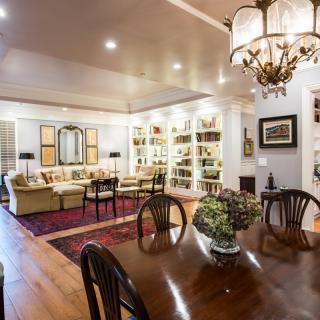
    Dining

    • Diabetes diet Diabetes dietA diabetes diet is crucial for seniors as it helps manage blood sugar levels, reduce risks of complications, and improve overall health and well-being. By following a balanced and nutritious diet tailored to their specific needs, seniors can better control their diabetes and enhance their quality of life.
    • Special dietary restrictions Special dietary restrictionsSpecial dietary restrictions are important for seniors because age-related changes in metabolism and health conditions can make it difficult for their bodies to process certain foods. By following a diet tailored to their specific needs, seniors can maintain their overall health and well-being, manage chronic conditions, and reduce the risk of complications such as malnutrition or food interactions with medications.

    Activities

    • Community-sponsored activities Community-sponsored activitiesCommunity-sponsored activities are important for seniors as they provide opportunities for social interaction, mental stimulation, and physical activity. These activities can help improve overall well-being, combat loneliness and isolation, and promote a sense of belonging and purpose among older adults.
    • Scheduled daily activities Scheduled daily activitiesScheduled daily activities are important for seniors because they provide structure, socialization, mental stimulation, and physical activity. Engaging in regular activities can improve overall well-being and quality of life for seniors living in a community setting.

    Description

    Welcome to Hallmark Assisted Living Alzheimer's Center, a premier community located in Houston, TX, dedicated to providing specialized care for individuals with Alzheimer’s and other memory-related conditions. Our center is designed as a Continuing Care Retirement Community (CCRC) that combines the comfort of home with the necessary assistance tailored to enhance the quality of life for our residents.

    At Hallmark, we understand that each person has unique needs, which is why we offer a range of services within our Skilled Nursing Facility. Our compassionate team provides 24-hour supervision and support with daily activities, including bathing, dressing, and transfers. We also cater to special dietary requirements, ensuring that meals are nutritious and tailored to individual health needs.

    Our community features thoughtfully designed amenities such as fully furnished private rooms equipped with cable or satellite TV and private bathrooms for added convenience. Residents can enjoy our beautiful outdoor spaces and gardens or take advantage of housekeeping services that help maintain a tidy living environment. Additionally, we coordinate non-medical transportation arrangements for outings and appointments.

    Daily life at Hallmark is enriched by scheduled activities that promote engagement and social interaction among residents. With access to nearby cafes, parks, pharmacies, physicians’ offices, restaurants, places of worship, theaters, and hospitals—everything you need is just moments away.

    Discover peace of mind through exceptional care in a warm and welcoming environment at Hallmark Assisted Living Alzheimer's Center. We invite you or your loved ones to experience our supportive community where compassion meets comfort.

    Nearby Places of Interest

    Restaurants

    • North Italia (0.3 miles)
    • Maggiano's (0.4 miles)
    • Grand Lux Cafe (0.7 miles)
    • Steak 48 (0.7 miles)
    • The Cheesecake Factory (0.8 miles)
    • Escalante's Mexican Grille (0.9 miles)
    • P.F. Chang's China Bistro (0.9 miles)

    Cafes

    • Starbucks (0.7 miles)
    • Slowpokes (2.4 miles)
    • Starbucks (2.5 miles)
    • Cafe Layal (2.5 miles)
    • Agora (3.4 miles)
    • Starbucks (3.9 miles)
    • Blacksmith (4 miles)

    Pharmacies

    • CVS Pharmacy (0.7 miles)
    • Walgreens (0.9 miles)
    • CVS Pharmacy (1.1 miles)
    • Walgreens (1.2 miles)
    • CVS Pharmacy (1.4 miles)
    • Walgreens (1.6 miles)
    • Walmart Pharmacy (2 miles)

    Places of Worship

    • St Martin's Episcopal Church (0.9 miles)
    • Rothko Chapel (3.8 miles)

    Physicians

    • Kelsey-Seybold Clinic (1.5 miles)
    • Texas Children's Pediatrics Houston Pediatric Associates (3.2 miles)
    • Allergy & ENT Associates: Kancherla Vikas S MD (3.7 miles)
    • Kelsey-Seybols Clinic Main Campus (3.8 miles)
    • Houston Eye Associates (3.9 miles)
    • Medical Clinic Of Houston, LLP (4 miles)
    • Houston Methodist Primary Care Group (4.4 miles)

    Theaters

    • Regal Edwards Greenway Grand Palace ScreenX & RPX (1.7 miles)
    • Regal Edwards Houston Marq*E Screenx, 4DX, IMAX & RPX (2.5 miles)

    Parks

    • Memorial Park Conservancy (2.2 miles)
    • Levy Park (2.4 miles)
    • Huffington park (2.6 miles)
    • Old Braeswood Park (4.3 miles)

    Hospitals

    • Methodist Outpatient Center (4.4 miles)
    • Houston Methodist Hospital - Smith Tower (4.4 miles)
    • Houston Methodist Hospital - Scurlock Tower (4.4 miles)
    • Texas Children's Pavilion for Women (4.4 miles)
    • Methodist Hospital Dunn Tower (4.5 miles)
    • Texas Children's Hospital (4.5 miles)
    • Texas Children's Hospital (4.5 miles)

    Transportation

    • Memorial Hermann/Hstn Zoo Station (4.4 miles)

    Frequently Asked Questions

    How much does it cost to live at The Hallmark Assisted Living Alzheimer's Center in Houston, TX?
    Where is The Hallmark Assisted Living Alzheimer's Center?

    Nearby Communities

    Related Resources

    • assisted living vs memory careAssisted Living and Memory Care: Understanding Their Core Differences

      Assisted living provides moderate support for seniors seeking independence, while memory care offers specialized support for individuals with dementia or cognitive impairments through structured routines and trained staff. Key differences include care approaches, environment security measures, staff training levels, activity types, and cost considerations.

    • assisted living activitiesBeyond the Bingo Hall: 50+ Enriching Activities for Seniors in Assisted Living

      Assisted living communities offer diverse activities beyond traditional games to enhance seniors' physical health, cognitive well-being, emotional enrichment, and social connections, including fitness classes, creative expression, and intergenerational interactions. These enriching programs foster community bonds and support residents' independence and happiness.

    • assisted living vs memory careUnderstanding the Distinctions: Assisted Living and Memory Care Explained

      The article differentiates between assisted living and memory care, explaining that assisted living supports seniors with daily activities while promoting independence, whereas memory care provides specialized services for individuals with dementia, focusing on secure environments and cognitive support. It also addresses staff training, safety considerations, costs, family involvement, and transition strategies for families navigating these care options.


    Get Pricing Ask A Question Schedule A Tour Contact Senior Advisor