For more information about senior living options: (866) 208-4318
4.9 from 87 reviews
5 stars
83
4 stars
2
3 stars
1
2 stars
0
1 stars
1
Overall Review of Home Instead - Houston Central, Medical Center, TX
common60 reviews mention this
Caregivers provide day-to-day relief
Caregivers are consistently described as helpful and supportive in daily routines.
Many families say the caregivers take practical, hands-on work off their plates, from hygiene and dressing to housekeeping tasks and companionship. Residents and spouses are described as more comfortable and less stressed because care is carried out with attention to day-to-day needs. Several reviews also mention caregivers being patient with memory loss or mobility limits, and adapting as circumstances change.
common55 reviews mention this
Communication feels organized and dependable
Families frequently praise timely communication and responsive office follow-through.
Reviewers repeatedly describe clear communication from the office and the scheduling team, including updates about services and care-team changes. Several families say staff are easy to reach and respond promptly when questions come up. Others mention that when schedules shift, the team coordinates adjustments smoothly, which reduces stress for family members managing care from home or out of town.
differentiator22 reviews mention this
Care plans work for complex conditions
Families describe effective support for memory loss and other evolving health needs.
A recurring theme is that the team is able to handle changing care needs over time, especially for Alzheimer’s and dementia. Reviews describe caregivers staying engaged with residents who have memory loss, and families feeling confident that daily responsibilities are being managed. Some families also recount transitions after hospital stays, hospice involvement, or increased care needs, and say the service helped them stabilize the routine at home.
differentiator30 reviews mention this
Caregiver matching is a frequent highlight
Families often credit careful caregiver matching and setup as a key win.
Multiple reviews emphasize that the owner and care team take time to learn individual needs before starting services. Families describe receiving caregivers they felt were a good fit, and in some cases, adjusting when the first match wasn’t right. There are also mentions of ongoing check-ins to make sure care continues to match the person receiving it.
common18 reviews mention this
Flexibility includes overnight coverage
Families report flexible scheduling options, including overnight and extended coverage.
Several reviews mention plans that go beyond standard daytime help, including 24/7 overnight care and additional hours when needs increase. Families describe relief when coverage is available during travel or after changing medical situations, such as moving from hospital or rehab back home. Others note that replacements are found when caregivers are unavailable, which helps keep care continuity.
caveat2 reviews mention this
Occasional breakdowns in execution
A small number of reviewers report problems with caregivers and communication.
While most feedback is positive, at least a couple of reviews describe lapses such as caregivers not completing important tasks or communication not meeting expectations. One reviewer states they would not recommend the service based on those issues at the time. Another mentions frustration with how schedules and communication can fall short for families.
How we summarize
Counts show how many written reviews mention each theme; a review can touch several themes, and only frequently mentioned themes are displayed.
Features
Transportation
William P X (12 miles away)
George Bush Intercontinental (18 miles away)
Nearby Places of Interest
Restaurants
Escalante's Mexican Grille (0.2 miles)
Steak 48 (0.4 miles)
Maggiano's (1 miles)
The Cheesecake Factory (1 miles)
Grand Lux Cafe (1 miles)
North Italia (1.2 miles)
Torchy’S Tacos (1.2 miles)
Pharmacies
Walgreens (0.4 miles)
CVS Pharmacy (0.7 miles)
Walgreens (1.3 miles)
CVS Pharmacy (1.3 miles)
Walgreens (1.4 miles)
CVS Pharmacy (1.5 miles)
Walmart Pharmacy (1.5 miles)
Theaters
Regal Edwards Greenway Grand Palace ScreenX & RPX (0.6 miles)
Caregiving for an aging parent entails emotional and financial responsibilities accompanied by significant tax implications, including potential benefits from claiming them as dependents and deductions for medical expenses and caregiving costs. Caregivers must understand eligibility requirements, maintain thorough documentation, and consider consulting a tax professional to navigate these complexities effectively.
Low-impact exercises are vital for seniors as they promote health, independence, and social interaction while reducing joint strain. These adaptable activities, guided by healthcare professionals, enhance strength, flexibility, and emotional well-being.
The guide details the tax deductibility of in-home healthcare expenses according to IRS guidelines, differentiating between medically necessary services and non-medical assistance, while emphasizing the need for proper documentation and itemization requirements. It also highlights state-level variations, the importance of record-keeping, and encourages seeking professional tax help to understand evolving regulations.
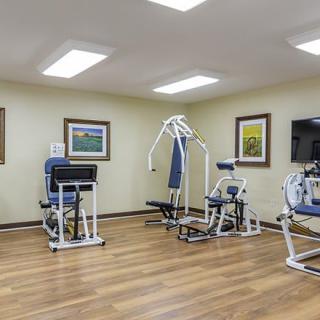
Home Instead - Houston Central, Medical Center, TX photos
×
Get PricingAsk A QuestionSchedule A TourContact Senior Advisor
By clicking submit, you agree to our Partner's Terms of Use. You
also consent to receive calls and texts, which may be autodialed, from our Partner. Your consent is not a condition to
using our Partner's service. Please visit our Partner's Privacy Policy for information about their privacy practices.


 William P X (12 miles away)
 Strong access to nearby amenities and healthcare.





 Navigating the Tax Landscape of Caregiving: Credits, Deductions, and Beyond
 Highly Beneficial Low-Impact Exercises for Senior Living Residents
 Is In-Home Healthcare Tax Deductible? Your Comprehensive Guide