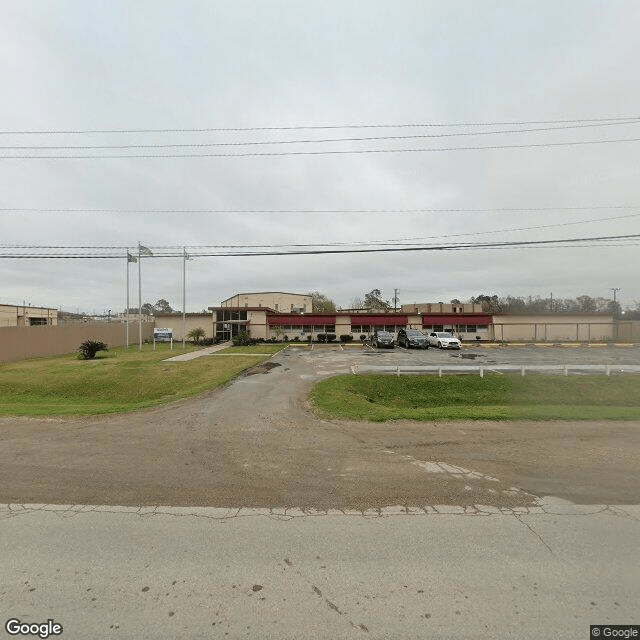
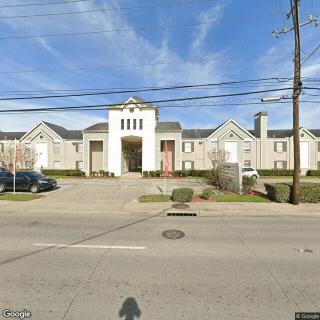
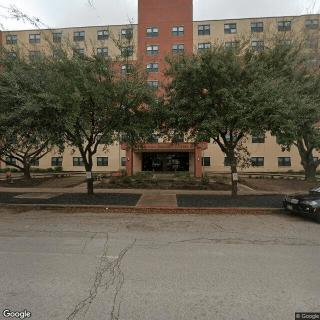
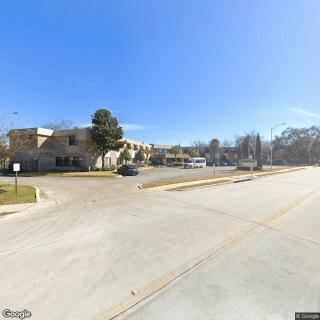
Reid Community-Halfway House in Houston, TX
Save
Information last verified:
10950 Beaumont Hwy, Houston, TX 77078
For more information about senior living options: (844) 490-3973
Best suited for parolees with nowhere else to go who can endure a highly regimented, institutional environment. This community operates as a containment-and-accountability setting rather than a rehabilitative, comfort-focused program. For families, the core value is predictability and compliance, not warmth, dignified care, or personalized medical attention. Those expecting robust health care, respectful staff, and a humane living climate should not count on this facility to deliver. In practical terms, it functions as a last-resort option where the priorities are supervision and transitions back into the system, not healing or independence. Anyone seeking smoother reintegration should look elsewhere.
Alternatives should be seriously considered for almost every other profile. A large share of feedback centers on rude or arrogant administration, a prison-like atmosphere, and safety concerns that undermine trust. Reported issues include drug activity on site, contraband, bed bugs, and chronic shortages of adequate food and privacy. Medical and psychiatric care is described as lacking or inconsistent, and incidents suggesting neglect or mishandling of residents’ needs are not rare. For someone with complex health issues, cognitive or emotional needs, or a desire for respectful, transparent governance, another halfway house, a private-pay rehab, or a community-based option is markedly preferable. In short, this is a high-risk choice for most families.
Pros are narrow and rarely outweigh the downsides. The only clear upside is the existence of a structured setting that enforces routine, which can be valuable for ensuring parole compliance and preventing lapses for some residents. In theory, the program can offer housing continuity when no alternatives exist and access to state-supported services. Yet these advantages are quickly eroded by pervasive reports of disrespectful staff, coercive discipline, and a climate that feels punitive rather than supportive. Occasional help from individual staffers or outreach workers exists, and there are a few anecdotes of helpful interactions, but they are the exception rather than the rule. The tangible benefits do not compensate for chronic safety, health, and quality-of-life failures.
Main cons dominate the picture. Repeated complaints describe administrators who act with arrogance or indifference, turning the facility into a punitive environment rather than a rehabilitative one. The atmosphere is likened to a secure unit, with fears about drugs, theft, and a lack of privacy in crowded dorms. Reports of inadequate meals and neglectful medical or psychiatric care compound the problem, alongside concerns about mismanagement of funds and potential illegal activity within the facility. A sense of instability is amplified by accounts of bed bugs, random searches, and a perception that oversight is insufficient. The combination creates a risk profile that deters prudent placement decisions for vulnerable individuals.
When evaluating options, a disciplined decision framework is essential. Prospective residents or their representatives should conduct in-person visits, talk with current residents, and verify the facility’s current governance and licensing status. Check with state regulators or investigative resources to confirm recent inspections and findings, and triangulate those with independent experiences rather than relying on a single source. Compare with nearby alternatives that offer stronger medical oversight, cleaner facilities, and clearer accountability. Consider the resident’s medical needs, cognitive status, and risk tolerance squarely; if medical care, dignity, and safety are priorities, alternatives are likely superior. If choosing this setting, prepare for a tightly managed, high-surveillance environment with uncertain quality.
Bottom line: this is a high-risk option that challenges most families’ criteria for safe, respectful, and rehabilitative care. The downsides, prison-like conditions, reports of neglect, safety concerns, and governance questions, substantially eclipse any potential structure-based benefit. Only a narrow subset of residents who are on parole and have exhausted other avenues, and who can tolerate a highly controlled atmosphere, should even consider this placement. For most families, alternative halfway houses, hospital-affiliated programs, or community-based reentry supports offer stronger safety, better care, and clearer accountability. Proceed with thorough due diligence, and favor options with transparent governance, verifiable outcomes, and a track record of humane, legitimate operation.
Reid Community-Halfway House is an assisted living community located in the vibrant city of Houston, TX. Situated in a convenient location, residents of this community have access to various amenities and services nearby.
Nature enthusiasts will appreciate having a park just a short distance away from the Reid Community-Halfway House. This provides an excellent opportunity for residents to enjoy outdoor activities such as walking, picnicking, or simply enjoying the beauty of nature.
Additionally, the presence of seven pharmacies in close proximity ensures that residents have easy access to their medication needs. This takes away any inconvenience or stress associated with obtaining prescriptions or medical supplies.
Food lovers will delight in having four restaurants nearby. Whether craving a casual dining experience or seeking gourmet cuisine, residents can explore a range of culinary options without having to venture too far from their home.
Overall, Reid Community-Halfway House offers a convenient and accessible location for seniors who are in need of assistance and care. The combination of nearby parks, pharmacies, and restaurants ensures that residents can maintain an active lifestyle while conveniently meeting their healthcare and dietary needs.
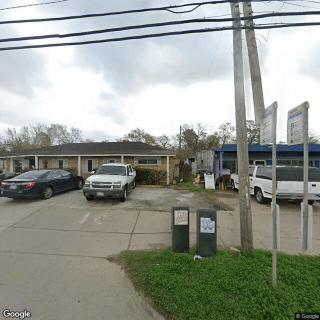
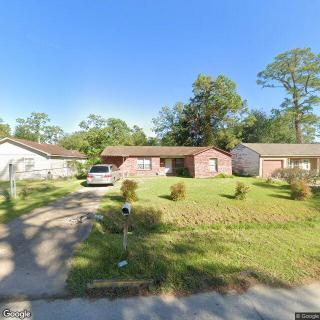
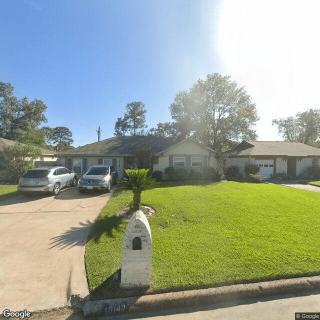
This part of Houston, Texas offers a convenient and accessible location with various amenities nearby. With several pharmacies within a few miles, accessing essential medications and health supplies is easy. There are also a variety of restaurants to choose from, including popular chains like Jack In The Box and Applebee's, as well as local favorites like Captain Tom's Seafood & Oyster Bar. For recreation and relaxation, there are parks such as Gene Green Beltway 8 Park and Discovery Green within reasonable driving distance. Additionally, there are healthcare facilities like Comdet Design and pediatric services available in the area. Places of worship for different faiths are also present for spiritual support. Lastly, the presence of cafes like Starbucks and Catalina Coffee provide social spaces for seniors to enjoy a cup of coffee or meet with friends. Overall, this part of Houston offers a mix of convenience, services, and amenities that can cater to the needs of seniors looking for a comfortable living environment.
Reid Community-Halfway House is located at 10950 Beaumont Hwy, Houston, TX 77078 in Harris County, Texas
A Detailed Exploration of Living Wills and Advance Directives

The article examines living wills and advance directives, highlighting their significance in expressing healthcare preferences for those unable to communicate due to illness or incapacity. It discusses their historical development, legal components, limitations, practical drafting advice, and the importance of clear communication among families and healthcare professionals regarding end-of-life decisions.
Comprehensive Guide to Medicare Coverage for Hospice Care

Hospice care focuses on providing comfort and support for individuals nearing the end of life, with Medicare Part A covering services like nursing care and counseling for patients with a terminal illness and a life expectancy of six months or less. While most hospice services are low-cost for eligible patients, families should be aware that certain expenses, such as room and board, may not be covered.
Caring for Those Who Care: Recognizing, Understanding, and Overcoming Caregiver Burnout
Caregiver burnout is a common issue resulting from the intense physical, emotional, and mental demands of caregiving, leading to symptoms like fatigue and social withdrawal. To prevent burnout, caregivers should recognize early warning signs and implement self-care strategies, seek support, and prioritize their own well-being alongside that of those they care for.