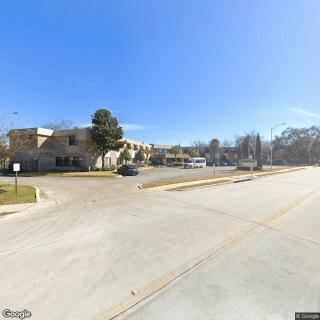
Caring Angels Assisted Living Facility in Houston, TX

Information last verified:

8627 Valley West Ct, Houston, TX 77078

For more information about senior living options: (844) 490-3973

4.9 from 38 reviews
5 stars
33
4 stars
5
3 stars
0
2 stars
0
1 stars
0

Overall Review of Caring Angels Assisted Living Facility

Pros

  • pro Visiting Angels provides compassionate, reliable in-home care that brings peace of mind to families.
  • pro Rex and his team are professional, responsive, and genuinely caring.
  • pro The caregivers arrive on time, provide personal care with dignity, and offer meaningful companionship.
  • pro The initial consultations and ongoing communication help families feel confident in the care plan.
  • pro Visiting Angels quickly assigns experienced overnight caregivers when urgent needs arise.
  • pro Families consistently note the kindness, dedication, and reliability of the caregivers.
  • pro Visiting Angels is a trusted partner in home care, delivering high-quality service with integrity and kindness.

Cons

    Review

    Caring Angels Assisted Living Facility in Houston is best suited for families that want a tightly run, personally attentive care option in which daily living support, companionship, and practical assistance are the core deliverables. The strongest signal from the reviewed experiences is a model where care teams are quickly mobilized, caregivers are dependable, and ongoing communication with a hands-on leadership presence is the norm. This is particularly valuable for loved ones who need help with activities of daily living, who require regular changeovers of caregivers to ensure continuity, or who are navigating transitions from hospital or rehab to home-based support. When the goal is reliable, compassionate care with a focus on dignity and consistent staffing, Caring Angels should be evaluated with the same expectations these families rightly held for top-tier in-home options: rapid response, respectful treatment, and a clear, responsive point of contact.

    Those who may want to consider alternatives are typically families facing needs that go beyond what an assisted living model can provide. If a loved one requires around-the-clock licensed nursing supervision on site, comprehensive medical management, and a setting with on-site physicians, therapy teams, and a guaranteed, structured daily routine, a traditional licensed facility or a skilled nursing community may be a better fit. Likewise, for families prioritizing a formal memory-care environment with tightly controlled wandering safety and a highly structured program, or for those seeking a facility with extensive on-site social programming and peer interaction, alternative configurations could deliver more predictable programming. Finally, cost considerations and the need for a clearly defined, predictable care plan can shift the calculus toward other arrangements if the anticipated expenses or contract terms don’t align with expectations.

    The key strengths evident in the reviewed experiences map well onto what Caring Angels should strive to deliver. Pros include a demonstrated ability to rapidly deploy caregivers, often securing overnight or 24/7 coverage when needed, which reduces anxiety for families during critical moments. The care teams are described as reliable, punctual, and capable of handling complex needs, from dementia-related support to transportation to appointments and hospital visits. The strongest caregivers come with a humane, personable touch, respectful, patient, and consistently oriented toward the loved one’s comfort and dignity. Leadership and coordination stand out, with owners and managers who maintain open lines of communication, facilitate careful caregiver matching, and stay involved enough to smooth scheduling, changes, and special requests. When successful, such alignment, not just individual good days but steady consistency, creates peace of mind that is hard to quantify but easy to value.

    Still, any plan that relies on community-based caregiving or in-home services should anticipate certain constraints that these reviews implicitly reveal. Variability in caregiver availability and turnover can challenge continuity, and even the best scheduling systems may encounter tight windows or last-minute changes. The cost and terms of care are another reality, with ongoing expenses that can escalate as needs intensify. For families, this means a need for clear, written care plans, transparent pricing, and a dependable escalation path if a shift in needs occurs, without forcing loved ones into a new caregiving arrangement midstream. Finally, there is the ever-present question of how well a local provider can integrate medical oversight, medications, or specialized therapies within the daily routine, which is where the right facility versus home-care model becomes a pivotal choice.

    Those strengths and limits point toward a practical decision framework: if Caring Angels can demonstrate consistent caregiver pairing with transparent communication, predictable scheduling, and a robust point of contact who remains accessible through transitions and emergencies, the pros nearly erase the typical cons of in-home or small-team care. However, if the answer to any of these is uncertain, if caregiver turnover feels high, if scheduling is opaque, or if medical oversight needs exceed what the team can reliably provide, families should weigh alternatives more carefully. In such cases, a facility with guaranteed staffing, on-site medical support, and a clearly defined daily schedule may outperform a more fluid home-care model, particularly for progressive or medically intensive needs.

    When evaluating Caring Angels, families should pursue concrete, decision-driving questions. Ask about the caregiver matching process, including evaluation of needs, personality fit, and a trial period to confirm compatibility. Probe how scheduling is managed during holidays, illnesses, or vacations, and request a written escalation protocol for emergencies or changes in care level. Inquire about on-site medical oversight, medication management, and whether licensed professionals are available to supervise or assist as care needs evolve. Compare contracts and pricing structures, hourly rates, live-in arrangements, overnight options, and any fees for transportation, care coordination, or case management. Finally, demand transparency about transition support, how the team handles hospital discharges, rehab assignments, or hospice transitions, and who will be the go-to contact at all hours. If Caring Angels can deliver on these commitments without ambiguity, families will have a clear path to confidence; if gaps appear, the prudent choice is to explore a facility-based option that guarantees staffing consistency and medical oversight.

    Features

    Housing

    • 8 resident community capacity 8 resident community capacity

    Types of Care

    • Assisted Living Assisted LivingAssisted living facilities provide crucial support and care for seniors who may need help with daily tasks such as medication management, bathing, and meal preparation. These communities offer a safe and comfortable environment where seniors can maintain their independence while receiving the assistance they need to thrive in their golden years.
    • Board and Care Home Board and Care HomeBoard and care homes provide a smaller, more intimate setting for seniors who require assistance with daily tasks but do not need the level of care offered by a nursing home. They offer personalized care, meals, and social activities in a homelike environment, ensuring that seniors receive individualized attention and support in their golden years.

    Amenities

    • Cable or satellite TV Cable or satellite TVCable or satellite TV is important for seniors because it provides entertainment, news, and companionship, helping to combat loneliness and boredom. It also offers a wide range of programming options tailored to different interests and preferences.
    • Dining room Dining roomDining rooms are important for seniors as they provide a space for socialization, connection, and nutritious meals. They offer opportunities for residents to bond over shared meals, foster a sense of community, and promote healthy eating habits. Dining rooms also ensure that seniors have access to well-balanced meals tailored to their dietary needs and preferences.
    • Fully furnished Fully furnishedFully furnished senior living communities are important for seniors because they provide convenience, comfort, and a hassle-free moving experience. Seniors can easily settle into their new living space without the stress of having to buy and move furniture. This allows them to focus on enjoying their new home and community.
    • Garden GardenGardens are important for seniors as they provide a peaceful and therapeutic environment for relaxation, physical activity, and socialization. Being in nature has been shown to reduce stress, improve mood, and promote overall well-being. Gardens also offer opportunities for seniors to engage in gardening activities, which can improve mobility, flexibility, and cognitive function. Additionally, gardens create a sense of community and connection with others who share a passion for plants and outdoor spaces.
    • Housekeeping services Housekeeping servicesHousekeeping services are important for seniors because they help maintain a clean and safe living environment, promote independence, and reduce the risk of accidents or illnesses. Additionally, having assistance with household chores can alleviate physical strain and allow seniors to focus on other aspects of their well-being.
    • Move-in coordination Move-in coordinationMove-in coordination is important for seniors because it helps ease the transition into their new living environment. It ensures that all logistics, such as packing, organizing movers, and setting up utilities are taken care of, allowing seniors to focus on settling in and adjusting to their new home. Having a smooth move-in process can alleviate stress and anxiety, making the transition smoother and more enjoyable for seniors.
    • Outdoor space Outdoor spaceOutdoor spaces are important for seniors as they provide opportunities for physical activity, social interaction, exposure to natural light and fresh air, and a sense of connection to nature. Having access to outdoor spaces can improve overall well-being and quality of life for older adults living in senior communities.
    • Telephone TelephoneTelephones are important for seniors as they provide a lifeline for communication with loved ones, emergency services, and healthcare providers. They offer a sense of security and independence, enabling seniors to stay connected and access assistance when needed.
    • Wi-Fi/high-speed internet available Wi-Fi/high-speed internet availableWi-Fi/high-speed internet is important for seniors to stay connected with loved ones, access online resources, and participate in virtual activities to combat feelings of loneliness and isolation. It also allows them to easily manage healthcare needs, access entertainment, and engage in lifelong learning opportunities.

    Transportation

    • George Bush Intercontinental (11 miles away) George Bush Intercontinental (11 miles away)
    • William P X (14 miles away) William P X (14 miles away)

    Care Services

    • 24-hour supervision 24-hour supervision24-hour supervision is important for seniors to ensure their safety, well-being, and access to immediate assistance in case of emergencies or health issues. This constant support provides peace of mind for both seniors and their loved ones, allowing them to age in place with dignity and security.
    • Activities of daily living assistance Activities of daily living assistanceActivities of daily living assistance are important for seniors because they provide essential support with tasks such as eating, bathing, dressing, and mobility. This assistance helps seniors maintain their independence, dignity, and overall quality of life as they age.
    • Assistance with bathing Assistance with bathingAssistance with bathing is crucial for seniors as it helps maintain personal hygiene, prevents infections, and ensures their overall well-being and comfort. It also provides a sense of dignity and independence for seniors who may struggle with this task on their own.
    • Assistance with dressing Assistance with dressingAssistance with dressing is important for seniors because it helps maintain their independence, promotes personal hygiene, prevents accidents and injuries, and improves overall quality of life. This service ensures that seniors can continue to dress comfortably and confidently, despite any physical limitations they may have.
    • Assistance with transfers Assistance with transfersAssistance with transfers is crucial for seniors as it helps prevent falls and injuries, maintains their independence, and ensures they can safely navigate their living environment. It also provides peace of mind for both seniors and their loved ones.
    • Coordination with health care providers Coordination with health care providersCoordination with health care providers is crucial for seniors to ensure proper medical care, medication management, and overall well-being. This collaboration helps prevent overlapping treatments, track progress more effectively, and provide comprehensive support tailored to individual needs.
    • Diabetes diet Diabetes dietA diabetes diet is crucial for seniors as it helps manage blood sugar levels, reduce risks of complications, and improve overall health and well-being. By following a balanced and nutritious diet tailored to their specific needs, seniors can better control their diabetes and enhance their quality of life.
    • Meal preparation and service Meal preparation and serviceMeal preparation and service are crucial for seniors as they may have limited mobility or energy to cook nutritious meals. Having access to healthy and convenient food options can ensure they are getting the proper nutrition needed to maintain their overall health and well-being.
    • Medication management Medication managementMedication management is crucial for seniors to ensure they are taking the right medications at the correct dosages and times. This helps prevent adverse drug interactions, reduces the risk of medication errors, and promotes overall health and well-being. Proactive management also allows for adjustments as needed based on changing health conditions or new prescriptions.
    • Special dietary restrictions Special dietary restrictionsSpecial dietary restrictions are important for seniors because age-related changes in metabolism and health conditions can make it difficult for their bodies to process certain foods. By following a diet tailored to their specific needs, seniors can maintain their overall health and well-being, manage chronic conditions, and reduce the risk of complications such as malnutrition or food interactions with medications.
    • Transportation arrangement (medical) Transportation arrangement (medical)Transportation arrangements for medical purposes are essential for seniors as they may have difficulty driving themselves to appointments or accessing public transportation. Having reliable and safe transportation options ensures that seniors can receive timely medical care and maintain their health and well-being.
    • Transportation to doctors appointments Transportation to doctors appointmentsTransportation to doctors' appointments is crucial for seniors as it ensures they have access to necessary medical care and support for their health needs. Without reliable transportation, seniors may struggle to attend important appointments, leading to potential delays in treatment and health complications. Providing transportation services helps seniors maintain their overall well-being and quality of life.

    Dining

    • Diabetes diet Diabetes dietA diabetes diet is crucial for seniors as it helps manage blood sugar levels, reduce risks of complications, and improve overall health and well-being. By following a balanced and nutritious diet tailored to their specific needs, seniors can better control their diabetes and enhance their quality of life.
    • Special dietary restrictions Special dietary restrictionsSpecial dietary restrictions are important for seniors because age-related changes in metabolism and health conditions can make it difficult for their bodies to process certain foods. By following a diet tailored to their specific needs, seniors can maintain their overall health and well-being, manage chronic conditions, and reduce the risk of complications such as malnutrition or food interactions with medications.

    Activities

    • Community-sponsored activities Community-sponsored activitiesCommunity-sponsored activities are important for seniors as they provide opportunities for social interaction, mental stimulation, and physical activity. These activities can help improve overall well-being, combat loneliness and isolation, and promote a sense of belonging and purpose among older adults.
    • Scheduled daily activities Scheduled daily activitiesScheduled daily activities are important for seniors because they provide structure, socialization, mental stimulation, and physical activity. Engaging in regular activities can improve overall well-being and quality of life for seniors living in a community setting.

    Description

    Caring Angels Assisted Living Facility in Houston, TX is a board and care home that provides a comfortable and nurturing environment for seniors in need of assistance with daily activities. The facility offers a range of amenities to ensure residents have everything they need to live comfortably, including a dining room where delicious meals are served, fully furnished living spaces, a beautiful garden for relaxation, and housekeeping services to maintain cleanliness.

    Caring Angels also understands the challenges that come with moving into a new place, which is why they offer move-in coordination services to help ease the transition. Residents can enjoy spending time outdoors in the facility's outdoor space or stay connected with loved ones through telephone and Wi-Fi/high-speed internet access.

    The dedicated staff at Caring Angels provides comprehensive care services tailored to meet each resident's individual needs. This includes assistance with activities of daily living such as bathing, dressing, and transfers. The caregivers also work closely with health care providers to coordinate medical care effectively.

    For residents with specific dietary requirements or restrictions, Caring Angels offers specialized meal preparation and service. Whether it's managing diabetes through diet or accommodating other dietary restrictions, the facility ensures that each resident's nutritional needs are met.

    Transportation is made easy at Caring Angels as they arrange for medical transportation when needed. Residents can also rely on transportation services provided by the facility for doctors' appointments.

    To keep residents engaged and active, Caring Angels organizes scheduled daily activities that cater to various interests and abilities. These activities aim to promote socialization, physical exercise, mental stimulation, and overall well-being.

    Conveniently located near four pharmacies and several restaurants nearby, Caring Angels provides easy access to essential amenities outside of the facility as well.

    With its comprehensive care services, comfortable amenities, and dedication to meeting residents' needs, Caring Angels Assisted Living Facility offers a supportive community for seniors in Houston seeking quality assisted living care.

    Nearby Places of Interest

    Restaurants

    • Jack In The Box (1.3 miles)
    • Applebee's (5.3 miles)
    • McDonald's (5.4 miles)
    • McDonald's (5.5 miles)
    • McDonald's (5.6 miles)
    • Jason's Deli (5.6 miles)
    • Whataburger (5.6 miles)

    Pharmacies

    • Walgreens (3.1 miles)
    • Walgreens (3.8 miles)
    • Walgreens (4.5 miles)
    • Walgreens (5 miles)
    • CVS Pharmacy (5.3 miles)
    • CVS Pharmacy (5.3 miles)
    • Walgreens (5.5 miles)

    Parks

    • Gene Green Beltway 8 Park (5 miles)
    • Discovery Green (9.7 miles)
    • Newport M.U.D Port O Call Park (10.6 miles)

    Physicians

    • Concierge Audiology (5.7 miles)
    • The Conklin Clinic (6.6 miles)
    • Mehta Medical Group DBA Wellspire Medical (10.1 miles)
    • Millennium Physicians - Family Practice (10.1 miles)
    • Children’s Memorial Hermann Pediatrics Atascocita (10.1 miles)
    • Texas Children's Specialty Care Eagle Springs (10.2 miles)
    • Vital Heart & Vein (10.4 miles)

    Cafes

    • Starbucks (5.9 miles)
    • Segundo Coffee Lab (9.3 miles)
    • Starbucks (9.7 miles)
    • Catalina Coffee (10.1 miles)

    Hospitals

    • Comdet Design (6.3 miles)

    Places of Worship

    • Iglesia Cristo Viene A/G (7.1 miles)
    • Woodlands Church - East Campus (10.2 miles)
    • Northeast Houston Baptist Church (10.4 miles)

    Transportation

    • Metro Bus Stop 663 (9.8 miles)
    • National Car Rental (10 miles)
    • Hertz Rent A Car (10 miles)

    Frequently Asked Questions

    Where is Caring Angels Assisted Living Facility?

    Nearby Communities

    • Marsh Personal Care Home

      Marsh Personal Care Home

      Houston, TX

      4.3 from 8 reviews
      $1,200 / month

      pro Clean, well-run care with affordable pricing.

    • Commons of Grace

      Commons of Grace

      Houston, TX


      pro 24/7 personalized care with comprehensive services (meals, housekeeping, transportation, medication management).

    • Lakewood 24 Hour Personal Care 2

      Lakewood 24 Hour Personal Care 2

      Houston, TX


      pro 24-hour supervision with personalized care in a homelike board-and-care setting.

    • Lakewood 24 Hr Personal Care

      Lakewood 24 Hr Personal Care

      Houston, TX

      1 from 1 review
       

      pro Round-the-clock supervision and care in a home-like setting.

    • A & S Personal Care Home

      A & S Personal Care Home

      Houston, TX


      pro Nearby pharmacies and restaurants with personalized assisted living care.

    • Spiller Personal Care Home

      Spiller Personal Care Home

      Houston, TX

      1 from 1 review
       

      pro Potential for improved care with staff training and maintenance.

    • Ashford Gardens

      Ashford Gardens

      Houston, TX

      4.5 from 113 reviews
      $3,150 / month

      pro Positive changes under new leadership with attentive staff.

    • Houston Heights Tower

      Houston Heights Tower

      Houston, TX

      4 from 81 reviews
       

      pro Renovations aim to modernize the building, potentially improving living conditions for aging residents.

    • The Bradford Memory Care

      The Bradford Memory Care

      Humble, TX

      4.9 from 37 reviews
      $3,900 to $5,600 / month

      pro Compassionate staff, engaging activities, and restaurant-style dining.

    Related Resources

    • assisted living vs nursing homeChoosing the Right Senior Care: A Detailed Exploration of Assisted Living and Nursing Homes

      Choosing between assisted living and nursing homes involves evaluating emotional and financial factors, with assisted living offering independence and support for daily activities at a lower cost, while nursing homes provide intensive medical care for individuals with significant health needs. The decision is influenced by personal preferences, health status, cognitive function, and varying Medicaid coverage across states.

    • assisted living costUnderstanding the True Cost of Assisted Living in 2025: A Comprehensive Guide

      Assisted living in 2025 offers a crucial balance of independence and support for seniors, with costs varying from $2,500 to over $7,000 per month based on factors such as location and care level. Understanding pricing complexities, including regional differences and potential hidden fees, is essential for families to plan financially while ensuring quality care for their loved ones.

    • does medicaid pay for assisted livingUnderstanding Medicaid Coverage for Assisted Living: A Comprehensive Guide

      The guide outlines the complexities of Medicaid coverage for assisted living, highlighting significant state-to-state variations, limited coverage often restricted to personal care services, and the existence of specialized waivers for certain needs like memory care. It advises families to consult local Medicaid offices for options while emphasizing the importance of understanding state-specific regulations and facility policies.