North Houston Transitional Care

Save

  • Interior

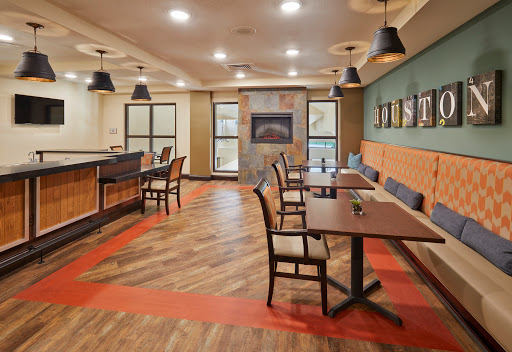
    A cozy and modern lobby seating area featuring comfortable chairs and a warm ambiance.
  • Decor

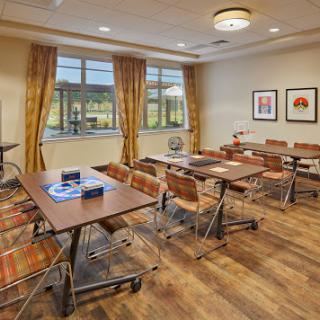
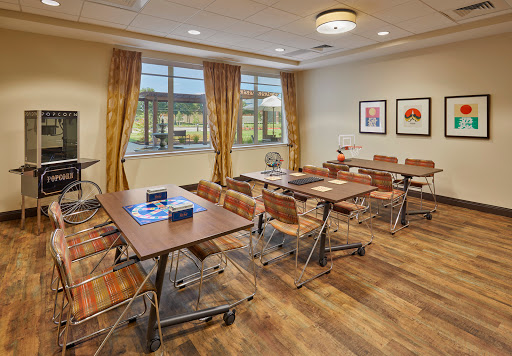
    A well-lit meeting room with modern furnishings, featuring tables and chairs arranged for group activities.
  • Building

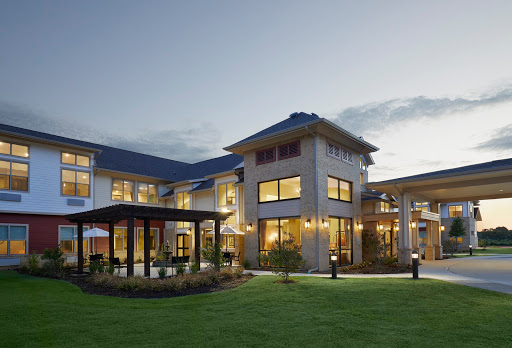
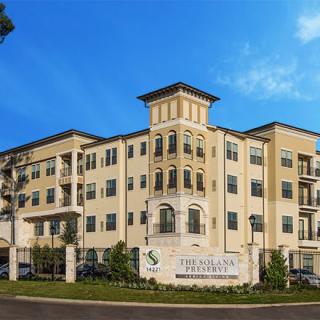
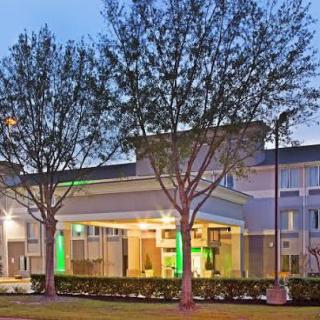
    A modern residential building illuminated at dusk, showcasing stylish architecture and landscaped surroundings.
  • Bedroom

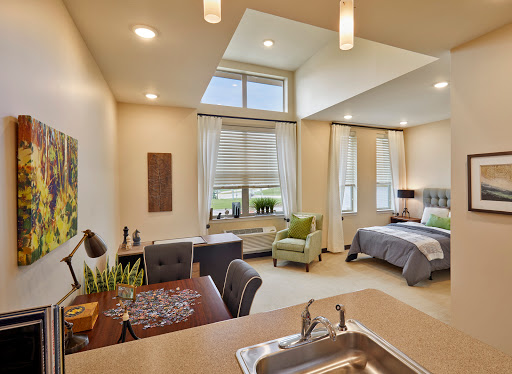
    A spacious and modern bedroom with a cozy workspace, featuring bright lighting and a serene view.
  • Windows

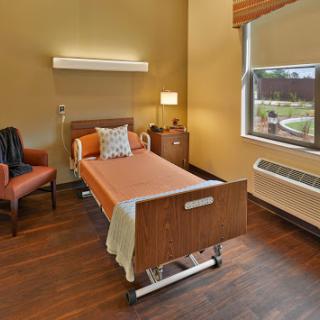
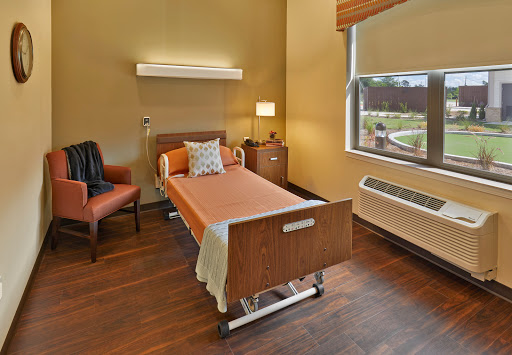
    A serene and well-designed hospital patient room featuring a bed, a comfortable chair, and ample natural light.
  • Dining

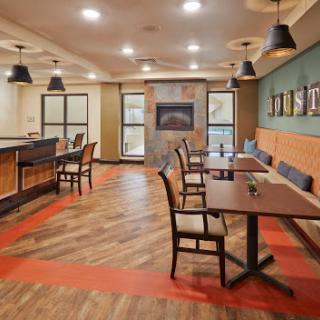
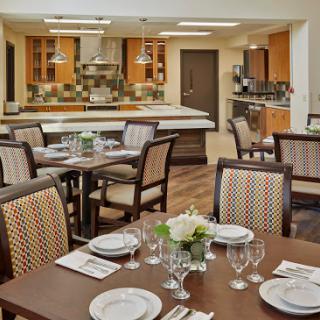
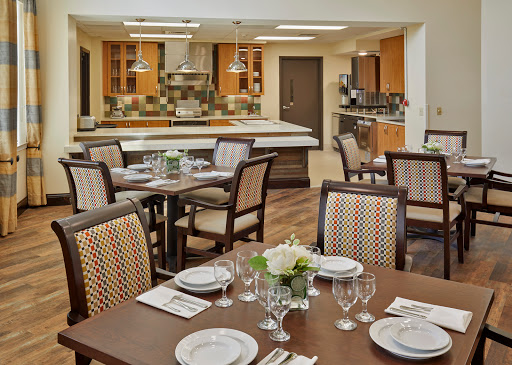
    A modern dining area featuring stylish furniture and warm lighting.
  • Landscaping

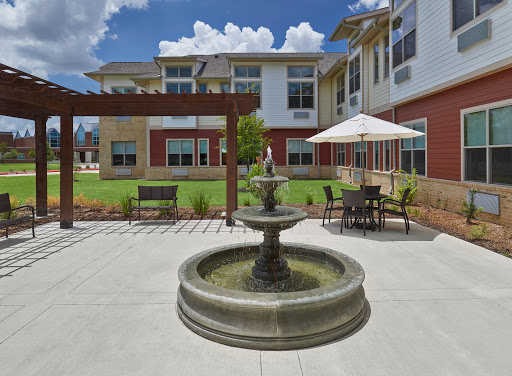
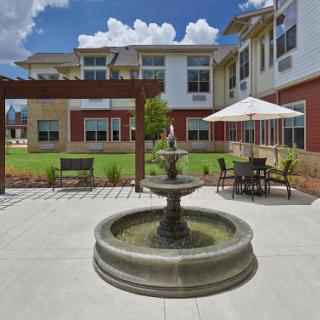
    A serene courtyard featuring a fountain and comfortable outdoor seating for relaxation.
  • Kitchen

    A beautifully arranged dining area with a modern kitchen in the background.
  • Artwork

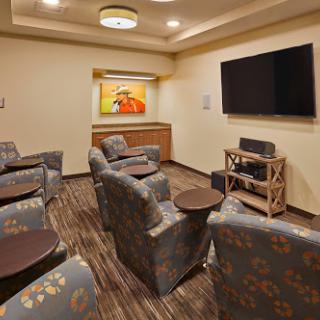
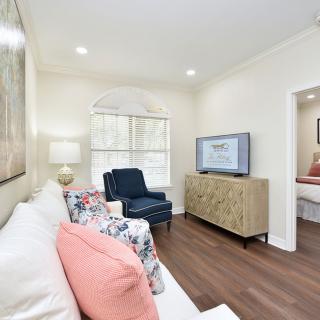
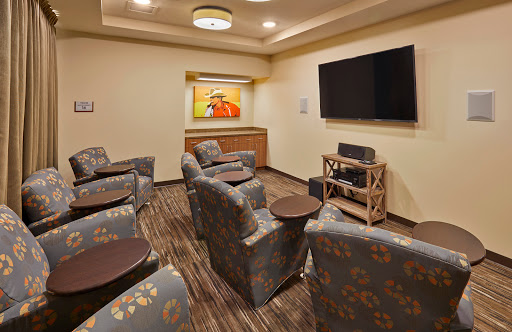
    A cozy lounge area featuring comfortable chairs, a television for entertainment, and vibrant artwork on the walls.
  • Exercise Equipment

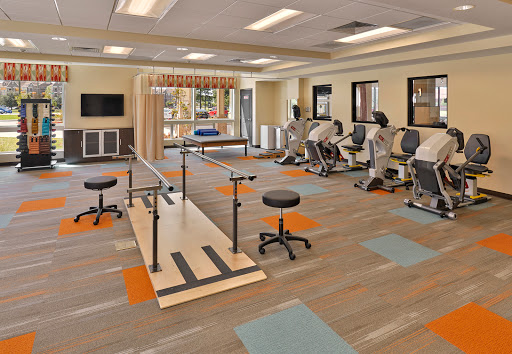
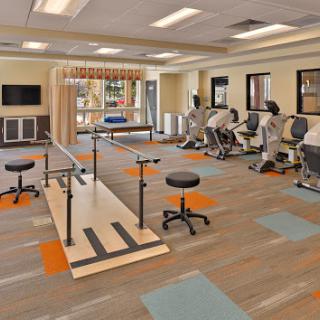
    A well-equipped rehabilitation therapy room featuring exercise stations and a balance beam.

North Houston Transitional Care

9814 Grant Road, Houston, TX 77070

For more information about senior living options: (844) 490-3973

4 from 127 reviews
5 stars
88
4 stars
5
3 stars
3
2 stars
5
1 stars
26

Assisted Living Skilled Nursing Facility

North Houston Transitional Care Costs & Pricing

North Houston Transitional Care offers competitive pricing for its accommodations compared to the broader costs within Harris County and across Texas. Residents can expect to pay $3,450 per month for a studio, which is notably lower than the county average of $4,021 and also below the state average of $3,758. For a one-bedroom suite, the monthly fee of $3,700 remains attractively priced against both the county rate of $4,027 and the state rate of $3,761. This positioning not only highlights North Houston Transitional Care as an economically advantageous option for individuals seeking transitional living arrangements but also underscores its commitment to providing quality care at accessible rates within the region.

Floor plansNorth Houston Transitional CareHarris CountyTexas
Studio$3,450$4,021$3,758
1 Bedroom$3,700$4,027$3,761

Overall Review of North Houston Transitional Care

Pros

  • pro The facility is clean, welcoming, and well-managed.
  • pro The staff are caring, attentive, and professional.
  • pro Sabina, the activities director, is dedicated, engaging, and highly appreciated by residents.
  • pro Dan, the physical therapist, is innovative and encouraging.
  • pro The nursing staff, CNAs, and rehab team are praised for excellent care and compassion.
  • pro Housekeeping keeps the rooms clean and the halls sparkling.
  • pro The facility offers engaging activities that residents enjoy, such as bingo and coloring, led by Sabina.
  • pro The staff treats patients with care and respect and is supportive to families.
  • pro The facility is highly recommended for recovery and care.
  • pro Parking is easy and convenient.

Cons

  • pro The facility was severely understaffed, with only two aides for 34 patients at night.
  • pro The call button did not work properly and was not promptly fixed.
  • pro Medications were delivered slowly, taking a long time to administer.
  • pro The bed lacked rails and was narrower than a standard twin bed, creating safety concerns.
  • pro Communication was unreliable; staff often did not return calls or provide answers.
  • pro Wound care was delayed, leaving the patient soaked for hours before a change.
  • pro Staff were described as overworked and underpaid, with some rude behavior.
  • pro One reviewer labeled the facility the worst they had experienced and would not recommend it.
  • pro Inadequate care led to the patient needing to transfer to another facility.

Review

North Houston Transitional Care is a place that many residents and families remember with a mix of warmth and frustration. On the plus side, the facility is repeatedly described as clean, welcoming, and well-managed, with staff who genuinely care about patients and their families. Several reviews highlight how supportive and respectful the staff can be, and how much effort goes into making the environment pleasant. Families appreciate how the facility feels bright and homey, and many say that the staff treat patients with kindness and dignity. Notably, the rehabilitation and activity offerings stand out in multiple comments, giving residents a sense of purpose and engagement even during challenging recoveries.

The care in the rehabilitation and therapy domains is frequently praised. Multiple reviewers highlight the expertise and dedication of therapists, particularly in physical therapy. Names that recur include Dan, who is credited with inventiveness and motivating his patients, especially in helping a bilateral amputee stand and balance with two prosthetics. Other therapists and therapists' aides - Maria in occupational therapy, Sharon, Sandra, Jan, and more - are often commended for their professionalism, persistence, and ability to lift spirits. The overall sentiment is that therapy at North Houston Transitional Care can be highly effective and uplifting, with several residents expressing gratitude for the progress they made and the emotional support they received from their therapists and nursing staff.

Nursing staff also receive widespread recognition when things go well. Some residents and family members single out individual nurses for exceptional, compassionate care and steady communication. Diedra M. is named as a favorite nurse by one reviewer, while another patient praises a nurse named Deidre for extensive knowledge about medications, patient-specific care, and even the humor she brought to the day. Weekend coverage from a nurse named Kevin is described as kind, professional, and responsive. A number of CNAs - Monica, Iffy, Sonya, Simme, and others - are repeatedly acknowledged for their attentiveness and the everyday kindness they show. In these accounts, staff familiarity, a sense of personal connection, and the ability to provide steady, attentive care are what make a positive difference for residents.

However, the experience is not uniform, and concerns about understaffing and responsiveness appear in several reviews. A recurring theme is that at night, the facility can feel dangerously understaffed, with reports of only two aides for 34 patients and one aide being responsible for a large group. This leads to delayed responses to calls and questions, and worker fatigue that seems to impact day-to-day operations. There are also specific instances of delay or gaps in care: a wound vac issue where a dressing change took too long, a resident waiting hours to be changed, and a general sense that some calls to directors or nurses stations did not get returned promptly. One sensitive, strongly worded critique describes a highly problematic experience where a wife's wound care was neglected for hours, prompting a transfer to another facility and a formal complaint.

Intermixed with the praise are additional notes about communication and consistency. Some reviewers mention doctors visiting and communication with families as an area that could improve, indicating that information flow from physicians and hospital teams to family members is not always seamless. Others point out that day-to-day staff may be overworked or perceived as underpaid, which can affect morale and responsiveness. Yet even within these critiques, there are mentions of partial improvements or the perception that problems were acknowledged and addressed - though the timing of such fixes sometimes felt too late for those involved.

Other voices highlight the facility's strengths in activities and family support. Sabina (or Sabena, as referred to in some entries), the activities director, is repeatedly praised for her tireless efforts to keep patients engaged. She is credited with running multiple programs, facilitating bingo and other activities, and remembering patients' names and needs with impressive accuracy. The energy she brings to moving from room to room to encourage participation is described as a bright spot in many residents' days, and families frequently mention the positive impact of having an activities director who truly cares about emotional well-being as well as physical recovery.

In several testimonials, the care experience extends beyond the patient to include families, with many reviewers noting the facility's welcoming approach to relatives. A notary who visited spoke highly of how staff treated patients and their families with respect, noting clean facilities, easy parking, and a generally supportive atmosphere that makes North Houston Transitional Care a favorable choice for recovery and ongoing care. Others describe the facility as a good long-term option for rehabilitation, praising the blend of clinical care, therapy, and meaningful activities as reasons they would recommend it to others.

The most balanced takeaway from these varied perspectives is a picture of a facility that excels in many core areas - cleanliness, a warm and encouraging environment, capable and compassionate therapists and nurses, and a robust activities program - while still contending with systemic challenges like staffing ratios, call responsiveness, and occasional delays in routine care. Residents who experience consistent, attentive care, strong therapy, and engaging activities tend to speak highly of North Houston Transitional Care and would gladly recommend it. Those who endure understaffing or communication gaps describe the opposite experience more acutely, underscoring that improvements in staffing levels and reliable, timely communication could elevate the overall quality of care for all residents.

Features

Housing

  • 24 resident community capacity 24 resident community capacity

Types of Care

  • Assisted Living Assisted LivingAssisted living facilities provide crucial support and care for seniors who may need help with daily tasks such as medication management, bathing, and meal preparation. These communities offer a safe and comfortable environment where seniors can maintain their independence while receiving the assistance they need to thrive in their golden years.
  • Skilled Nursing Facility Skilled Nursing FacilitySkilled Nursing Facilities are crucial for seniors as they provide round-the-clock medical care, rehabilitation services, and assistance with daily activities. These facilities ensure that seniors receive the specialized care they need to maintain their health and well-being as they age.

Amenities

  • Activities on-site Activities on-siteActivities on-site are important for seniors because they provide opportunities for socialization, mental stimulation, physical activity, and overall well-being. Engaging in activities can help seniors stay active, maintain their independence, and improve their quality of life.
  • Beauty salon Beauty salonBeauty salons are important for seniors because they provide a space for them to feel pampered, socialize, and maintain their personal grooming and hygiene. Regular visits to a beauty salon can help boost seniors' self-esteem and overall well-being.
  • Cable or satellite TV Cable or satellite TVCable or satellite TV is important for seniors because it provides entertainment, news, and companionship, helping to combat loneliness and boredom. It also offers a wide range of programming options tailored to different interests and preferences.
  • Devotional services off-site Devotional services off-siteDevotional services off-site are important for seniors as they provide spiritual nourishment, social engagement, and a sense of community outside of the senior living facility. This can enhance overall well-being and help combat feelings of isolation and loneliness often experienced by older adults.
  • Dining room Dining roomDining rooms are important for seniors as they provide a space for socialization, connection, and nutritious meals. They offer opportunities for residents to bond over shared meals, foster a sense of community, and promote healthy eating habits. Dining rooms also ensure that seniors have access to well-balanced meals tailored to their dietary needs and preferences.
  • Fully furnished Fully furnishedFully furnished senior living communities are important for seniors because they provide convenience, comfort, and a hassle-free moving experience. Seniors can easily settle into their new living space without the stress of having to buy and move furniture. This allows them to focus on enjoying their new home and community.
  • Garden GardenGardens are important for seniors as they provide a peaceful and therapeutic environment for relaxation, physical activity, and socialization. Being in nature has been shown to reduce stress, improve mood, and promote overall well-being. Gardens also offer opportunities for seniors to engage in gardening activities, which can improve mobility, flexibility, and cognitive function. Additionally, gardens create a sense of community and connection with others who share a passion for plants and outdoor spaces.
  • Housekeeping services Housekeeping servicesHousekeeping services are important for seniors because they help maintain a clean and safe living environment, promote independence, and reduce the risk of accidents or illnesses. Additionally, having assistance with household chores can alleviate physical strain and allow seniors to focus on other aspects of their well-being.
  • Indoor common areas Indoor common areasIndoor common areas are crucial for seniors as they provide a space for socialization, recreation, and community engagement, promoting overall well-being and reducing feelings of isolation and loneliness.
  • Kitchenette KitchenetteKitchenettes are important for seniors living in senior living communities because they provide the convenience and independence of being able to prepare simple meals and snacks in the comfort of their own living space. This can help promote a sense of autonomy and well-being for seniors, allowing them to maintain some level of control over their dietary choices and daily routines.
  • Move-in coordination Move-in coordinationMove-in coordination is important for seniors because it helps ease the transition into their new living environment. It ensures that all logistics, such as packing, organizing movers, and setting up utilities are taken care of, allowing seniors to focus on settling in and adjusting to their new home. Having a smooth move-in process can alleviate stress and anxiety, making the transition smoother and more enjoyable for seniors.
  • Outdoor space Outdoor spaceOutdoor spaces are important for seniors as they provide opportunities for physical activity, social interaction, exposure to natural light and fresh air, and a sense of connection to nature. Having access to outdoor spaces can improve overall well-being and quality of life for older adults living in senior communities.
  • Telephone TelephoneTelephones are important for seniors as they provide a lifeline for communication with loved ones, emergency services, and healthcare providers. They offer a sense of security and independence, enabling seniors to stay connected and access assistance when needed.
  • Wi-Fi/high-speed internet available Wi-Fi/high-speed internet availableWi-Fi/high-speed internet is important for seniors to stay connected with loved ones, access online resources, and participate in virtual activities to combat feelings of loneliness and isolation. It also allows them to easily manage healthcare needs, access entertainment, and engage in lifelong learning opportunities.

Transportation

  • George Bush Intercontinental (13 miles away) George Bush Intercontinental (13 miles away)

Care Services

  • 24-hour call system 24-hour call system24-hour call systems are important for seniors because they provide peace of mind and immediate assistance in case of emergencies. This technology ensures that help is always available, promoting safety and security for elderly individuals living alone or in assisted living facilities.
  • 24-hour supervision 24-hour supervision24-hour supervision is important for seniors to ensure their safety, well-being, and access to immediate assistance in case of emergencies or health issues. This constant support provides peace of mind for both seniors and their loved ones, allowing them to age in place with dignity and security.
  • Activities of daily living assistance Activities of daily living assistanceActivities of daily living assistance are important for seniors because they provide essential support with tasks such as eating, bathing, dressing, and mobility. This assistance helps seniors maintain their independence, dignity, and overall quality of life as they age.
  • Ambulatory care Ambulatory care"Ambulatory care services provide essential medical support and treatment to seniors without requiring hospitalization, allowing them to maintain their independence and quality of life while managing chronic conditions or receiving routine medical care."
  • Assistance with bathing Assistance with bathingAssistance with bathing is crucial for seniors as it helps maintain personal hygiene, prevents infections, and ensures their overall well-being and comfort. It also provides a sense of dignity and independence for seniors who may struggle with this task on their own.
  • Assistance with dressing Assistance with dressingAssistance with dressing is important for seniors because it helps maintain their independence, promotes personal hygiene, prevents accidents and injuries, and improves overall quality of life. This service ensures that seniors can continue to dress comfortably and confidently, despite any physical limitations they may have.
  • Assistance with transfers Assistance with transfersAssistance with transfers is crucial for seniors as it helps prevent falls and injuries, maintains their independence, and ensures they can safely navigate their living environment. It also provides peace of mind for both seniors and their loved ones.
  • Coordination with health care providers Coordination with health care providersCoordination with health care providers is crucial for seniors to ensure proper medical care, medication management, and overall well-being. This collaboration helps prevent overlapping treatments, track progress more effectively, and provide comprehensive support tailored to individual needs.
  • Diabetes diet Diabetes dietA diabetes diet is crucial for seniors as it helps manage blood sugar levels, reduce risks of complications, and improve overall health and well-being. By following a balanced and nutritious diet tailored to their specific needs, seniors can better control their diabetes and enhance their quality of life.
  • Diabetic care Diabetic careDiabetic care is crucial for seniors as they are more susceptible to developing diabetes due to aging and other health conditions. Proper management of diabetes can help prevent complications such as heart disease, vision loss, and nerve damage, improving the overall quality of life for seniors in senior living communities.
  • Meal preparation and service Meal preparation and serviceMeal preparation and service are crucial for seniors as they may have limited mobility or energy to cook nutritious meals. Having access to healthy and convenient food options can ensure they are getting the proper nutrition needed to maintain their overall health and well-being.
  • Medication management Medication managementMedication management is crucial for seniors to ensure they are taking the right medications at the correct dosages and times. This helps prevent adverse drug interactions, reduces the risk of medication errors, and promotes overall health and well-being. Proactive management also allows for adjustments as needed based on changing health conditions or new prescriptions.
  • Mental wellness program Mental wellness programMental wellness programs are essential for seniors as they promote cognitive stimulation, emotional support, and social engagement. These programs help prevent isolation, depression, and cognitive decline, ultimately enhancing the overall quality of life for older adults.
  • Special dietary restrictions Special dietary restrictionsSpecial dietary restrictions are important for seniors because age-related changes in metabolism and health conditions can make it difficult for their bodies to process certain foods. By following a diet tailored to their specific needs, seniors can maintain their overall health and well-being, manage chronic conditions, and reduce the risk of complications such as malnutrition or food interactions with medications.
  • Transportation arrangement (medical) Transportation arrangement (medical)Transportation arrangements for medical purposes are essential for seniors as they may have difficulty driving themselves to appointments or accessing public transportation. Having reliable and safe transportation options ensures that seniors can receive timely medical care and maintain their health and well-being.
  • Transportation to doctors appointments Transportation to doctors appointmentsTransportation to doctors' appointments is crucial for seniors as it ensures they have access to necessary medical care and support for their health needs. Without reliable transportation, seniors may struggle to attend important appointments, leading to potential delays in treatment and health complications. Providing transportation services helps seniors maintain their overall well-being and quality of life.
Dining

  • Diabetes diet Diabetes dietA diabetes diet is crucial for seniors as it helps manage blood sugar levels, reduce risks of complications, and improve overall health and well-being. By following a balanced and nutritious diet tailored to their specific needs, seniors can better control their diabetes and enhance their quality of life.
  • Meals provided Meals provided"Meals provided" are crucial for seniors in assisted living communities as it ensures they have access to nutritious, balanced meals without the stress of meal planning and preparation. This can help promote overall health and well-being for seniors who may have limited mobility or cognitive abilities.
  • Special dietary restrictions Special dietary restrictionsSpecial dietary restrictions are important for seniors because age-related changes in metabolism and health conditions can make it difficult for their bodies to process certain foods. By following a diet tailored to their specific needs, seniors can maintain their overall health and well-being, manage chronic conditions, and reduce the risk of complications such as malnutrition or food interactions with medications.

Activities

  • Activities on-site Activities on-siteActivities on-site are important for seniors because they provide opportunities for socialization, mental stimulation, physical activity, and overall well-being. Engaging in activities can help seniors stay active, maintain their independence, and improve their quality of life.
  • Community-sponsored activities Community-sponsored activitiesCommunity-sponsored activities are important for seniors as they provide opportunities for social interaction, mental stimulation, and physical activity. These activities can help improve overall well-being, combat loneliness and isolation, and promote a sense of belonging and purpose among older adults.
  • Devotional activities offsite Devotional activities offsiteDevotional activities offsite are important for seniors because they provide social engagement, spiritual growth, and a sense of community outside of their living environment. This can improve overall well-being, mental health, and combat feelings of isolation or loneliness.
  • Scheduled daily activities Scheduled daily activitiesScheduled daily activities are important for seniors because they provide structure, socialization, mental stimulation, and physical activity. Engaging in regular activities can improve overall well-being and quality of life for seniors living in a community setting.

Description

The North Houston Transitional Care facility in Houston, TX offers high-quality care in a skilled nursing facility setting. Residents can enjoy numerous amenities such as a beauty salon, cable or satellite TV, and access to off-site devotional services. The dining room provides delicious meals with special dietary restrictions accommodated. The fully furnished living spaces offer comfort and convenience.

The facility boasts lovely indoor common areas and outdoor spaces for residents to relax and socialize. There is also a kitchenette available for personal use. Housekeeping services ensure that the living spaces remain clean and tidy.

Residents receive 24-hour supervision along with assistance with daily activities such as bathing, dressing, and transfers. The dedicated staff coordinates with healthcare providers and offers medication management services. Diabetic care and specialized diets are also provided.

Transportation arrangements are available for medical appointments, ensuring residents can easily access necessary healthcare services. In terms of nearby facilities, there are two cafes, two parks, 14 pharmacies, one physician's office, 23 restaurants, two places of worship, and one theater in close proximity.

To keep residents engaged and active, community-sponsored activities are organized regularly. Additionally, off-site devotional activities provide spiritual opportunities while scheduled daily activities cater to various interests.

Overall, the North Houston Transitional Care facility offers exceptional care with a range of amenities to enhance the well-being of its residents in a convenient location surrounded by various useful facilities.

Videos

Nearby Places of Interest

This part of Houston, Texas offers a variety of amenities and services that may be appealing to seniors looking for a convenient and comfortable living environment. With multiple cafes, pharmacies, restaurants, parks, theaters, places of worship, physicians' offices, and hospitals within close proximity, residents have easy access to essential resources and recreational opportunities. The presence of well-known chains like Starbucks, CVS Pharmacy, and Chili's Grill & Bar suggests a level of familiarity and convenience for those seeking reliable services. Additionally, the availability of healthcare facilities such as Cypress Clinic | Kelsey-Seybold and Houston Northwest Medical Center ensures that medical care is readily accessible. Overall, this area provides a blend of convenience and community support that could enhance the quality of life for older individuals considering senior living options in Houston.

Cafes

  • Starbucks (0.8 miles)
  • Panera Bread (3.4 miles)
  • Pj's Coffee (6.7 miles)
  • Starbucks (8 miles)
  • Starbucks (8.8 miles)

Pharmacies

  • CVS Pharmacy (1 miles)
  • Kroger Pharmacy (1.5 miles)
  • Walgreens (1.6 miles)
  • CVS Pharmacy (1.6 miles)
  • Walgreens (2.4 miles)
  • Walgreens (2.7 miles)
  • CVS Pharmacy (3.2 miles)

Parks

  • Matzke Park (1.2 miles)
  • Willowood Park (4.8 miles)
  • Oakwood Glen Park and Jogging Track (5.3 miles)
  • Ponderosa Park (7.2 miles)
  • Dyess Soccer Fields (8.4 miles)

Restaurants

  • McDonald's (1.3 miles)
  • BJ's Restaurant & Brewhouse (1.3 miles)
  • Chili's Grill & Bar (1.3 miles)
  • In-N-Out Burger (1.3 miles)
  • Perry's Steakhouse & Grille (1.5 miles)
  • Pappasito's Cantina (1.8 miles)
  • Chick-Fil-A (1.9 miles)

Theaters

  • AMC Willowbrook 24 (1.7 miles)

Places of Worship

  • John Wesley United Methodist Church (2.8 miles)
  • First Metropolitan Church (4.9 miles)
  • St John Lutheran Church (5.6 miles)
  • New Life Fellowship (5.7 miles)
  • St John Neumann Catholic Church (6.7 miles)

Physicians

  • Cypress Clinic | Kelsey-Seybold (4.4 miles)
  • Blue Fish Pediatrics (5.3 miles)
  • Affinity Medical Associates Clinic (5.7 miles)
  • Copperfield Family Medicine (7.1 miles)
  • Sterling Ridge Orthopaedics & Sports Medicine (7.8 miles)
  • Spring Dermatology (8 miles)
  • Hammit, Matthew D, Md - Texas Orthopaedic & Sports (8.7 miles)

Hospitals

  • 5 Cross Ranch (8.1 miles)
  • Houston Northwest Medical Center (8.2 miles)

Frequently Asked Questions

How much does it cost to live at North Houston Transitional Care in Houston, TX?
Where is North Houston Transitional Care?
What photos are available for North Houston Transitional Care in Houston, Texas?

Nearby Communities

Related Resources

  • activities of daily livingComprehensive Insights into Activities of Daily Living (ADLs) and Their Assessment

    Activities of Daily Living (ADLs) are fundamental tasks vital for an individual's independence, particularly in older adults over 85, and include functions like bathing and dressing; assessing ADLs alongside Instrumental Activities of Daily Living (IADLs) helps determine the level of required assistance due to age-related health challenges. Tailored support plans, involving family and community resources, are essential for maintaining dignity and autonomy in assisted living environments.

  • does medicare pay for assisted livingMedicare Coverage for Assisted Living: An In-Depth Exploration

    Medicare does not cover assisted living costs, as it focuses on acute medical needs and short-term care, with exceptions for certain medically necessary services like physical therapy. Individuals must explore other options such as Medicaid, veterans' benefits, or long-term care insurance to manage these expenses effectively.

  • assisted living vs nursing homeChoosing the Right Senior Care: A Detailed Exploration of Assisted Living and Nursing Homes
    Choosing between assisted living and nursing homes involves evaluating emotional and financial factors, with assisted living offering independence and support for daily activities at a lower cost, while nursing homes provide intensive medical care for individuals with significant health needs. The decision is influenced by personal preferences, health status, cognitive function, and varying Medicaid coverage across states.