
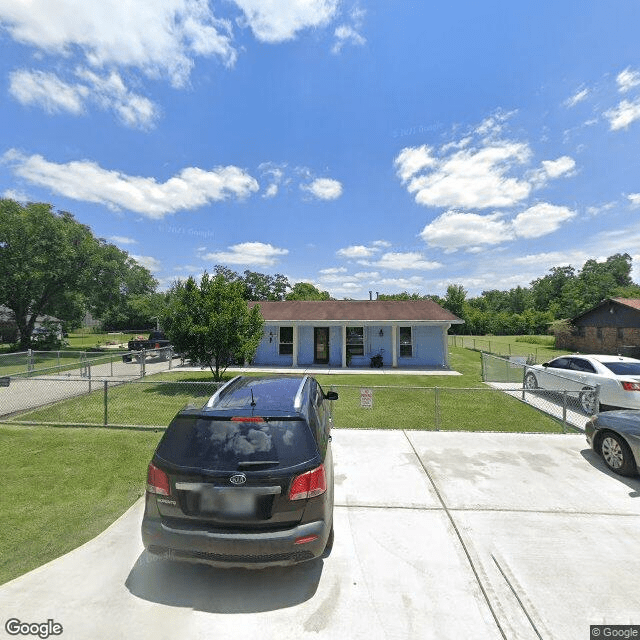
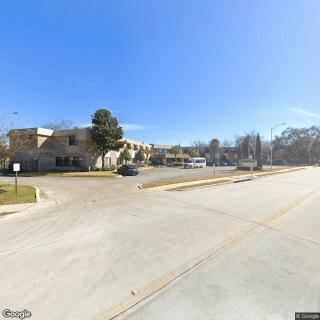
15718 Faywood Dr, Houston, TX 77060
To contact a resident: (281) 931-3061
For more information about senior living options: (866) 208-4318
Overall Review of Capri Personal Care Home
Pros
 Mrs Kathryn and the staff were always so nice.
 - The staff are very devoted to their clients.
- Ms Kathren and Ms Tina treat the kids like family.
- The daughter is in a much better place where she is cared for, taken on field trips, and is now working.
Cons
 She had been beaten up by a caregiver with a serious bloody black eye.
- The owners lie, lie and lie.
- The doctor told them not to send her back to Capri.
- The reviewer realized she would come home with black eyes and bruises.
Review
Capri Personal Care Home in Houston is best suited for families seeking a small, home-like setting where a child or young resident can receive daily supervision and personalized attention from caregivers who feel like part of the family. The appeal is the intimate, steady environment: familiar faces, long-standing routines, and a sense that staff care on a personal level. This option can be especially attractive to families who want ongoing warmth and a consistent caregiving presence, not a large institutional program. However, the upside rests on a narrow operating footprint and a reliance on a limited team, which means governance, safety oversight, and incident response hinge on the owners and front-line staff rather than a broad organizational infrastructure. When safety and transparent accountability are non-negotiable, that dependence becomes a decisive flaw.
Those with strong safety requirements or who demand rigorous, verifiable protections should consider alternatives. The reviews imply a potential mismatch between a cozy, family-style setting and the demands of formal protection, incident documentation, and independent verification. If licensing rigor, clear incident reporting, and predictable escalation protocols are essential, larger licensed facilities or programs with documented oversight may serve better. Likewise, for residents with complex medical or behavioral needs that require a larger staff and more structured supervision, Capri’s small-scale model may fall short compared with more resourced residential options.
On the upside, the facility earns credibility through expressions of genuine devotion from caregivers and a credible sense of family-level care. The remarks about staff, specifically named caregivers who are described as treating residents like family, underscore a culture of warmth and personal investment. Families looking for a setting where routines feel predictable and where caregivers strive to form consistent, supportive relationships may experience meaningful, day-to-day benefits. The strong, affectionate tone in several accounts signals that, when operations run smoothly, residents respond well to individualized attention and the comfort of familiar faces in a small, home-style environment.
Yet the most troubling dimension of the record is the serious safety concern raised in one review: a motor of harm that culminated in a hospitalization for an individual described as a resident, with subsequent claims that the doctor advised against returning. Allegations that owners lied about medical information and that requested doctor reports were not provided amplify questions about transparency and accountability. Such a combination of alleged abuse, documentation gaps, and credibility challenges cannot be dismissed lightly. In a setting entrusted with vulnerable individuals, these red flags weigh heavily against recommending Capri without stringent safeguards and independent verification.
When weighing pros against the main cons, the warmth and individualized care can superficially compensate for a small setting’s downsides, but not in the presence of allegations of harm and opaque reporting. The value of a home-like environment diminishes quickly if safety incidents are real and not transparently addressed, and if families cannot verify medical history or treatment records. For families comfortable pursuing Capri, it is essential to enforce explicit protections: current licensing status, full staff background checks, a formal incident-history log, direct access to medical reports, and a clear, written care plan with measurable safety assurances. Without those safeguards, the trade-off is too risky for most decision-makers.
For families choosing Capri, a practical path forward is mandatory due diligence and a defined plan. Demand up-to-date licensing verification, a complete roster of staff with background checks, and a transparent incident-reporting protocol. Insist on access to medical records and a direct line to the resident’s physicians for routine updates. Schedule a thorough in-person tour with questions about staffing ratios, training, supervision, and emergency procedures. Request references from multiple families with similar profiles and seek a trial period to evaluate daily operations and responsiveness. If comparable options exist that offer stronger oversight and a more robust safety framework, they should be weighed heavily; Capri may suit those who prize a homelike vibe but only with ironclad protections and crystal-clear accountability in place.
 Board and Care Home
 George Bush Intercontinental (5 miles away)




 Engaging Brain Games and Innovative Apps to Keep Senior Minds Active
 Effective Strategies for Keeping Seniors' Minds Active: A Deep Dive into Brain Games and Apps
 In-Depth Look at the VA Aid and Attendance Program