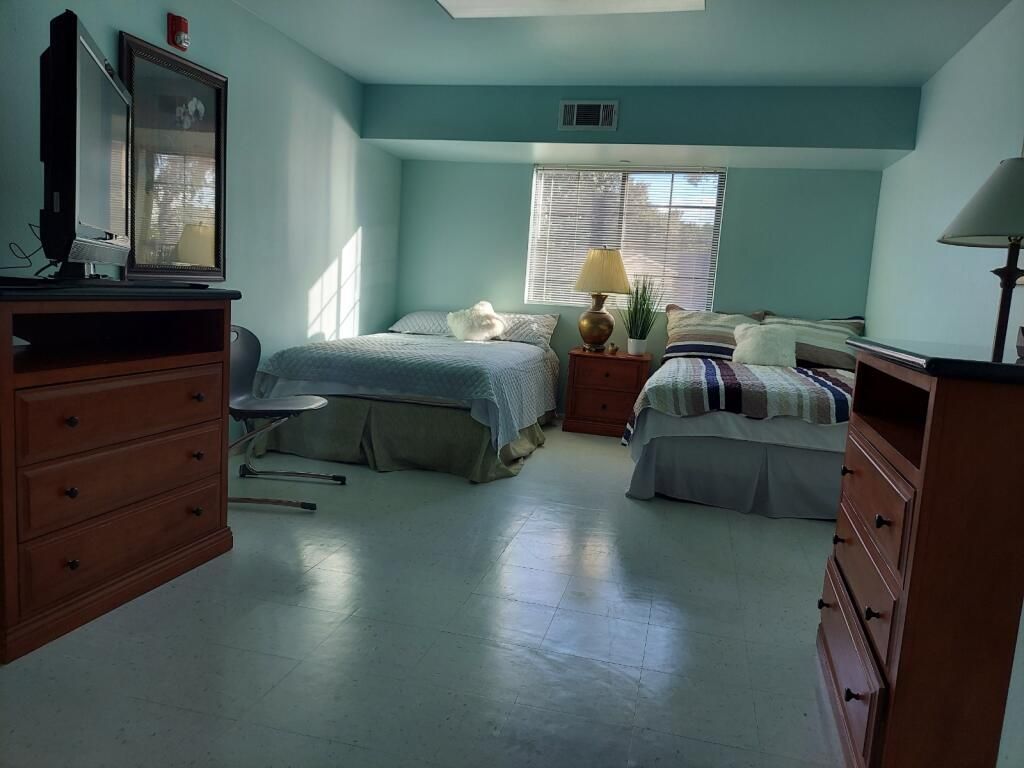


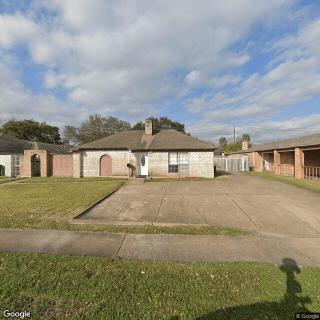
7741 Tanglewilde, Houston, TX 77036
To contact a resident: (713) 774-2080
For more information about senior living options: (866) 208-4318
Best Personal Care Facility Costs & Pricing
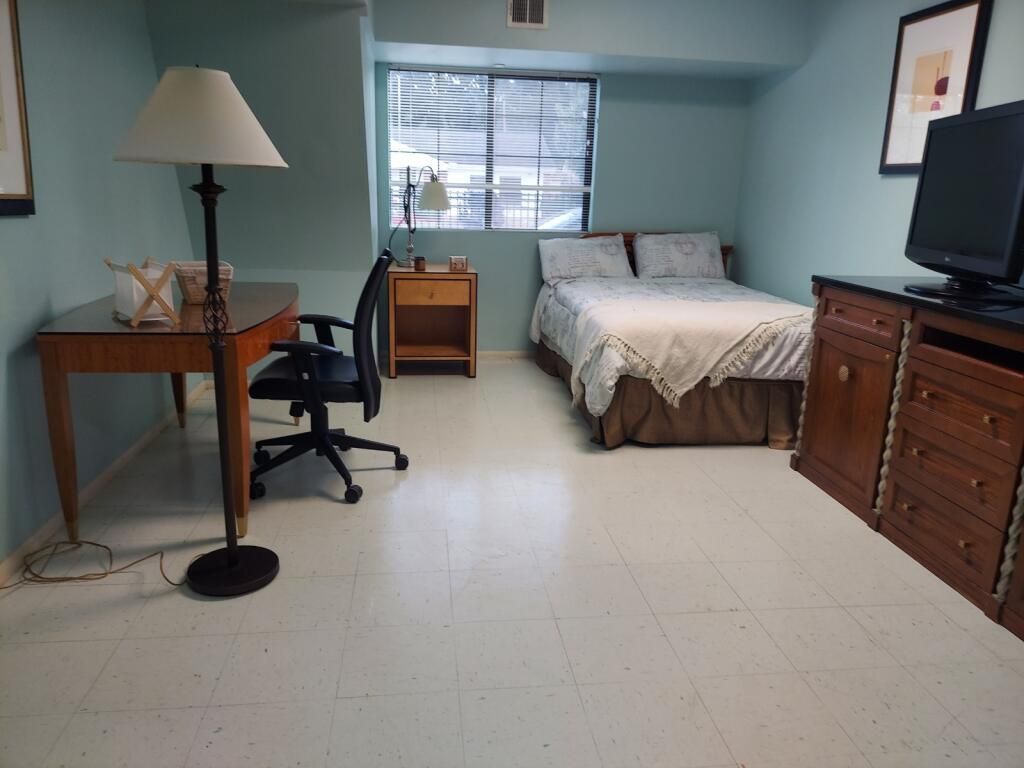
Best Personal Care Facility offers competitive pricing compared to both Harris County and the broader Texas market. For a one-bedroom unit, residents will find a monthly cost of $3,200, which is notably lower than the county average of $4,027 and the state average of $3,761. In terms of semi-private accommodations, costs at Best Personal Care Facility range from $3,200 to $5,400, aligning closely with Harris County's average of $3,518 and slightly under the Texas average of $3,680. For those seeking a studio apartment, the facility's price point stands at $6,600 - significantly higher than both local and state averages of $4,021 and $3,758 respectively. Overall, Best Personal Care Facility provides an appealing option for those considering personal care services in a comfortable setting while still maintaining affordability relative to its regional counterparts.
| Floor plans | Best Personal Care Facility | Harris County | Texas |
|---|---|---|---|
| 1 Bedroom | $3,200 | $4,027 | $3,761 |
| Semi-Private | $3,200 to $5,400 | $3,518 | $3,680 |
| Studio | $6,600 | $4,021 | $3,758 |
Assisted Living communities with a similar price nearby
-
from -$900 / mo
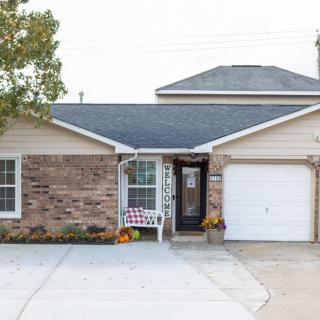
Gracefully Found Care Home
$4,500 to $5,000 / month23.0 miles away -
from -$400 / mo
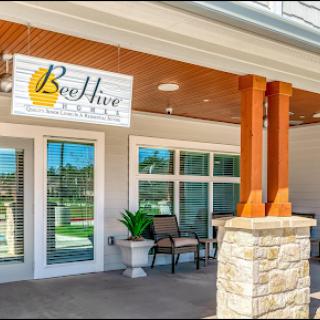
Beehive Homes of Spring
$5,000 / month24.8 miles away -
from -$505 / mo
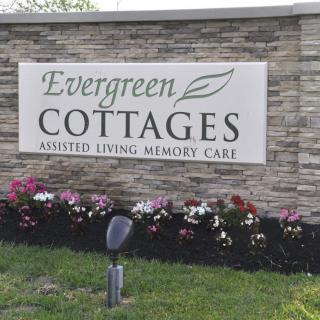
Evergreen Cottages
$4,895 to $5,895 / month16.1 miles away -
About the same
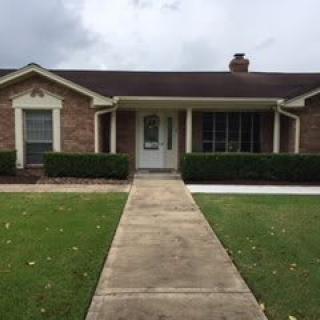
Light Heart Memory Care Pearland
$5,500 to $6,500 / month18.4 miles away -
from +$195 / mo
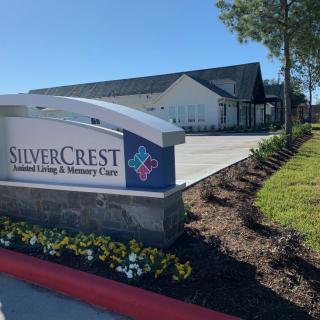
SilverCrest Assisted Living and Memory Care
$5,595 to $6,195 / month17.3 miles away
Overall Review of Best Personal Care Facility
Pros
 The facility is described as the best Personal Care Facility and exceeds all standards.
- The reviewer would not hesitate to have any of their family receive care there.
- The aunt is very happy there, and she feels gentleness and care from the staff.
- The staff did an amazing job administering the Covid vaccine and are friendly and compassionate.
- There is a professional yet family-like environment that makes residents feel cared for.
- The staff are excellent and residents feel like part of a caring family.
- Former residents feel like part of the BPC family and appreciate the love and support from the staff.
Cons
 They would not recommend anyone go there.
- The facility was short-staffed, and the staff they had didn’t know what they were doing.
- On weekends, there was only one person, so residents weren’t changed as often as they should.
- Hardly anyone spoke English.
- The director and manager were never there when information about the facility was requested, and when they called, they were not available.
Review
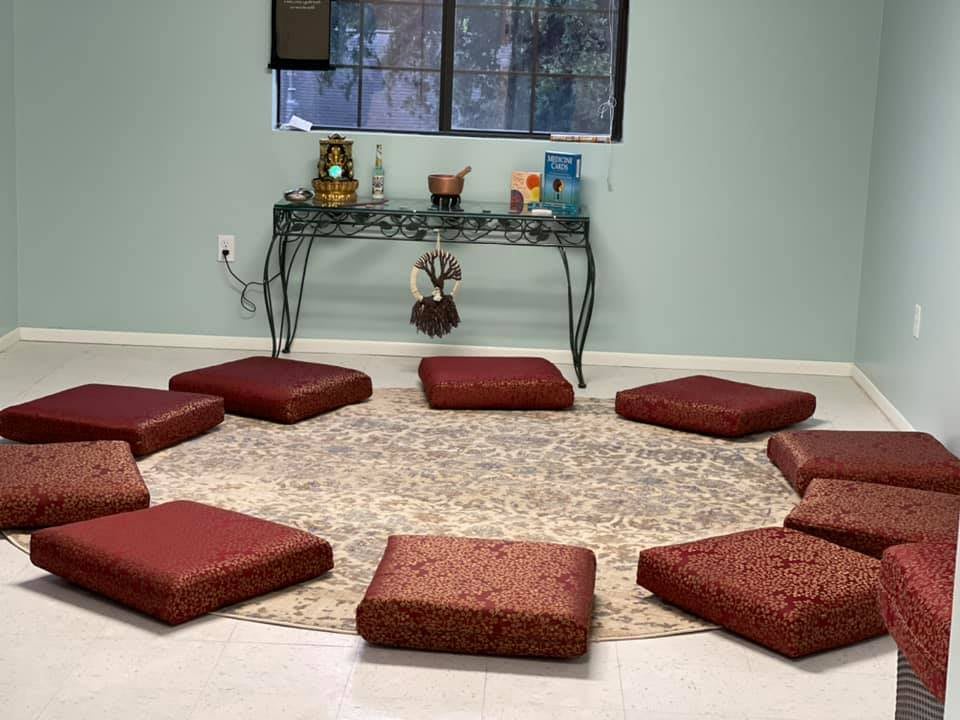
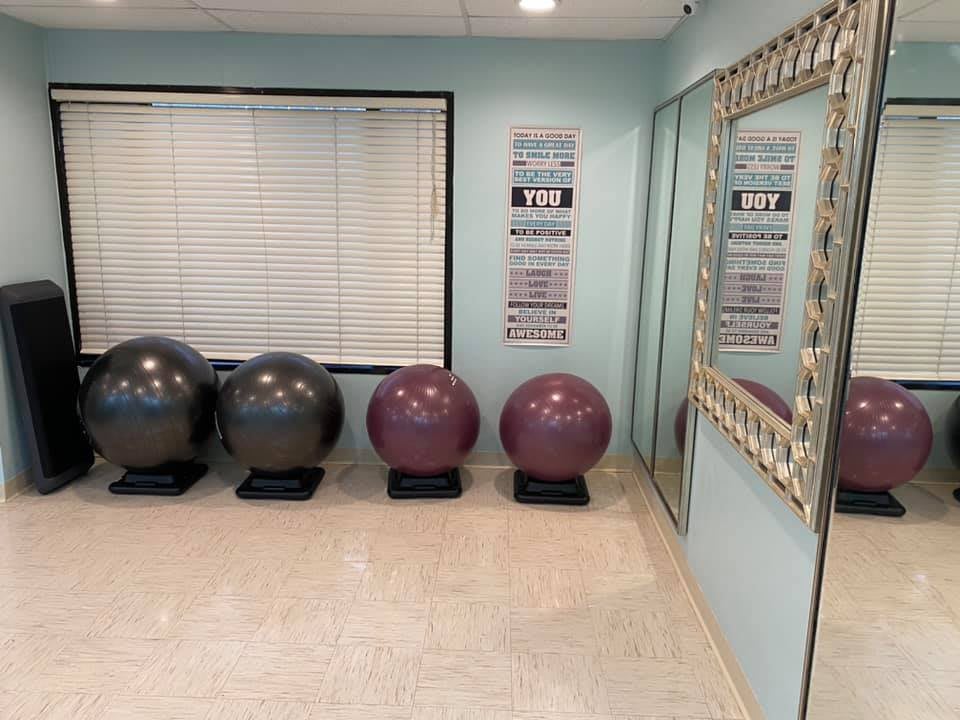
Best Personal Care Facility in Houston is best suited for families seeking a small, intimate personal-care setting where compassionate, individualized attention is the norm and regulatory rigor is visible in daily operation. The community stands out for residents who value a home-like atmosphere, where staff develop genuine relationships, routines feel thoughtful, and safety and cleanliness are consistently prioritized. An experienced healthcare executive who reviewed environmental and care standards found no deficiencies and noted that the facility not only meets but exceeds regulatory expectations. Families describing their experience emphasize a sense of belonging, with staff who appear to treat residents like family rather than clients. The combination of home-cooked meals, patient conversations, and a culture of care that elevates dignity makes this facility a compelling option for those who want more personal attention and a reassuring, low-estrangement environment.
That said, not every situation fits this community. Potential residents who require unwavering weekend staffing or robust multilingual support should consider alternatives. Weekend coverage is cited as a real vulnerability, with instances of only a single staff member on the floor and slower response to routine needs. Language barriers surface as another practical concern, as some staff members are not fluent in English, which can complicate communication with residents and families relying on clear care instructions. Administrative accessibility is uneven in some accounts, with directors or managers not readily available for information or decision-making, leaving families seeking updates feeling parked on the sidelines. These operational gaps are meaningful for families who depend on predictable oversight and immediate, clear communication.
Yet the positives carry substantial weight. The core strengths lie in demonstrated adherence to high standards and a caregiving culture that feels deliberate and personal. An independent assessment highlighted environmental and care quality without deficiencies, reinforcing confidence in the facility’s compliance-driven approach. Residents and families repeatedly recount staff who are kind, patient, and committed to the resident’s well-being, with specific team members cited as anchors of the community’s caring identity. The warmth translates into meaningful daily interactions, opportunities for social engagement, and a sense of safety that many long-term-care decisions hinge upon. When care feels like a sincere partnership, residents often show less anxiety and greater comfort in daily routines.
However, the drawbacks are real enough to influence the calculus. Staffing constraints, especially on weekends, can limit how quickly basic needs are met and how consistently care tasks are completed. Language support gaps may hinder effective information exchange for non-native English speakers. The absence of constant leadership visibility can leave families wondering about quick decisions or policy changes, particularly during periods of transition or problem-solving. These issues don’t erase the quality of caregiving, but they establish a boundary around expectations for administrative responsiveness and day-to-day management. For some families, these gaps are a price worth paying for the evident warmth and high-standard care; for others, they’re a reason to search for a plan with more predictable leadership access.
The decision pivots on priorities. For those who prize warmth, trust, and a proven culture of compassionate care backed by strong standards, the pros effectively offset many cons. A home-like setting combined with staff who treat residents as members of a family can yield more consistent emotional comfort, better social engagement, and a stable sense of belonging, outcomes that often outweigh scheduling quirks. The facility’s demonstrated alignment with regulatory expectations provides important reassurance for families prioritizing safety, accountability, and professional oversight. Moreover, the intimate size of the operation supports tailored routines and deeper relationships between staff and residents, which can translate into higher perceived quality of life. When a family can secure direct contact with a supervisor, request translation support, and work within a cooperative framework with the care team, the weaknesses can be managed effectively.
For families weighing options, the verdict is actionable: Best Personal Care Facility represents a strong fit for those who value genuine, family-style care anchored in trustworthy standards. It is less ideal for those who require steadfast, director-level visibility every day, uninterrupted weekend staffing, and extensive multilingual support. Prospective buyers should plan a targeted tour with clear questions about weekend staffing patterns, who is on duty after hours, what the exact channel for leadership communication looks like, and what language services are available on the floor. If the goal is sustained comfort, clear accountability, and a caregiving team that consistently treats residents like family while upholding rigorous care standards, this Houston community deserves serious consideration. If, instead, seamless leadership access, uninterrupted weekend coverage, and broad language support are non-negotiable, it is prudent to examine alternatives with more predictable administration and fuller multilingual capability.
 48 resident community capacity
 Assisted Living
 Activities on-site
 Air-conditioning
 Beauty salon
 Cable or satellite TV
 Devotional services off-site
 Dining room
 Full kitchen
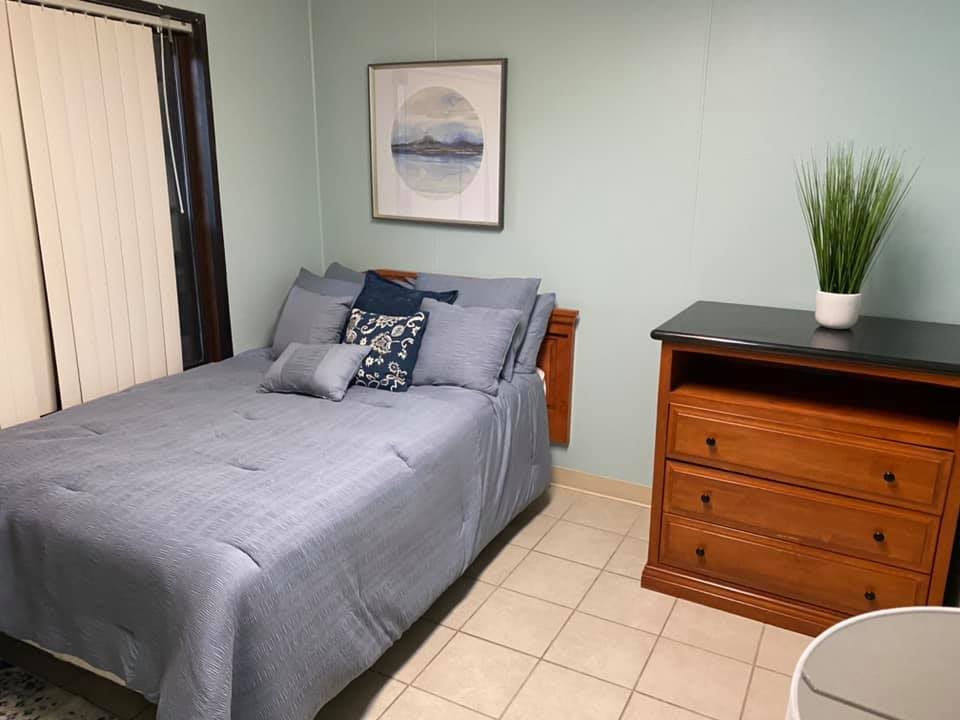
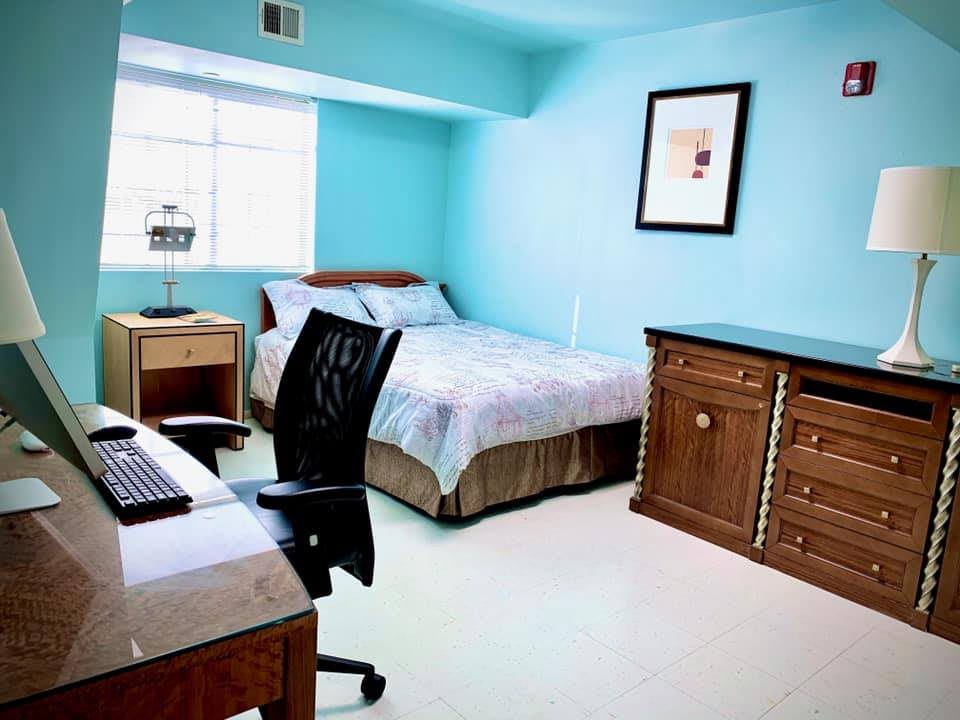
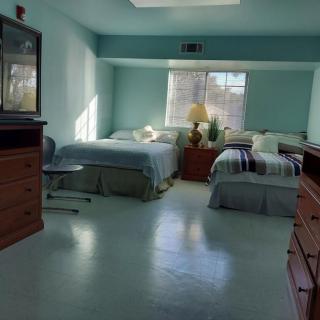
 Fully furnished
 Garden
 Ground floor units
 Housekeeping services
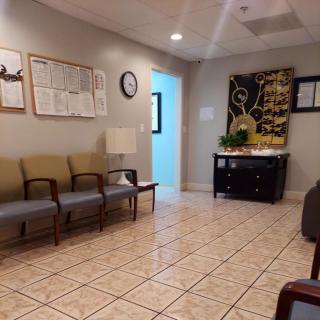
 Indoor common areas
 Move-in coordination
 Outdoor common areas
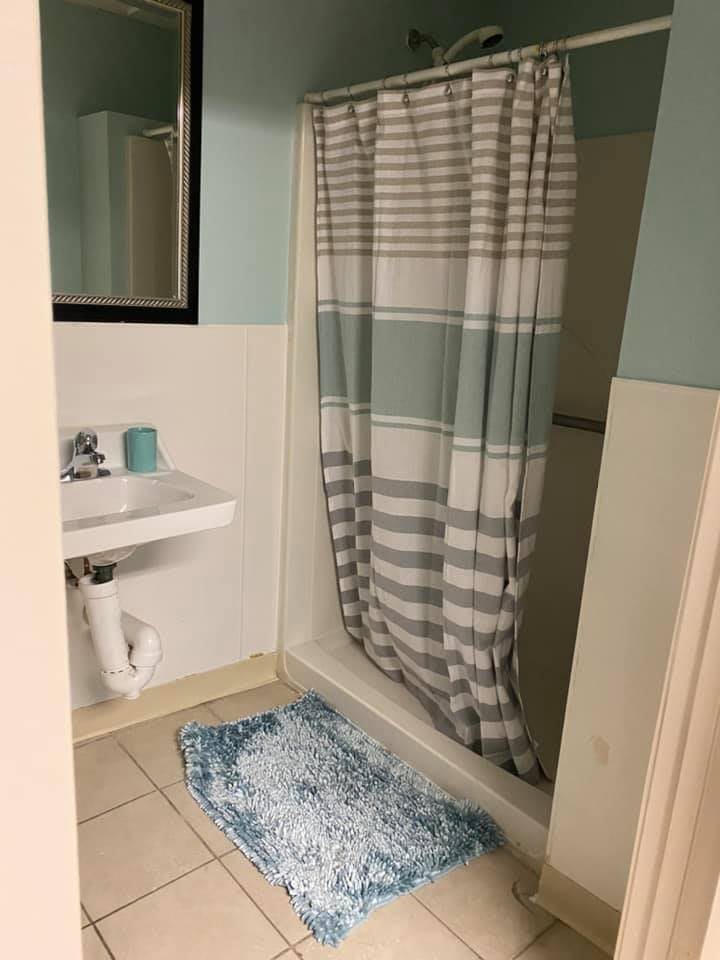
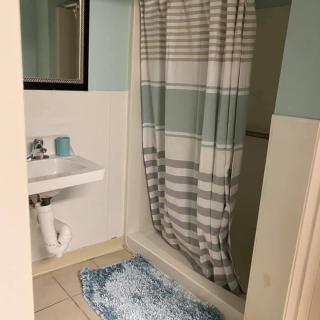
 Private bathrooms
 Respite or short term stays offered
 Restaurant-style dining
 Small library
 Telephone
 Wheelchair accessible showers
 Wi-Fi/high-speed internet available
 William P X (16 miles away)
 24-hour call system
 Ambulatory care
 Assistance with bathing
 Assistance with dressing
 Assistance with transfers
 Diabetes diet
 Diabetic care
 Incontinence care
 Medication management
 Mental wellness program
 Special dietary restrictions
 Art classes
 BBQs or picnics
 Birthday parties
 Cooking classes
 Day trips and outings
 Educational speakers / life long learning
 Happy hour
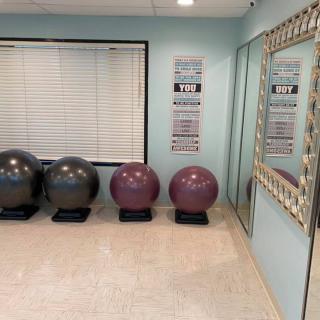
 Stretching classes
 Trivia games

 Medicare Coverage for Assisted Living: An In-Depth Exploration
 Choosing the Right Senior Care: A Detailed Exploration of Assisted Living and Nursing Homes
 Understanding the True Cost of Assisted Living in 2025: A Comprehensive Guide