For more information about senior living options: (866) 208-4318
4.6 from 46 reviews
5 stars
39
4 stars
2
3 stars
1
2 stars
0
1 stars
4
Agape Costs & Pricing
Agape offers a compelling value for those seeking private room accommodations, with a monthly cost of $900. This price stands in stark contrast to the average rates in Harris County, which are approximately $3,784, and even more so compared to the broader state average of $4,096. The significant difference highlights Agape's commitment to affordability while maintaining quality care, making it an attractive option for individuals or families navigating the often challenging landscape of healthcare costs in Texas.
Floor plans
Agape
Harris County
Texas
Private
$900
$3,784
$4,096
Senior living communities with a similar price nearby
About the same
Emerson Pines
4 from 140 reviews
$900 to $1,295 / month
14.8 miles away
from +$54 / mo
Enclave at Lake Pointe
4 from 29 reviews
$954 to $1,144 / month
23.6 miles away
from -$150 / mo
WALIPP Senior Residences
4.4 from 8 reviews
$750 to $950 / month
7.0 miles away
from +$100 / mo
Weston House Independent Living
$1,000 / month
6.0 miles away
from +$50 / mo
Villages of Towne Lake
$950 to $1,275 / month
12.0 miles away
Overall Review of Agape
common6 reviews mention this
People are described as welcoming
Residents and visitors describe staff and volunteers as welcoming and helpful.
Several reviewers say they enjoy the people working and volunteering there, and that the organization feels warm and personal. Others highlight specific staff members as a key source of help, including support that helped them connect to services and referrals. A few reviews also mention being listened to, along with day-to-day accommodation through the organization’s programs.
common4 reviews mention this
Faith-based purpose is a theme
A faith-centered mission shows up repeatedly in reviews.
Reviewers repeatedly describe the community as rooted in Christian faith and purpose. Some also frame the organization’s work as helping people and supporting the community through ministries. One reviewer explicitly calls out the organization’s Christian operation, while others describe the broader purpose they associate with the place.
common7 reviews mention this
Community programs and resources stand out
Reviews frequently mention supportive programs for the community.
A number of reviewers describe the organization as offering resources and services that go beyond a simple visit. Several call out programs tied to children and young adults, as well as help related to job readiness and referrals. Others mention community-focused efforts like a community garden and being a resource for the neighborhood.
caveat2 reviews mention this
Some reviews cite unprofessional communication
A small number of reviews mention unprofessional communication.
While many reviews are positive, a couple are strongly critical and warn others to be wary. Those negative reviews specifically call out poor communication and describe the experience as a waste of time. Taken with the more positive comments, it suggests experiences may vary depending on the interaction.
How we summarize
Counts show how many written reviews mention each theme; a review can touch several themes, and only frequently mentioned themes are displayed.
Features
Types of Care
Board and Care Home
Amenities
Private
Transportation
William P X (9 miles away)
George Bush Intercontinental (25 miles away)
Care Services
Diabetic care
Nearby Places of Interest
This part of Houston, Texas offers a diverse range of amenities suitable for senior living. There are several places of worship within a close distance, providing opportunities for spiritual engagement and community involvement. In terms of dining options, there are various restaurants nearby including popular chains like McDonald's and Chick-Fil-A, as well as seafood and Mediterranean cuisine. Multiple pharmacies in the area ensure easy access to medication and healthcare supplies. Nearby hospitals such as Texas Children's Hospital provide quality medical care, while transportation options like the Metrorail offer convenient ways to get around. Additionally, parks like Hermann Park offer serene outdoor spaces for relaxation and recreation. Overall, this area provides a balanced mix of essential services and recreational activities that can cater to the needs and preferences of seniors looking to settle in a vibrant community in Houston.
Places of Worship
The Crossing Community Church (0.4 miles)
New Life Temple Church Houston (5.4 miles)
Wheeler Avenue Baptist Church (7.4 miles)
Rothko Chapel (7.4 miles)
Restaurants
McDonald's (1.5 miles)
Pappadeaux Seafood Kitchen (3.1 miles)
McDonald's (3.1 miles)
Popeyes Louisiana Kitchen (3.9 miles)
Chick-Fil-A (4.1 miles)
Taco Bell (4.1 miles)
Fadi's Meyerland Mediterranean Grill (4.3 miles)
Pharmacies
Walgreens (2.3 miles)
CVS Pharmacy (3.1 miles)
Walgreens (3.9 miles)
Walgreens (4.1 miles)
Walgreens (4.1 miles)
Walgreens (4.2 miles)
Walgreens (5 miles)
Cafes
Starbucks (3.2 miles)
Starbucks (5.6 miles)
Slowpokes (6.9 miles)
Hospitals
Scrub Campus 1 & 2 Research Building (4.5 miles)
Michael E. DeBakey VA Medical Center (5.2 miles)
Texas Children's Hospital (5.3 miles)
Texas Children's Hospital (5.4 miles)
Texas Children's Pavilion for Women (5.4 miles)
Houston Methodist Research Institute (5.5 miles)
TMCx Texas Medical Center Accelerator (5.5 miles)
Transportation
Metrorail - Smith Lands Station (4.7 miles)
Memorial Hermann/Hstn Zoo Station (5.9 miles)
Physicians
University of Texas School of Dentistry (4.7 miles)
Agape offers a compelling value for those seeking private room accommodations, with a monthly cost of $900. This price stands in stark contrast to the average rates in Harris County, which are approximately $3,784, and even more so compared to the broader state average of $4,096. The significant difference highlights Agape's commitment to affordability while maintaining quality care, making it an attractive option for individuals or families navigating the often challenging landscape of healthcare costs in Texas.
Palliative care enhances the quality of life for seriously ill patients by providing comprehensive support at home through a multidisciplinary team, addressing various needs and prioritizing comfort over curative treatments. While it offers personalized care and involves family in decision-making, challenges like caregiver stress and logistical issues persist, with growing demand prompting advancements in technology and healthcare policies to improve access.
Palliative home care focuses on improving the quality of life for individuals with serious illnesses by providing comfort, symptom management, and emotional support in their own homes. This approach includes personalized care plans, regular assessments, and resources for family caregivers, all while prioritizing person-centered treatment that aligns with patients' goals.
Skilled nursing facilities (SNFs) provide high-level medical care and rehabilitation for short-term recovery, typically covered by Medicare after hospitalization, while nursing homes focus on ongoing custodial care for chronic conditions, mainly funded by Medicaid or private payments. The staffing and regulatory structures differ significantly between the two, necessitating clarity for families in choosing appropriate long-term care options.
Get PricingAsk A QuestionSchedule A TourContact Senior Advisor
By clicking submit, you agree to our Partner's Terms of Use. You
also consent to receive calls and texts, which may be autodialed, from our Partner. Your consent is not a condition to
using our Partner's service. Please visit our Partner's Privacy Policy for information about their privacy practices.

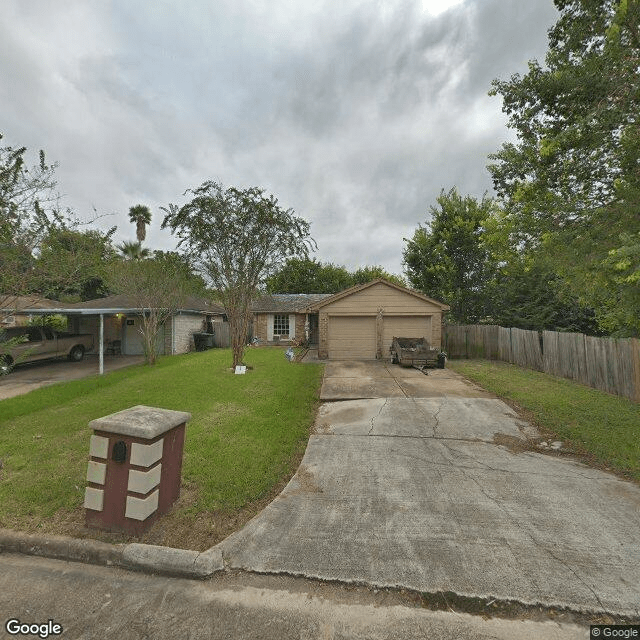



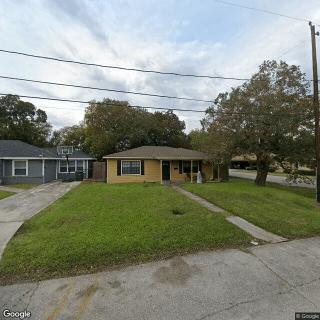

 Board and Care Home
 Private
 William P X (9 miles away)
 Diabetic care
 Small, personalized setting (capacity 15) with comprehensive ADL support, 24-hour supervision, and diabetes-friendly dining.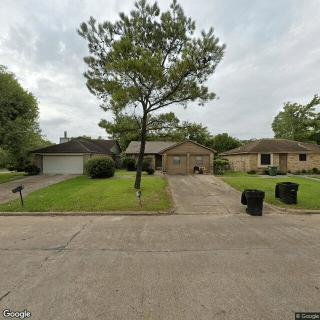

 Exploring Palliative Care in the Home: A Comprehensive Overview
 Comprehensive Insights into Palliative Home Care: What It Is and What to Expect
 Skilled Nursing Facilities vs. Nursing Homes: Making Sense of the Differences