


3590 Stanford Street, Greenville, TX 75401
For more information about senior living options: (866) 208-4318
Overall Review of The Lodge Of Colonial
Pros
 The staff and residents are happy, with smiles visible in the hallways.
- The facility helps residents maintain their independence while receiving the care they need.
- The community offers a rich schedule of activities, including Bingo, in a warm, homey setting.
- The lodge allows pets, contributing to a comfortable and familiar atmosphere.
- Residents have good meals, a cleaned apartment, and laundry services, supporting overall comfort.
- Joelle is described as an angel who provides exceptional, heartfelt care for residents.
Cons
 The reviewer notes that after the first week the resident with dementia was heavily medicated to the point of not being able to keep her eyes open, and speech was greatly diminished.
- The lodge sent the resident to a psychiatric hospital for assessment, claiming she was aggressive, with no intention of bringing her back.
- The lodge evicted the resident, stating that the facility was not the right fit.
- The reviewer argues that the facility should not be classified as a memory facility, claiming they do not know how to care for dementia patients and may medicate to mask symptoms.
- The reviewer warns others not to place someone at this facility.
- As soon as the resident’s dementia worsened, the staff informed the family that she would be evicted.
Review
The Lodge Of Colonial is best suited for seniors who want a warm, social living environment where independence is supported by attentive staff, dependable housekeeping, and engaging activities. It works well for residents who appreciate a homey feel, regular contact with neighbors and staff, and the chance to participate in a robust activity calendar across three buildings. Pet-friendly policies and on-site meals that are reported as well-prepared add to the sense of normalcy and comfort. This community rewards families seeking visible daily care plus genuine warmth from caregivers, with enough structure to keep evenings and weekends active and meaningful.
The strongest positives center on a cheerful atmosphere and practical daily support. Residents and staff are described as happy, with hallways filled with smiles and a sense of community. The facility supports independence while delivering essential services such as cleaning, laundry, and meals, which reduces family load and helps many residents stay connected to familiar routines. A consistently noted advantage is the level of social programming, Bingo, crafts, and other activities populate schedules, helping residents stay engaged and contributing to the overall “homey” vibe that families cite as reassuring.
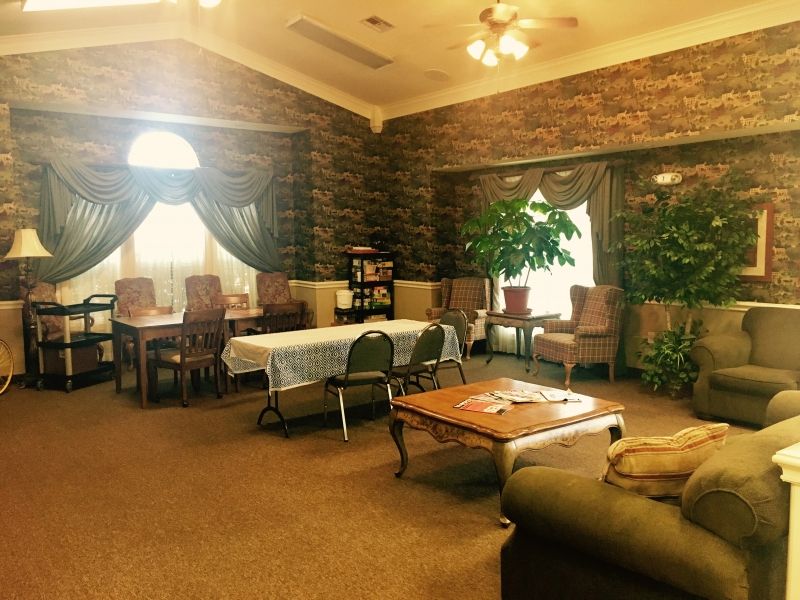
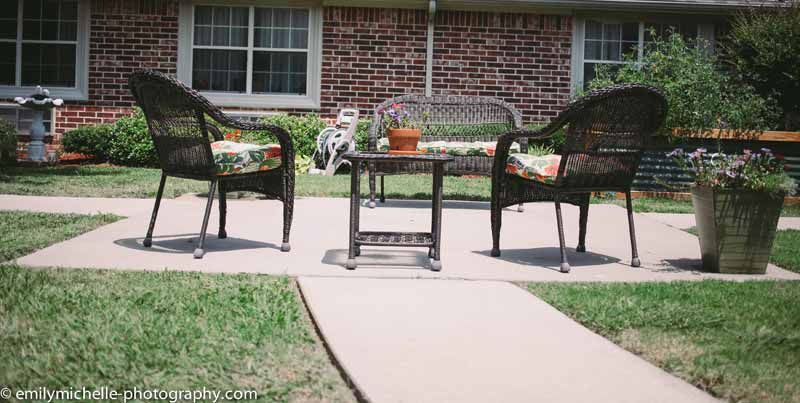
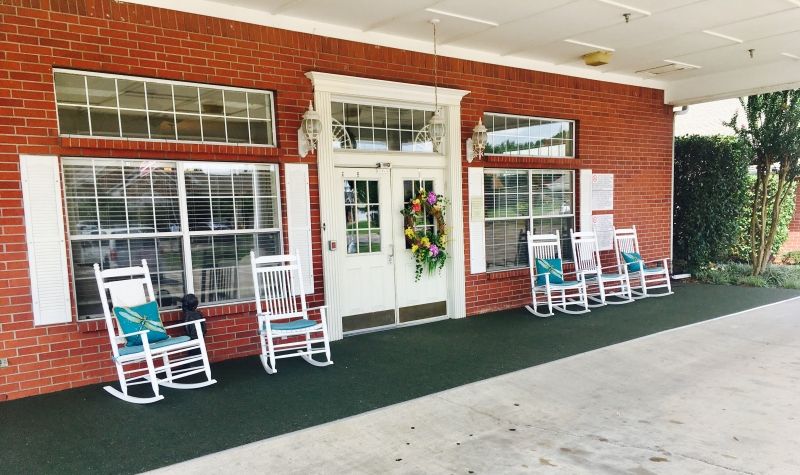
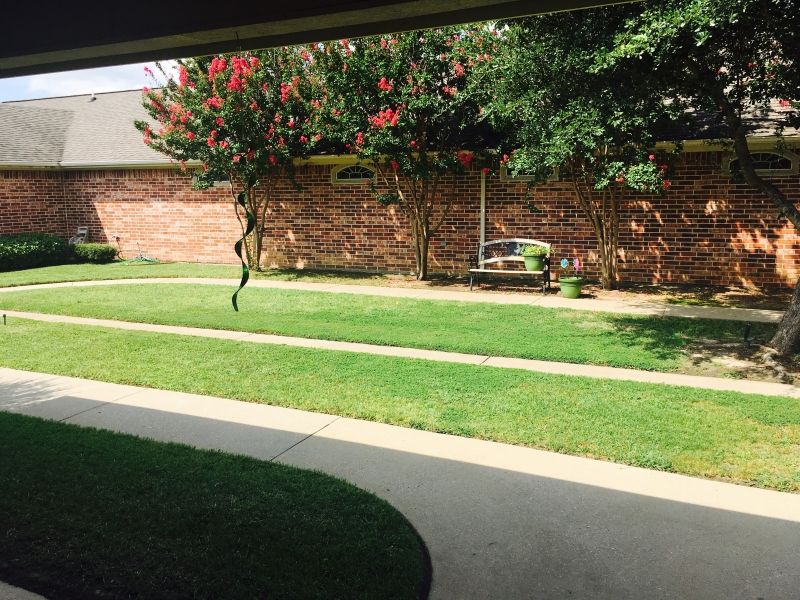
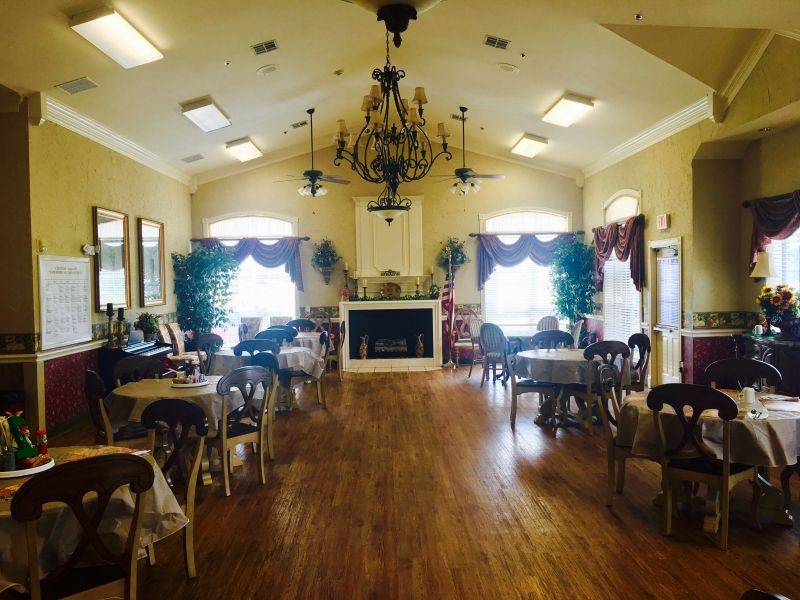
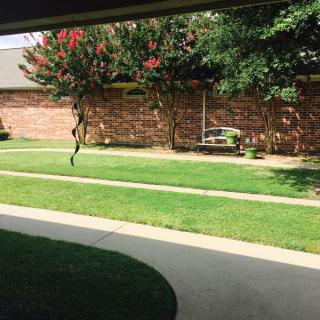
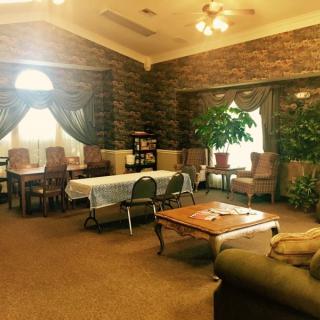
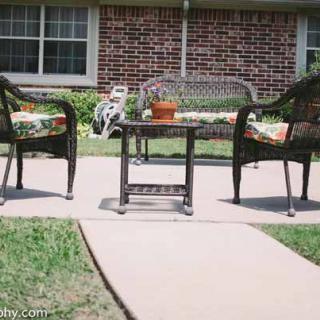
Another clear upside is the degree to which the Living Space and services are oriented toward comfort and dignity. The property is perceived as well-kept, with pleasant smells and a welcoming environment that contributes to a sense of safety and belonging. The ability to bring a small dog is repeatedly highlighted as meaningful, enabling residents to maintain ties to long-standing routines and companions. For families, this combination of friendliness, cleanliness, and practical care, especially for those who require help with daily tasks, can translate into a lower-stress caregiving experience and a calmer transition for a loved one.
However, the most consequential concerns revolve around how memory-related needs are managed. Several families recount sharp conflicts when dementia progressed, including eviction after a brief period of decline and even claims that residents were medicated to the point of diminished mobility or alertness. One account describes a dementia-related eviction that occurred despite a hospital’s assessment finding no aggressive behavior, casting serious doubt on whether memory care needs are met here. Another review questions whether this setting truly functions as a memory-care option, signaling a real risk that behaviors associated with dementia may be handled by removal rather than continued, tailored care.
These incidents cannot be dismissed, and they significantly temper the otherwise strong positives. The Lodge Of Colonial clearly delivers a welcoming, service-oriented environment, with social vitality and strong daily support that many families value highly. Yet the eviction pattern tied, in several accounts, to cognitive decline or behavioral changes raises critical questions about consistency of care, stability, and ongoing suitability for residents with advancing dementia. Prospective families should treat this as a pivotal factor: the facility may be fantastic for residents who do not require escalating memory-care interventions, but it may not reliably accommodate a resident whose dementia is progressing or who exhibits behaviors that require specialized, ongoing management.
In short, families should pursue this option with disciplined due diligence. The Lodge Of Colonial suits those seeking a lively, well-kept, pet-friendly community that blends independence with practical support and an engaging activity slate. Alternatives warrant consideration for anyone facing advancing dementia or unpredictable behaviors, or for those who prioritize continuity of specialized memory care and a clearly defined eviction policy. Prospective residents and their families should insist on detailed conversations about dementia protocols, eviction criteria, caregiver training in memory care, and visit multiple times, ideally at different times of day, to gauge consistency in care and staff responsiveness. This approach will reveal whether the warmth and everyday competence can be sustained as needs evolve.
 59 resident community capacity
 Assisted Living
 Memory Care
 Respite Care
 Air-conditioning
 Beauty salon
 Cable or satellite TV
 Computer center
 Dining room
 Fitness room
 Fully furnished
 Gaming room
 Garden
 Housekeeping services
 Kitchenette
 Move-in coordination
 Outdoor space
 Private bathrooms
 Restaurant-style dining
 Small library
 Telephone
 Wellness center
 Wi-Fi/high-speed internet available
 Community operated transportation
 12-16 hour nursing
 24-hour call system
 Activities of daily living assistance
 Assistance with bathing
 Assistance with dressing
 Assistance with transfers
 Diabetes diet
 Medication management
 Mental wellness program
 Special dietary restrictions
 Concierge services
 Planned day trips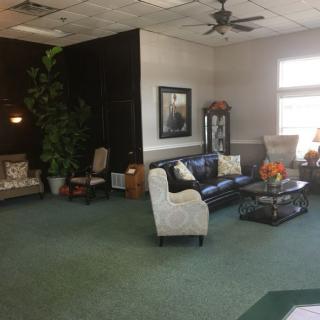








 8 Key Indicators That Suggest It May Be Time to Transition from Assisted Living to Skilled Nursing Care
 Nourishing the Mind: Essential Dietary Approaches for Dementia
 Understanding Dementia Behaviors: Practical Insights and Strategies for Caregivers