
2935 Paladium Drive, Grand Prairie, TX 75052
For more information about senior living options: (866) 208-4318
Overall Review of Accessible Living
Pros
 The place is amazing.
- The caregivers are excellent, friendly, and caring for everyone in the house.
- There is great communication between the staff and the owner, Mrs. Moore.
- The facility is neat, clean, and organized.
- The caregivers are very attentive.
- The home is among the best options for elderly residents.
- The staff are caring and helpful with residents' needs.
- The owner is very accessible at any time.
- The place is clean, bright, and cheerful.
Review
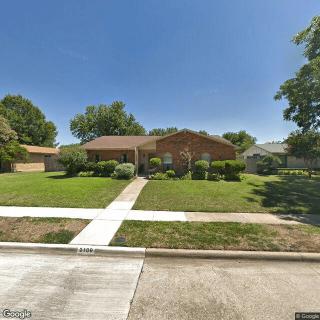
Accessible Living in Grand Prairie, Texas is best suited for families seeking a warm, home-like assisted living where personal attention, clear communication, and hands-on leadership define daily care. This community excels for seniors who flourish in a small-scale, intimate setting rather than a large campus, and who want caregivers who know them by name and respond quickly to changing needs. The consistent emphasis on a bright, clean environment paired with state licensure offers families a practical assurance: care is formalized, while the atmosphere remains personal and welcoming. For loved ones who value regular, meaningful updates and direct access to the owner and management, Accessible Living represents a compelling, tried-and-true option.
Those weighing alternatives should consider what happens when medical complexity or program breadth outsize a home-style environment. If a resident needs frequent on-site clinical oversight, specialized memory care, or a broad calendar of structured activities and social events, larger assisted living communities may deliver more of those capabilities under one roof. Alternatives with expansive activity schedules, on-site physicians, and a wider array of therapy services can be a better fit for families prioritizing high-volume programming or a campus feel. In short, Accessible Living shines in personal care and accessibility; others may outperform it in scale, formal medical services, or memory-care specialization.
The strongest pros here center on the caregiving team and the communication loop. Caregivers are described as attentive, friendly, and genuinely engaged with residents, which translates into reliable daily support and reduced family anxiety. The staff’s consistent care, coupled with robust updates about a loved one’s condition and needs, creates a transparent partnership with families. The owner’s accessibility, tied to a culture of responsiveness, further reduces friction when questions arise or plans must shift. Cleanliness, organization, and a bright, cheerful ambiance round out the practical benefits, making daily life smoother and more predictable. Taken together, these strengths create a dependable safety net for seniors who prefer a homelike setting with real accountability.
Yet, even strong positives are best weighed against potential trade-offs. The home-style model, while comforting, can imply fewer on-site medical resources or less formal programming compared with larger, multi-wing facilities. Families mindful of high-acuity needs or a desire for expansive activity calendars might encounter limits in medical oversight, specialized therapies, or variety of amenities. The reviews do not spotlight major faults, but the inherent trade-off of a smaller operation is a potentially narrower range of services. When evaluated against these realities, Accessible Living demonstrates that excellent, personal care can compensate for certain limits, but not all families will view those limits as acceptable for a loved one’s long-term needs.
What ultimately makes Accessible Living a persuasive choice is how its strengths mitigate the most consequential concerns. The highly involved caregiving staff, the consistently open channel of communication, and the owner’s hands-on presence create a foundation of trust that can offset a lack of grandeur or institutional polish. Cleanliness and a bright setting meaningfully support day-to-day comfort and mood, while licensure provides a confidence standard families can rely on during care transitions. For many seniors, especially those who value routine, familiarity, and a trustworthy caregiving relationship, these factors trump the absence of a large activity slate or a full-time medical team.
For families evaluating options in the Dallas-Fort Worth metro area, Accessible Living should be placed high on the short list when the priority is a genuine home atmosphere paired with dependable, personalized care. Prospective residents and their loved ones should request a detailed tour focused on staffing ratios during peak hours, daily schedules, and the range of medical supports available on-site or via partnerships. Meet the owner or manager to gauge accessibility and responsiveness in real time. If the goal is a small, caring community where residents are treated like family and families are kept in the loop, Accessible Living delivers with convincing credibility. If instead the emphasis falls on expansive clinical services or a bustling, campus-style life, alternatives may warrant stronger consideration.
 8 resident community capacity
 Assisted Living
 Board and Care Home
 Cable or satellite TV
 Dining room
 Fully furnished
 Garden
 Housekeeping services
 Move-in coordination
 Outdoor space
 Telephone
 Wi-Fi/high-speed internet available
 Dallas-Fort Worth International (15 miles away)
 24-hour supervision
 Activities of daily living assistance
 Assistance with bathing
 Assistance with dressing
 Assistance with transfers
 Diabetes diet
 Meal preparation and service
 Medication management
 Special dietary restrictions
 Transportation arrangement (medical)
 Transportation to doctors appointments






 Securing Financial Support for Assisted Living: A Comprehensive Overview
 Social Security Benefits and Assisted Living: Navigating Options Across the U.S.
 An Extensive Exploration of the VA Aid and Attendance Benefit