
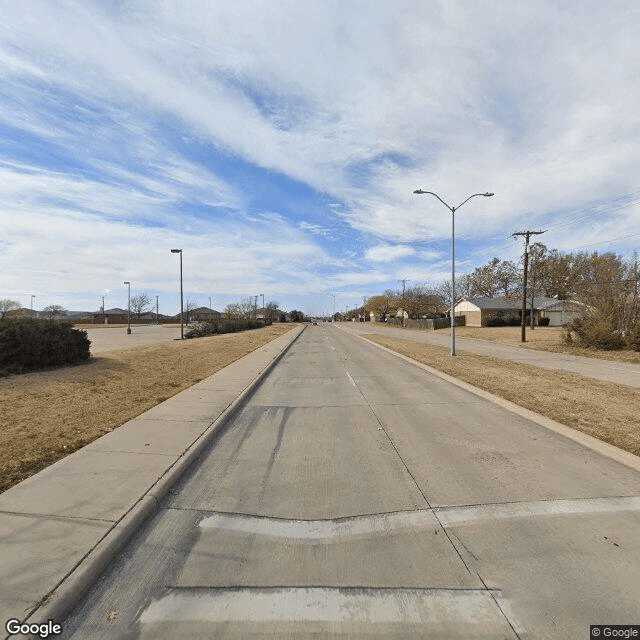
Arkansas Lane, Grand Prairie, TX 75052
To contact a resident: (972) 352-2161
For more information about senior living options: (866) 208-4318
Overall Review of The Aspens At Central Park
Pros
 The rent is reasonable.
Cons
 The complex is advertised as non-smoking, yet it allows residents who smoke to rent, and management does not enforce the policy.
- Residents who smoke sign an addendum to smoke off the property, but cigarette smoke still comes through the vent system into their apartments.
- Numerous complaints to management are not dealt with.
- Hallways and stairwells are filthy, with cracks and breaks everywhere.
- Requests to have these areas cleaned fall on deaf ears.
- The outdoor furniture is filthy and has not been cleaned in the two years the reviewer has been there.
- Exterior windows were promised to be cleaned regularly, but this has not happened in the two years.
- The owner charges a $1000 non-refundable "community fee" to every new resident, and that fee has not gone back to the community for repairs.
- This community does not live up to what is advertised; rent is the only positive aspect.
Review
The Aspens At Central Park in Grand Prairie, TX is best suited for budget-focused residents who can tolerate ongoing maintenance gaps and a management approach that does not deliver a consistently clean, smoke-free living environment. The strongest determinant of suitability is cost: rent is described as reasonable, which may appeal to those who need to minimize monthly housing expenses. However, this financial edge comes with a caveat, comfort and health concerns are easily sacrificed for a lower price. Prospective residents who require a true non-smoking property, or who need a consistently pristine campus, should look elsewhere.
Those weighing alternatives should consider how essential a clean, well-maintained setting is to daily living. If a smoke-free, well-enforced policy matters, or if predictable upkeep of common areas and amenities is non-negotiable, this community is likely not the right fit. The reality presented in the reviews is that enforcement of rules is inconsistent, and the environment falls short of the expectations set by advertising. For families seeking a place with responsive maintenance, coherent policy enforcement, and routinely cleaned shared spaces, there are other options in the region that align more closely with those priorities.
The primary trade-off centers on maintenance and environmental quality versus the rent advantage. On the positive side, the only clearly cited benefit is the affordability of rent. But this benefit is significantly undermined by persistent and systemic shortcomings: cigarette smoke infiltrating apartments through vents due to lax enforcement of a supposed non-smoking policy; complaints from residents not being addressed; hallways and stairs described as filthy with visible cracks and disrepair; outdoor furniture left dirty for extended periods; and elevator spaces that residents themselves end up cleaning. These issues collectively erode the lived experience far more than the modest rent savings could justify.
Operational shortcomings compound the concern. Common areas are consistently failing to meet basic standards of cleanliness, with concrete hallways and neglected maintenance signaling a broader neglect of property upkeep. The promised exterior window cleaning and routine cleaning of high-traffic areas have not materialized over two years, according to residents. The burden of noncompliance with rules appears not to be borne by management but by residents who clean up after the property’s neglect, even down to mopping the elevator floor. The $1,000 non-refundable “community fee” is highlighted as another red flag, with assertions that funds have not been recycled into repairs or community improvements, and no evidence that the fee benefits residents directly.
From a financial-risk perspective, the fee structure compounds the decision gravity. The combination of a non-refundable entry fee with alleged underinvestment in maintenance invites questions about long-term value. If the core expectations, respect for the non-smoking policy, consistent upkeep, clean common areas, and responsive management, are not reliably met, the rent discount cannot compensate for the ongoing quality gaps. For families prioritizing a predictable, health-conscious living environment, this dynamic creates a compelling reason to search for better-managed communities even at similar or slightly higher price points.
In sum, The Aspens At Central Park presents a clear trade-off. It can serve a budget-conscious resident who can overlook persistent maintenance lapses and a smoking-policy gap, provided there is personal tolerance for lower cleanliness standards and a hands-off management approach. For seniors or families where a smoke-free, meticulously maintained, and professionally managed environment is non-negotiable, alternatives should be pursued aggressively. Prospective residents should demand explicit documentation of enforcement practices, a transparent maintenance log, and a detailed plan for how the community fee is used before making any commitment. Above all, a candid tour with current residents about responsiveness and daily living realities will reveal whether the price point truly offsets the lived experience.
 Independent Living
 Dallas-Fort Worth International (13 miles away)


 Comprehensive Insights into Palliative Home Care: What It Is and What to Expect
 Skilled Nursing Facilities vs. Nursing Homes: Making Sense of the Differences
 A Detailed Examination of Nursing Home Costs Across the U.S.