
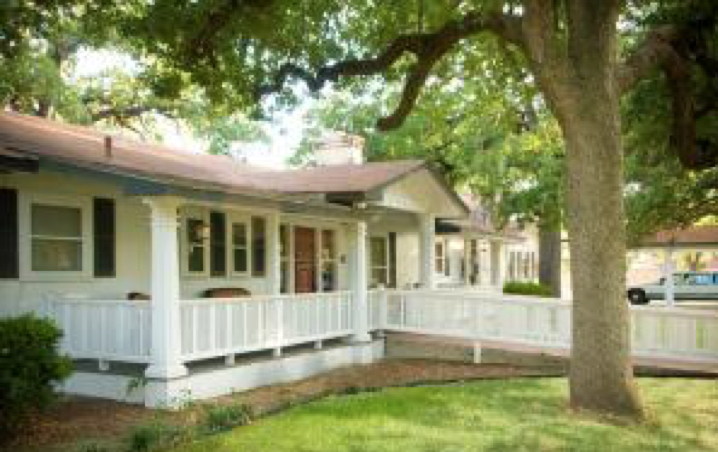

210 Qualls St., Gonzales, TX 78629
To contact a resident: (830) 672-8249
For more information about senior living options: (866) 208-4318
Romberg House Costs & Pricing
Romberg House offers competitive pricing for its private rooms at $3,000 per month, aligning directly with the average costs in Gonzales County. This rate is significantly lower than the broader state average in Texas, which stands at approximately $4,096 for similar accommodations. This positioning not only underscores Romberg House's commitment to providing accessible care but also highlights its value within the regional market. Residents can enjoy the benefits of personalized care in a welcoming environment at a cost-effective rate that is attractive compared to both county and state averages.
| Floor plans | Romberg House | Gonzales County | Texas |
|---|---|---|---|
| Private | $3,000 | $3,000 | $4,096 |
Overall Review of Romberg House
Pros
 It is a great place.
- It feels like home.
- The staff is amazing.
- It is a lovely place.
Cons
 Romberg House would have been their third choice.
- The location was far from them.
- They would have had to get used to a whole new area, and they were not familiar with it.
- Abigail said she had broken her leg there once.
Review
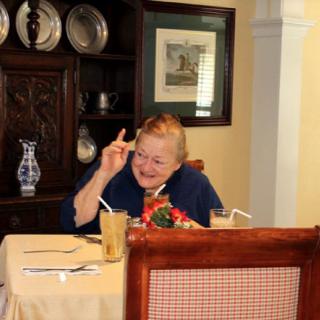
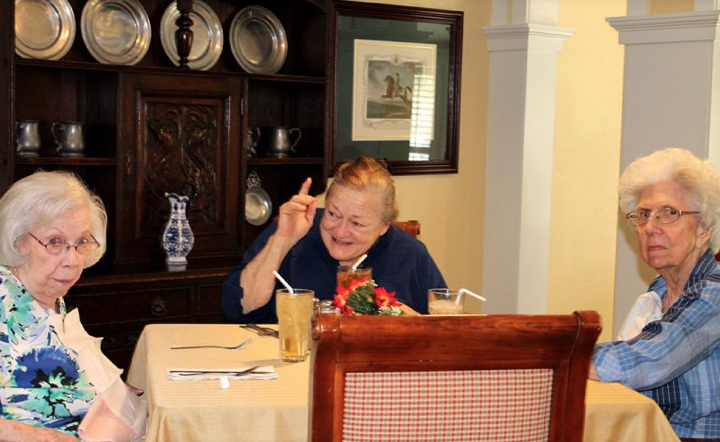
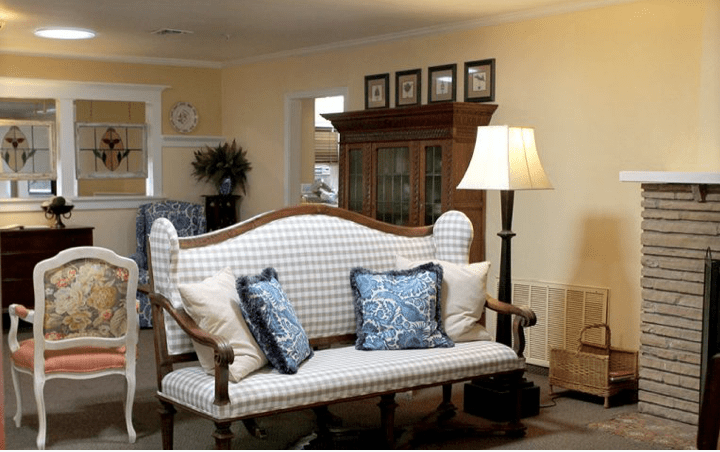
Romberg House in Gonzales, TX is best suited for seniors who prize a warm, home-like daily life and caregivers who treat residents as family. The community earns its strength from staff who cultivate personal connections and a comforting atmosphere; residents describe the setting as welcoming and feel-at-home from day one. Families choosing Romberg House should value consistency in everyday routines, compassionate assistance with mobility or personal care, and the reassurance that someone knows each resident’s preferences. The vibe is practical and low-drama: a quiet cadence of meals, activities, and gentle oversight. This makes it a natural home for seniors who resist the sterile feel of larger facilities and want a place where familiar faces and dependable attention define the day.
That said, certain realities limit its fit for some families. Tours noting a recent leadership change signal the potential for shifts in programming or communication, which can matter when seeking predictable administration. Also, the location is not central to every family, and for those with tight visit schedules, distance can complicate regular oversight and participation. Prospective residents who require a highly structured, long-tenured management team or who need a facility within a short, predictable drive from home may want to compare alternatives with steadier leadership and closer proximity.
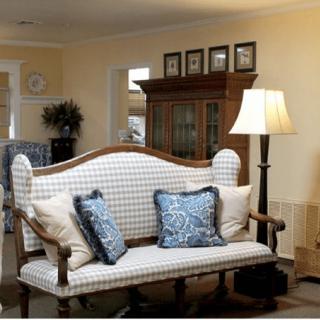
On balance, the strongest argument for Romberg House rests on its people and its vibe. The staff is described as amazing, and the environment feels like home, qualities that translate into more relaxed days, better mood, and easier adjustment for new residents. The care team’s attentiveness shows up in daily interactions, from assistance with tasks to the way meals, activities, and rest periods are handled. The setting is repeatedly called lovely, a descriptor that captures well-kept rooms, comfortable common areas, and a layout that supports safe movement. For families, this translates into fewer battles over schedules and more confidence that a loved one is in a supportive, familiar circle each day.
However, potential downsides emerge when expectations hinge on uninterrupted leadership and perfect location fit. The note about a past new director during a tour hints at possible onboarding hiccups or shifts in policy, which may trigger concerns about continuity. While there is no evidence of chronic instability, this factor warrants checking with current leadership about turnover, staff training, and how changes are communicated to residents and families. The distance from some family homes also raises questions about visitation frequency, participation in events, and the ability to bring in outside services if needed.
Still, the positives can outweigh these concerns with a strategic approach. A robust, resident-first culture plus high-caliber caregiving can compensate for some variability in leadership and for being a bit off the beaten path. Families should press during visits for the concrete steps taken to stabilize administration and to keep families in the loop. Ask about a trial period or move-in plan, daily schedules, and how meals and activities reflect residents’ preferences. Also verify safety measures and incident responses, noting that at least one resident reported an injury there, which makes fall prevention and rapid assistance a priority in any decision.
Bottom line: Romberg House is a strong choice for families who want a warm, home-like environment with a capable caregiving staff and a sense of community that makes daily life comfortable and predictable. It is less ideal for those whose top criteria include long-standing leadership stability, a central location, or near-immediate access to family support without travel. If these conditions align, arrange a thorough tour, talk through leadership plans, safety protocols, and visitation logistics, and use the warmth and personal attention as a meaningful signal of day-to-day life. For others, compare nearby options that emphasize steadier administration and closer proximity while watching for whether warmth and personal connection might still be found at Romberg House.
 16 resident community capacity
 Assisted Living
 Board and Care Home
 Cats allowed
 Dogs allowed
 Activities off-site
 Air-conditioning
 Cable or satellite TV
 Devotional services off-site
 Dining room
 Fully furnished
 Garden
 Housekeeping services
 Indoor common areas
 Move-in coordination
 Outdoor common areas
 Private
 Private bathrooms
 Telephone
 Wheelchair accessible showers
 Wi-Fi/high-speed internet available
 24-hour supervision
 Assistance with bathing
 Assistance with dressing
 Assistance with transfers
 Diabetes diet
 Meal preparation and service
 Medication management
 Special dietary restrictions
 Transportation arrangement (medical)
 Transportation to doctors appointments
 Day trips and outings
 Educational speakers / life long learning
 Forever fit
 Live well programs




 8 Key Indicators That Suggest It May Be Time to Transition from Assisted Living to Skilled Nursing Care
 Vibrant Senior Living: A Comprehensive Guide for Active Older Adults
 When to Transition from Assisted Living to Memory Care: Key Indicators, Steps, and Finding the Right Community