




1105 North Magnolia, Luling, TX 78648
For more information about senior living options: (866) 208-4318
Overall Review of Magnolia Living And Rehabilitation
Pros
 The culture among staff and administration is evident.
- Lynn and her team are doing great work.
- Teresa is fantastic.
- The dedicated staff provides supportive and compassionate care for residents.
- The staff is awesome.
- The environment is very friendly, and everyone knows each other.
- All the nurses are really great.
Cons
 They claim there were mistakes from the start and that the facility did not provide their mother’s necessary medications or test her blood sugar.
- They state their mother died from severe malnutrition and neglect while at the facility.
- They describe the facility as sometimes short-staffed and in need of remodeling.
- They say the staff were rude on the phone.
- They indicate they would give the facility less than one star.
- They note one assistant director was a “bad seed” and unprofessional, though others were better.
Review
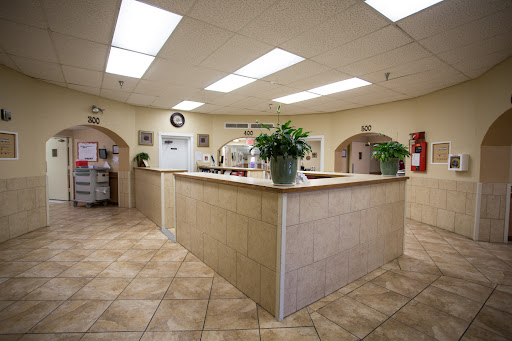
Magnolia Living and Rehabilitation in Luling, TX is best suited for families seeking a smaller to mid-sized, homey atmosphere where care feels personal and the care team is visibly engaged. The strongest asset is the direct, day-in, day-out commitment of CNAs, nurses, housekeeping, and the on-site administrator. When staffing is stable, residents appear comfortable, relationships are genuine, and daily routines unfold with a sense of continuity that many families associate with “good, attentive care.” For seniors who thrive on consistent personal attention and straightforward access to the people caring for them, Magnolia can deliver meaningful daily stability.
Those considering Magnolia should also be aware of who may want to explore alternatives. Several reviews describe serious medical-management concerns, including missed medications and malnutrition that tragically affected a resident’s health. While there are positive testimonials about leadership and bedside caregiving, the broad mix of experiences raises questions about consistency and reliability, especially for residents with complex medical needs. Families with loved ones who require rigorous, error-free clinical oversight or highly consistent medical monitoring may want to compare other communities that demonstrate stronger performance in those areas.
The strongest upside is the demonstrated dedication of the staff when operations are running smoothly. Positive experiences highlight a cohesive, compassionate culture where caregivers form meaningful bonds with residents, and administrators appear accessible and capable. In those contexts, residents receive attentive supervision, proactive care, and a sense of belonging that can enhance mood, appetite, and overall well-being. When the team is aligned, the care feels proactive rather than reactive, and families report tangible improvements in daily life and health signals.
But the most consequential downsides temper the appeal. Short-staffing and ongoing remodeling signal operational fragility that can undermine care quality when demand rises or staffing shifts, and that risk is borne by residents in the form of delayed responses or uneven attention. Communication gaps, front-line staff being perceived as brusque or unhelpful, further erode trust and can lead families to question the reliability of information. A single underperforming supervisor or a generally variable experience across shifts can color the entire impression of the facility, regardless of the strengths shown by other staff members.
For families actively evaluating Magnolia, a practical path is essential. Insist on current, transparent disclosures about staffing levels, shift coverage, and the facility’s medication-management policies. Request to observe multiple handoffs between shifts, speak with front-line caregivers, and verify how nutritional needs and medical alerts are handled on a day-to-day basis. Schedule in-person conversations with the administrator and ask for recent family references to understand how often issues arise and how they are resolved. A careful, multiple-visit assessment, at different times of day, will reveal whether the operating reality aligns with the positive anecdotes.
Bottom line: Magnolia Living and Rehabilitation offers a compelling, relationship-focused care ethos and is best aligned with residents who prioritize a warm, familiar caregiving dynamic and steady, attentive staff. Those requiring consistently flawless medical management, highly specialized services, or a uniformly seamless operation should weigh alternatives or plan additional diligence, through visits, specific contract terms, and clear accountability measures, to ensure expectations are met. When staffing is reliable and the care culture remains cohesive, Magnolia can deliver meaningful daily quality of life; when it isn’t, the notable downsides documented in reviews become hard to ignore.
 90 resident community capacity
 Skilled Nursing Facility
 Air-conditioning
 Beauty salon
 Cable or satellite TV
 Computer center
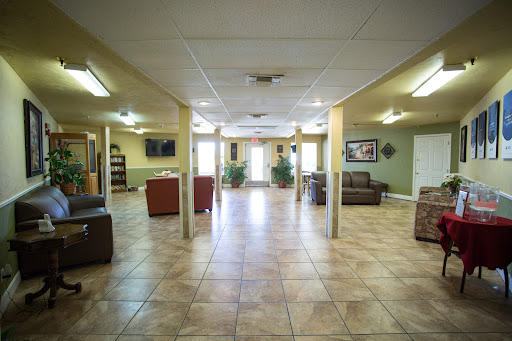
 Dining room
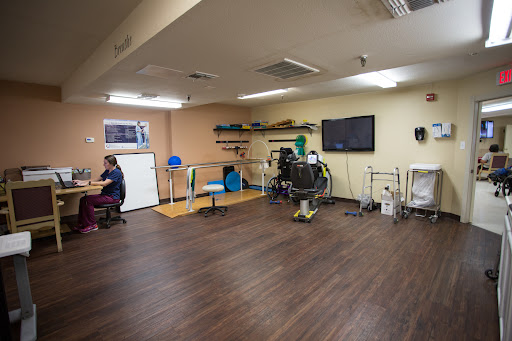
 Fitness room
 Fully furnished
 Gaming room
 Garden
 Housekeeping services
 Kitchenette
 Move-in coordination
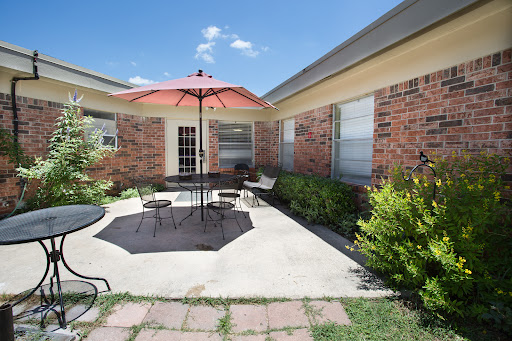
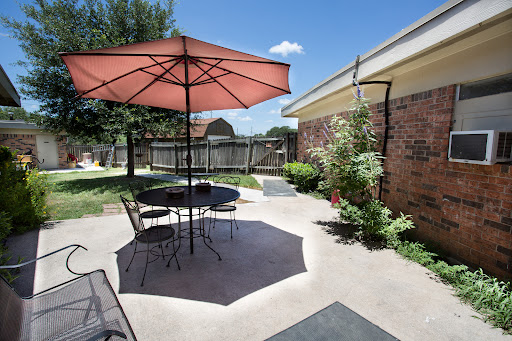
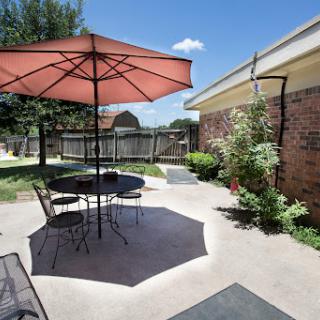
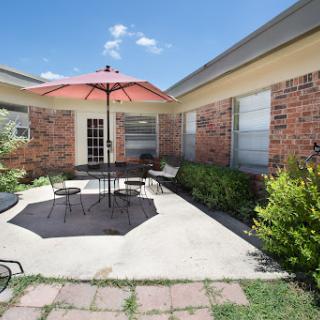
 Outdoor space
 Private bathrooms
 Restaurant-style dining
 Small library
 Telephone
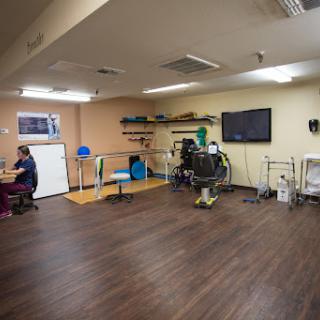
 Wellness center
 Wi-Fi/high-speed internet available
 Community operated transportation
 12-16 hour nursing
 24-hour call system
 Activities of daily living assistance
 Assistance with bathing
 Assistance with dressing
 Assistance with transfers
 Diabetes diet
 Medication management
 Mental wellness program
 Special dietary restrictions
 Concierge services
 Planned day trips







 Understanding the Nuances of Palliative Care and Hospice: A Comprehensive Exploration
 Fecal Incontinence in Older Adults: A Comprehensive Guide
 Nurturing Well-Being Through Gardening: A Detailed Guide for Senior Enthusiasts