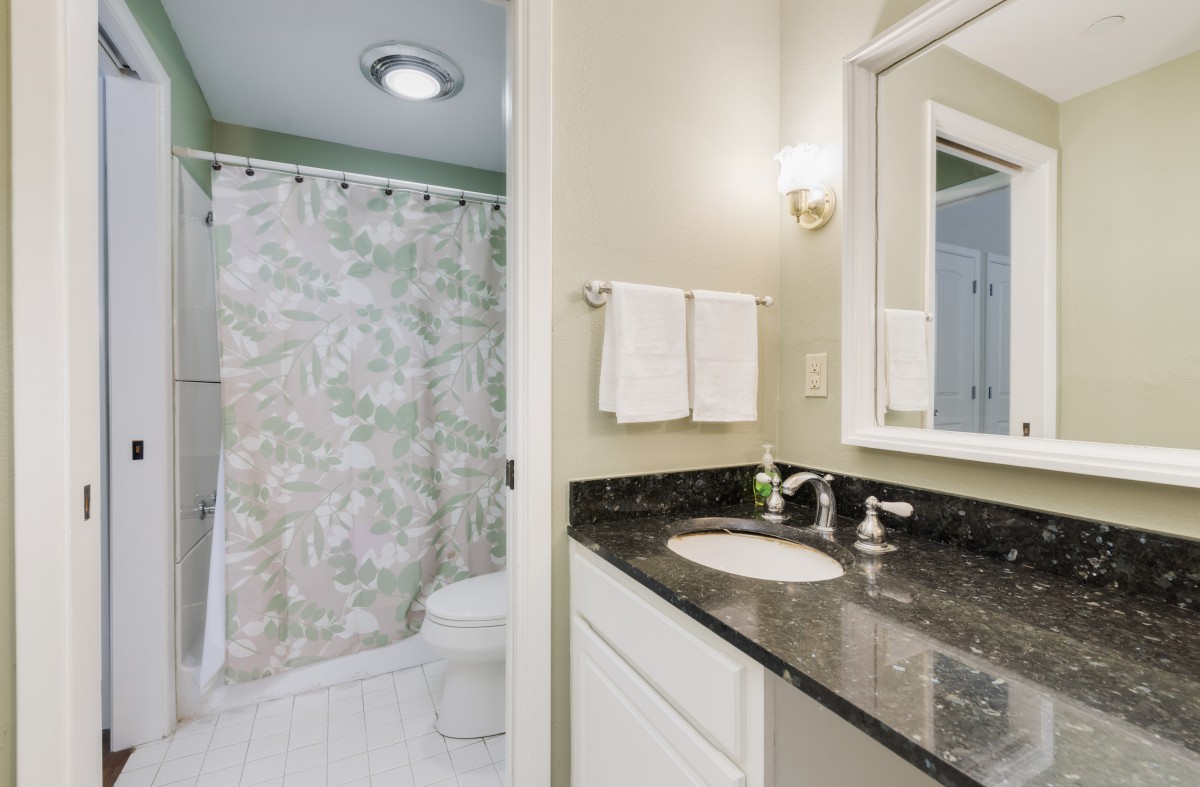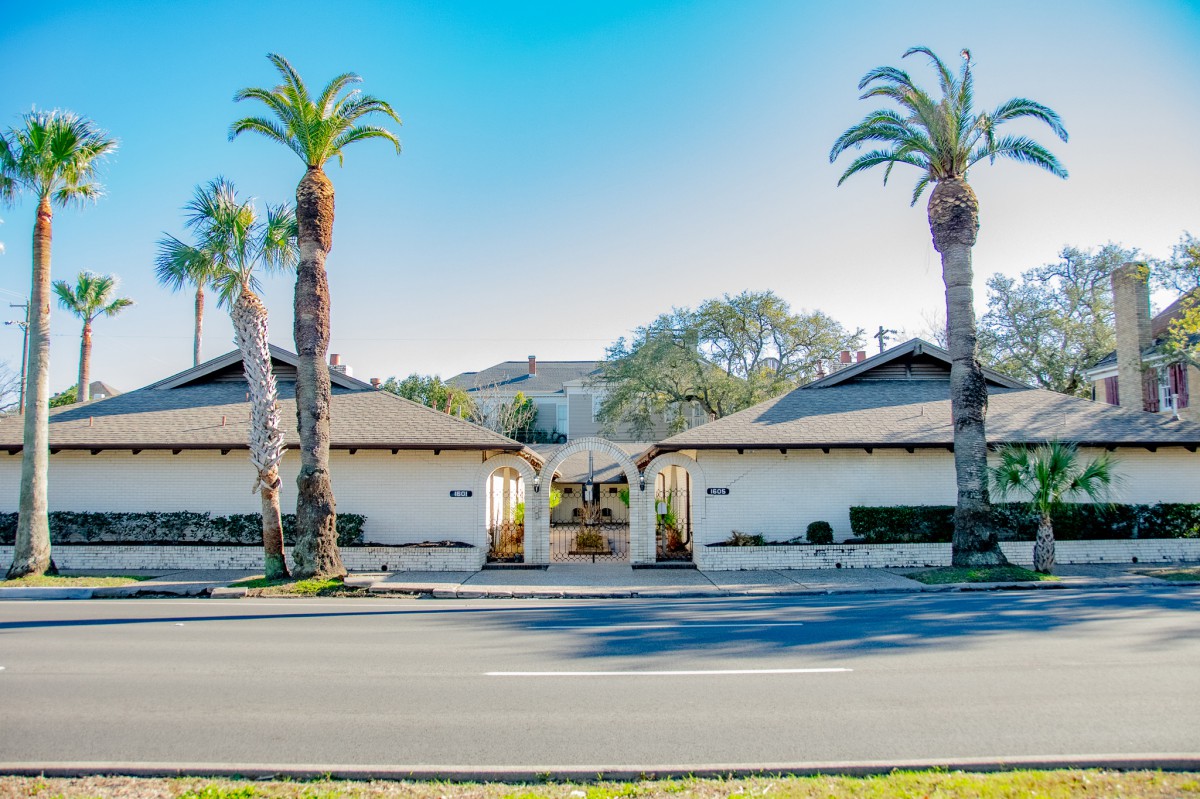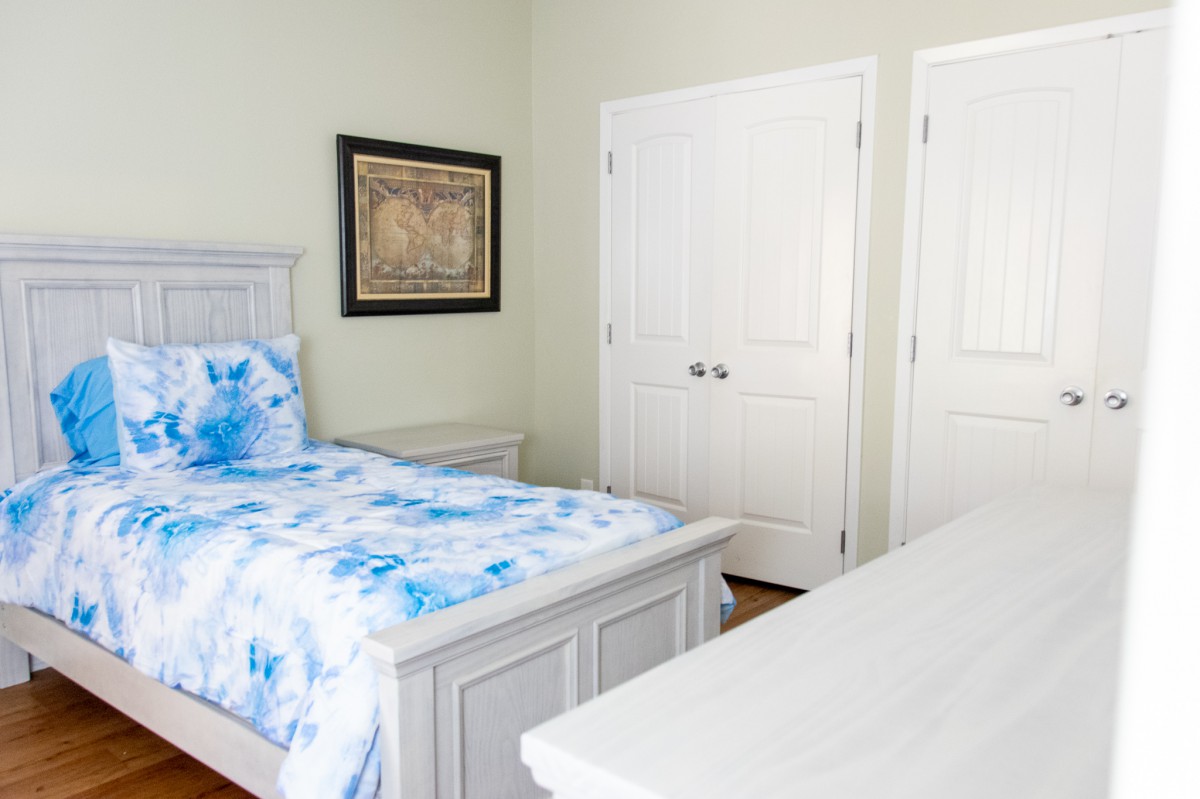
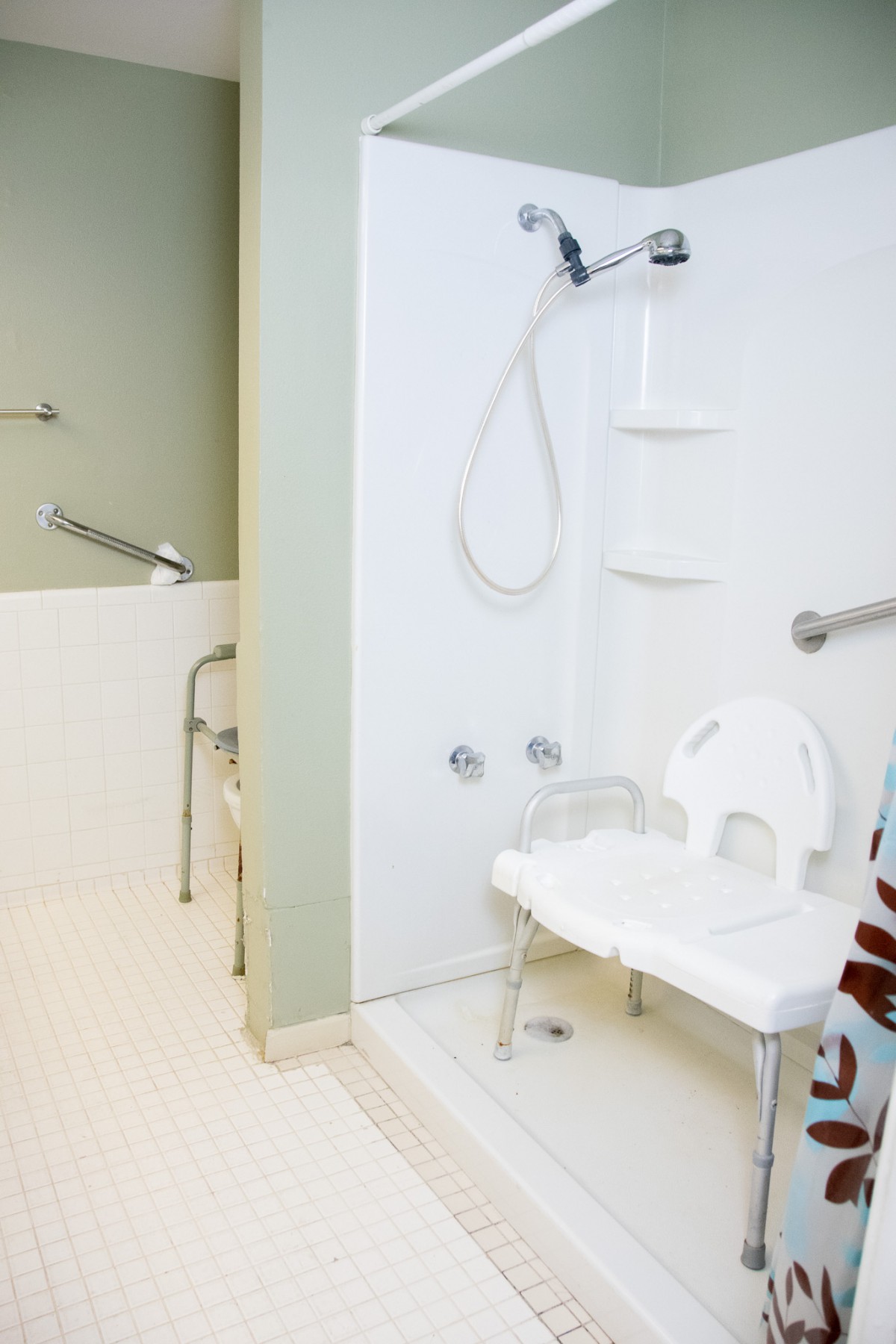



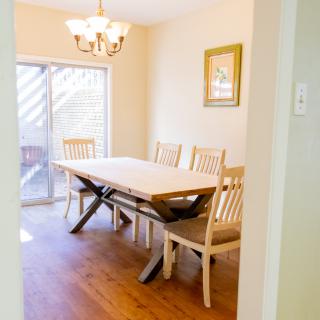
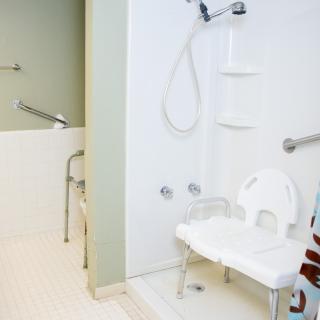


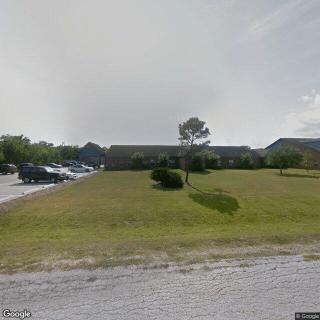
1601 Broadway, Galveston, TX 77550
For more information about senior living options: (866) 208-4318
Overall Review of Concord On Broadway
Pros
 The staff at Concord Assisted Living provide happiness and excellent care for residents.
- The owner and staff at Concord have been amazing.
- Judy is hands-on and ensures residents' needs are met with compassion and care.
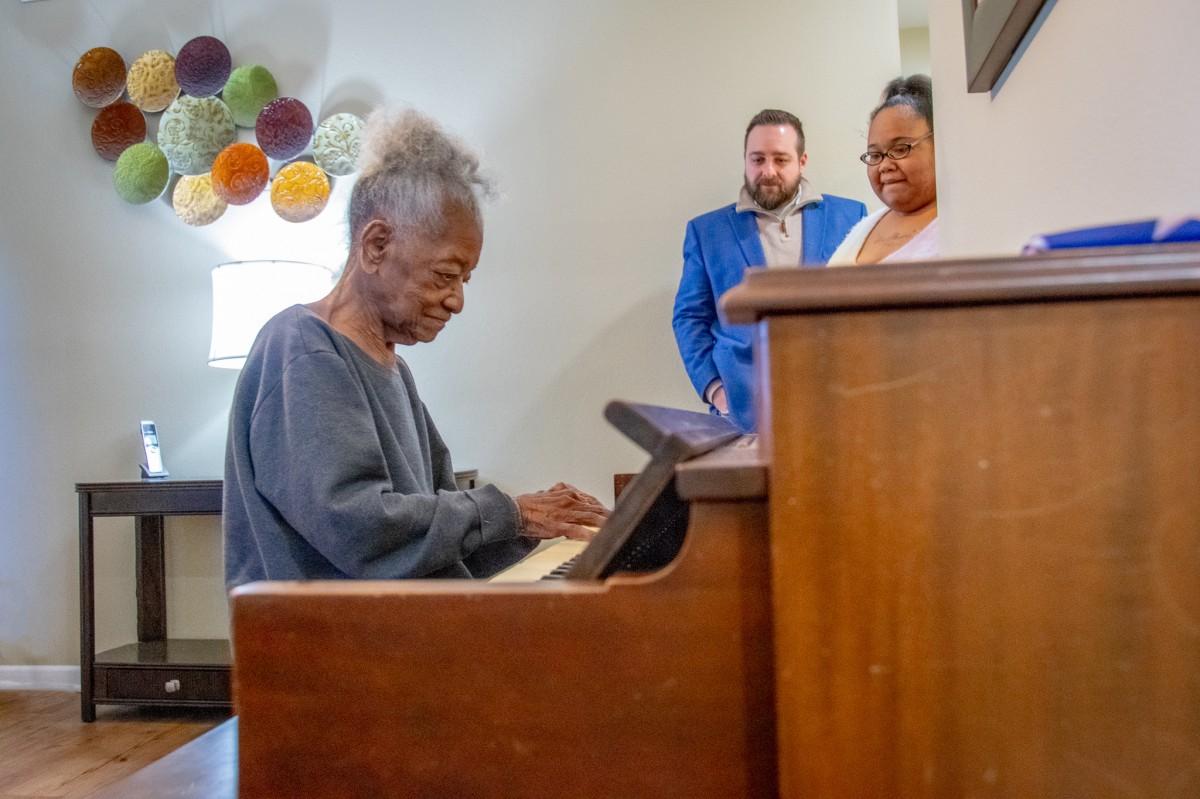
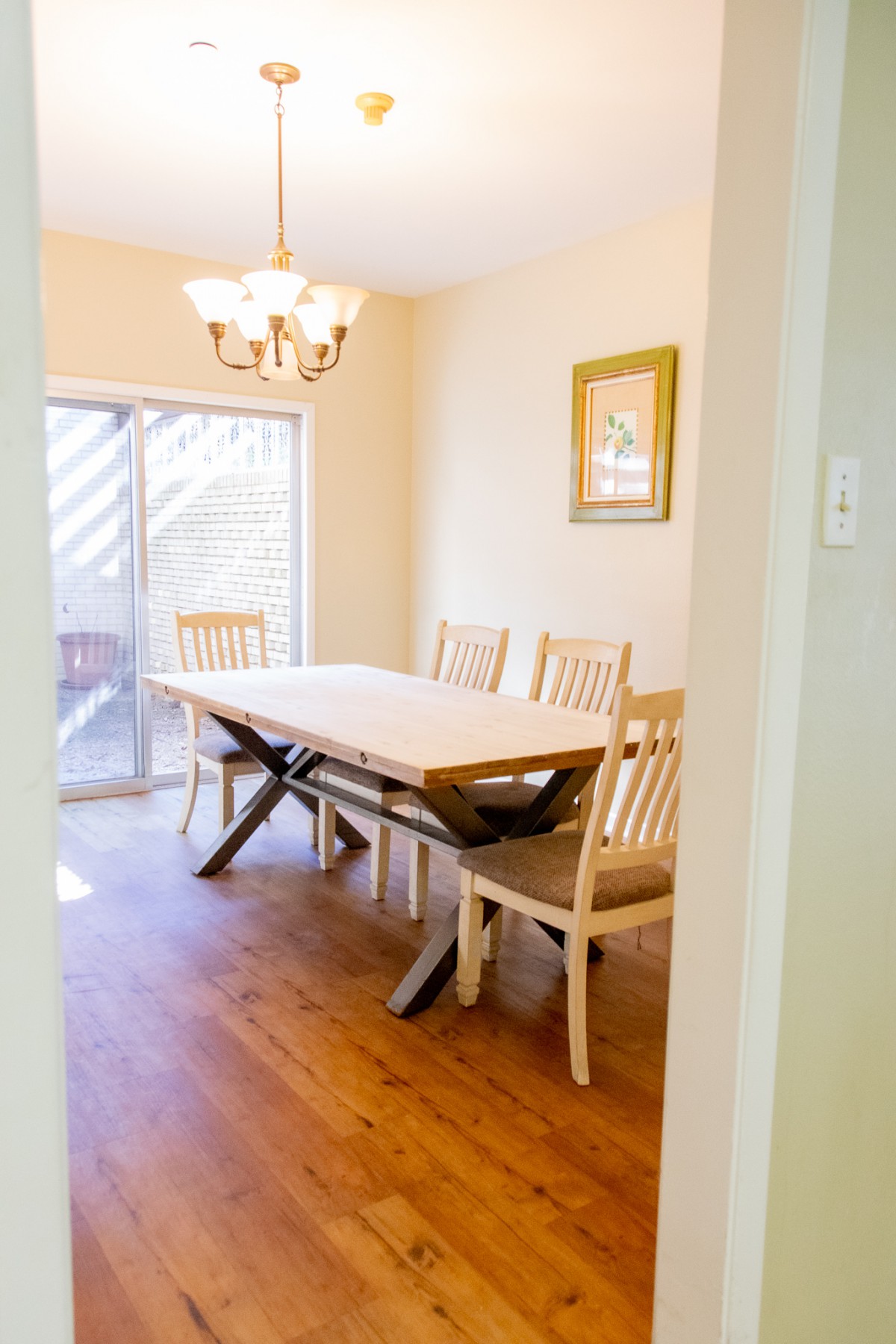
- Concord offers a lovely home environment.
- The staff give loving, compassionate care through difficult times, including end-of-life moments.
- The Concord team is regarded as the best by families.
Cons
 The isolation caused by Covid-19 has been difficult for the aunt and her family.
- Alzheimer’s is a demanding illness in regard to caregiving.
Review
Concord On Broadway in Galveston is best suited for families seeking an intimate, caregiver-forward assisted living experience, particularly for residents with memory challenges or those who flourish in a warm, home-like setting. The community functions as a small, tightly run operation where the owner’s hands-on involvement and a stable, long-tenured staff translate into consistent, personalized attention. For families who value knowing the person in charge and want a facility that feels like a caring extension of home, this residence delivers emotional reassurance and visible dedication from leadership that translates into daily comfort for residents.
Those weighing alternatives should consider options if a larger campus, broader programming, or a more clinical approach to dementia care is a priority. The trade-off for Concord’s intimate scale is fewer on-site amenities and a narrower range of medical or rehabilitative services. Families planning around aggressive activity schedules, extensive physical therapy offerings, or rapid escalation of care may find other communities better aligned with those needs. Similarly, those who want highly structured dementia-specific programming or highly visible medical staffing around the clock may want to explore facilities built to support higher-acuity residents.
The strongest pros center on relationships that feel real and consistent. The owner’s ongoing involvement and responsiveness matter, delivering a sense of accountability that calms families who worry about continuity of care. A loving home environment, where staff are described as compassionate and dedicated, enhances daily life for residents who require hands-on assistance with daily tasks, routines, and personal care. For families facing Alzheimer’s caregiving, the ability to witness steady, patient-centered care and to know caregivers are supported by a principled leadership team is a meaningful offset to the limitations of a smaller operation.
Yet the main cons are tangible and should not be dismissed. The size of the community inevitably means fewer choices for social activities, outings, and specialty programming compared to larger complexes. Availability of advanced medical oversight and on-site clinical resources may not match what larger campuses offer. For residents with complex medical needs, rapid access to specialized personnel or equipment could be more challenging to coordinate. These constraints can create gaps in service for families expecting a one-stop, highly comprehensive continuum of care.
In practice, the pros offset the cons when the priority is trust, continuity, and a truly home-like atmosphere. Families that value a stable caregiver team, visible owner leadership, and relationships that feel personal will find substantial emotional and practical value here. The setting is particularly well-suited for residents who thrive with familiarity, individualized attention, and a focus on comfort and dignity, especially in the context of memory care. The cost of admission and ongoing care tends to reflect the smaller scale, but the peace of mind gained from a caring, hands-on operator can be worth it for the right resident.
Decision-makers should visit with questions that reveal day-to-day life and staffing realities: what is the current caregiver-to-resident ratio; how does the staff handle cognitive decline and memory-care routines; what is the typical response time for assistance; and how are medical appointments and changes in condition managed? Speak with current residents’ families and request to observe a care interaction to gauge whether the tone and pace match expectations. Verify contracts, what services are included, and how dementia services are structured. Proximity to family, access to familiar routines, and the degree to which staff invest in meaningful daily activities should drive the final judgment.
For families convinced that warmth, stable leadership, and individualized, compassionate care trump expansive programming, Concord On Broadway stands out as a compelling choice. It is a solid option for those prioritizing a mother- or father-figure approach to care, where the human element reliably carries the day. If, instead, the top criteria are breadth of programming, clinical depth, or a hospital-like resource network, exploring larger, more resource-rich communities may be warranted. In the end, the right fit hinges on balancing the comfort of a lovingly managed home with the level of medical support and activity options that match the resident’s evolving needs.
 14 resident community capacity
 Assisted Living
 Board and Care Home
 Cable or satellite TV
 Dining room
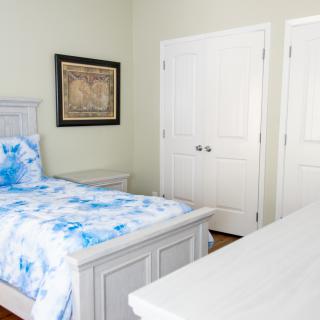
 Fully furnished
 Garden
 Housekeeping services
 Move-in coordination
 Outdoor space
 Telephone
 Wi-Fi/high-speed internet available
 24-hour supervision
 Activities of daily living assistance
 Assistance with bathing
 Assistance with dressing
 Assistance with transfers
 Diabetes diet
 Meal preparation and service
 Medication management
 Special dietary restrictions
 Transportation arrangement (medical)
 Transportation to doctors appointments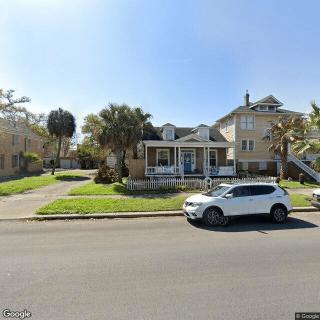





 Assisted Living and Memory Care: Understanding Their Core Differences
 Beyond the Bingo Hall: 50+ Enriching Activities for Seniors in Assisted Living
 Understanding the Distinctions: Assisted Living and Memory Care Explained