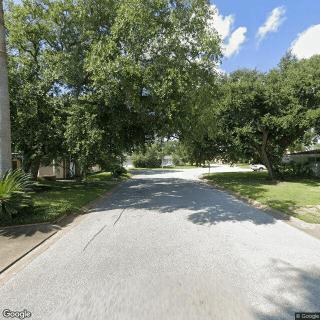
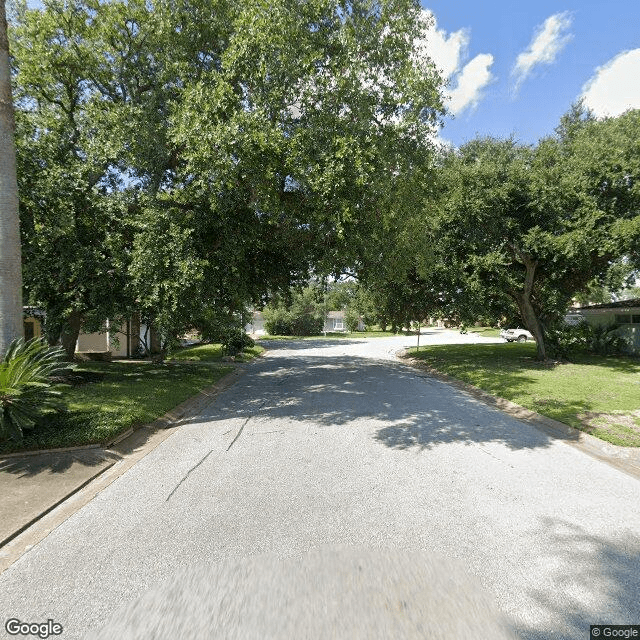
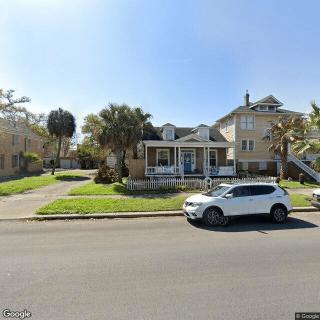
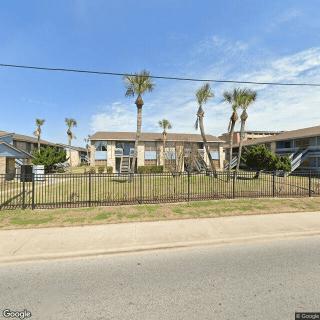
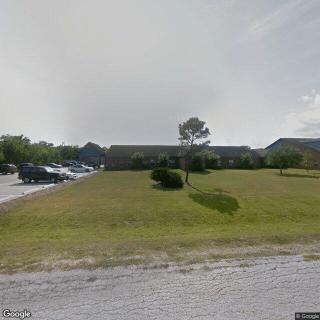
1516 Harborview Circle, Galveston, TX 77550
For more information about senior living options: (866) 208-4318
Concord Assisted Living Costs & Pricing
Concord Assisted Living offers competitive pricing for its residents, particularly when compared to both Galveston County and the broader Texas state averages. For a semi-private room, residents at Concord can expect to pay $2,800 per month, which is significantly lower than the county average of $3,715 and the state average of $3,680. This trend continues with private rooms as well, where Concord's monthly fee of $3,900 stands in favorable contrast to Galveston County's average of $4,761 and Texas's average of $4,096. These pricing structures highlight Concord Assisted Living's commitment to providing affordable care without compromising on quality for those seeking a supportive living environment.
| Floor plans | Concord Assisted Living | Galveston County | Texas |
|---|---|---|---|
| Semi-Private | $2,800 | $3,715 | $3,680 |
| Private | $3,900 | $4,761 | $4,096 |
Assisted Living communities with a similar price nearby
-
from +$383 / mo
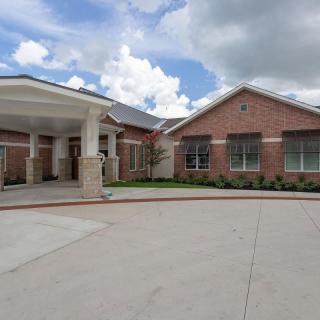
The Delaney at South Shore
$3,183 to $5,341 / month22.9 miles away -
from +$100 / mo
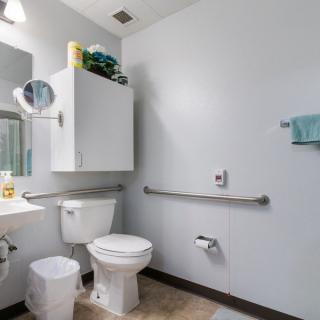
Sodalis Texas City
$2,900 to $5,600 / month14.9 miles away -
from +$395 / mo

Regal Estates Of League City
$3,195 to $4,450 / month23.0 miles away
Overall Review of Concord Assisted Living
Pros
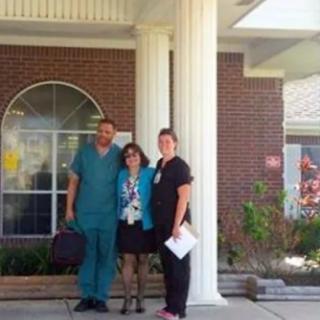
 The staff at Concord Assisted Living provides excellent care, keeping residents happy.
- Judy is hands-on and ensures residents' needs are met with compassion and care.
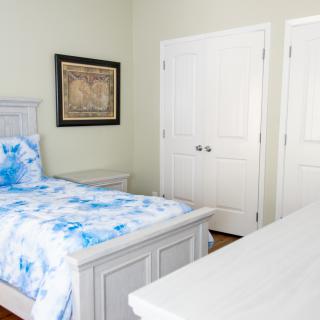
- The home environment is lovely.
- The staff provide amazing care and compassion through the end of life.
- The staff are friendly and knowledgeable, helping residents feel at home.
- Concord Assisted Living is a top choice for a great home environment with consistent care and companionship.
Cons
 The isolation from her due to Covid-19 has been difficult for our Aunt and our family.
- Alzheimer’s, a demanding illness in regard to caretaking.
Review
Concord Assisted Living in Galveston is best suited for seniors who want a true home-like setting and for families seeking steady, attentive caregiving with consistent companionship. It particularly serves residents navigating memory impairment or advancing dementia who benefit from a small, intimate team watching over daily needs and subtle changes. The operation reads as owner-led and hands-on, delivering visible oversight and a reassuring sense of stability. In short, Concord fits families prioritizing warmth, predictable care, and a living arrangement that feels like a true home rather than a clinical facility.
Those seeking extensive medical programming or a wide array of on-site services may want to look elsewhere. A larger community or a setting with round-the-clock on-site nurses, formal memory-care routines, and rich activity calendars can be more suitable for higher acuity needs or highly active social lives. While Concord can coordinate medication management and daily tasks, its small scale means fewer on-site resources and fewer elective activities than bigger communities. For residents with complex clinical needs or frequent hospital visits, alternatives offering deeper clinical support are likely a wiser fit.
Pros center on the emotional resonance of a small, attentive setting. Families consistently praise a warm home environment where staff are described as friendly, knowledgeable, and genuinely caring. The owner’s hands-on involvement seems to translate into reliable responsiveness and a level of compassion that reassures relatives. Practical services, aging in place, regular linen changes, laundry, and medication management, are integrated smoothly, reducing daily stress and caregiver burden. Tours and first-person accounts emphasize comfort, personalization of spaces, and a sense that residents live with dignity and companionship. For those seeking trustworthy continuity and steady human connection, these factors are decisive advantages.
Yet the small footprint comes with trade-offs. The intimate scale can limit programming breadth, social opportunities, and staffing coverage during busy periods. A relatively small census, around a dozen residents with only a portion currently living there, can challenge activity scheduling and consistency if turnover rises, and it may affect the vibrancy of daily life for some residents. The presence of two one-star reviews signals that not every experience aligns, pointing to concerns about consistency or oversight in certain cases. Prospective families should ask about staff-to-resident ratios, turnover, and how the home maintains quality when numbers shift, especially for those needing steady engagement and supervision.
Decision-making should weigh personal values against practical needs. For families prioritizing a home-like feel, one-on-one attention, and a dependable aging-in-place path, Concord offers a compelling and reassuring package, especially for dementia-era care where a stable, compassionate team makes a difference. Conversely, those who require more rigorous medical oversight, a broader activity slate, or a larger, busier community should systematically compare options that foreground clinical resources and expansive programming. A trial stay or extended visit can illuminate fit beyond what is seen in a tour, and conversations with staff about dementia training, current staffing, and care escalation plans will clarify the facility’s readiness as needs evolve. When alignment exists, Concord delivers dependable companionship, meaningful continuity, and the peace of mind that a loved one is known and tended to every day.
 12 resident community capacity
 Studio apartments
 Assisted Living
 Board and Care Home
 Activities off-site
 Bath tubs
 Beautician on-site
 Cable or satellite TV
 Devotional services off-site
 Dining room
 Financial aid
 Fully furnished
 Garden
 Housekeeping services
 Indoor common areas
 Laundry
 Move-in coordination
 Outdoor common areas
 Party space
 Private
 Private bathrooms
 Respite or short term stays offered
 Telephone
 Wheelchair accessible showers
 Wi-Fi/high-speed internet available
 24-hour supervision
 Ambulatory care
 Assistance with bathing
 Assistance with dressing
 Assistance with transfers
 Diabetes diet
 Diabetic care
 High acuity care
 Incontinence care
 Meal preparation and service
 Medication management
 Special dietary restrictions
 Transportation arrangement (medical)
 Transportation to doctors appointments
 Arts and crafts
 Fitness programs
 Games
Games Live musical performances
 English


 An Extensive Exploration of the VA Aid and Attendance Benefit
 Senior Transition Services: Understanding Their Role, Cost, and Importance
 Exploring the Path to Senior Living: A Comprehensive Look at Independent Living and Assisted Living