
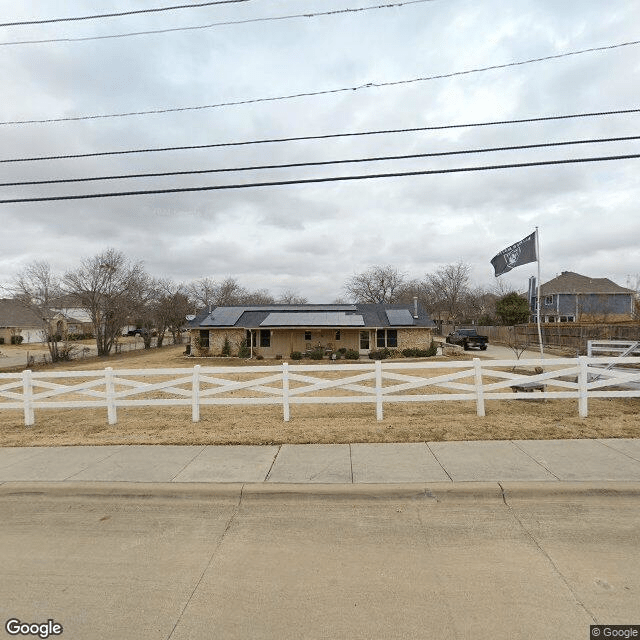
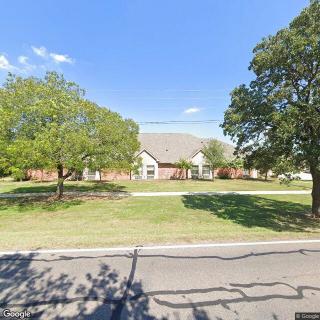
4645 Prewett Road, Fort Worth, TX 76137
To contact a resident: (682) 667-9382
For more information about senior living options: (866) 208-4318
Wonderful Care Home Costs & Pricing
At Wonderful Care Home, the cost of care is notably competitive when compared to both Tarrant County and the broader state of Texas. For a semi-private room, residents benefit from a monthly rate of $2,500, which is significantly lower than the county average of $3,889 and the state figure of $3,680. Similarly, for those opting for a private room, Wonderful Care Home's charge of $3,000 stands favorably against Tarrant County's average of $3,704 and Texas's average cost of $4,096. This pricing structure not only reflects our commitment to providing quality care but also emphasizes our dedication to affordability in an increasingly challenging economic landscape.
| Floor plans | Wonderful Care Home | Tarrant County | Texas |
|---|---|---|---|
| Semi-Private | $2,500 | $3,889 | $3,680 |
| Private | $3,000 | $3,704 | $4,096 |
Senior living communities with a similar price nearby
-
About the same
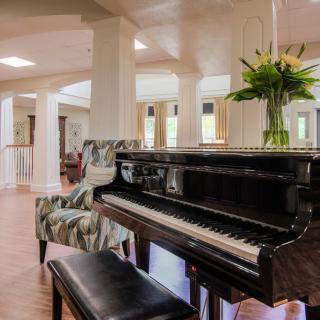
Lewisville Estates - IL
$2,495 to $3,295 / month19.7 miles away -
About the same
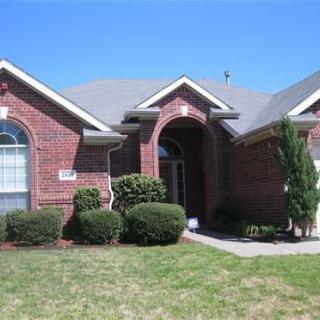
Halo Residential Care Homes
$2,500 to $3,000 / month20.3 miles away -
from +$200 / mo
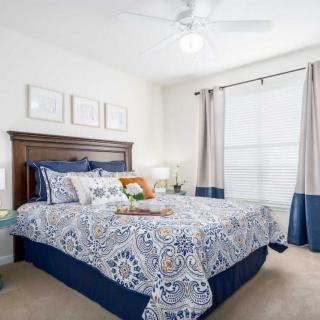
Discovery Village At Castle Hills
$2,700 to $3,195 / month24.7 miles away -
from +$349 / mo
Lewisville Estates
$2,849 to $7,500 / month19.7 miles away -
from +$95 / mo

Conservatory at Keller Town Center
$2,595 to $2,935 / month5.2 miles away
Overall Review of Wonderful Care Home
Pros
 Susan Ogazi is a blessing to both the wife and her husband.
- Her caregiving skills and empathy are truly amazing.
- Her devotion to the wife’s care and well-being—and to the husband—is very helpful during stressful times.
- She is the consummate professional.
- She is a thoughtful and capable person to care for a loved one.
- The reviewer calls her "Magic" and strongly recommends talking with her.
Review
Wonderful Care Home in Fort Worth, Texas is best suited for families that want extremely hands-on, dementia-focused care delivered in a small, intimate setting where a single dedicated caregiver can form a direct, enduring relationship with the resident. The two reviews spotlight an approach centered on one caregiver who becomes the trusted anchor of daily life, offering a level of personalized attention and emotional connection that larger, more impersonal facilities often struggle to match. For families facing progressive dementia, this dynamic can translate into steadier routines, quicker recognition of subtle changes, and a sense of safety that comes from a caregiver who knows the resident’s history and preferences intimately.
That emphasis on individualized attention also points to who may want to consider alternatives. If the priority is broad programming, robust clinical oversight, or a multi-staff model that buffers care from any one person’s schedule, other options may be more suitable. Families who value formalized care plans, frequent oversight by a clinical director, or a wide variety of structured activities across the day may find options that offer more breadth and redundancy to be a better fit. In short, the setting appears exceptional for deep, personal caregiving, but it may not be ideal for those seeking a highly standardized, team-delivered ecosystem.
The strongest pro in these impressions is the caregiver’s skill, empathy, and professional devotion. Described as a “blessing” and “the consummate professional,” Susan Ogazi embodies the level of compassionate competence that can transform daily care into meaningful support. That quality matters enormously for a spouse coping with dementia, reducing anxiety, improving safety during routine tasks, and enabling more dignified, respectful interactions. When a caregiver so thoroughly earns trust, the emotional burden on families lightens significantly, allowing them to focus on remaining moments of quality time rather than chronic worry about care quality.
This exceptional caregiving also translates into clear, practical advantages: better consistency in day-to-day routines, more reliable alerts when problems arise, and a sense that the resident is genuinely known, not merely treated. The downside, however, is a vulnerability that cannot be ignored. Such depth of care, if heavily tied to a single person, creates one primary point of risk for continuity. If Susan’s availability shifts, or if back-up coverage is limited, the care pattern could be disrupted. Families should weigh the value of this extraordinary personal connection against the potential disruption that could follow if staffing changes occur.
Beyond the caregiver dynamic, the limited information available from two reviews leaves several practical questions open. There is little detail about medical oversight, medication management, nutrition, or a broader activity program, all of which influence long-term outcomes in dementia care. While the reported experience suggests a high level of personal attention, certainty about how these benefits scale to longer stays or varying levels of need remains prudent. The positive testimony about one caregiver’s impact does suggest substantial potential, but it also signals the need for confirming how the home maintains consistency when staffing shifts.
In conclusion, Wonderful Care Home represents a compelling choice for families prioritizing intensely personalized, dementia-capable care in a small, home-like setting. It is a particularly strong match for those who can embrace a care model centered on a single, exceptional caregiver and who are prepared to investigate continuity planning and backup coverage as part of the decision. Prospective families should schedule a direct meeting with the care provider, request to meet additional staff, and review the formal care plan to understand how everyday needs will be managed over time. Where these checks align, this community stands out as a prudent, trustworthy option for meaningful, attentive dementia care in Fort Worth.
 Board and Care Home
 Activities off-site
 Devotional services off-site
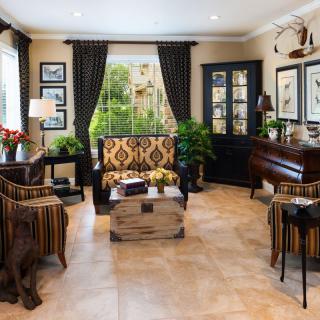
 Indoor common areas
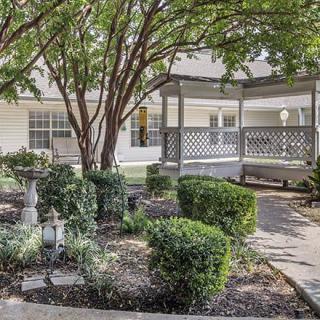
 Outdoor common areas
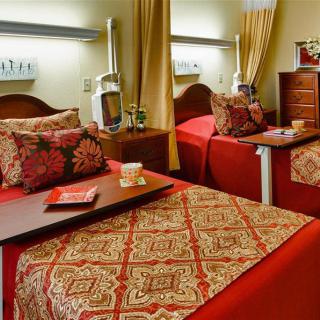
 Private
 Private bathrooms
 Respite or short term stays offered
 Wheelchair accessible showers
 Dallas-Fort Worth International (14 miles away)
 Ambulatory care
 Diabetic care
 High acuity care
 Incontinence care
 Kosher
 Comprehensive Insights into Palliative Home Care: What It Is and What to Expect
 Skilled Nursing Facilities vs. Nursing Homes: Making Sense of the Differences
 A Detailed Examination of Nursing Home Costs Across the U.S.