St. John'S Residential Care Homes I in Fort Worth, TX

8001 West Cleburne Road, Fort Worth, TX 76123

For more information about senior living options: (844) 490-3973

5 from 2 reviews
Assisted Living

Overall Review of St. John'S Residential Care Homes I

Pros

  • pro The care home provides TLC to its residents.
  • pro Judith Tan-Pascual is providing an excellent home-like environment for aging patients with dementia and other major health issues.
  • pro The care provided to the author's father by Judith Tan-Pascual's group home staff is impressive.

Review

St. John's Residential Care Homes I in Fort Worth is best suited for families seeking a small, home-like setting that delivers highly personalized attention to seniors with dementia and significant health needs. The model here prioritizes a warm, domestic atmosphere over a clinical, impersonal feel, with daily routines that feel more like a family home than a traditional facility. This is especially valuable for residents whose cognition or medical fragility benefits from consistent, gentle oversight, predictable routines, and a staff team that treats each resident as an individual rather than a number. The arrangement works best for those who want intimate caregiver relationships, direct visibility into daily care, and a setting where staff can respond quickly to evolving health concerns.

Those comparing options should consider alternatives if the priority shifts toward larger campuses, broader social programming, or more formalized medical infrastructure. A bigger assisted living community or a dedicated memory-care campus often offers a wider menu of daily activities, on-site specialists, and formalized care pathways. Families seeking extensive on-site rehabilitation services, frequent physician visits, or a more institutional atmosphere may find a larger setting more aligned with their expectations. In short, for families who value scale and breadth of services, this home-like model may feel limited relative to more expansive options.

The strongest pros here are the emphatic home environment and the level of TLC that staff provide, particularly for residents dealing with dementia and complex medical needs. The reviews highlight a leadership-driven approach that emphasizes warmth, stability, and consistent caregiver involvement. The small-team dynamic can translate into highly personalized care plans, with staff who know individual residents' preferences, triggers, and routines. That intimate scale reduces the sense of abandonment or confusion that can accompany memory loss, and it often yields steadier daily life - meals, rest periods, and safety checks feel deliberate and predictable. In practice, these advantages can meaningfully offset the perceived drawbacks of a smaller operation.

Evidence from external observers reinforces the impression of exceptional hands-on care. A visiting health care provider notes the exceptional TLC extended to residents and singles out Judith Tan-Pascual for delivering a home-centered environment rather than a generic facility model. The parent-like commitment from the caregiver team, and the clear attention to the needs of residents with dementia and major health issues, suggest a care culture that prioritizes comfort, safety, and dignity. For families facing difficult decisions about where a loved one can thrive with daily support, this kind of testimony about staff reliability and compassionate care carries considerable weight.

For families evaluating this community, practical questions should shape the visit: How are care plans created and updated as health conditions evolve? What is the staff-to-resident ratio on all shifts, and how quickly can staff respond to emergent needs? How are dementia symptoms monitored and addressed, and what training do caregivers receive for behavioral challenges? What safeguards exist to maintain a consistent routine, and how flexible is the schedule to accommodate individual preferences or medical appointments? Observing mealtime dynamics, activity pacing, and the warmth of interactions during a drop-in can provide crucial insight into how closely the living environment matches the described home-like ideal.

In the end, the decision rests on whether the family's priority is a genuinely intimate, home-forward care setting that can sustain excellent dementia and medical support through a personalized lens. St. John's Residential Care Homes I stands out for its strong, compassionate staff and a leadership approach that treats residents as family members. It is a compelling choice for those who value steady relationships, a calm atmosphere, and hands-on attention that can make a real difference in daily comfort and safety. If a larger calendar of events, broader clinical services, or a more formal institutional feel is essential, alternatives should be explored, but for families seeking sobriety, dignity, and a truly human-centered approach to care, this community warrants serious consideration.

Features

Housing

  • 8 resident community capacity 8 resident community capacity

Types of Care

  • Assisted Living Assisted LivingAssisted living facilities provide crucial support and care for seniors who may need help with daily tasks such as medication management, bathing, and meal preparation. These communities offer a safe and comfortable environment where seniors can maintain their independence while receiving the assistance they need to thrive in their golden years.

Amenities

  • Cable or satellite TV Cable or satellite TVCable or satellite TV is important for seniors because it provides entertainment, news, and companionship, helping to combat loneliness and boredom. It also offers a wide range of programming options tailored to different interests and preferences.
  • Dining room Dining roomDining rooms are important for seniors as they provide a space for socialization, connection, and nutritious meals. They offer opportunities for residents to bond over shared meals, foster a sense of community, and promote healthy eating habits. Dining rooms also ensure that seniors have access to well-balanced meals tailored to their dietary needs and preferences.
  • Fully furnished Fully furnishedFully furnished senior living communities are important for seniors because they provide convenience, comfort, and a hassle-free moving experience. Seniors can easily settle into their new living space without the stress of having to buy and move furniture. This allows them to focus on enjoying their new home and community.
  • Garden GardenGardens are important for seniors as they provide a peaceful and therapeutic environment for relaxation, physical activity, and socialization. Being in nature has been shown to reduce stress, improve mood, and promote overall well-being. Gardens also offer opportunities for seniors to engage in gardening activities, which can improve mobility, flexibility, and cognitive function. Additionally, gardens create a sense of community and connection with others who share a passion for plants and outdoor spaces.
  • Housekeeping services Housekeeping servicesHousekeeping services are important for seniors because they help maintain a clean and safe living environment, promote independence, and reduce the risk of accidents or illnesses. Additionally, having assistance with household chores can alleviate physical strain and allow seniors to focus on other aspects of their well-being.
  • Move-in coordination Move-in coordinationMove-in coordination is important for seniors because it helps ease the transition into their new living environment. It ensures that all logistics, such as packing, organizing movers, and setting up utilities are taken care of, allowing seniors to focus on settling in and adjusting to their new home. Having a smooth move-in process can alleviate stress and anxiety, making the transition smoother and more enjoyable for seniors.
  • Outdoor space Outdoor spaceOutdoor spaces are important for seniors as they provide opportunities for physical activity, social interaction, exposure to natural light and fresh air, and a sense of connection to nature. Having access to outdoor spaces can improve overall well-being and quality of life for older adults living in senior communities.
  • Telephone TelephoneTelephones are important for seniors as they provide a lifeline for communication with loved ones, emergency services, and healthcare providers. They offer a sense of security and independence, enabling seniors to stay connected and access assistance when needed.
  • Wi-Fi/high-speed internet available Wi-Fi/high-speed internet availableWi-Fi/high-speed internet is important for seniors to stay connected with loved ones, access online resources, and participate in virtual activities to combat feelings of loneliness and isolation. It also allows them to easily manage healthcare needs, access entertainment, and engage in lifelong learning opportunities.

Care Services

  • 24-hour supervision 24-hour supervision24-hour supervision is important for seniors to ensure their safety, well-being, and access to immediate assistance in case of emergencies or health issues. This constant support provides peace of mind for both seniors and their loved ones, allowing them to age in place with dignity and security.
  • Activities of daily living assistance Activities of daily living assistanceActivities of daily living assistance are important for seniors because they provide essential support with tasks such as eating, bathing, dressing, and mobility. This assistance helps seniors maintain their independence, dignity, and overall quality of life as they age.
  • Assistance with bathing Assistance with bathingAssistance with bathing is crucial for seniors as it helps maintain personal hygiene, prevents infections, and ensures their overall well-being and comfort. It also provides a sense of dignity and independence for seniors who may struggle with this task on their own.
  • Assistance with dressing Assistance with dressingAssistance with dressing is important for seniors because it helps maintain their independence, promotes personal hygiene, prevents accidents and injuries, and improves overall quality of life. This service ensures that seniors can continue to dress comfortably and confidently, despite any physical limitations they may have.
  • Assistance with transfers Assistance with transfersAssistance with transfers is crucial for seniors as it helps prevent falls and injuries, maintains their independence, and ensures they can safely navigate their living environment. It also provides peace of mind for both seniors and their loved ones.
  • Coordination with health care providers Coordination with health care providersCoordination with health care providers is crucial for seniors to ensure proper medical care, medication management, and overall well-being. This collaboration helps prevent overlapping treatments, track progress more effectively, and provide comprehensive support tailored to individual needs.
  • Diabetes diet Diabetes dietA diabetes diet is crucial for seniors as it helps manage blood sugar levels, reduce risks of complications, and improve overall health and well-being. By following a balanced and nutritious diet tailored to their specific needs, seniors can better control their diabetes and enhance their quality of life.
  • Meal preparation and service Meal preparation and serviceMeal preparation and service are crucial for seniors as they may have limited mobility or energy to cook nutritious meals. Having access to healthy and convenient food options can ensure they are getting the proper nutrition needed to maintain their overall health and well-being.
  • Medication management Medication managementMedication management is crucial for seniors to ensure they are taking the right medications at the correct dosages and times. This helps prevent adverse drug interactions, reduces the risk of medication errors, and promotes overall health and well-being. Proactive management also allows for adjustments as needed based on changing health conditions or new prescriptions.
  • Special dietary restrictions Special dietary restrictionsSpecial dietary restrictions are important for seniors because age-related changes in metabolism and health conditions can make it difficult for their bodies to process certain foods. By following a diet tailored to their specific needs, seniors can maintain their overall health and well-being, manage chronic conditions, and reduce the risk of complications such as malnutrition or food interactions with medications.
  • Transportation arrangement (medical) Transportation arrangement (medical)Transportation arrangements for medical purposes are essential for seniors as they may have difficulty driving themselves to appointments or accessing public transportation. Having reliable and safe transportation options ensures that seniors can receive timely medical care and maintain their health and well-being.
  • Transportation to doctors appointments Transportation to doctors appointmentsTransportation to doctors' appointments is crucial for seniors as it ensures they have access to necessary medical care and support for their health needs. Without reliable transportation, seniors may struggle to attend important appointments, leading to potential delays in treatment and health complications. Providing transportation services helps seniors maintain their overall well-being and quality of life.

Dining

  • Diabetes diet Diabetes dietA diabetes diet is crucial for seniors as it helps manage blood sugar levels, reduce risks of complications, and improve overall health and well-being. By following a balanced and nutritious diet tailored to their specific needs, seniors can better control their diabetes and enhance their quality of life.
  • Special dietary restrictions Special dietary restrictionsSpecial dietary restrictions are important for seniors because age-related changes in metabolism and health conditions can make it difficult for their bodies to process certain foods. By following a diet tailored to their specific needs, seniors can maintain their overall health and well-being, manage chronic conditions, and reduce the risk of complications such as malnutrition or food interactions with medications.

Activities

  • Community-sponsored activities Community-sponsored activitiesCommunity-sponsored activities are important for seniors as they provide opportunities for social interaction, mental stimulation, and physical activity. These activities can help improve overall well-being, combat loneliness and isolation, and promote a sense of belonging and purpose among older adults.
  • Scheduled daily activities Scheduled daily activitiesScheduled daily activities are important for seniors because they provide structure, socialization, mental stimulation, and physical activity. Engaging in regular activities can improve overall well-being and quality of life for seniors living in a community setting.

Description

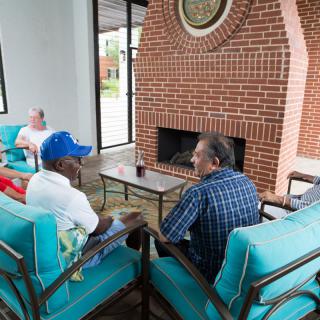
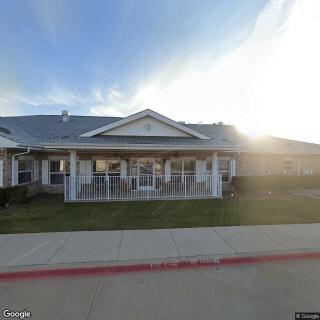
St. John’s Residential Care Homes I is a welcoming assisted living community located in the heart of Fort Worth, TX. This vibrant home offers a warm and inviting atmosphere complemented by a variety of amenities designed to enhance residents' quality of life.

The community features a spacious dining room where residents can enjoy nutritious meals prepared in accordance with their dietary needs, including options for special dietary restrictions and diabetes diets. Residents can socialize and dine together, fostering connections and a sense of community.

Each living space is fully furnished, providing comfort and convenience from the moment residents move in. The beautifully landscaped garden and outdoor spaces offer serene spots for relaxation and enjoyment of nature.

Residents benefit from housekeeping services that ensure their living environment remains clean and tidy, allowing them to focus on enjoying daily activities without the burden of chores. Move-in coordination services help new residents transition smoothly into their new home.

St. John’s prioritizes personalized care with assistance provided for activities of daily living (ADLs) such as bathing, dressing, transfers, and medication management. The dedicated staff works closely with healthcare providers to coordinate medical care, ensuring that all residents receive the attention they need.

The community also boasts scheduled daily activities that promote engagement and social interaction among residents. With transportation arrangements available for medical appointments and easy access to nearby cafes, parks, restaurants, theaters, pharmacies, physicians, and hospitals, residents have everything they need right at their fingertips.

At St. John’s Residential Care Homes I, seniors experience a fulfilling lifestyle enriched by compassionate care in a supportive environment where they can thrive socially and personally.

Nearby Places of Interest

Restaurants

  • Golden Chick (0.6 miles)
  • McDonald's (1.6 miles)
  • Whataburger (2.7 miles)
  • Taco Bell (2.9 miles)
  • Panda Express (3 miles)
  • Chili's Grill & Bar (3.4 miles)
  • McDonald's (3.7 miles)

Pharmacies

  • CVS Pharmacy (0.6 miles)
  • Walgreens (0.6 miles)
  • Walmart Pharmacy (1.4 miles)
  • Walmart Fuel Station (1.4 miles)
  • CVS Pharmacy (2 miles)
  • Ridgmar Pharmacy (2.5 miles)
  • Walgreens (2.8 miles)

Parks

  • Panther Stadium (1.4 miles)
  • Overton Park (5.3 miles)

Physicians

  • Bowie Camp Clinic (2.7 miles)
  • Touchstone Imaging Southwest Fort Worth (2.8 miles)
  • My Hope TMS Center (2.8 miles)
  • Texas Oncology Pa (3 miles)
  • Dfw Neurology (3 miles)
  • Baylor Family Medical Center At Southwest Fort Worth (3 miles)
  • Psymed Solutions (3.4 miles)

Hospitals

  • Regency Hospital of Fort Worth (3.1 miles)
  • Texas Health Harris Methodist Hospital Southwest Fort Worth (3.1 miles)
  • Tele 4 (3.1 miles)
  • Pcu 4 (3.2 miles)
  • TotalCare Clinic (4.6 miles)
  • Texas Health Huguley Hospital Fort Worth South (4.7 miles)
  • Baylor Emergency Department At Burleson (5 miles)

Cafes

  • Starbucks (3.3 miles)
  • Press Cafe (5.7 miles)
  • Starbucks (7.2 miles)

Theaters

  • Movie Tavern Hulen (3.8 miles)
  • AMC Burleson 14 (4.8 miles)
  • AMC DINE-IN Clearfork 8 (5.9 miles)

Places of Worship

  • St Stephen Presbyterian Church (6.3 miles)
  • Open Door Church (7 miles)

Frequently Asked Questions

Where is St. John'S Residential Care Homes I?

Nearby Communities

  • Albright Foster Care

    Albright Foster Care

    Fort Worth, TX

    2.7 from 34 reviews
     

    pro Small, intimate 4-bed community with 24/7 supervision and full daily-care services.

  • St. John's Residential Care Home

    St. John's Residential Care Home

    Fort Worth, TX

    5 from 2 reviews
     

    pro Home-like setting with 24-hour supervision and personalized care.

  • St. John's Residential Care Home III

    St. John's Residential Care Home III

    Fort Worth, TX


    pro Small, intimate setting with personalized care.

  • The Spring of Silverton Active Adult 55

    The Spring of Silverton Active Adult 55

    Fort Worth, TX

    4.3 from 83 reviews
    $1,100 to $3,500 / month

    pro Affordable 55+ independent living with active programs and well-kept grounds.

  • Solea Tavolo Park

    Solea Tavolo Park

    Fort Worth, TX

    4.6 from 76 reviews
    $1,350 to $1,850 / month

    pro Friendly staff, clean apartments, and a strong sense of community with engaging activities.

  • St John'S Residential Care Home

    St John'S Residential Care Home

    Fort Worth, TX

    4.4 from 11 reviews
     

    pro 24/7 nurse coverage, attentive staff, and a clean, home-like environment with a safe courtyard.

  • Bethesda Gardens Memory Care DUP

    Bethesda Gardens Memory Care DUP

    Ft. Worth, TX

    4.4 from 49 reviews
    $4,450 / month

    pro Clean facility with a strong memory care unit.

  • The Grandview of Chisholm Trail

    The Grandview of Chisholm Trail

    Fort Worth, TX

    4 from 77 reviews
    $4,420 to $6,745 / month

    pro Compassionate staff, clean facility, and engaging activities.

  • Ignite Medical Resort Fort Worth

    Ignite Medical Resort Fort Worth

    Fort Worth, TX

    4.4 from 132 reviews
    $2,800 to $3,300 / month

    pro Compassionate staff and strong rehab therapy.

Related Resources

  • assisted living vs skilled nursingExploring the Contrasts Between Assisted Living and Skilled Nursing

    The article compares assisted living and skilled nursing facilities, detailing their differing levels of assistance, medical support, cost structures, and day-to-day experiences. It emphasizes that assisted living is for those needing help with daily activities while maintaining independence, whereas skilled nursing facilities provide intensive medical care with 24-hour staff supervision.

  • when to move from assisted living to nursing home8 Key Indicators That Suggest It May Be Time to Transition from Assisted Living to Skilled Nursing Care

    The transition from assisted living to skilled nursing care is often prompted by complex medical needs that assisted living cannot meet, with key indicators including frequent health declines, increased falls, severe memory issues, and caregiver burnout. Families should recognize these signs early to discuss options with healthcare providers and prepare for the emotional and logistical aspects of moving to a facility that offers comprehensive medical support.

  • active senior livingVibrant Senior Living: A Comprehensive Guide for Active Older Adults

    Vibrant Senior Living emphasizes active senior living communities that promote independence and engagement through diverse amenities and activities, fostering wellness and social interaction among older adults. These communities range from independent to assisted living, with a focus on personal growth, family involvement, financial planning, and leveraging technology to enhance residents' experiences.