For more information about senior living options: (866) 208-4318
4.4 from 49 reviews
5 stars
38
4 stars
4
3 stars
1
2 stars
1
1 stars
5
Bethesda Gardens Memory Care DUP Costs & Pricing
Bethesda Gardens Memory Care DUP offers a competitive pricing structure for their services, with monthly rates set at $4,450 for both studio and one-bedroom units. When compared to the average costs in Tarrant County, which stand at approximately $3,659 for a studio and $3,741 for a one-bedroom, Bethesda's prices are notably higher. Similarly, these rates exceed the state average of about $3,758 for studios and $3,761 for one-bedrooms across Texas. While the pricing may reflect the added value and specialized care unique to Bethesda Gardens, prospective residents will want to carefully consider their budget in relation to local market trends when exploring memory care options.
Floor plans
Bethesda Gardens Memory Care DUP
Tarrant County
Texas
Studio
$4,450
$3,659
$3,758
1 Bedroom
$4,450
$3,741
$3,761
Memory care communities with a similar price nearby
About the same
Abby's Place
4.8 from 57 reviews
$4,500 to $7,000 / month
20.3 miles away
About the same
Colonial Oaks at Arlington
4.8 from 69 reviews
$4,495 to $4,795 / month
17.4 miles away
from +$240 / mo
Discovery Village at Alliance Town Center Assisted Living
Overall Review of Bethesda Gardens Memory Care DUP
common8 reviews mention this
Dining quality is a mixed bag
Dining is a frequent point of both praise and complaint.
Several residents and families describe the meals positively, including residents eating regular meals with others and families saying the food is excellent or better than expected. Others report that food quality is not meeting expectations, with one reviewer describing very limited choices and another calling it cafeteria-like. Even when the staff is praised, a few families still single out dining as a deciding factor that didn’t hold up after move-in.
common16 reviews mention this
Cleanliness and tidy spaces stand out
Many reviewers highlight a consistently clean, well-kept environment.
A large share of reviewers say the community is clean, tidy, and well maintained, including comments that rooms and common areas look kept up. Some families also mention housekeeping and laundry habits, describing pride in how services are done. A smaller number of negative reviews counter that with concerns about hygiene and cleaning lapses.
common8 reviews mention this
Medical care and medication support
Residents’ medical needs are a recurring focus in reviews.
Many reviewers describe strong medical support, including mention of on-site care and medication handling routines. Families also describe nurse involvement and responsiveness when needs change, and one reviewer specifically points to careful medication distribution practices. In the negative reviews, concerns focus more on staffing and follow-through, but they still tie back to keeping residents safe and supported day to day.
common4 reviews mention this
Activities bring structure and engagement
Activities are repeatedly mentioned as part of daily life.
Several families say their loved ones benefit from daily activities, including structured programming aligned with memory care needs. Reviews mention holiday celebrations and social activities like bingo, with some describing how residents gained companionship through these routines. A positive experience is often paired with comments about staff engagement during the day.
caveat4 reviews mention this
Staffing and supervision concerns
A few reviews raise serious concerns about staffing and supervision.
Some reviewers report episodes they consider disturbing, including issues like neglected laundry, residents roaming halls, and delays in getting help at locked entry points. Others describe being short-staffed and not responding to care concerns they raised, such as hygiene and skipped basics. These complaints are presented as matters of supervision and follow-through, not just personal preferences.
How we summarize
Counts show how many written reviews mention each theme; a review can touch several themes, and only frequently mentioned themes are displayed.
Features
Types of Care
Memory Care
Nearby Places of Interest
This area of Fort Worth, Texas offers a convenient and diverse range of amenities for seniors looking to settle down. With several popular chain restaurants such as McDonald's, Whataburger, and Chili's Grill & Bar nearby, dining options are plentiful. Pharmacies like Walmart and Walgreens provide easy access to medication and healthcare needs. Medical facilities including Texas Health Harris Methodist Hospital Southwest Fort Worth and Texas Oncology Pa are within a short distance for quality healthcare services. For leisurely activities, parks like Overton Park and Leonard Park offer beautiful outdoor spaces to enjoy nature. Additionally, cafes like Starbucks and Press Cafe provide cozy spots for socializing or relaxing with a hot beverage. Overall, this area boasts a mix of conveniences and recreational opportunities ideal for senior living in Fort Worth.
Restaurants
McDonald's (0.9 miles)
Whataburger (1.2 miles)
Taco Bell (1.4 miles)
Panda Express (1.7 miles)
Chili's Grill & Bar (2 miles)
Golden Chick (2.2 miles)
Rosa's Café & Tortilla Factory (2.4 miles)
Pharmacies
Walmart Fuel Station (0.9 miles)
Walmart Pharmacy (0.9 miles)
Ridgmar Pharmacy (1.1 miles)
Walgreens (1.3 miles)
CVS Pharmacy (1.6 miles)
CVS Pharmacy (2 miles)
Walgreens (2.1 miles)
Physicians
Touchstone Imaging Southwest Fort Worth (0.9 miles)
My Hope TMS Center (1 miles)
Texas Oncology Pa (1.1 miles)
Dfw Neurology (1.2 miles)
Bowie Camp Clinic (1.3 miles)
Baylor Family Medical Center At Southwest Fort Worth (1.3 miles)
Psymed Solutions (1.6 miles)
Hospitals
Texas Health Harris Methodist Hospital Southwest Fort Worth (1.3 miles)
Tele 4 (1.3 miles)
Pcu 4 (1.3 miles)
Regency Hospital of Fort Worth (1.4 miles)
Texas Health Clearfork (4.5 miles)
TotalCare Clinic (6.4 miles)
Texas Health Huguley Hospital Fort Worth South (6.5 miles)
Bethesda Gardens Memory Care DUP offers a competitive pricing structure for their services, with monthly rates set at $4,450 for both studio and one-bedroom units. When compared to the average costs in Tarrant County, which stand at approximately $3,659 for a studio and $3,741 for a one-bedroom, Bethesda's prices are notably higher. Similarly, these rates exceed the state average of about $3,758 for studios and $3,761 for one-bedrooms across Texas. While the pricing may reflect the added value and specialized care unique to Bethesda Gardens, prospective residents will want to carefully consider their budget in relation to local market trends when exploring memory care options.
Vibrant Senior Living emphasizes active senior living communities that promote independence and engagement through diverse amenities and activities, fostering wellness and social interaction among older adults. These communities range from independent to assisted living, with a focus on personal growth, family involvement, financial planning, and leveraging technology to enhance residents' experiences.
Assisted living provides moderate support for seniors seeking independence, while memory care offers specialized support for individuals with dementia or cognitive impairments through structured routines and trained staff. Key differences include care approaches, environment security measures, staff training levels, activity types, and cost considerations.
Choosing between assisted living and nursing homes involves evaluating emotional and financial factors, with assisted living offering independence and support for daily activities at a lower cost, while nursing homes provide intensive medical care for individuals with significant health needs. The decision is influenced by personal preferences, health status, cognitive function, and varying Medicaid coverage across states.
Get PricingAsk A QuestionSchedule A TourContact Senior Advisor
By clicking submit, you agree to our Partner's Terms of Use. You
also consent to receive calls and texts, which may be autodialed, from our Partner. Your consent is not a condition to
using our Partner's service. Please visit our Partner's Privacy Policy for information about their privacy practices.

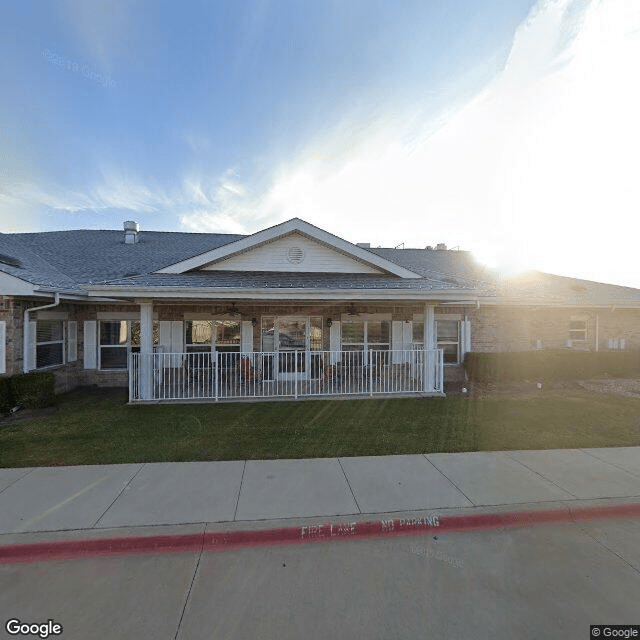
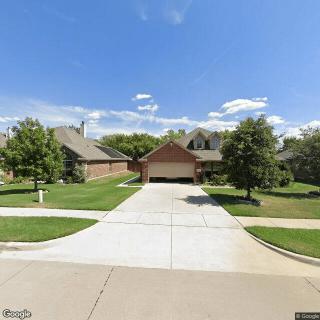
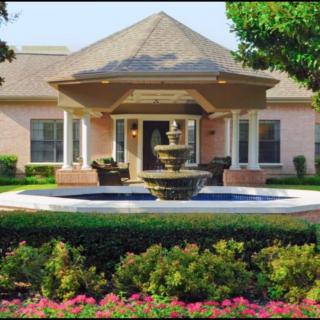

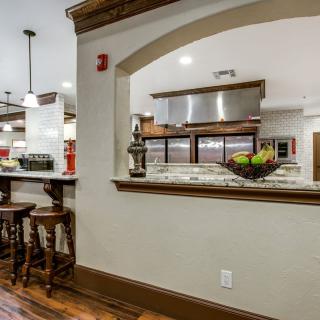
 Memory Care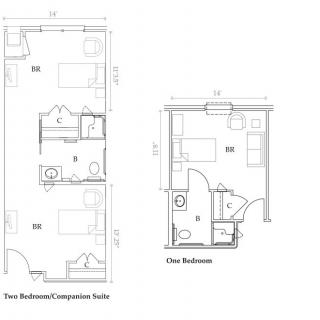
 Specialized memory care with 24-hour supervision and engaging activities.

 Vibrant Senior Living: A Comprehensive Guide for Active Older Adults
 Assisted Living and Memory Care: Understanding Their Core Differences
 Choosing the Right Senior Care: A Detailed Exploration of Assisted Living and Nursing Homes