Albright Foster Care

7636 Red Willow Road, Fort Worth, TX 76133

For more information about senior living options: (844) 490-3973

2.7 from 34 reviews
5 stars
13
4 stars
2
3 stars
0
2 stars
0
1 stars
19

Assisted Living

What level of care are you interested in?

Assisted Living

Memory Care

Independent Living

Skilled Nursing Facility

Continuing Care Retirement Community (CCRC)CCRC

Other


Request a tour at Albright Foster Care

    Overall Review of Albright Foster Care

    Pros

    • pro Jaclynn VanWinkle is absolutely amazing.
    • pro She changed the family's lives for the better by listening and doing everything she could.
    • pro The care and thought put into the well-being of children and families in need is truly something to see.
    • pro The Kidz Party Bus volunteers contributed their time to ACH events.
    • pro A staff member was very nice and helpful when the client first arrived.

    Cons

    • pro The staff were horrible and communication was consistently poor.
    • pro The living conditions were disgusting, with a dirty bathroom and even a dead roach found in a room.
    • pro The facility did not accommodate medical needs and expected chores the resident couldn't perform.
    • pro The schooling provided was horrible.
    • pro The facility had drug influence and occult activity, creating an unsafe environment.
    • pro The building and surrounding infrastructure were old and poorly maintained, with repairs being rare.
    • pro Essential amenities like showers and washing machines were frequently broken.
    • pro There were serious safety concerns, including a report of a child being sexually abused with no action taken.
    • pro Program staff ghosted applicants and failed to follow up; front desk staff hung up on a caller.
    • pro The overall impression was untrustworthy and not supportive; the place is not recommended.

    Review

    ACH and its network of programs drew a wide range of experiences from those who connected with them. On one end of the spectrum, the organization inspired gratitude and pride. A family spoke warmly of Jaclynn VanWinkle, describing her as "absolutely amazing" and crediting her with changing their lives for the better. They emphasized how she listened and did everything she could for their son, and they expressed deep thanks for the impact she had on their family. This same sentiment extended to volunteers like the Kidz Party Bus, which has contributed to events at ACH. The volunteer described the care and thought given to the well-being of children and families in need as something truly moving and uplifting, something they were humbled to be part of.

    But the experience of ACH was not uniformly positive. One reviewer recounted a CPS-related stay at ACH during a difficult time with their mother and described the staff as horrible, with communication described as equally poor. They recounted being told they couldn't perform chores due to injuries verified by a doctor, poor schooling, a sense of isolation in a dark period, and living conditions described as disgusting. In their words, they found a dead roach in their room and a dirty bathroom, painting a picture of a highly unsatisfactory environment during a time of vulnerability.

    Another account expressed frustration with the lack of support and directions. A person requested guidance to find the right ACH location near their home but was transferred to a staff member who only asked what was needed, then hung up when they couldn't provide a name for a nearby partner. They criticized the experience as being emblematic of broader issues: a lack of support for parents raising children who are not under legal custody, and a sense that helpful guidance was not forthcoming. They indicated they would provide the name later, underscoring a sense of unresolved frustration.

    In contrast, there was also a moment of positive reassurance from someone who described initial fear turning into gratitude. They recalled a staff member who was kind and helpful from the start and credited ACH with helping them for years. They expressed pride in having lived there and a heartfelt thanks that would influence whom they have become. This perspective highlighted that ACH could be a source of stability and support for some individuals, even as others faced significant obstacles.

    The narrative took a darker turn with a distressing accusation about a family member's daughter. A reviewer alleged that their daughter, who was eight years old at the time, was subjected to harsh treatment and sexual abuse by a teenager, with no action taken to address it. They declared that the place felt dangerous and declared an intent to pursue legal action, hoping to seek accountability from the state of Texas. The reviewer connected the trauma to lasting effects, including nightmares and flashbacks, underscoring how deeply harmful experiences within such environments can be for children and families.

    Another extensive personal account described two years of residence at ACH, focusing on ongoing structural and cultural problems. The writer reported a heavy drug influence in the area, aging facilities, and outdated infrastructure where even Ethernet was considered advanced technology. They detailed a litany of maintenance failures - shower knobs that constantly broke and required tools to operate, and washing machines that were frequently broken or replaced. Beyond the physical plant, they recounted an unsettling encounter with a supposed cult activity: late-night sightings of masked figures and silhouettes near a neighboring church-building, including an encounter with a masked man in a cream-colored mask. The writer described a security dynamic where a key card granted access only to staff, which fed into a broader sense of unease. They characterized daily life as "pur-gatory" and emphasized repeated alarms, theft, drug influence, and occult rumors as deterrents to staying. The overall impression was that ACH did not meet the person's needs and they strongly advised others not to consider living there, encouraging future residents to seek alternatives and maintain vigilance.

    There was also a quieter, yet painful, thread about the administrative side of services for survivors of domestic violence. A survivor who had entered a transitional housing program found themselves ignored after interviews - multiple follow-ups produced little to no response. They described a process where well-meaning intentions didn't translate into timely action: they spoke with a staff member named Sharla and two other women, reliving traumatic moments, and then were left waiting without updates. Repeated attempts to reach a supervisor went unanswered, leaving them feeling defeated and invisible within the city's support system. They warned others to be cautious and tempered in their expectations, sharing a warning that you might be left without the help you seek.

    Taken together, the collected narratives present a complex portrait of ACH: moments of meaningful support and life-changing impact alongside serious criticisms of governance, communication, maintenance, safety, and responsiveness. Some individuals found a source of hope and growth through dedicated staff and volunteers, while others experienced neglect, unsafe conditions, or procedural delays that worsened their already difficult circumstances. The range of experiences underscores the importance of consistent, compassionate service delivery, transparent communication, and reliable operations when organizations serve vulnerable families and individuals navigating housing, safety, and ongoing support.

    Features

    Housing

    • 4 resident community capacity 4 resident community capacity

    Types of Care

    • Assisted Living Assisted LivingAssisted living facilities provide crucial support and care for seniors who may need help with daily tasks such as medication management, bathing, and meal preparation. These communities offer a safe and comfortable environment where seniors can maintain their independence while receiving the assistance they need to thrive in their golden years.

    Amenities

    • Cable or satellite TV Cable or satellite TVCable or satellite TV is important for seniors because it provides entertainment, news, and companionship, helping to combat loneliness and boredom. It also offers a wide range of programming options tailored to different interests and preferences.
    • Dining room Dining roomDining rooms are important for seniors as they provide a space for socialization, connection, and nutritious meals. They offer opportunities for residents to bond over shared meals, foster a sense of community, and promote healthy eating habits. Dining rooms also ensure that seniors have access to well-balanced meals tailored to their dietary needs and preferences.
    • Fully furnished Fully furnishedFully furnished senior living communities are important for seniors because they provide convenience, comfort, and a hassle-free moving experience. Seniors can easily settle into their new living space without the stress of having to buy and move furniture. This allows them to focus on enjoying their new home and community.
    • Garden GardenGardens are important for seniors as they provide a peaceful and therapeutic environment for relaxation, physical activity, and socialization. Being in nature has been shown to reduce stress, improve mood, and promote overall well-being. Gardens also offer opportunities for seniors to engage in gardening activities, which can improve mobility, flexibility, and cognitive function. Additionally, gardens create a sense of community and connection with others who share a passion for plants and outdoor spaces.
    • Housekeeping services Housekeeping servicesHousekeeping services are important for seniors because they help maintain a clean and safe living environment, promote independence, and reduce the risk of accidents or illnesses. Additionally, having assistance with household chores can alleviate physical strain and allow seniors to focus on other aspects of their well-being.
    • Move-in coordination Move-in coordinationMove-in coordination is important for seniors because it helps ease the transition into their new living environment. It ensures that all logistics, such as packing, organizing movers, and setting up utilities are taken care of, allowing seniors to focus on settling in and adjusting to their new home. Having a smooth move-in process can alleviate stress and anxiety, making the transition smoother and more enjoyable for seniors.
    • Outdoor space Outdoor spaceOutdoor spaces are important for seniors as they provide opportunities for physical activity, social interaction, exposure to natural light and fresh air, and a sense of connection to nature. Having access to outdoor spaces can improve overall well-being and quality of life for older adults living in senior communities.
    • Telephone TelephoneTelephones are important for seniors as they provide a lifeline for communication with loved ones, emergency services, and healthcare providers. They offer a sense of security and independence, enabling seniors to stay connected and access assistance when needed.
    • Wi-Fi/high-speed internet available Wi-Fi/high-speed internet availableWi-Fi/high-speed internet is important for seniors to stay connected with loved ones, access online resources, and participate in virtual activities to combat feelings of loneliness and isolation. It also allows them to easily manage healthcare needs, access entertainment, and engage in lifelong learning opportunities.

    Care Services

    • 24-hour supervision 24-hour supervision24-hour supervision is important for seniors to ensure their safety, well-being, and access to immediate assistance in case of emergencies or health issues. This constant support provides peace of mind for both seniors and their loved ones, allowing them to age in place with dignity and security.
    • Activities of daily living assistance Activities of daily living assistanceActivities of daily living assistance are important for seniors because they provide essential support with tasks such as eating, bathing, dressing, and mobility. This assistance helps seniors maintain their independence, dignity, and overall quality of life as they age.
    • Assistance with bathing Assistance with bathingAssistance with bathing is crucial for seniors as it helps maintain personal hygiene, prevents infections, and ensures their overall well-being and comfort. It also provides a sense of dignity and independence for seniors who may struggle with this task on their own.
    • Assistance with dressing Assistance with dressingAssistance with dressing is important for seniors because it helps maintain their independence, promotes personal hygiene, prevents accidents and injuries, and improves overall quality of life. This service ensures that seniors can continue to dress comfortably and confidently, despite any physical limitations they may have.
    • Assistance with transfers Assistance with transfersAssistance with transfers is crucial for seniors as it helps prevent falls and injuries, maintains their independence, and ensures they can safely navigate their living environment. It also provides peace of mind for both seniors and their loved ones.
    • Coordination with health care providers Coordination with health care providersCoordination with health care providers is crucial for seniors to ensure proper medical care, medication management, and overall well-being. This collaboration helps prevent overlapping treatments, track progress more effectively, and provide comprehensive support tailored to individual needs.
    • Diabetes diet Diabetes dietA diabetes diet is crucial for seniors as it helps manage blood sugar levels, reduce risks of complications, and improve overall health and well-being. By following a balanced and nutritious diet tailored to their specific needs, seniors can better control their diabetes and enhance their quality of life.
    • Meal preparation and service Meal preparation and serviceMeal preparation and service are crucial for seniors as they may have limited mobility or energy to cook nutritious meals. Having access to healthy and convenient food options can ensure they are getting the proper nutrition needed to maintain their overall health and well-being.
    • Medication management Medication managementMedication management is crucial for seniors to ensure they are taking the right medications at the correct dosages and times. This helps prevent adverse drug interactions, reduces the risk of medication errors, and promotes overall health and well-being. Proactive management also allows for adjustments as needed based on changing health conditions or new prescriptions.
    • Special dietary restrictions Special dietary restrictionsSpecial dietary restrictions are important for seniors because age-related changes in metabolism and health conditions can make it difficult for their bodies to process certain foods. By following a diet tailored to their specific needs, seniors can maintain their overall health and well-being, manage chronic conditions, and reduce the risk of complications such as malnutrition or food interactions with medications.
    • Transportation arrangement (medical) Transportation arrangement (medical)Transportation arrangements for medical purposes are essential for seniors as they may have difficulty driving themselves to appointments or accessing public transportation. Having reliable and safe transportation options ensures that seniors can receive timely medical care and maintain their health and well-being.
    • Transportation to doctors appointments Transportation to doctors appointmentsTransportation to doctors' appointments is crucial for seniors as it ensures they have access to necessary medical care and support for their health needs. Without reliable transportation, seniors may struggle to attend important appointments, leading to potential delays in treatment and health complications. Providing transportation services helps seniors maintain their overall well-being and quality of life.

    Dining

    • Diabetes diet Diabetes dietA diabetes diet is crucial for seniors as it helps manage blood sugar levels, reduce risks of complications, and improve overall health and well-being. By following a balanced and nutritious diet tailored to their specific needs, seniors can better control their diabetes and enhance their quality of life.
    • Special dietary restrictions Special dietary restrictionsSpecial dietary restrictions are important for seniors because age-related changes in metabolism and health conditions can make it difficult for their bodies to process certain foods. By following a diet tailored to their specific needs, seniors can maintain their overall health and well-being, manage chronic conditions, and reduce the risk of complications such as malnutrition or food interactions with medications.

    Activities

    • Community-sponsored activities Community-sponsored activitiesCommunity-sponsored activities are important for seniors as they provide opportunities for social interaction, mental stimulation, and physical activity. These activities can help improve overall well-being, combat loneliness and isolation, and promote a sense of belonging and purpose among older adults.
    • Scheduled daily activities Scheduled daily activitiesScheduled daily activities are important for seniors because they provide structure, socialization, mental stimulation, and physical activity. Engaging in regular activities can improve overall well-being and quality of life for seniors living in a community setting.

    Description

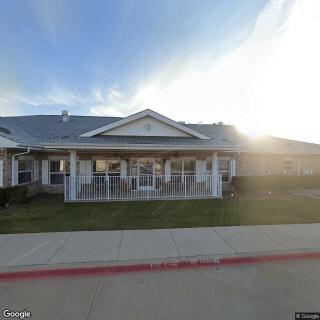
    Albright Foster Care is an assisted living community located in the bustling city of Fort Worth, TX. Our community is designed to provide a comfortable and nurturing environment for seniors in need of support with their daily activities.

    Within our community, residents will find an inviting dining room where nutritious meals are served. The entire facility is fully furnished, ensuring that residents feel at home from the moment they arrive. Our beautiful garden offers a peaceful outdoor space for relaxation and enjoyment.

    Residents can also take advantage of our housekeeping services, which help maintain a clean and tidy living environment. To assist with the transition to our community, we offer move-in coordination services to make the process as smooth as possible.

    For connectivity and communication needs, we provide telephone and Wi-Fi/high-speed internet access throughout the community.

    At Albright Foster Care, our dedicated staff members are trained to provide assistance with activities of daily living such as bathing, dressing, and transfers. We work closely with health care providers to ensure that each resident's unique needs are met. Special dietary requirements, including those related to diabetes, are accommodated in our meal preparation and service.

    Transportation arrangement for medical purposes is available for residents who require it. Additionally, we provide transportation to doctors' appointments to ensure that our residents have easy access to necessary healthcare services.

    Our community offers a range of scheduled daily activities to keep residents engaged and entertained. Whether it's exploring nearby cafes, parks, restaurants or theaters; or accessing pharmacies or physicians for healthcare needs – all are conveniently located within close proximity to Albright Foster Care. Furthermore, we have easy access to multiple hospitals nearby for any emergency medical situations that may arise.

    At Albright Foster Care in Fort Worth, TX, we strive to create a warm and supportive environment where seniors can thrive while receiving personalized care and attention.

    Nearby Places of Interest

    Pharmacies

    • CVS Pharmacy (1 miles)
    • Walgreens (1.1 miles)
    • Walmart Pharmacy (1.3 miles)
    • Walmart Fuel Station (1.3 miles)
    • CVS Pharmacy (1.7 miles)
    • Ridgmar Pharmacy (2 miles)
    • Walgreens (2.3 miles)

    Restaurants

    • Golden Chick (1.1 miles)
    • McDonald's (1.5 miles)
    • Whataburger (2.2 miles)
    • Taco Bell (2.4 miles)
    • Panda Express (2.5 miles)
    • Chili's Grill & Bar (2.9 miles)
    • Rosa's Café & Tortilla Factory (3.3 miles)

    Parks

    • Panther Stadium (1.8 miles)
    • Overton Park (4.8 miles)

    Physicians

    • Bowie Camp Clinic (2.2 miles)
    • Touchstone Imaging Southwest Fort Worth (2.4 miles)
    • My Hope TMS Center (2.5 miles)
    • Dfw Neurology (2.6 miles)
    • Texas Oncology Pa (2.6 miles)
    • Baylor Family Medical Center At Southwest Fort Worth (2.8 miles)
    • Psymed Solutions (3 miles)

    Hospitals

    • Regency Hospital of Fort Worth (2.7 miles)
    • Texas Health Harris Methodist Hospital Southwest Fort Worth (2.8 miles)
    • Tele 4 (2.8 miles)
    • Pcu 4 (2.8 miles)
    • Texas Health Huguley Hospital Fort Worth South (5 miles)
    • TotalCare Clinic (5.1 miles)
    • Texas Health Clearfork (5.3 miles)

    Cafes

    • Starbucks (2.8 miles)
    • Press Cafe (5.2 miles)
    • Starbucks (6.7 miles)

    Theaters

    • Movie Tavern Hulen (3.3 miles)
    • AMC Burleson 14 (5.2 miles)
    • AMC DINE-IN Clearfork 8 (5.4 miles)

    Places of Worship

    • St Stephen Presbyterian Church (5.8 miles)

    Frequently Asked Questions

    Where is Albright Foster Care?

    Nearby Communities

    Related Resources

    • how to pay for assisted livingFunding and Affording Assisted Living: A Thorough Overview

      Assisted living facilities provide support for older adults needing help with daily activities without extensive medical care, but their costs can be high and vary by location and services offered. Families often seek various funding options and financial strategies to manage these expenses effectively while considering future needs and potential price increases.

    • assisted living insuranceAssisted Living Expenses and Long-Term Care Insurance: A Comprehensive Exploration

      The article discusses assisted living expenses, the importance of long-term care insurance in covering these costs, and various financing options, highlighting the need for careful policy review and early planning to address potential needs. It also clarifies common misconceptions about Medicare and private health insurance limitations regarding long-term care coverage.

    • how to pay for assisted livingSecuring Financial Support for Assisted Living: A Comprehensive Overview

      Assisted living facilities offer crucial support for older adults needing help with daily activities but come with varying and significant costs, which can be financed through personal savings, government assistance programs, long-term care insurance, and home equity options. Professional guidance from experts can aid families in navigating these financial complexities to establish a sustainable budgeting approach for assisted living services.


    Get Pricing Ask A Question Schedule A Tour Contact Senior Advisor