For more information about senior living options: (866) 208-4318
3.9 from 68 reviews
5 stars
48
4 stars
2
3 stars
0
2 stars
1
1 stars
17
Overall Review of Estates Healthcare And Rehabilitation Center
differentiator5 reviews mention this
Renovations and new leadership
Recent renovations and new leadership show up clearly in resident and family feedback.
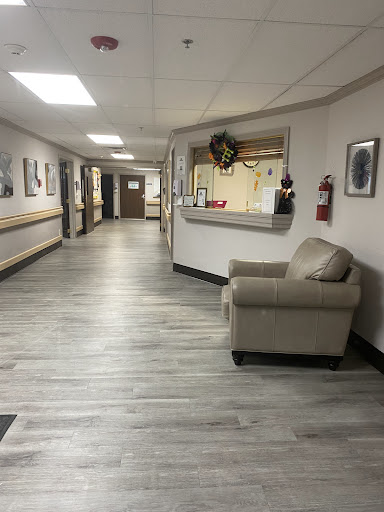
Several reviewers point to noticeable improvements after new management, including what the building looks like and how it feels when you walk in. One reviewer who toured earlier compared the facility after the change and said they had to double-check it was the same building. Multiple reviews also describe renovations and updates, with families highlighting an administrator who is visible and involved with residents and concerns.
common16 reviews mention this
Cleanliness and odors are mixed
Cleanliness is a recurring theme, with many reviewers praising it and a few criticizing odors or mess.
Many reviewers describe the facility as very clean, including comments about a fresh-smelling environment and housekeeping doing a good job. A few reviews take the opposite view, saying the building smells when they arrive or that it does not feel clean enough. One reviewer also pushed back on a complaint about smell by describing the reality of frequent changes for a large number of residents on a hallway.
caveat8 reviews mention this
Care response is a concern
Some reviewers report problems with timely help, medication, or follow-up during care.
A set of reviews raise serious concerns about responsiveness, including accounts of not getting timely help and issues with medication administration. Others mention follow-up gaps after a respite stay and problems that reviewers link to basic care needs not being met consistently. At the same time, other reviews in the set describe prompt communication when care needs changed, but those that were dissatisfied specifically mention missed or delayed support.
common5 reviews mention this
Activities, dining, and programs
Residents and families frequently mention activities and supportive dining choices.
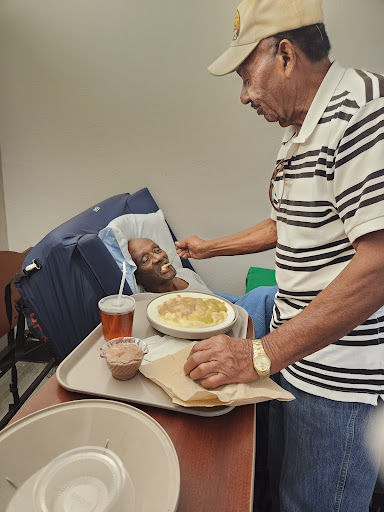
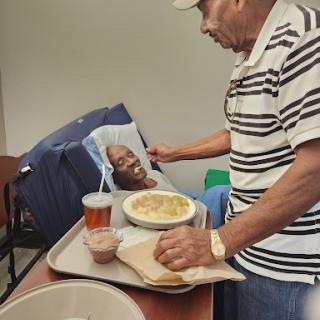
Reviews describe an activity department that keeps residents engaged, including mention of upbeat days and monthly family events. Dining also comes up, with reviewers saying dietary supports residents with likes and dislikes and that menus and appetizers look good. One respite reviewer also shared that their loved one enjoyed activities and food, alongside the overall care experience.
How we summarize
Counts show how many written reviews mention each theme; a review can touch several themes, and only frequently mentioned themes are displayed.
Features
Housing
97 resident community capacity
Types of Care
Assisted Living
Memory Care
Amenities
Air-conditioning
Beauty salon
Cable or satellite TV
Computer center
Dining room
Fitness room
Fully furnished
Gaming room
Garden
Housekeeping services
Kitchenette
Move-in coordination
Outdoor space
Private bathrooms
Restaurant-style dining
Small library
Telephone
Wellness center
Wi-Fi/high-speed internet available
Transportation
Dallas-Fort Worth International (25 miles away)
Community operated transportation
Transportation arrangement
Transportation arrangement (non-medical)
Transportation to doctors appointments
Care Services
12-16 hour nursing
24-hour call system
24-hour supervision
Activities of daily living assistance
Assistance with bathing
Assistance with dressing
Assistance with transfers
Diabetes diet
Meal preparation and service
Medication management
Mental wellness program
Mild cognitive impairment
Special dietary restrictions
Specialized memory care programming
Dining
Diabetes diet
Special dietary restrictions
Activities
Community-sponsored activities
Concierge services
Fitness programs
Planned day trips
Resident-run activities
Scheduled daily activities
Nearby Places of Interest
Pharmacies
CVS Pharmacy (2.6 miles)
CVS Pharmacy (3.5 miles)
CVS Pharmacy (3.9 miles)
CVS Pharmacy (3.9 miles)
Walgreens (3.9 miles)
Ridgmar Pharmacy (4.7 miles)
Walmart Pharmacy (4.7 miles)
Restaurants
McDonald's (2.9 miles)
Cesar's Tacos (2.9 miles)
Golden Chick (3.8 miles)
McDonald's (4.2 miles)
Olive Garden (4.5 miles)
Logan's Roadhouse (4.6 miles)
Chick-Fil-A (4.7 miles)
Physicians
Occupational Health Solutions (3 miles)
Lone Star Orthopedics (3.3 miles)
Fort Worth Heart (3.4 miles)
Bowie Camp Clinic (4.8 miles)
Touchstone Imaging Southwest Fort Worth (5.6 miles)
Dfw Neurology (5.6 miles)
My Hope TMS Center (5.6 miles)
Hospitals
Texas Health Huguley Hospital Fort Worth South (3.3 miles)
Baylor Emergency Department At Burleson (4.1 miles)
TotalCare Clinic (5.1 miles)
Regency Hospital of Fort Worth (5.5 miles)
Pcu 4 (5.8 miles)
Texas Health Harris Methodist Hospital Southwest Fort Worth (5.8 miles)
The variety of features at Estates Healthcare And Rehabilitation Center is specifically designed to enhance the quality of life for residents with dementia or Alzheimer's disease. Assistance with dressing and bathing not only ensures personal hygiene but also promotes dignity, while 24-hour supervision provides a safe environment that allows residents to explore their surroundings without fear of injury. Medication management is crucial for maintaining health, as it helps prevent confusion and missed doses, thus alleviating caregiver stress. Meal preparation and service cater to nutritional needs while considering individual dietary restrictions, promoting both physical health and social interaction during mealtimes. By providing assistance with transfers, staff minimizes the risk of falls, which is particularly important for those with mobility challenges. The activities of daily living assistance helps residents maintain independence in familiar routines. Additionally, specialized memory care programming and mental wellness programs are tailored to stimulate cognitive function and address emotional needs, ensuring a holistic approach that fosters engagement and improves overall well-being in individuals dealing with mild cognitive impairment or advanced dementia stages.
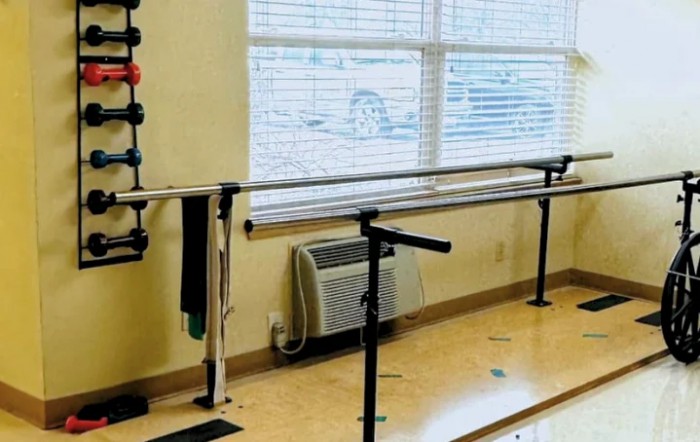
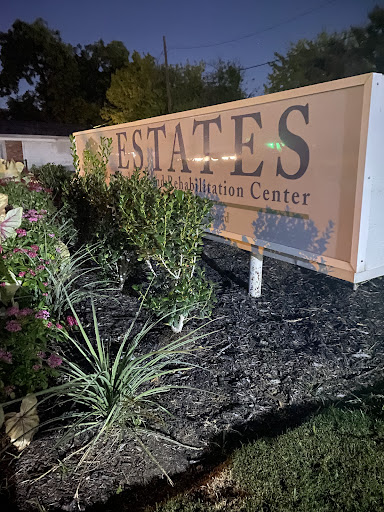
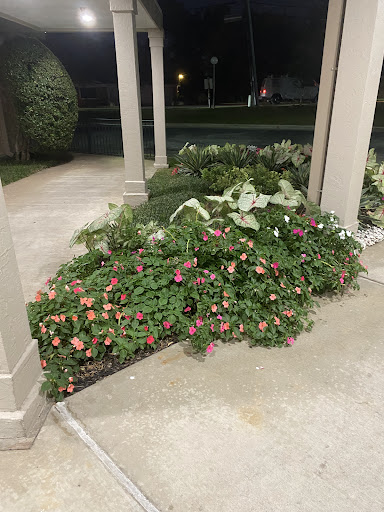
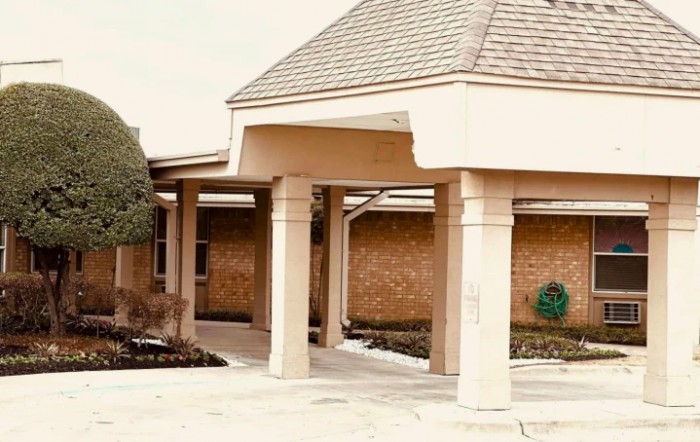
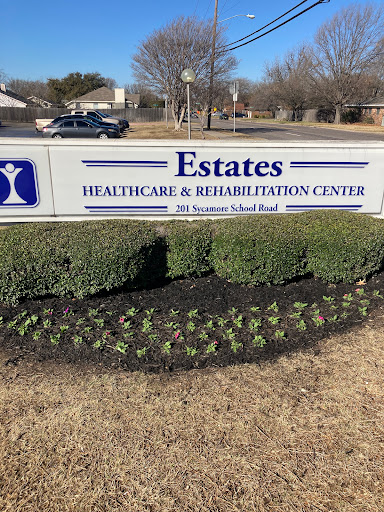
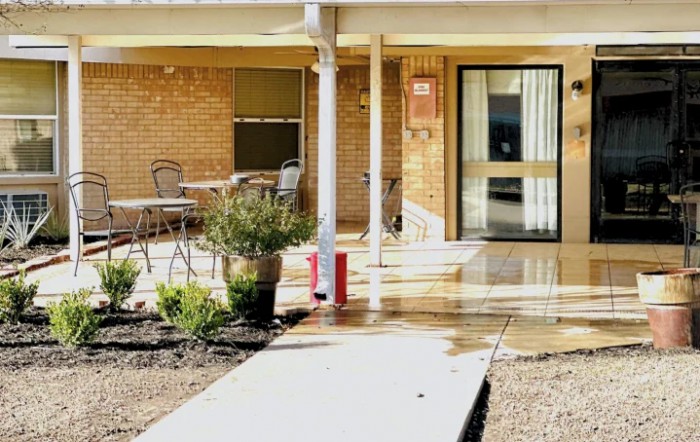
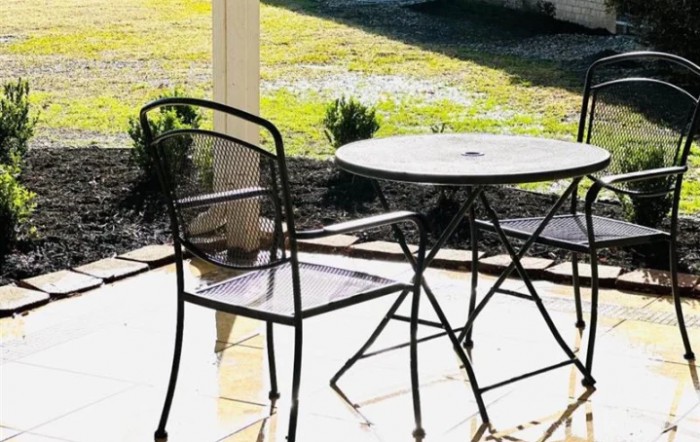
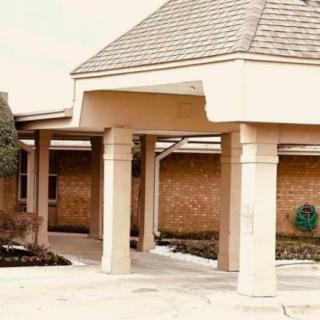
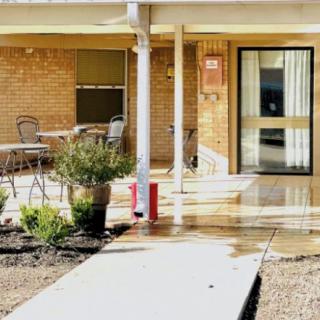
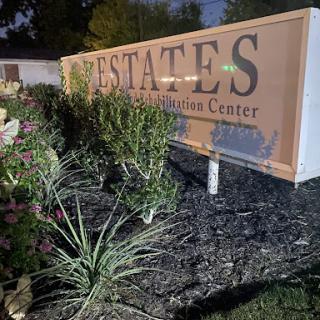
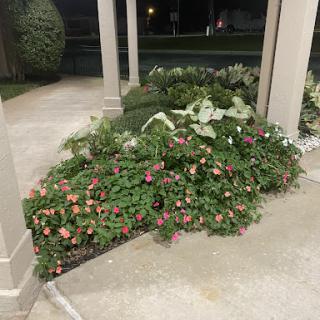
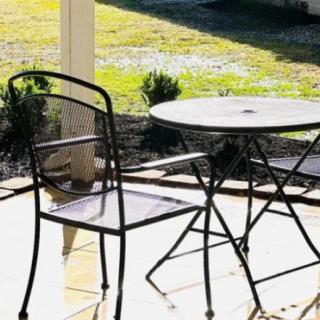
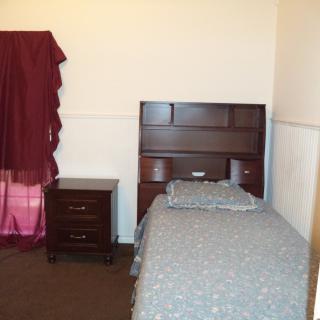
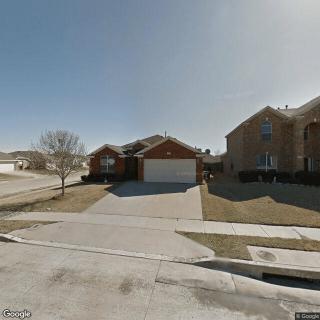
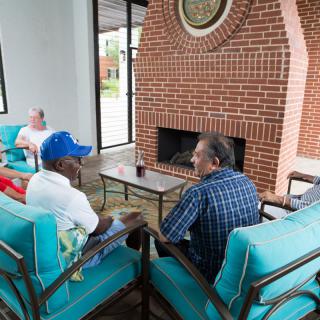
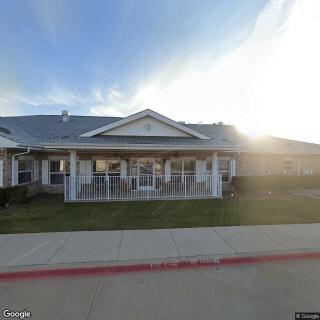
Estates Healthcare And Rehabilitation Center on seniors.fyi includes 10 photos including images showing outdoor, landscaping, building, entrance, patio, interior, seating, waiting area, and more.
Nearby Communities
Estates Healthcare Center
Fort Worth, TX
3.7 from 78 reviews
$3,999 / month
Some staff members are courteous and responsive.
Legacy Manor Assisted Living
Fort Worth, TX
4.6 from 116 reviews
Independence-focused care with on-site activities and diabetic support.
Gods Reachout Residential And Assisted Living
Fort Worth, TX
4.7 from 25 reviews
$2,800 to $3,500 / month
Small 8-bed community enabling personalized care with pricing below county/state averages.
Affordable Assisted Living & Services
Fort Worth, TX
5 from 8 reviews
$3,495 to $4,195 / month
Affordable pricing with diabetic care in a convenient Fort Worth location.
Solea Tavolo Park
Fort Worth, TX
4.6 from 86 reviews
$1,350 to $1,850 / month
Friendly staff, clean apartments, and a strong sense of community with engaging activities.
The Spring of Silverton Active Adult 55
Fort Worth, TX
4.4 from 97 reviews
$1,100 to $3,500 / month
Affordable 55+ independent living with active programs and well-kept grounds.
Huguley Nursing & Rehab Center
Burleson, TX
3.1 from 86 reviews
Compassionate staff with personalized care and engaging activities plus comprehensive amenities.
St John'S Residential Care Home
Fort Worth, TX
4.4 from 11 reviews
24/7 nurse coverage, attentive staff, and a clean, home-like environment with a safe courtyard.
VA nursing homes, or Community Living Centers (CLCs), offer tailored long-term care for veterans, featuring medical attention and rehabilitation in a supportive environment. The guide covers facility types, eligibility criteria, financial assistance options, quality of care standards, and alternatives to full-time nursing home placement.
At-home dementia care expenses vary widely based on care levels, location, and caregiver expertise, with monthly costs for home health aides exceeding $4,500 and specialized care potentially surpassing $100,000 annually. While families favor in-home care for its comfort and personalized attention, they must consider financial planning and the challenges of caregiver fatigue.
The article discusses the late stages of dementia, detailing the progression from mild to severe impairment and highlighting key characteristics such as profound cognitive decline and dependency in daily activities. It emphasizes care strategies focused on comfort and dignity, the importance of advance directives, and the emotional support needed for family caregivers facing this challenging journey.
Estates Healthcare And Rehabilitation Center photos
×
Interior
Outdoors
Building
Dining
Landscaping
Garden
Outdoor
Exercise Equipment
Interior
Decor, Seating, Hallway, and Waiting Area
Dining and Nursing Home
Landscaping
Building and Entrance
Architecture and Outdoors
Garden
Outdoor
Patio
Exercise Equipment, Rehabilitation, and Physical Therapy
Walkway
Additional Photos
Get PricingAsk A QuestionSchedule A TourContact Senior Advisor
By clicking submit, you agree to our Partner's Terms of Use. You
also consent to receive calls and texts, which may be autodialed, from our Partner. Your consent is not a condition to
using our Partner's service. Please visit our Partner's Privacy Policy for information about their privacy practices.


 97 resident community capacity
 Assisted Living
 Memory Care
 Air-conditioning
 Beauty salon
 Cable or satellite TV
 Computer center
 Dining room
 Fitness room
 Fully furnished
 Gaming room
 Garden
 Housekeeping services
 Kitchenette
 Move-in coordination
 Outdoor space
 Private bathrooms
 Restaurant-style dining
 Small library
 Telephone
 Wellness center
 Wi-Fi/high-speed internet available
 Dallas-Fort Worth International (25 miles away)
 Community operated transportation
 12-16 hour nursing
 24-hour call system
 Activities of daily living assistance
 Assistance with bathing
 Assistance with dressing
 Assistance with transfers
 Diabetes diet
 Medication management
 Mental wellness program
 Special dietary restrictions
 Concierge services
 Planned day trips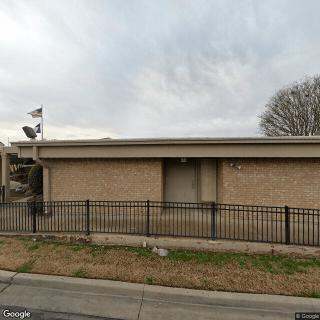
 Some staff members are courteous and responsive.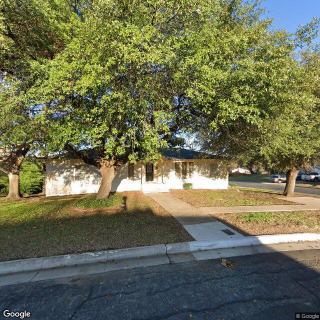



 Comprehensive Guide to VA Nursing Homes: A Crucial Long-Term Care Resource for Veterans
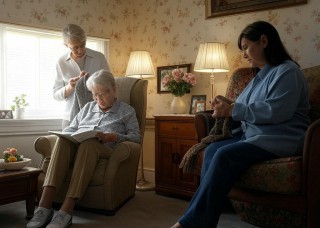 Estimating the Expenses of At-Home Dementia Care: A Detailed Exploration
 Comprehensive Insights on the Late Stages of Dementia: What to Expect and How to Provide Care