
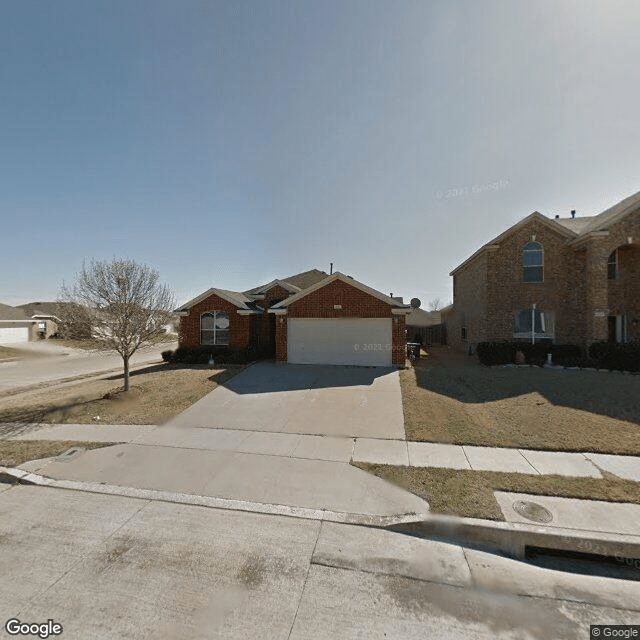
401 Fairbrook Ln, Fort Worth, TX 76140
For more information about senior living options: (866) 208-4318
Affordable Assisted Living & Services Costs & Pricing
When considering Affordable Assisted Living & Services in Tarrant County, the costs are competitively positioned compared to state averages. For a one-bedroom unit, residents can anticipate a monthly fee of $3,495, which is slightly more economical than both the county average of $3,741 and the state figure of $3,761. This trend continues with two-bedroom accommodations, priced at $4,195; this remains just above the Tarrant County average of $4,099 while being marginally lower than the overall Texas rate of $4,215. These figures highlight that Affordable Assisted Living & Services offers a valuable option for those seeking quality care within a budget-conscious framework in both local and statewide contexts.
| Floor plans | Affordable Assisted Living & Services | Tarrant County | Texas |
|---|---|---|---|
| 1 Bedroom | $3,495 | $3,741 | $3,761 |
| 2 Bedrooms | $4,195 | $4,099 | $4,215 |
Assisted Living communities with a similar price nearby
-
About the same

Highlands Village Senior Living of Mansfield
$3,400 to $4,695 / month12.9 miles away -
from -$145 / mo
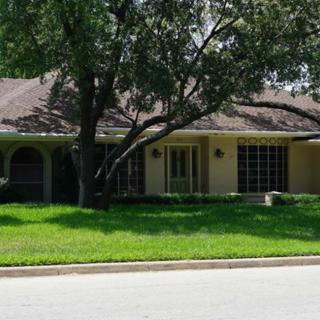
Sparks Assisted Living
$3,350 to $4,250 / month13.0 miles away -
About the same

Santa Fe Trails Assisted Living and Memory Care
$3,510 to $5,645 / month18.9 miles away -
About the same
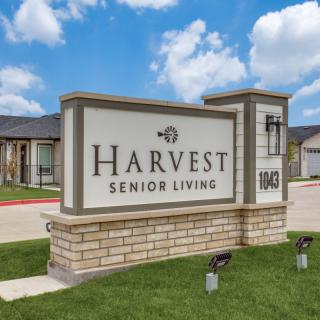
The Harvest of Aledo
$3,515 to $5,220 / month18.7 miles away -
from -$495 / mo
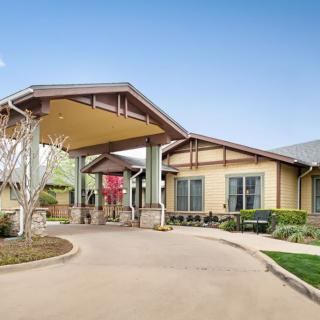
Sunrise of Fort Worth
$3,000 to $4,500 / month7.2 miles away
Overall Review of Affordable Assisted Living & Services
Pros
 The facility provides compassionate care for residents in their last weeks.
- The home is a place of peace and serenity, clean and well maintained.
- The staff are wonderful and the owner is caring and actively involved.
- Families are always welcome to visit and participate in holidays and meals.
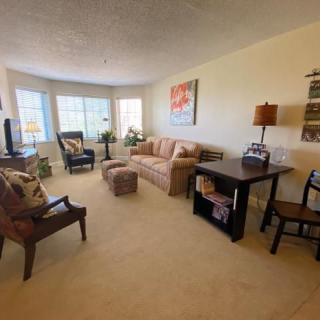
- The accommodations are spacious, with comfortable beds and clean linens.
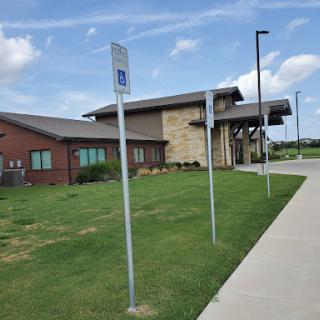
- The property is well kept, with reliable heating and air conditioning, and nicely decorated and furnished.
- The overall experience is warm and supportive, a true family environment.
Review
Affordable Assisted Living & Services in Fort Worth is best for families seeking a warm, homey senior living option where compassionate care and a strong sense of involvement trump a polished, institutional feel. This community excels for residents who need daily assistance but still want a peaceful, homelike atmosphere, clear emphasis on cleanliness and comfort, and frequent, accessible contact with the owner and caregiving staff. It stands out for end-of-life comfort and intimate, family-centered care, where visits and even extended stays by relatives are welcomed as part of the care plan. In short, it is a practical home choice for seniors who value dignity, a calm environment, and hands-on attention over a big-campus experience.
Those who may want to consider alternatives are clear: anyone whose priority is high-level medical oversight, robust on-site rehabilitation, or highly structured memory-care programming. The reviews portray a small, intimate operation rather than a full-service rehabilitation facility, so families needing constant skilled nursing, advanced wound care, complex medication management, or a formal memory-care wing should look toward larger communities with dedicated clinical staff and specialized programs. Also, families seeking extensive activities calendars, cutting-edge amenities, or highly specialized clinical support will likely find better alignment elsewhere. In essence, for residents with complex clinical needs or a desire for a hospital-like footprint, alternatives are prudent.
The strongest pros center on the human touch. The staff come across as devoted and capable, with caregivers described as wonderful and consistently attentive. The owner’s hands-on involvement is a recurring theme and a meaningful edge: accessibility, responsiveness, and a sense that the home is being steered with personal care rather than purely by policy. The environment itself reinforces these strengths: it is described as peaceful and serene, with a clean, well-kept property that feels cared for in every corner. Bedrooms are noted as spacious and comfortable, with clean linens and a sense of hominess that reduces the sting of leaving one’s own residence. The daily life is quiet and dignified, and meals are consistently highlighted as generous and thoughtfully provided, with ready access to water and other drinks. The combination of a tidy setting, respectful staffing, and a family-friendly visitation culture makes a significant difference in quality of life for residents who want to feel at home.
Yet meaningful cons are inherent in the model. The reviews do not showcase a broad slate of professional therapies, rehab services, or a large medical team on site. While care is strong, the small-scale nature of the operation suggests fewer on-site specialists and a heavier reliance on family or external providers for intense medical needs. For residents requiring dedicated memory-care programming, structured daily activities with specialized staff, or constant clinical oversight, this setting may feel undersized. The intimate atmosphere, while comforting, can translate into limited privacy options or fewer independent living features that larger facilities sometimes offer. And while the stories reveal a hospice-friendly environment, the lack of a formal surgical or rehab pathway means medical contingencies may require careful coordination outside the house.
These strengths and gaps, taken together, create a practical balance. The compassionate, involved ownership and a home-like ambiance offset the absence of a hospital-style clinical footprint by delivering consistent, respectful care and a stress-reducing environment for families and residents alike. The peace, cleanliness, and the ability to have family near, evidenced by stories of extended stays in the master suite for loved ones during end-of-life moments, provide emotional and practical reassurance that the care team can coordinate around. In situations where comfort, companionship, and a dignified daily rhythm matter most, these advantages carry real weight. The affordability angle reinforces this: a lower-cost model that still prioritizes humane, attentive care, while not replacing a full-service medical facility, often meets the needs of many seniors and families who want to avoid unnecessary institutional harshness without sacrificing basic standards.
For decision-making, this community is a strong match for families prioritizing warmth, continuity, and hands-on care over clinical sophistication. Prospective residents should prioritize a personal visit to observe interactions between staff and residents, and to gauge how the owner and caregivers respond to questions and concerns. Confirm the scope of care included in the fee and how that relates to potential future needs, particularly around medications, wound care, or brief rehab stays. Ask about visitation policies, space for family members, and how comfortable residents are when the family is present for meals or routines. If memory care or rehabilitative services will become essential, prepare to compare with alternatives offering dedicated programs. For families navigating end-of-life care, the setting described here can be a tremendous blessing, with a focus on peace, presence, and personalized attention that transforms the experience for both resident and family.
In the end, Affordable Assisted Living & Services presents a clear choice: a practical, compassionate home for seniors who thrive in a small, well-loved environment where the care team feels like an extended family and where visits are normalized as part of daily life. It may not be the fit for those needing round-the-clock skilled nursing, advanced rehabilitation, or specialized memory-care infrastructure, but for families valuing dignity, serenity, and personal connection at a reasonable price, this community delivers meaningful, tangible benefits that can outweigh its limits. A thoughtful, in-person evaluation will confirm whether the balance between warmth and clinical intensity aligns with the resident’s needs and family expectations.
 Assisted Living
 Activities on-site
 Devotional services off-site
 Indoor common areas
 Ambulatory care
 Diabetic care
 Meals provided





 Comprehensive Insights into Activities of Daily Living (ADLs) and Their Assessment
 Medicare Coverage for Assisted Living: An In-Depth Exploration
 Your Comprehensive Guide to Luxury Assisted Living: Elevated Facilities, Amenities, and Costs