
1327 River Oaks, Flower Mound, TX 75028
For more information about senior living options: (866) 208-4318
Overall Review of Compassionate Residential Living
Pros
 Dr. Davis’ communication makes transitions smoother than imagined.
- The home is clean, safe, and welcoming.
- The caregivers are attentive and respectful.
- Residents are consistently treated with respect and compassion.
- The staff provide top-notch individual attention to patients.
- The environment feels like a family home, with staff always nearby.
- Outside services are easily arranged and well-communicated.
Review
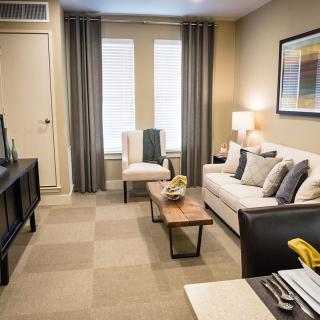
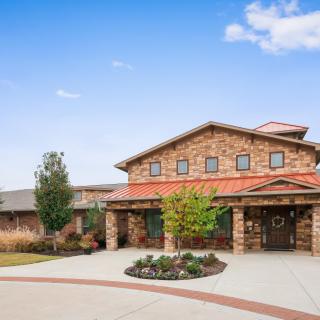
Compassionate Residential Living in Flower Mound, TX is best suited for families seeking a small, home-like assisted living where staff form real, ongoing relationships with residents. It serves seniors who value safety, cleanliness, and a warm domestic atmosphere over the bustle and formality of a larger campus. The environment feels more like a comfortable house than a facility, with private or semi-private living spaces, regular meals, and caregivers who are consistently present, attentive, and respectful. When a senior needs daily companionship and accessible, personal care without the rigidity of a hospital setting, this community delivers. Leadership under Dr. Davis reinforces a culture of compassion and steady communication, making the transition smoother for families and reducing the anxiety that often accompanies moving a loved one.
However, this is not the place for families chasing aggressive medical oversight or advanced rehabilitative programs. Those who require 24/7 on-site nursing with high-acuity medical management, specialized memory-care programming, or a wide array of on-campus therapies may want to consider larger facilities with more robust clinical teams. If independent-minded residents need frequent activities beyond a small, intimate schedule, or if mobility needs demand a highly staffed continuum of care, alternatives may be preferable. The setting prioritizes personal touch and home-like calm over the expansive clinical grid of bigger communities.
Reviewers consistently highlight the core strengths: attentive, knowledgeable, and kind caregivers; spotless, neat homes; and linked communication with families. Residents receive individualized attention; staff stay engaged; there is a palpable sense of being in a family home rather than a clinical setting, and transitions are eased by familiar faces and consistent routines. Outside services, haircuts, medication delivery, home health, are coordinated with ease, reducing friction for families and preserving continuity of care. The result is not merely comfort; it is security: staff know residents’ needs, anticipate requests, and respond quickly. In short, the high level of personal connection and transparent communication elevates the care experience beyond what many larger facilities can sustain.
The intimate scale is both a feature and a constraint. The strong relational care model, where there is almost always someone nearby, eliminates the loneliness and neglect that can arise in larger campuses and mitigates the risk of uneven care due to turnover. Cleanliness and home-like warmth contribute to comfort during difficult illnesses or end-of-life stages, as evidenced by families praising compassionate care in final months. Yet, the trade-off is that residents with complex medical needs or those seeking a hospital-like environment may feel underserved. The absence of on-site clinical corridors or rapid escalation protocols typical of bigger systems can limit what is available on a moment's notice. For families needing intensive therapy services, this setup may require more coordination with external providers, somewhat diminishing convenience.
Narratives repeatedly contrast this home with larger facilities that suffer from turnover and impersonal care. The sense of consistency, “always someone there” and daily interactions that build trust, addresses a common anxiety about elder care. For families who value clear, ongoing family-like communication and a place where a grandchild’s visit feels natural rather than clinical, this setting shines. If the elder’s needs evolve into higher acuity, or if dementia care requires defined, structured programming, it is prudent to explore other options with a broader medical team and dedicated memory-care pathways. Prospective residents should verify whether the facility can accommodate escalating needs through partnerships with home health or hospice that align with the small-house model.
Bottom line: Compassionate Residential Living is a strong choice for seniors who thrive in a warm, small-scale environment with devoted caregivers and straightforward family communication. It represents a compelling value for families seeking dignity, respect, and a home-like atmosphere with reliable staffing. To ensure alignment, ask about caregiver-to-resident ratios, the availability of private rooms, how emergencies are handled after hours, and how outside services are integrated into daily routines. Those who prioritize a hospital-free, intimate setting should move forward confidently, while families needing intensive medical oversight, broad rehab services, or specialized memory-care programming should consider alternatives and confirm access to the resources that match those needs.
 5 resident community capacity
 Assisted Living
 Cable or satellite TV
 Dining room
 Fully furnished
 Garden
 Housekeeping services
 Move-in coordination
 Outdoor space
 Telephone
 Wi-Fi/high-speed internet available
 Dallas-Fort Worth International (10 miles away)
 24-hour supervision
 Activities of daily living assistance
 Assistance with bathing
 Assistance with dressing
 Assistance with transfers
 Diabetes diet
 Meal preparation and service
 Medication management
 Special dietary restrictions
 Transportation arrangement (medical)
 Transportation to doctors appointments




 Comprehensive Supportive Living Arrangements for Adults with Disabilities
 Funding and Affording Assisted Living: A Thorough Overview
 Assisted Living Expenses and Long-Term Care Insurance: A Comprehensive Exploration