
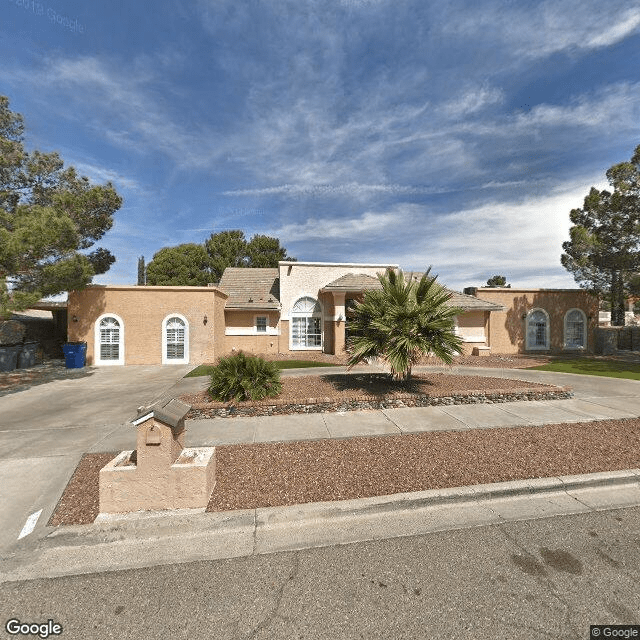
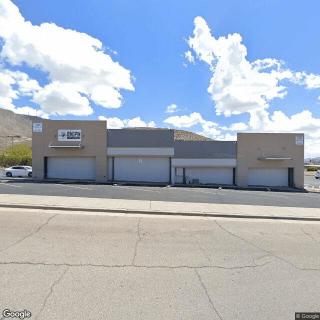
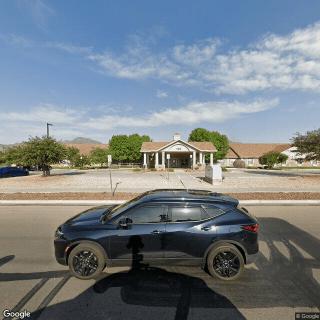
6601 El Parque Drive, El Paso, TX 79912
To contact a resident: (214) 435-8107
For more information about senior living options: (866) 208-4318
El Parque Assisted Living Facility Costs & Pricing
El Parque Assisted Living Facility offers competitive pricing for its residents compared to the broader market in El Paso County and the state of Texas. For a semi-private room, residents at El Parque pay $2,500 per month, which is significantly lower than the county average of $2,821 and the state average of $3,680. Likewise, the facility's private rooms are priced at $3,000 per month - again more affordable than both the county's average of $4,005 and Texas's average of $4,096. This positioning not only reflects El Parque's commitment to providing quality care but also ensures that residents benefit from cost-effective options in a supportive environment.
| Floor plans | El Parque Assisted Living Facility | El Paso County | Texas |
|---|---|---|---|
| Semi-Private | $2,500 | $2,821 | $3,680 |
| Private | $3,000 | $4,005 | $4,096 |
Senior living communities with a similar price nearby
-
from +$300 / mo
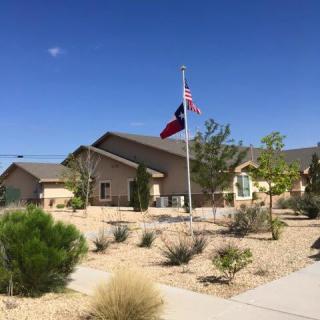
GoodLife Senior Living El Paso
$2,800 to $3,800 / month9.1 miles away -
from -$100 / mo
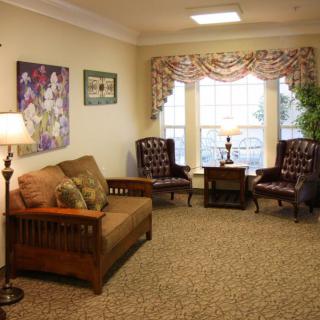
Sunridge At Cielo Vista
$2,400 to $5,450 / month10.7 miles away -
from +$99 / mo

Royal Estates of El Paso
$2,599 to $3,399 / month2.9 miles away -
from +$400 / mo
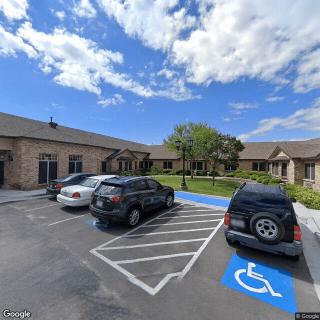
The Bartlett
$2,900 / month2.1 miles away -
from +$290 / mo
Vibralife El Paso Senior Living
$2,790 to $3,915 / month16.5 miles away
Overall Review of El Parque Assisted Living Facility
Pros
 They provide excellent care for her mom.
- She is treated like a favorite family member.
- Her mom's life is made happy by the care she receives.
Cons
 None detected in the provided review.
Review
El Parque Assisted Living Facility in El Paso, TX is best suited for families seeking a small-scale, home-like environment where a loved one receives exceptionally attentive, affectionate care. This community appeals to seniors who thrive on personal recognition, daily warmth, and staff who feel more like extended family than distant professionals. It is a practical fit for residents who want to minimize friction and maximize comfort through consistent, caring interactions rather than through a broad programmatic slate. Families should also acknowledge that this setting may be less ideal for those who require high-acuity medical oversight, advanced memory-care specialization, or a larger campus with a wide array of on-site services. If those needs describe the situation, exploring alternatives with stronger clinical infrastructure is wise.
The strongest takeaway from current observations is the remarkable level of individualized care. The accompanying testimony emphasizes that no one could do a better job taking care of a loved one, paired with a judgment that the resident is treated like a favorite family member and helped to experience a genuinely happy life. That combination signals a culture of deep emotional investment from staff and a daily environment tuned to comfort, dignity, and mood. For families facing the emotional burden of ongoing caregiving decisions, this kind of relational care can be decisive, translating into confidence that mom or dad will be greeted with kindness and a steady, reassuring presence every day.
In practical terms, that family-style care often translates into reliable continuity and peace of mind. When staff get to know preferences, routines, and dietary needs, the daily rhythm becomes predictable and supportive rather than transactional. Residents benefit from being addressed by name, having questions answered with patience, and receiving assistance without unnecessary friction. For decision-makers who value a serene, low-drama living arrangement where emotional well-being is integrated with daily care, El Parque delivers measurable value that can offset the absence of a sprawling activity calendar or a formal clinical sheen.
The obvious caveat with only a single positive review is the limited evidentiary depth. Prospective residents should approach with a plan to verify consistency through first-hand experiences: schedule visits, request to observe care routines during different shifts, and speak frankly with the care team about how higher-need days would be handled. It is also essential to confirm what levels of medical oversight and what specialized services are available on site, particularly if memory support, rehabilitation, or complex medication management could become relevant. Families should compare this setting with options that explicitly advertise memory-care programs, on-site nurses, or partnerships with affiliated medical providers if those features are important.
Despite the limited breadth of testimony, the offsetting strengths remain compelling for the right profile. The warmth, individualized attention, continuity of caregivers, and an environment engineered to treat residents like beloved family members can dramatically improve daily quality of life and reduce caregiver stress for relatives. When the objective is a comfortable, dignified day-to-day experience with a trusted circle of caregivers, the cons of smaller scale or fewer clinical amenities may be an acceptable trade-off. The decision hinges on whether emotional resonance and intimate care outrank access to specialized clinical resources in the resident’s long-term plan.
Bottom line: El Parque Assisted Living Facility is a strong choice for families prioritizing a loving, resident-centered atmosphere where staff demonstrate genuine commitment and familiarity with each resident. It is particularly well-suited for seniors who flourish in a nurturing, home-like setting and for families seeking reassurance that their loved one will be treated with ongoing warmth and personal attention. Those with significant needs for high-acuity medical care, specialized memory support, or expansive daily programming should consider alternatives that offer more robust clinical infrastructures. A visit, direct conversation with front-line caregivers, and a clear plan for potential escalation ensure an informed decision aligned with the resident’s needs and family objectives.
 Board and Care Home
 Activities off-site
 Bath tubs
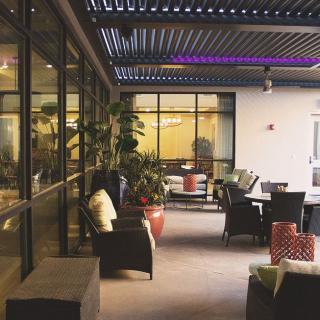
 Indoor common areas
 Outdoor common areas
 Private
 Respite or short term stays offered
 Wheelchair accessible showers
 El Paso International (10 miles away)
 Ambulatory care
 Diabetic care
 High acuity care
 Incontinence care
 Kosher

 Comprehensive Insights into Palliative Home Care: What It Is and What to Expect
 Skilled Nursing Facilities vs. Nursing Homes: Making Sense of the Differences
 A Detailed Examination of Nursing Home Costs Across the U.S.