
3035 Hwy 290 W, Dripping Springs, TX 78620
To contact a resident: (512) 894-0701
For more information about senior living options: (866) 208-4318
Overall Review of Core Health Care
Pros
 It is described as the best place with loving, caring people.
- The therapists, counselors, nurses, and care staff are great.
- Therapies are provided on site, including meal preparation therapy groups.
- Weekends offer personal time and occasional outings for fun.
- There is a swimming pool and water pool therapy is available.
- Residents can quickly achieve independent status and enjoy a private-feeling environment.
Cons
 They did not want to go there and wanted to go home.
- They were quickly transferred from a more dependent home to a higher level home, implying dissatisfaction with the placement.
Review
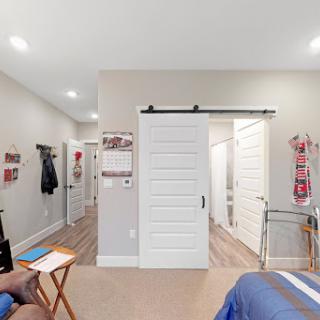
Core Health Care in Dripping Springs is best suited for families pursuing a post-acute, recovery-focused setting where a compassionate, hands-on staff helps residents move from rehab toward daily living. It suits individuals who want on-site therapies, practical daily activities, and a community that supports progress rather than mere custodial care. The care team, therapists, counselors, nurses, and aides, reads as genuinely engaged, delivering steady attention to recovery and well-being. A resident’s experience highlights a private-feeling bedroom with a nearby accessible bathroom, preserving dignity within a structured setting, while an on-site pool supports water therapy and accessible showers. Meals occur as a social routine, with therapy groups and even meal-prep activities that translate into real-world skills.
However, some should consider alternatives. The facility appears to move residents between care levels, including transitions from more dependent units to higher levels of care, which can be unsettling for those hoping to return home quickly. For families seeking a quieter, more private pace or a home-like vibe outside a care community, the strong social calendar and group routines may feel overpowering. In short, those who prize minimal transitions or a lower-stimulation environment may find other options align better with their preferences and goals.
The core advantages, accessible therapies, a devoted staff, and opportunities to engage in daily activities, largely offset these concerns. On-site therapy suites ensure continuity of care without repeated transfers, while pool and water therapy offer tangible mobility benefits. The ability to participate in meal-prep groups and to join weekend outings keeps residents connected to life beyond the facility, supporting independence while providing needed support. The sense of shared purpose, communal meals, purposeful activities, helps residents feel they belong to something constructive rather than a sterile routine.
Community culture matters here. The warm, family-like atmosphere, combined with a consistent caregiving team, creates motivation and accountability that can accelerate progress. The privacy features of a bedroom, accessible bathrooms, and well-designed common spaces balance autonomy with safety. For seniors emerging from rehabilitation, this blend of companionship and clinical attention often translates into real-world gains, reinforced mobility, confidence, and a smoother re-entry into daily routines. Yet the level of social programming may feel intense for those who prefer a calmer, less crowded day.
Families weighing the decision should assess whether post-acute goals align with this model. Proximity to Kerrville rehab services matters for ongoing therapy, and questions about movement between units should be clarified before choosing. Tours with therapists, conversations about expected milestones, and a clear plan for transitions help prevent surprises. Verify room configurations, privacy features, and how meals and activities are scheduled to ensure the environment matches the resident’s temperament and energy level. If independence within support is the aim, confirm the continuum of care and staffing expectations upfront.
Ultimately, Core Health Care offers a practical, capable option for families seeking a recovery-oriented community with a strong care team and on-site therapies. It excels for residents arriving from rehab who want a structured path back to daily life, supported by skilled clinicians and meaningful activities. Those who want minimal transitions or a more private, home-like setting may wish to explore alternatives. A thoughtful visit, frank conversations with current residents and staff, and a clear transition plan will reveal whether Core Health Care aligns with the senior’s goals and the family’s expectations.
 Board and Care Home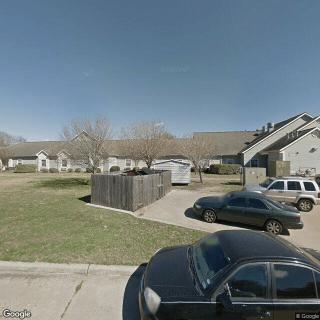






 Senior Move Management: Understanding the Role, Value, and Associated Costs
 Weight Training for Seniors: Building Strength and Vitality
 Understanding the Sandwich Generation: Stress and Responsibilities for Multigenerational Caregivers