Accel At College Station is a nursing home community in College Station, TX.
Information last verified:
1500 Medical Avenue, College Station, TX 77845
For more information about senior living options: (866) 208-4318
3.2 from 116 reviews
5 stars
57
4 stars
5
3 stars
1
2 stars
7
1 stars
46
Overall Review of Accel At College Station
caveat11 reviews mention this
Call access and responsiveness concerns
Multiple residents and family members report delays or difficulty reaching staff when help is needed.
Several reviewers say it was hard to get in touch with the facility by phone or in person, and that call responses were slow. Others describe waiting long periods after pressing call lights, including cases where staff did not arrive quickly enough for bathroom or basic assistance. A few reviewers also mention missed updates or lack of timely communication after emergencies or discharge-related coordination. While some families describe good day-to-day care, the pattern of phone and call accessibility issues comes up often in the reviews.
differentiator12 reviews mention this
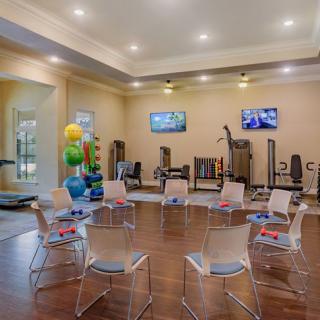
Rehabilitation and therapy praised
Therapy teams receive frequent praise for helping residents work toward goals.
Reviewers repeatedly highlight physical therapy and occupational therapy as areas that went well during rehab stays. Some families describe motivated therapy staff, good follow-through, and clear goal communication, and they credit therapy with helping residents make progress. A few negative reviews also acknowledge that the therapy department performed better than other parts of care. This split emphasis suggests rehab services are a consistent strength, even when other operational issues show up.
caveat4 reviews mention this
Food quality is mixed
Dining gets mixed feedback, with some residents saying meals were not served as expected.
Some reviewers describe the food positively, including comments comparing it to more appetizing meals and noting it arrived hot. Other reviewers report meals being cold or generally not good, and some describe needing to bring food from outside or searching for trays. The community does list specialized diet support options like diabetes diets and special dietary restrictions, but reviews still disagree on day-to-day meal quality and delivery.
common13 reviews mention this
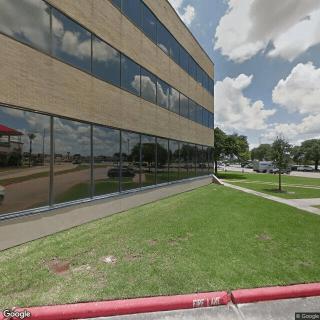
Facility cleanliness and appearance stand out
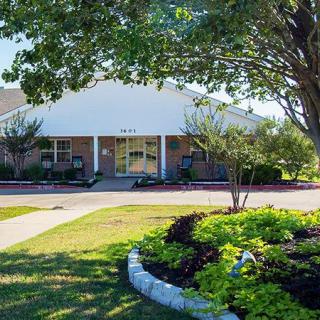
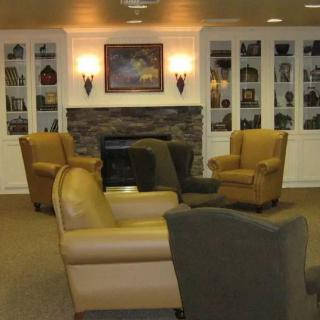
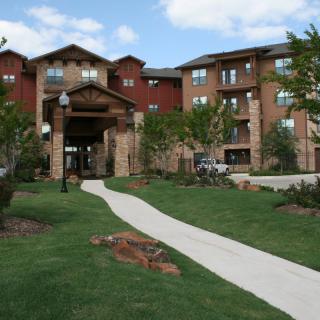
Many reviews point to a clean, well-kept facility and an attractive physical setting.
A large share of reviewers describe the building as beautiful, clean, and well maintained, with common spaces and rooms that feel comfortable. A few mention specific upkeep details like cleanliness and an overall pleasant environment. Even among critical reviews, there are some comments that the physical facility looks nice, while concerns focus on care processes rather than appearance.
How we summarize
Counts show how many written reviews mention each theme; a review can touch several themes, and only frequently mentioned themes are displayed.
Features
Housing
142 resident community capacity
Types of Care
Skilled Nursing Facility
Amenities
Air-conditioning
Beauty salon
Cable or satellite TV
Computer center
Dining room
Fitness room
Fully furnished
Gaming room
Garden
Housekeeping services
Kitchenette
Move-in coordination
Outdoor space
Private bathrooms
Restaurant-style dining
Small library
Telephone
Wellness center
Wi-Fi/high-speed internet available
Transportation
Easterwood (5 miles away)
Community operated transportation
Transportation arrangement
Transportation arrangement (non-medical)
Transportation to doctors appointments
Care Services
12-16 hour nursing
24-hour call system
24-hour supervision
Activities of daily living assistance
Assistance with bathing
Assistance with dressing
Assistance with transfers
Diabetes diet
Meal preparation and service
Medication management
Mental wellness program
Special dietary restrictions
Dining
Diabetes diet
Special dietary restrictions
Activities
Community-sponsored activities
Concierge services
Fitness programs
Planned day trips
Resident-run activities
Scheduled daily activities
Nearby Places of Interest
Restaurants
Jersey Mike's (0.5 miles)
Luigi's Patio Ristorante (0.6 miles)
McDonald's (0.8 miles)
Pizza Hut (0.8 miles)
Whataburger (0.8 miles)
La Familia Taqueria (0.9 miles)
Burger King (1.3 miles)
Cafes
Starbucks (0.6 miles)
1541 Pastries and Coffee (1.7 miles)
Starbucks (2.1 miles)
Dunkin Doughnuts (2.6 miles)
Dutch Bros Coffee (2.6 miles)
Dutch Bros Coffee (2.7 miles)
Starbucks (3.2 miles)
Places of Worship
Our Saviour's Lutheran Church (0.7 miles)
Christ United Methodist Church (1.1 miles)
Holy Cross Lutheran Church (1.1 miles)
Southwest church of Christ (3.6 miles)
Hospitals
Hospital Lab - CHI St Joseph Health College Station Hospital - College Station (1 miles)
College Station Medical Center (1 miles)
Walk-in Lab - CHI St Joseph Health Express Care - College Station (1.7 miles)
The article examines living wills and advance directives, highlighting their significance in expressing healthcare preferences for those unable to communicate due to illness or incapacity. It discusses their historical development, legal components, limitations, practical drafting advice, and the importance of clear communication among families and healthcare professionals regarding end-of-life decisions.
Hospice care focuses on providing comfort and support for individuals nearing the end of life, with Medicare Part A covering services like nursing care and counseling for patients with a terminal illness and a life expectancy of six months or less. While most hospice services are low-cost for eligible patients, families should be aware that certain expenses, such as room and board, may not be covered.
Caregiver burnout is a common issue resulting from the intense physical, emotional, and mental demands of caregiving, leading to symptoms like fatigue and social withdrawal. To prevent burnout, caregivers should recognize early warning signs and implement self-care strategies, seek support, and prioritize their own well-being alongside that of those they care for.
Get PricingAsk A QuestionSchedule A TourContact Senior Advisor
By clicking submit, you agree to our Partner's Terms of Use. You
also consent to receive calls and texts, which may be autodialed, from our Partner. Your consent is not a condition to
using our Partner's service. Please visit our Partner's Privacy Policy for information about their privacy practices.

 142 resident community capacity
 Skilled Nursing Facility
 Air-conditioning
 Beauty salon
 Cable or satellite TV
 Computer center
 Dining room
 Fitness room
 Fully furnished
 Gaming room
 Garden
 Housekeeping services
 Kitchenette
 Move-in coordination
 Outdoor space
 Private bathrooms
 Restaurant-style dining
 Small library
 Telephone
 Wellness center
 Wi-Fi/high-speed internet available
 Easterwood (5 miles away)
 Community operated transportation
 12-16 hour nursing
 24-hour call system
 Activities of daily living assistance
 Assistance with bathing
 Assistance with dressing
 Assistance with transfers
 Diabetes diet
 Medication management
 Mental wellness program
 Special dietary restrictions
 Concierge services
 Planned day trips
 Friendly staff, luxurious living spaces, and a robust activities calendar.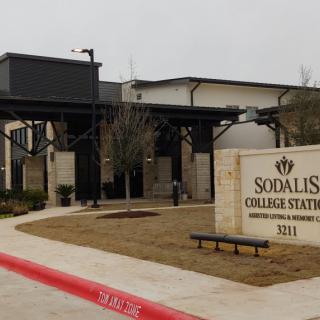
 A Detailed Exploration of Living Wills and Advance Directives
 Comprehensive Guide to Medicare Coverage for Hospice Care
 Caring for Those Who Care: Recognizing, Understanding, and Overcoming Caregiver Burnout