Silversage Assisted Living and Memory Care

Save
Silversage Assisted Living and Memory Care Silversage Assisted Living and Memory Care Silversage Assisted Living and Memory Care Silversage Assisted Living and Memory Care

Silversage Assisted Living and Memory Care

1121 Prairie Lea St, Brenham, TX 77833

For more information about senior living options: (844) 490-3973

3.7 from 7 reviews
5 stars
4
4 stars
1
3 stars
0
2 stars
0
1 stars
2

Assisted Living Memory Care

Silversage Assisted Living and Memory Care Costs & Pricing

Silversage Assisted Living and Memory Care offers a studio room at a monthly cost of $4,500. This rate is notably higher than the average costs in Washington County, which stands at $3,477, and the broader state average for Texas at approximately $3,758. While the investment in Silversage may be above local averages, it is essential to consider the unique offerings and quality of care that come with this facility. Residents may benefit from enhanced amenities, specialized memory care services, and a supportive community environment that could justify the premium pricing compared to regional options.

Floor plansSilversage Assisted Living and Memory CareWashington CountyTexas
Studio$4,500$3,477$3,758

What level of care are you interested in?

Assisted Living

Memory Care

Independent Living

Skilled Nursing Facility

Continuing Care Retirement Community (CCRC)CCRC

Other


Request a tour at Silversage Assisted Living and Memory Care

    Overall Review of Silversage Assisted Living and Memory Care

    Pros

    • pro The caring staff at Silver Sage went above and beyond to care for the resident with Alzheimer's disease.
    • pro Their expertise and professionalism are evident across all shifts, day and night.
    • pro The genuine loving care shown to the resident was extended to the family as well.
    • pro Silver Sage became part of the family, consistently helping, assisting, and listening to clients and visitors.
    • pro The facility is described as a boutique care center for seniors.
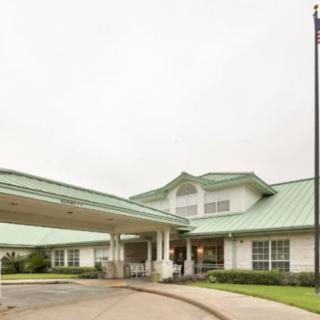
    • pro The facility is beautiful and the staff are wonderful.

    Cons

    • pro The director and nurse urged the family to use Premier Housecalls to push behavior medication for the loved one.
    • pro They were told that without medication the resident could not stay.
    • pro The medication was allegedly doubled without the family's knowledge or a doctor's order.
    • pro The director stayed shut in her office during the move and claimed she hadn't done anything to the loved one, while demanding another month's rent for not giving 30 days' notice.
    • pro The reviewer would not recommend placing a family member there who cannot tell what's going on.
    • pro The loved one lost muscle mass and weight and has not regained it since leaving.
    • pro The facility allegedly pushes psychotropic medications for dementia symptoms instead of employing non-pharmacological approaches, turning the resident into a lethargic sleeper.

    Review

    Families describe Silver Sage as a place that can feel like a sanctuary of care for some, while for others it has become a cautionary tale about oversight, medication practices, and communication. On one hand, there are accounts of compassionate, attentive staff who formed genuine connections with residents and their families, making the facility feel like it truly belonged to the patients and their kin. On the other hand, a stronger, more troubling narrative from at least one family centers on aggressive pressure to medicate a loved one and unsettling experiences around medication management and daily care. Taken together, these reviews paint a complex picture of a facility that evokes warmth for some and raises serious red flags for others.

    One family's account is stark and distressing. They describe a rapid escalation in concerns after Premier Housecalls was involved with their loved one at Silver Sage. The family alleges that the director and nurse pressured them to place their relative on behavior medication, suggesting that there would be a consequence to staying at the facility if they refused. The story continues for about a month, during which the loved one supposedly began sleeping all day, isolating in their room, missing meals, and neglecting personal hygiene. The reviewer quotes a concerning denial from staff, who allegedly claimed the changes were simply because the resident was "just old" and that "that's just what they do." The situation allegedly escalated when the family discovered that the medications had been doubled without the family's knowledge or a doctor's order. Feeling unsafe, they moved their relative out as quickly as possible. The director's response at the time - refusing to acknowledge any wrongdoing and insisting that the family owed another month's rent because they hadn't given 30 days' notice - left the reviewer with a strong sense of mistrust and concern for accountability. The overall implication of this narrative is that, without the family's involvement, the resident might have deteriorated further, and that independence and dignity could be compromised by aggressive medication strategies.

    The consequences of that experience extended beyond the immediate withdrawal from the facility. The reviewer notes that, since leaving Silver Sage, their family member is in another facility and is no longer on any psychiatric medication. They express a fear that, for dementia sufferers, there can be a tendency to push for psychotropic medications to "manage" behavior, rather than employ nonpharmacological approaches or person-centered redirection. The reviewer emphasizes that their loved one had normal needs associated with dementia - such as confusion, incontinence, and the need for redirection - and argues that those needs were not necessarily medicalized in a helpful way. The positive change after leaving is described in clear contrast: the family member is now active, engaged in conversation, and fully ambulatory, suggesting a markedly improved quality of life after the move. The takeaway the reviewer wants to impart is to exercise vigilance, ask questions about medication changes, and verify that any such changes have clear medical orders and patient consent.

    Interwoven with these cautions are voices expressing high praise for Silver Sage. Several reviewers speak warmly about the staff's dedication, noting that the caring team "went above and beyond" to support both the person with memory challenges and their family. They describe the staff as professional and knowledgeable, with care that spans all shifts, day and night. The phrase that repeatedly emerges is that caregiving at Silver Sage is not merely a job for the staff, but a genuine passion and vocation. Families report feeling supported and reassured, with caregivers who listened, offered guidance, and treated loved ones with respect and kindness. In these accounts, Silver Sage becomes more than a facility; it becomes a partner to families facing the long, often difficult journey of memory-related illness.

    Additional snippets from the reviews reinforce the overall impression of a well-regarded facility by some. One reviewer mentions stopping by to gather information and finding "nice people and very helpful" staff, framing Silver Sage as a boutique care center for seniors. Another succinct note - "Beautiful facility and wonderful staff!!" - echoes that sentiment of aesthetic appeal paired with personal warmth. A more expansive tribute describes the staff as not only competent but deeply committed: "The caring staff at Silver Sage went above and beyond to care for my husband with Alzheimer's disease. Their expertise and professionalism is exhibited by all shifts of staff members, day and night." The reviewer emphasizes that caregiving was a shared journey with the family, and that Silver Sage became an integral part of daily life, offering steady support and a listening ear as they navigated a challenging path together. Gratitude is palpable in these reflections, with declarations of thanks "from the bottom of my heart."

    Taken together, the mix of experiences signals that Silver Sage elicits strong emotions - both praise and concern. The positive testimonials highlight a culture of compassion, attentiveness, and reliable presence across multiple shifts, with families feeling supported and residents engaging more fully in daily life. The more troubling narrative centers on perceived coercion around medication, questions about consent and oversight, and an impression that some residents might be at risk of suboptimal care if not under close family supervision. For prospective families, these stories underscore the importance of due diligence: engaging directly with facility leadership, asking detailed questions about how care plans are developed, requesting to review any medication changes and orders, and verifying how behavior concerns are managed in nonpharmacological ways before making decisions.

    If you are considering Silver Sage for a loved one, it may be wise to consult state health resources and look at a broad range of reviews, including independent sources. Some reviewers reference official complaints and other third-party perspectives, which can offer a fuller picture of the facility's performance over time. Also, reading experiences shared by current and former staff, such as on job-review platforms, may help you understand the facility's culture, staffing levels, and communication practices. Above all, personal visits, direct conversations with the administrative team, and transparent discussions about care plans and medication policies can help families gauge whether Silver Sage aligns with their values and the specific needs of their loved ones.

    In the end, Silver Sage appears to be a place that can deliver deeply meaningful, compassionate care for some residents and their families, while also prompting serious questions for others about medication management, transparency, and advocacy. The most important takeaway is clear: families should stay actively involved, ask hard questions, and verify that care decisions are guided by the resident's well-being, with appropriate medical oversight and clear communication. Whether the experience is overwhelmingly positive or marked by significant concerns, these reviews collectively encourage careful evaluation, diligent oversight, and open dialogue as essential ingredients in choosing the right setting for a loved one with memory challenges.

    Features

    Housing

    • 16 resident community capacity 16 resident community capacity

    Types of Care

    • Assisted Living Assisted LivingAssisted living facilities provide crucial support and care for seniors who may need help with daily tasks such as medication management, bathing, and meal preparation. These communities offer a safe and comfortable environment where seniors can maintain their independence while receiving the assistance they need to thrive in their golden years.
    • Memory Care Memory CareMemory care is crucial for seniors as it provides specialized support and services for individuals with dementia or Alzheimer's disease. These programs offer a safe and secure environment where residents receive personalized care, cognitive stimulation, and help with daily activities. Memory care helps seniors maintain their independence, quality of life, and dignity while also providing peace of mind for their families.

    Amenities

    • Activities on-site Activities on-siteActivities on-site are important for seniors because they provide opportunities for socialization, mental stimulation, physical activity, and overall well-being. Engaging in activities can help seniors stay active, maintain their independence, and improve their quality of life.
    • Cable or satellite TV Cable or satellite TVCable or satellite TV is important for seniors because it provides entertainment, news, and companionship, helping to combat loneliness and boredom. It also offers a wide range of programming options tailored to different interests and preferences.
    • Devotional services off-site Devotional services off-siteDevotional services off-site are important for seniors as they provide spiritual nourishment, social engagement, and a sense of community outside of the senior living facility. This can enhance overall well-being and help combat feelings of isolation and loneliness often experienced by older adults.
    • Dining room Dining roomDining rooms are important for seniors as they provide a space for socialization, connection, and nutritious meals. They offer opportunities for residents to bond over shared meals, foster a sense of community, and promote healthy eating habits. Dining rooms also ensure that seniors have access to well-balanced meals tailored to their dietary needs and preferences.
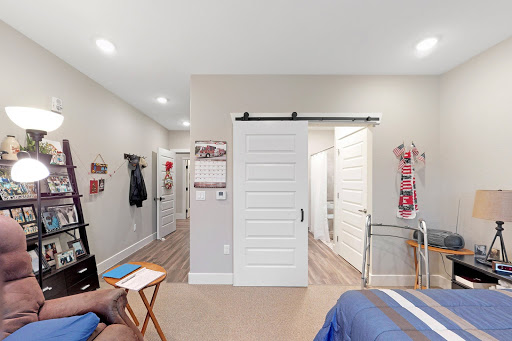
    • Fully furnished Fully furnishedFully furnished senior living communities are important for seniors because they provide convenience, comfort, and a hassle-free moving experience. Seniors can easily settle into their new living space without the stress of having to buy and move furniture. This allows them to focus on enjoying their new home and community.
    • Garden GardenGardens are important for seniors as they provide a peaceful and therapeutic environment for relaxation, physical activity, and socialization. Being in nature has been shown to reduce stress, improve mood, and promote overall well-being. Gardens also offer opportunities for seniors to engage in gardening activities, which can improve mobility, flexibility, and cognitive function. Additionally, gardens create a sense of community and connection with others who share a passion for plants and outdoor spaces.
    • Housekeeping services Housekeeping servicesHousekeeping services are important for seniors because they help maintain a clean and safe living environment, promote independence, and reduce the risk of accidents or illnesses. Additionally, having assistance with household chores can alleviate physical strain and allow seniors to focus on other aspects of their well-being.
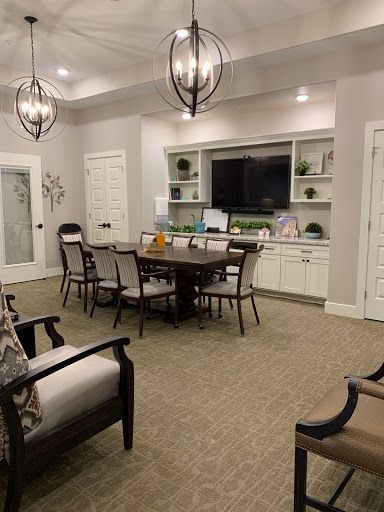
    • Indoor common areas Indoor common areasIndoor common areas are crucial for seniors as they provide a space for socialization, recreation, and community engagement, promoting overall well-being and reducing feelings of isolation and loneliness.
    • Move-in coordination Move-in coordinationMove-in coordination is important for seniors because it helps ease the transition into their new living environment. It ensures that all logistics, such as packing, organizing movers, and setting up utilities are taken care of, allowing seniors to focus on settling in and adjusting to their new home. Having a smooth move-in process can alleviate stress and anxiety, making the transition smoother and more enjoyable for seniors.
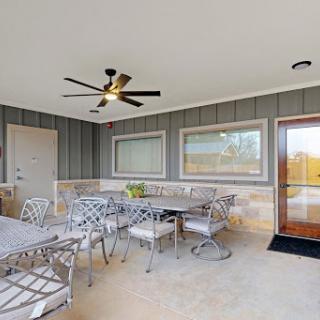
    • Outdoor space Outdoor spaceOutdoor spaces are important for seniors as they provide opportunities for physical activity, social interaction, exposure to natural light and fresh air, and a sense of connection to nature. Having access to outdoor spaces can improve overall well-being and quality of life for older adults living in senior communities.
    • Telephone TelephoneTelephones are important for seniors as they provide a lifeline for communication with loved ones, emergency services, and healthcare providers. They offer a sense of security and independence, enabling seniors to stay connected and access assistance when needed.
    • Wi-Fi/high-speed internet available Wi-Fi/high-speed internet availableWi-Fi/high-speed internet is important for seniors to stay connected with loved ones, access online resources, and participate in virtual activities to combat feelings of loneliness and isolation. It also allows them to easily manage healthcare needs, access entertainment, and engage in lifelong learning opportunities.

    Care Services

    • 24-hour supervision 24-hour supervision24-hour supervision is important for seniors to ensure their safety, well-being, and access to immediate assistance in case of emergencies or health issues. This constant support provides peace of mind for both seniors and their loved ones, allowing them to age in place with dignity and security.
    • Activities of daily living assistance Activities of daily living assistanceActivities of daily living assistance are important for seniors because they provide essential support with tasks such as eating, bathing, dressing, and mobility. This assistance helps seniors maintain their independence, dignity, and overall quality of life as they age.
    • Ambulatory care Ambulatory care"Ambulatory care services provide essential medical support and treatment to seniors without requiring hospitalization, allowing them to maintain their independence and quality of life while managing chronic conditions or receiving routine medical care."
    • Assistance with bathing Assistance with bathingAssistance with bathing is crucial for seniors as it helps maintain personal hygiene, prevents infections, and ensures their overall well-being and comfort. It also provides a sense of dignity and independence for seniors who may struggle with this task on their own.
    • Assistance with dressing Assistance with dressingAssistance with dressing is important for seniors because it helps maintain their independence, promotes personal hygiene, prevents accidents and injuries, and improves overall quality of life. This service ensures that seniors can continue to dress comfortably and confidently, despite any physical limitations they may have.
    • Assistance with transfers Assistance with transfersAssistance with transfers is crucial for seniors as it helps prevent falls and injuries, maintains their independence, and ensures they can safely navigate their living environment. It also provides peace of mind for both seniors and their loved ones.
    • Coordination with health care providers Coordination with health care providersCoordination with health care providers is crucial for seniors to ensure proper medical care, medication management, and overall well-being. This collaboration helps prevent overlapping treatments, track progress more effectively, and provide comprehensive support tailored to individual needs.
    • Diabetes diet Diabetes dietA diabetes diet is crucial for seniors as it helps manage blood sugar levels, reduce risks of complications, and improve overall health and well-being. By following a balanced and nutritious diet tailored to their specific needs, seniors can better control their diabetes and enhance their quality of life.
    • Diabetic care Diabetic careDiabetic care is crucial for seniors as they are more susceptible to developing diabetes due to aging and other health conditions. Proper management of diabetes can help prevent complications such as heart disease, vision loss, and nerve damage, improving the overall quality of life for seniors in senior living communities.
    • Meal preparation and service Meal preparation and serviceMeal preparation and service are crucial for seniors as they may have limited mobility or energy to cook nutritious meals. Having access to healthy and convenient food options can ensure they are getting the proper nutrition needed to maintain their overall health and well-being.
    • Medication management Medication managementMedication management is crucial for seniors to ensure they are taking the right medications at the correct dosages and times. This helps prevent adverse drug interactions, reduces the risk of medication errors, and promotes overall health and well-being. Proactive management also allows for adjustments as needed based on changing health conditions or new prescriptions.
    • Special dietary restrictions Special dietary restrictionsSpecial dietary restrictions are important for seniors because age-related changes in metabolism and health conditions can make it difficult for their bodies to process certain foods. By following a diet tailored to their specific needs, seniors can maintain their overall health and well-being, manage chronic conditions, and reduce the risk of complications such as malnutrition or food interactions with medications.
    • Transportation arrangement (medical) Transportation arrangement (medical)Transportation arrangements for medical purposes are essential for seniors as they may have difficulty driving themselves to appointments or accessing public transportation. Having reliable and safe transportation options ensures that seniors can receive timely medical care and maintain their health and well-being.
    • Transportation to doctors appointments Transportation to doctors appointmentsTransportation to doctors' appointments is crucial for seniors as it ensures they have access to necessary medical care and support for their health needs. Without reliable transportation, seniors may struggle to attend important appointments, leading to potential delays in treatment and health complications. Providing transportation services helps seniors maintain their overall well-being and quality of life.

    Dining

    • Diabetes diet Diabetes dietA diabetes diet is crucial for seniors as it helps manage blood sugar levels, reduce risks of complications, and improve overall health and well-being. By following a balanced and nutritious diet tailored to their specific needs, seniors can better control their diabetes and enhance their quality of life.
    • Meals provided Meals provided"Meals provided" are crucial for seniors in assisted living communities as it ensures they have access to nutritious, balanced meals without the stress of meal planning and preparation. This can help promote overall health and well-being for seniors who may have limited mobility or cognitive abilities.
    • Special dietary restrictions Special dietary restrictionsSpecial dietary restrictions are important for seniors because age-related changes in metabolism and health conditions can make it difficult for their bodies to process certain foods. By following a diet tailored to their specific needs, seniors can maintain their overall health and well-being, manage chronic conditions, and reduce the risk of complications such as malnutrition or food interactions with medications.

    Activities

    • Activities on-site Activities on-siteActivities on-site are important for seniors because they provide opportunities for socialization, mental stimulation, physical activity, and overall well-being. Engaging in activities can help seniors stay active, maintain their independence, and improve their quality of life.
    • Community-sponsored activities Community-sponsored activitiesCommunity-sponsored activities are important for seniors as they provide opportunities for social interaction, mental stimulation, and physical activity. These activities can help improve overall well-being, combat loneliness and isolation, and promote a sense of belonging and purpose among older adults.
    • Devotional activities offsite Devotional activities offsiteDevotional activities offsite are important for seniors because they provide social engagement, spiritual growth, and a sense of community outside of their living environment. This can improve overall well-being, mental health, and combat feelings of isolation or loneliness.
    • Scheduled daily activities Scheduled daily activitiesScheduled daily activities are important for seniors because they provide structure, socialization, mental stimulation, and physical activity. Engaging in regular activities can improve overall well-being and quality of life for seniors living in a community setting.

    Description

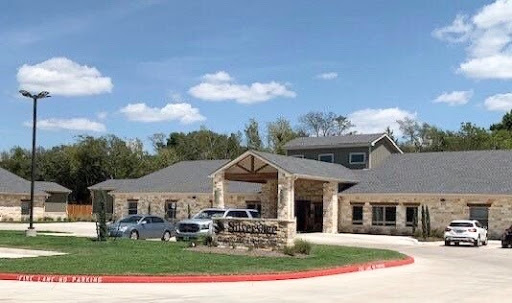
    Silversage Assisted Living and Memory Care in Brenham, TX is a premier senior living community specializing in memory care services. Our dedicated staff is committed to providing compassionate care and support to individuals with Alzheimer's disease or other forms of dementia.

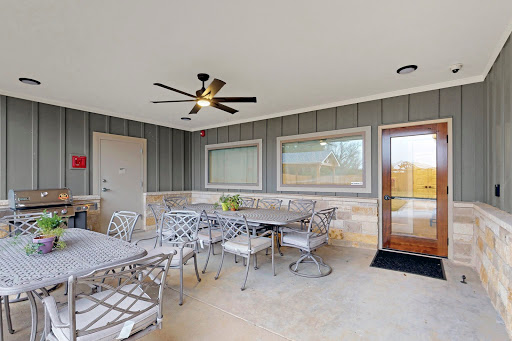
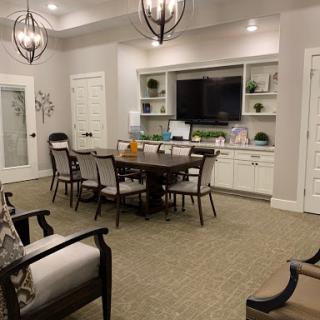
    Our community offers a range of amenities designed to enhance the well-being and comfort of our residents. With devotional services available off-site, residents have the opportunity to nurture their spiritual needs. The indoor common areas provide a warm and inviting atmosphere for socialization and relaxation.

    At Silversage Assisted Living and Memory Care, we understand the unique needs of individuals with diabetes. Our experienced caregivers receive specialized training in diabetic care, ensuring that residents receive appropriate assistance with managing their condition.

    We believe in promoting an active lifestyle for our residents, which is why we offer various devotional activities offsite. Residents can engage in meaningful experiences that cater to their individual interests and preferences, fostering a sense of purpose and fulfillment.

    Conveniently located near 3 cafes, 1 park, 7 pharmacies, 18 physicians, 39 restaurants, transportation options, places of worship, theaters, and hospitals; Silversage Assisted Living and Memory Care ensures that residents have access to essential amenities and services within close proximity.

    Choosing Silversage Assisted Living and Memory Care means choosing a community that prioritizes resident well-being while providing the necessary support for those living with memory impairments. Experience peace of mind knowing your loved one is receiving exceptional care in a warm and nurturing environment.

    Nearby Places of Interest

    Places of Worship

    • Sandy Creek Baptist Church (0.1 miles)
    • First Assembly Of God (0.3 miles)
    • Cornerstone Christian Center (0.3 miles)
    • Aglow International of Brenham (0.7 miles)
    • Mount Seriah Baptist Church (0.7 miles)
    • Fellowship Baptist Church (0.7 miles)
    • Southern Baptist Convention (0.8 miles)

    Restaurants

    • Guadalajara Mexican Restaurant (0.2 miles)
    • On Deck Restaurant (0.4 miles)
    • Anis Taqueria (Gorditas)& tacos all pastor (0.6 miles)
    • Little Caesars Pizza (0.6 miles)
    • Sonic Drive-In (0.8 miles)
    • Taqueria Las Palmas (0.8 miles)
    • McDonald's (0.9 miles)

    Hospitals

    • Trinity Medical Center (0.7 miles)
    • Scott & White Hospital Brenham (0.7 miles)
    • Lifepoint Hospitals (1.1 miles)
    • Walk-in Lab - CHI St Joseph Health Primary Care (1.2 miles)

    Pharmacies

    • Norman's Pharmacy (0.7 miles)
    • Walgreens (0.9 miles)
    • Brookshire Brothers Pharmacy (1.3 miles)
    • Brookshire Brothers Pharmacy (1.3 miles)
    • Waldie's Pharmacy (1.4 miles)
    • Medical Arts Drug Co. (1.4 miles)
    • Baylor Scott & White Pharmacy #279 (1.4 miles)

    Physicians

    • Jennifer Lynn Devoke, DO (0.7 miles)
    • Brenham Independence Allergy Clinic (0.8 miles)
    • Eye Associates of Brazos Valley (0.8 miles)
    • Brazos Valley Cancer Clinics (0.8 miles)
    • Raj Cheruku (0.8 miles)
    • University Cancer Center (0.8 miles)
    • Medical Skin Associates (0.8 miles)

    Cafes

    • Independence Coffee (0.8 miles)
    • Max Donuts (1 miles)
    • Starbucks (1.2 miles)

    Parks

    • Michael’s Playgrounds (1.4 miles)

    Theaters

    • Westwood Cinema 6 (1.6 miles)

    Transportation

    • Alamo (3.1 miles)
    • Fur & Feather Taxidermy (11.6 miles)

    Frequently Asked Questions

    How much does it cost to live at Silversage Assisted Living and Memory Care in Brenham, TX?
    Where is Silversage Assisted Living and Memory Care?
    Does Silversage Assisted Living and Memory Care provide care for residents with dementia or Alzheimer's disease?
    What photos are available for Silversage Assisted Living and Memory Care in Brenham, Texas?

    Nearby Communities

    Related Resources

    • assisted living vs memory careAssisted Living and Memory Care: Understanding Their Core Differences

      Assisted living provides moderate support for seniors seeking independence, while memory care offers specialized support for individuals with dementia or cognitive impairments through structured routines and trained staff. Key differences include care approaches, environment security measures, staff training levels, activity types, and cost considerations.

    • assisted living vs nursing homeChoosing the Right Senior Care: A Detailed Exploration of Assisted Living and Nursing Homes

      Choosing between assisted living and nursing homes involves evaluating emotional and financial factors, with assisted living offering independence and support for daily activities at a lower cost, while nursing homes provide intensive medical care for individuals with significant health needs. The decision is influenced by personal preferences, health status, cognitive function, and varying Medicaid coverage across states.

    • how to prevent memory loss in old ageSafeguarding Your Memory Through the Golden Years: Eight Ways to Preserve Cognitive Health
      The article presents eight strategies for preserving cognitive health and memory in older adults, emphasizing a nutrient-rich diet, regular exercise, intellectually stimulating activities, adequate sleep, social connections, stress management techniques, limiting harmful substances, and regular medical checkups to mitigate age-related memory decline.


    Get Pricing Ask A Question Schedule A Tour Contact Senior Advisor