At Anthology of Denton, the monthly costs for various room types reflect a competitive pricing structure when compared to both Denton County and the broader Texas market. For semi-private rooms, prices range from $3,400 to $4,480, which is notably lower than the county average of $3,871 and Texas's state average of $3,680. Studio apartments are priced at $3,860, slightly below the county's average of $3,974 but higher than the state average of $3,758. In terms of private rooms and one-bedroom units, Anthology offers a price point of $3,900 and $4,020 respectively - both figures sitting comfortably within local averages while remaining competitive with state benchmarks. The two-bedroom option stands out at $5,850; this is significantly above Denton County's average of $3,917 and Texas's average of $4,215. Overall, Anthology of Denton presents an appealing mix of affordability and quality across its living options.
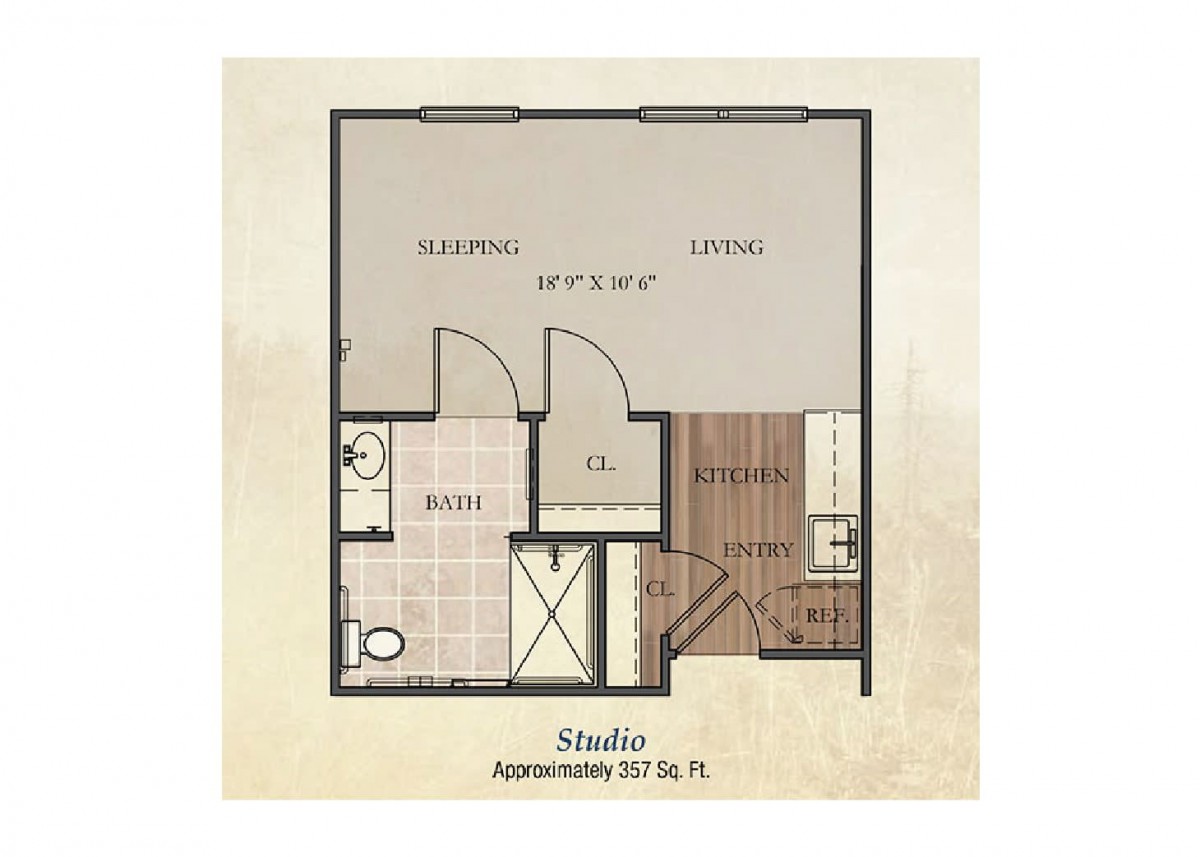
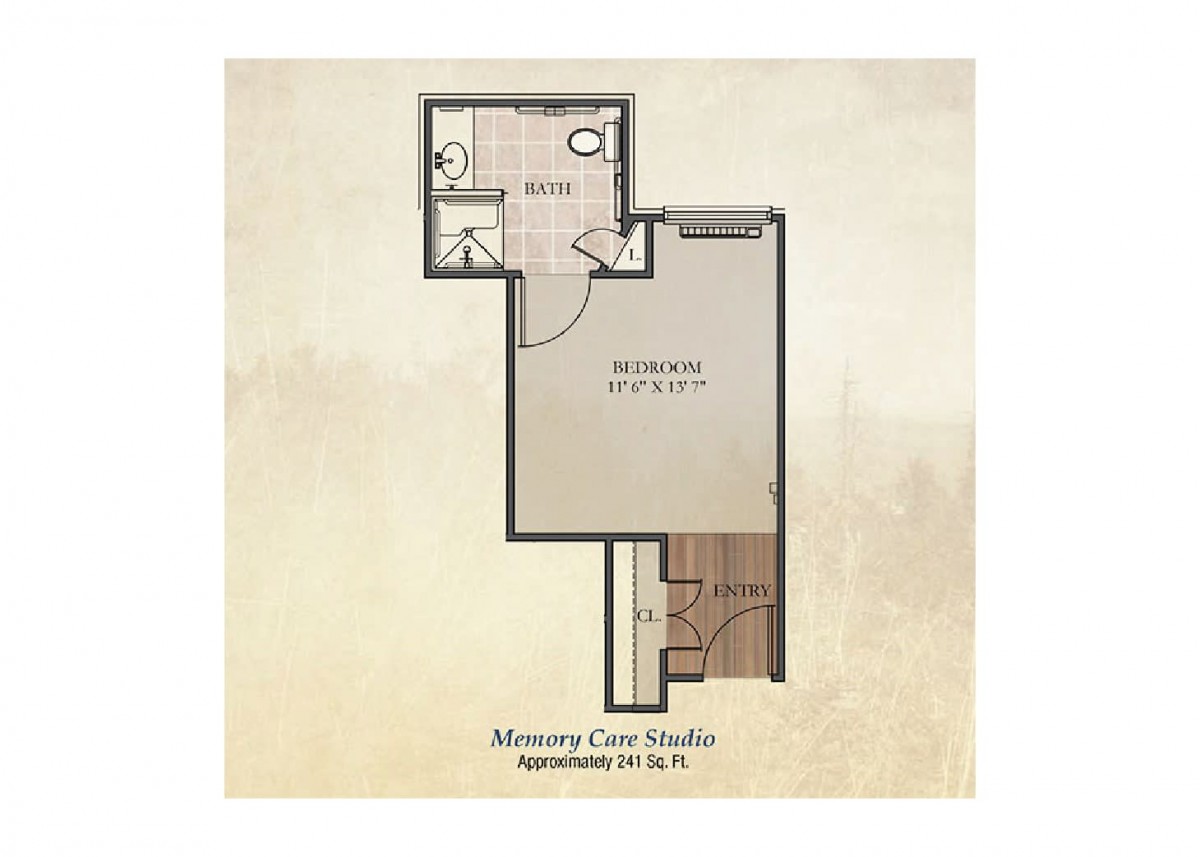
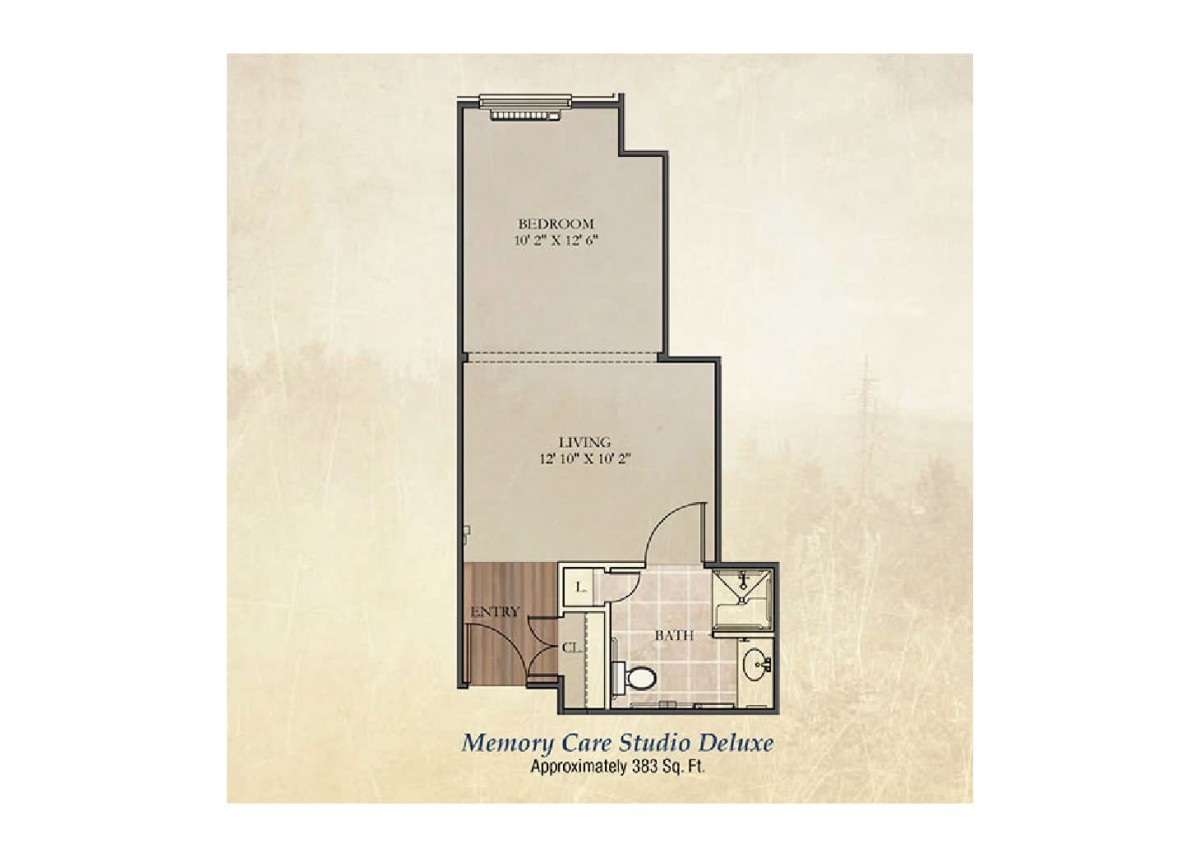
Floor plans
Anthology of Denton
Denton County
Texas
Semi-Private
$3,400 to $4,480
$3,871
$3,680
Studio
$3,860
$3,974
$3,758
Private
$3,900
$4,161
$4,096
1 Bedroom
$4,020
$3,749
$3,761
2 Bedrooms
$5,850
$3,917
$4,215
Memory care communities with a similar price nearby
Residents and families repeatedly describe staff who are attentive and caring.
Many reviews emphasize kind, compassionate caregivers and nurses, along with quick, clear communication when concerns come up. Visitors and family members also describe a welcoming, friendly atmosphere where staff take time with residents. Even some of the more critical reviews still distinguish parts of the experience, such as individual staff members, from broader issues.
common
Dining and chef focus
Meals and dining experience are a frequent point of praise.
Several reviews highlight delicious food, restaurant-style dining, and the way meals fit preferences. Others mention themed meals or holiday dining experiences and describe staff or servers as attentive during meals. A few reviews raise concerns about meal timing or changes to meal and medication processes, but dining quality remains a recurring strength in the positive feedback.
common
Activities keep residents engaged
Residents are described as staying involved through frequent activities.
Reviewers commonly mention scheduled activities, outings, and resident engagement, including group events and opportunities for family participation. Some reviews specifically call out fitness programs, happy hour, and arts or educational offerings. In the negative feedback, activity coordination and staffing are also mentioned as areas that can impact residents.
differentiator
Memory care and nursing support
Families describe steady support after moving into memory care.
Multiple reviews connect their experience to memory care, describing supportive nursing and care teams and a smoother transition as needs change. Some residents’ families also mention management leaders and specific roles tied to memory care support, including family support groups. A smaller set of reviews express concerns about care consistency in memory care, including requests not being followed as promised.
caveat
Cost and staffing concerns recur
Several reviews question value, especially when staffing feels thin.
A recurring criticism is that the community can feel understaffed at times, which some reviewers link to delayed assistance and concerns about resident safety. Others raise that costs are above what they expected, and at least one review ties part of the disappointment to communication or follow-through. Positive reviews still describe responsiveness, so the experience appears mixed depending on timing and leadership.
How we summarize
We summarize when many written reviews mention each theme; a review can touch several themes, and only frequently mentioned themes are displayed.
Features
Housing
114 resident community capacity
1-bedroom apartments
2-bedroom apartments
Studio apartments
Types of Care
Assisted Living
Memory Care
Amenities
Activities off-site
Activities on-site
Air-conditioning
Beautician on-site
Beauty salon
Cable or satellite TV
Computer center
Devotional services off-site
Devotional services on-site
Dining room
Fitness room
Fully furnished
Gaming room
Garden
Ground floor units
Handicap accessible
Housekeeping services
Indoor common areas
Kitchenette
Move-in coordination
Outdoor common areas
Outdoor space
Private bathrooms
Respite or short term stays offered
Restaurant-style dining
Small library
Telephone
Wellness center
Wheelchair accessible showers
Wi-Fi/high-speed internet available
Transportation
Dallas-Fort Worth International (20 miles away)
Community operated transportation
Transportation arrangement
Transportation arrangement (non-medical)
Transportation to doctors appointments
Care Services
12-16 hour nursing
24-hour call system
24-hour supervision
Activities of daily living assistance
Ambulatory care
Assistance with bathing
Assistance with dressing
Assistance with transfers
Coordination with health care providers
Dementia waiver
Diabetes diet
Diabetic care
High acuity care
Hospice waiver
Incontinence care
Meal preparation and service
Medication management
Mental wellness program
Mild cognitive impairment
Special dietary restrictions
Specialized memory care programming
Transportation arrangement (medical)
Transportation to doctors appointments
Dining
Anytime dining
Diabetes diet
Gluten-free
Guest meals
Kosher
Low / no sodium
Meals provided
No Sugar
Professional chef
Restaurant style dining
Room service
Special dietary restrictions
Vegetarian
Activities
Art classes
Community-sponsored activities
Concierge services
Cooking classes
Day trips and outings
Devotional activities offsite
Devotional activities on-site
Educational speakers / life long learning
Fitness programs
Happy hour
Karaoke
Live well programs
Other religious services
Planned day trips
Resident-run activities
Scheduled daily activities
Visiting chaplain or priest
Wine tasting
Nearby Places of Interest
This part of Denton, Texas offers a convenient and diverse range of services and amenities for individuals considering senior living. With several physicians' offices nearby, including family healthcare and specialized clinics like North Texas Kidney Disease, residents can access quality medical care easily. There are also various dining options such as Dillas Quesadillas and Chick-fil-A, as well as pharmacies like Walgreens and CVS within close proximity. For leisure activities, Cinemark 14 theater is a short distance away, providing entertainment options. Additionally, residents can enjoy the natural surroundings at Quakertown Park or relax at cafes such as Zera Coffee Company. Nearby hospitals like Baylor Surgicare and Texas Health Presbyterian Hospital Denton ensure quick access to healthcare services in case of emergencies. Overall, this area of Denton presents a well-rounded environment that caters to the needs and preferences of seniors looking for a comfortable living experience.
Physicians
Family Healthcare of Denton (0.3 miles)
Women's Centre (0.5 miles)
North Texas Kidney Disease (0.5 miles)
Switalski Eye Care/DENTON (0.5 miles)
Denton Alternative Medicine Center (2.9 miles)
Denton Bodysculpting (3.3 miles)
Family Health Solutions (3.4 miles)
Restaurants
Dillas Quesadillas (0.3 miles)
McAlister's Deli (0.3 miles)
Chick-Fil-A (0.3 miles)
Raising Cane's Chicken Fingers (0.4 miles)
Taco Bueno (0.4 miles)
Whataburger (0.4 miles)
McDonald's (0.5 miles)
Pharmacies
Walgreens (0.4 miles)
Southern Star Pharmacy (0.6 miles)
CVS Pharmacy (1.3 miles)
Walmart Pharmacy (2 miles)
Walgreens (2.9 miles)
CVS Pharmacy (3.6 miles)
Walgreens (3.7 miles)
Theaters
Cinemark 14 (0.8 miles)
Movie Tavern Denton (4.1 miles)
Places of Worship
Singing Oaks Church of Christ (1.8 miles)
Church of Jesus Christ of Latter Day Saints (3.8 miles)
First Cumberland Presbyterian Church (4.4 miles)
Towne North Baptist Church (4.9 miles)
Hospitals
Baylor Surgicare (2 miles)
Denton Rehab Hospital (4.2 miles)
Texas Health Presbyterian Hospital Denton (4.2 miles)
At Anthology of Denton, the monthly costs for various room types reflect a competitive pricing structure when compared to both Denton County and the broader Texas market. For semi-private rooms, prices range from $3,400 to $4,480, which is notably lower than the county average of $3,871 and Texas's state average of $3,680. Studio apartments are priced at $3,860, slightly below the county's average of $3,974 but higher than the state average of $3,758. In terms of private rooms and one-bedroom units, Anthology offers a price point of $3,900 and $4,020 respectively - both figures sitting comfortably within local averages while remaining competitive with state benchmarks. The two-bedroom option stands out at $5,850; this is significantly above Denton County's average of $3,917 and Texas's average of $4,215. Overall, Anthology of Denton presents an appealing mix of affordability and quality across its living options.
The features offered by Anthology of Denton are designed to create a supportive environment tailored to the unique needs of residents facing dementia or Alzheimer's disease. With 24-hour supervision, staff can promptly respond to any emergencies or behavioral changes, ensuring safety and peace of mind for both residents and their families. Assistance with activities of daily living, including bathing, dressing, and transfers, promotes dignity while addressing physical challenges commonly encountered in those with memory impairments. Coordination with health care providers ensures that residents receive consistent medical oversight, complemented by medication management that helps maintain adherence to prescribed regimens. Specialized memory care programming and a mental wellness program focus on cognitive engagement and emotional support, fostering mental stimulation and social interaction. Additionally, incontinence care and meal preparation address personal needs in a compassionate manner, while transportation arrangements for medical appointments facilitate continuity of care without added stress for families. Overall, these features work together harmoniously to enhance the quality of life for individuals living with varying stages of cognitive decline.
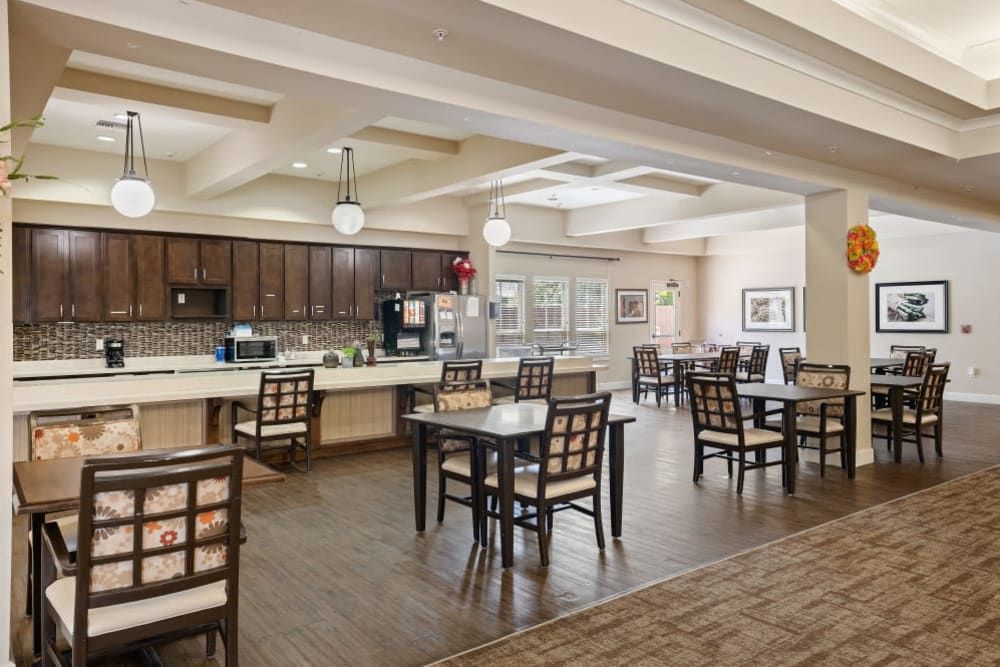
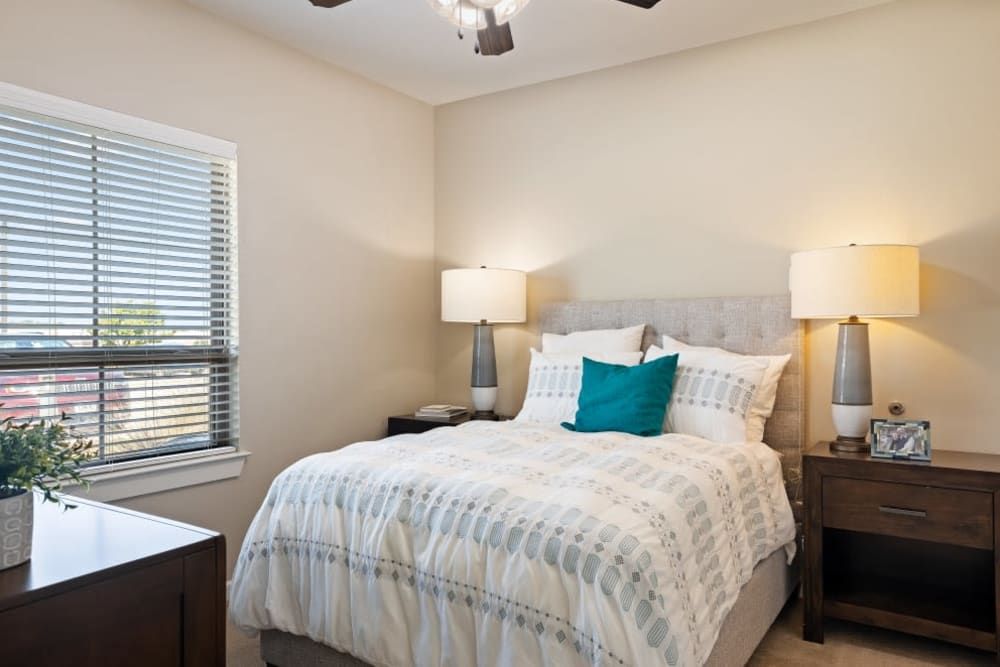
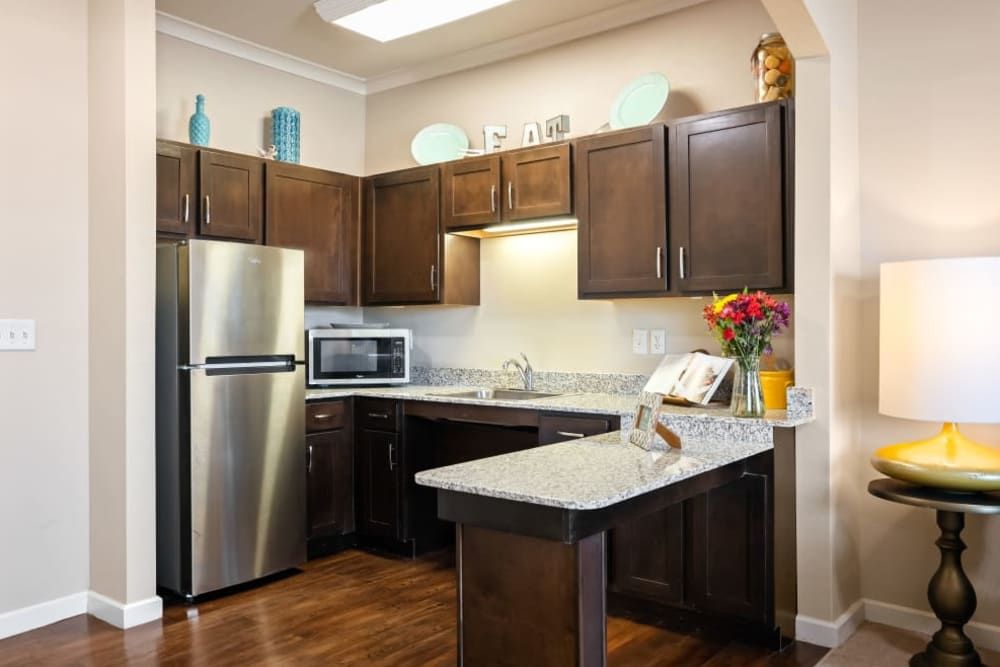
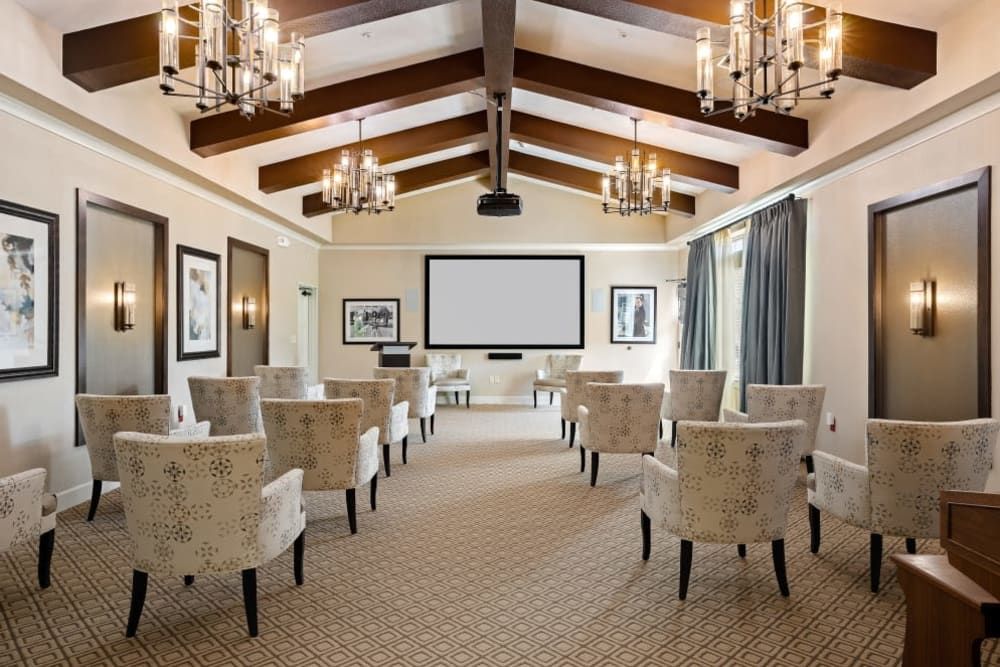
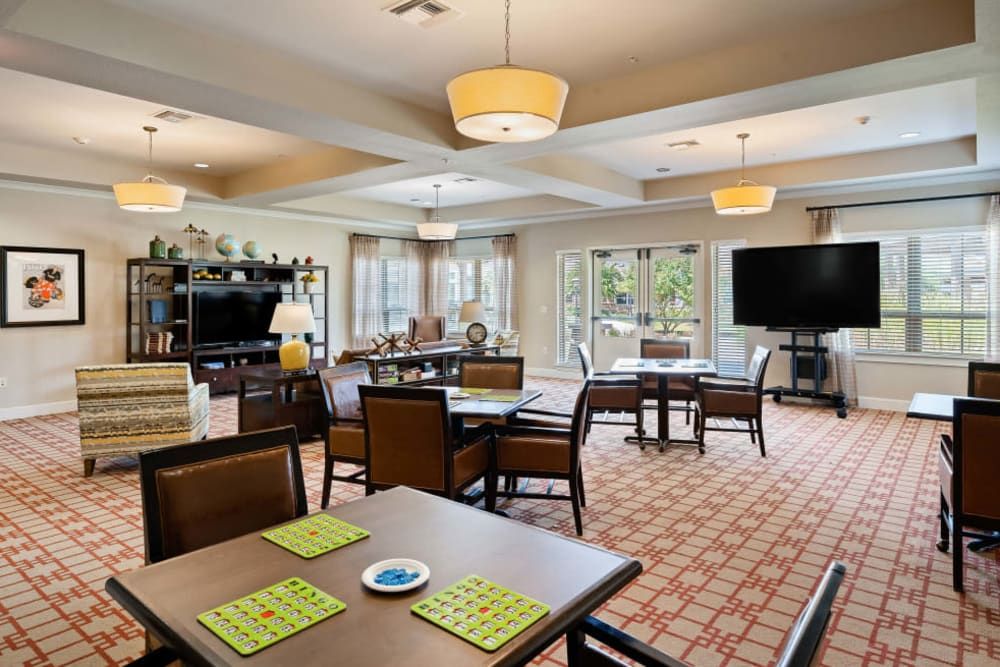
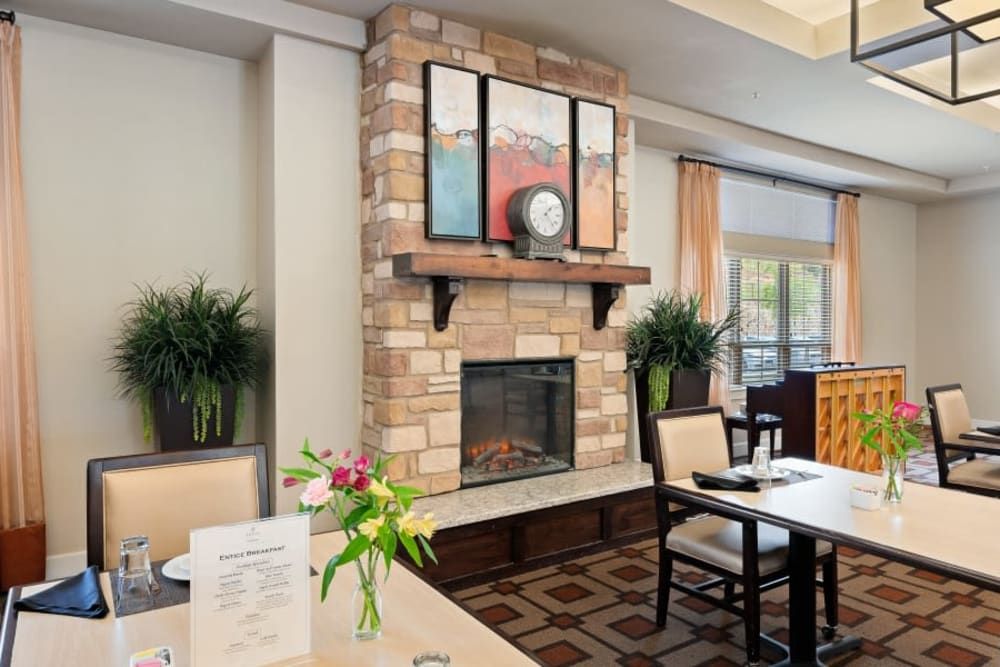
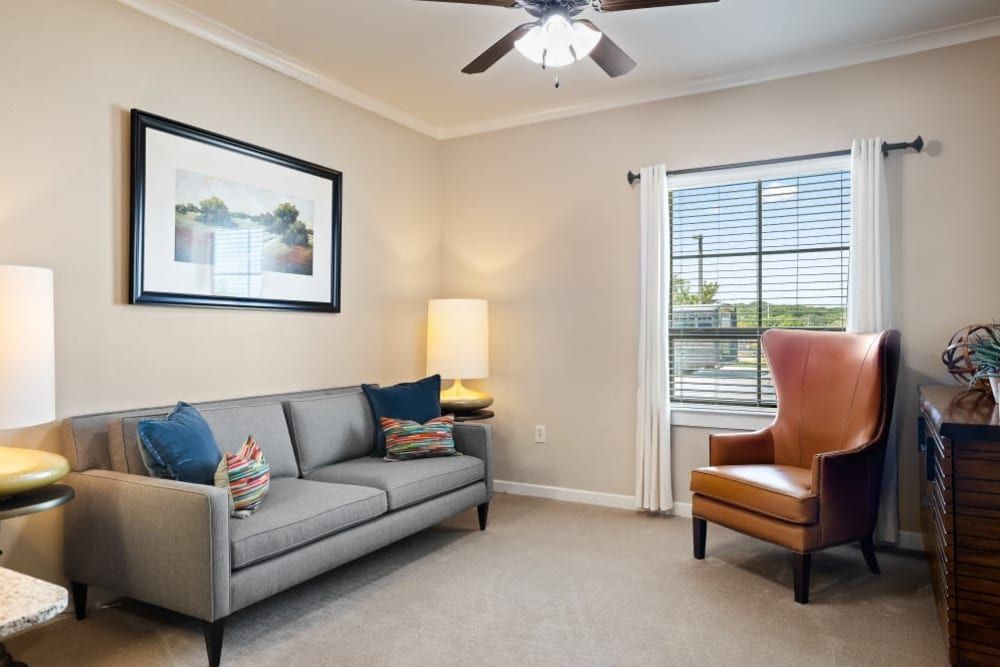
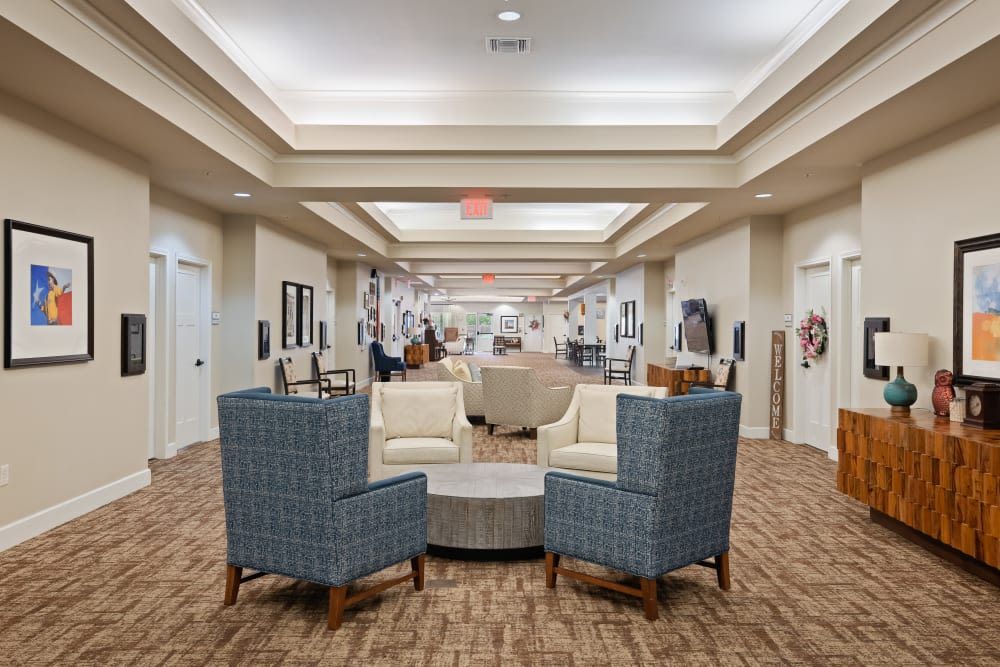
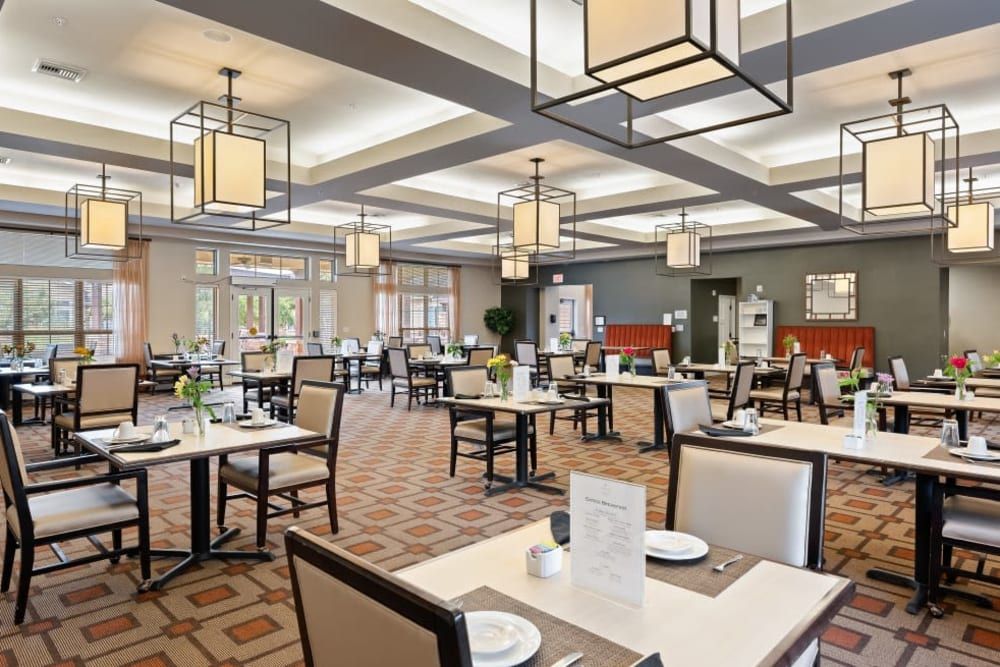
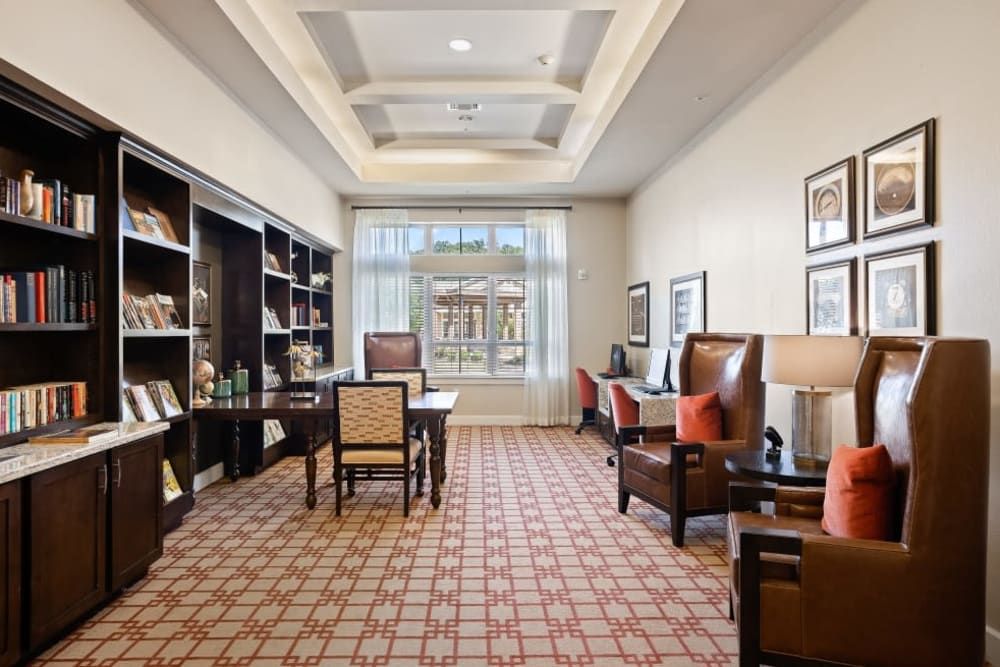
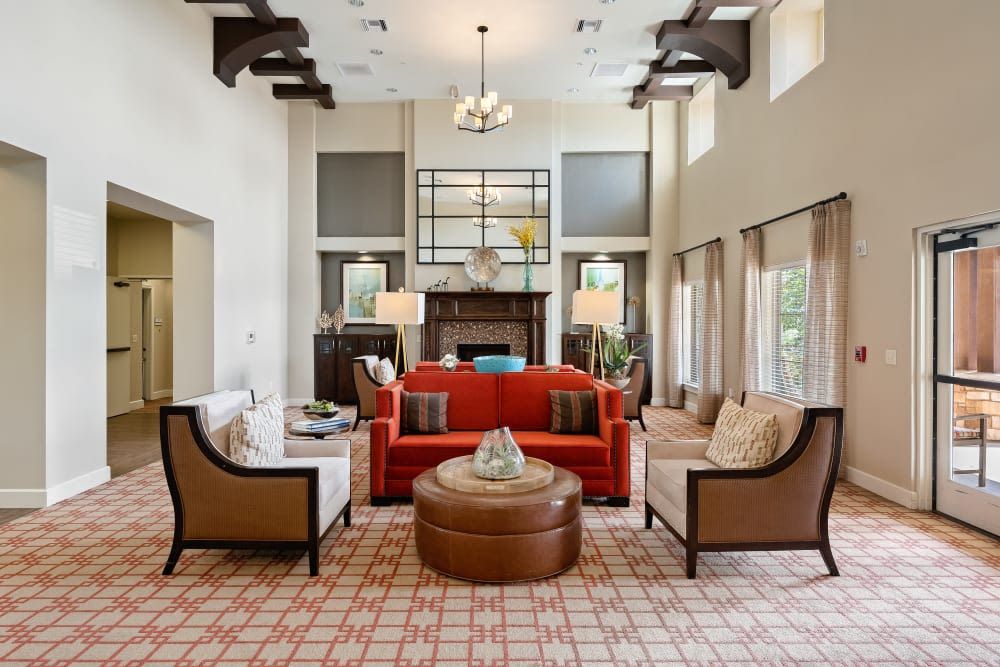
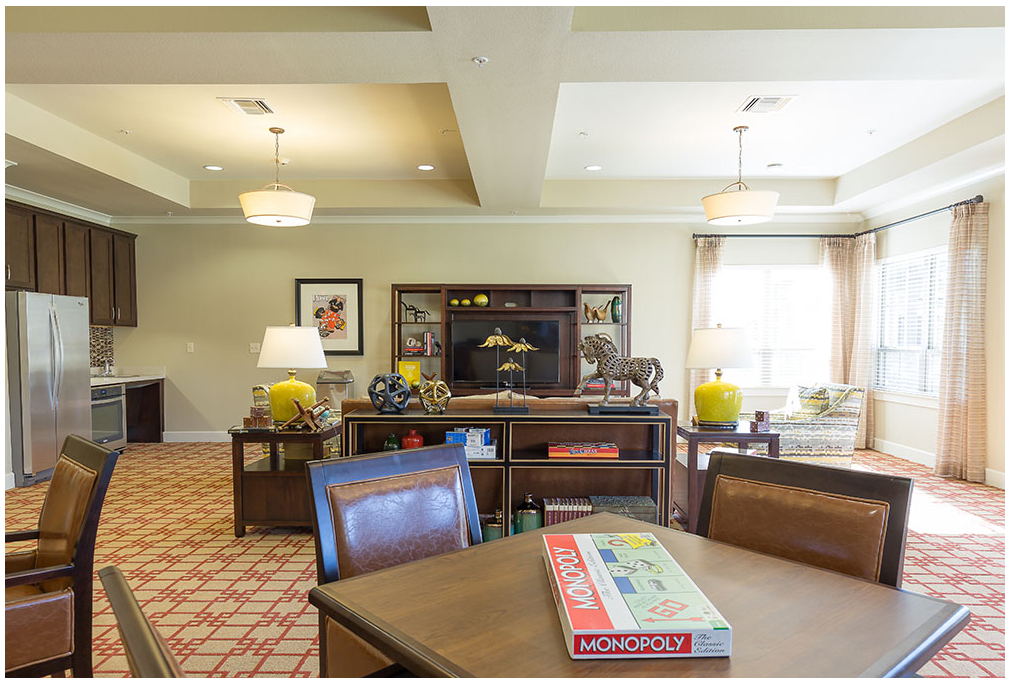
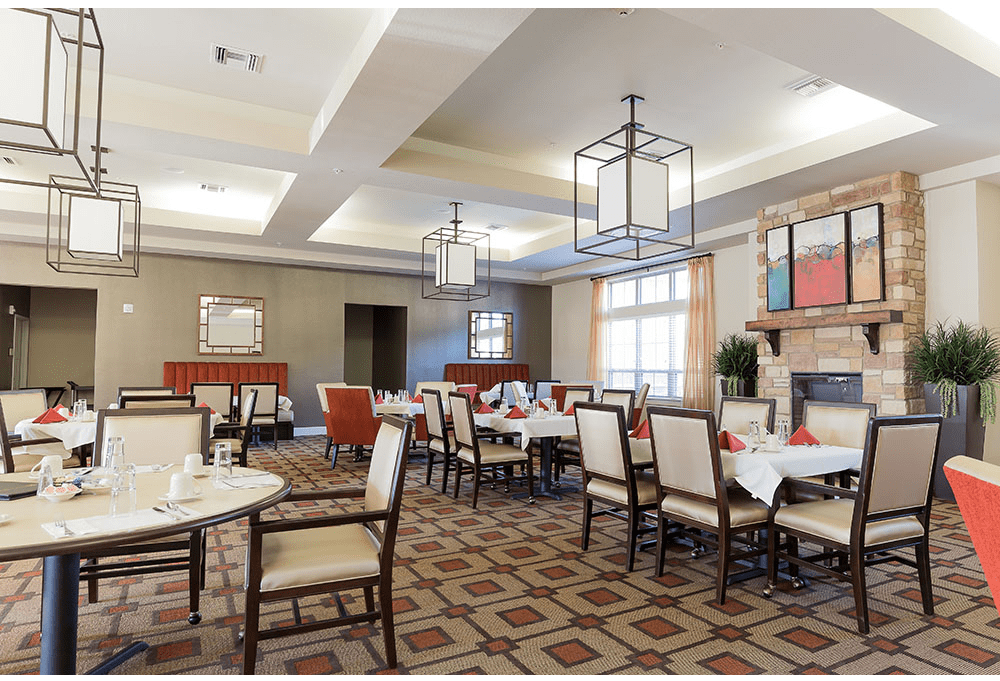
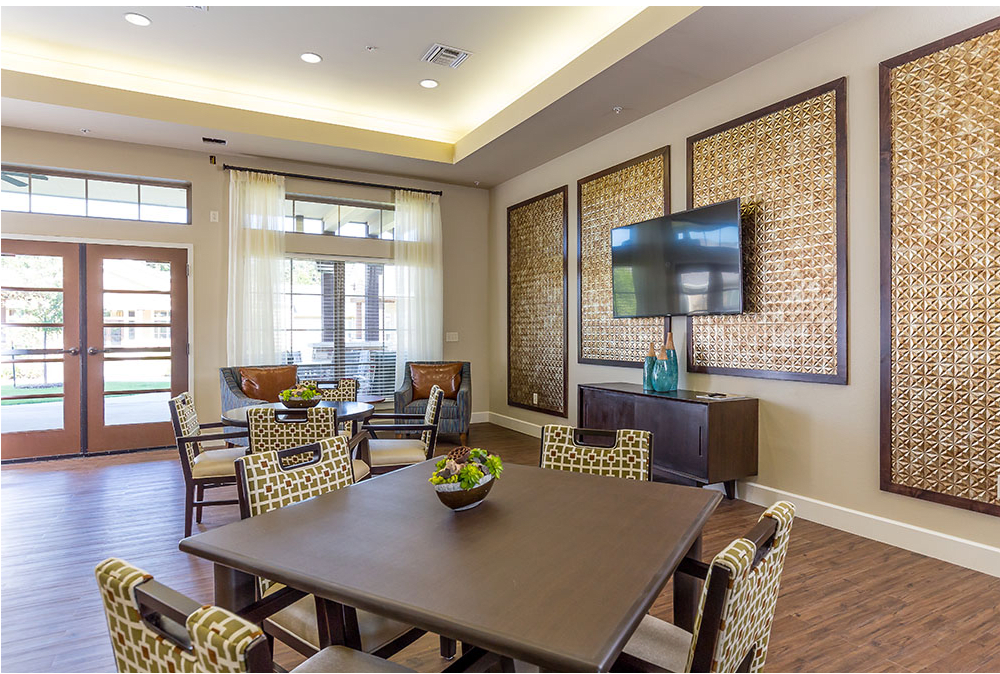
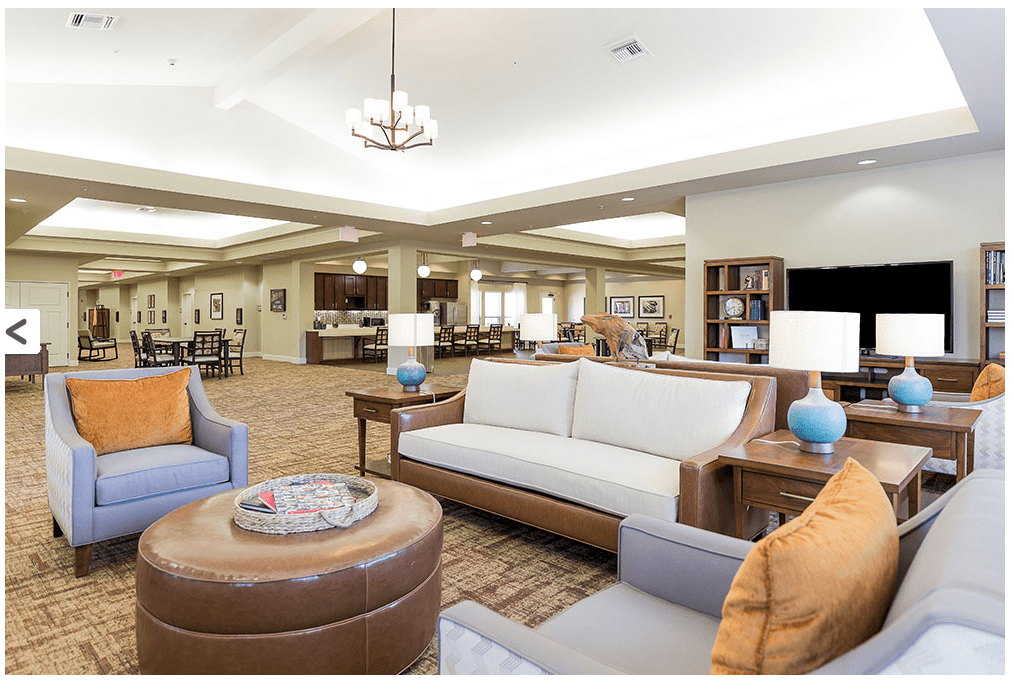
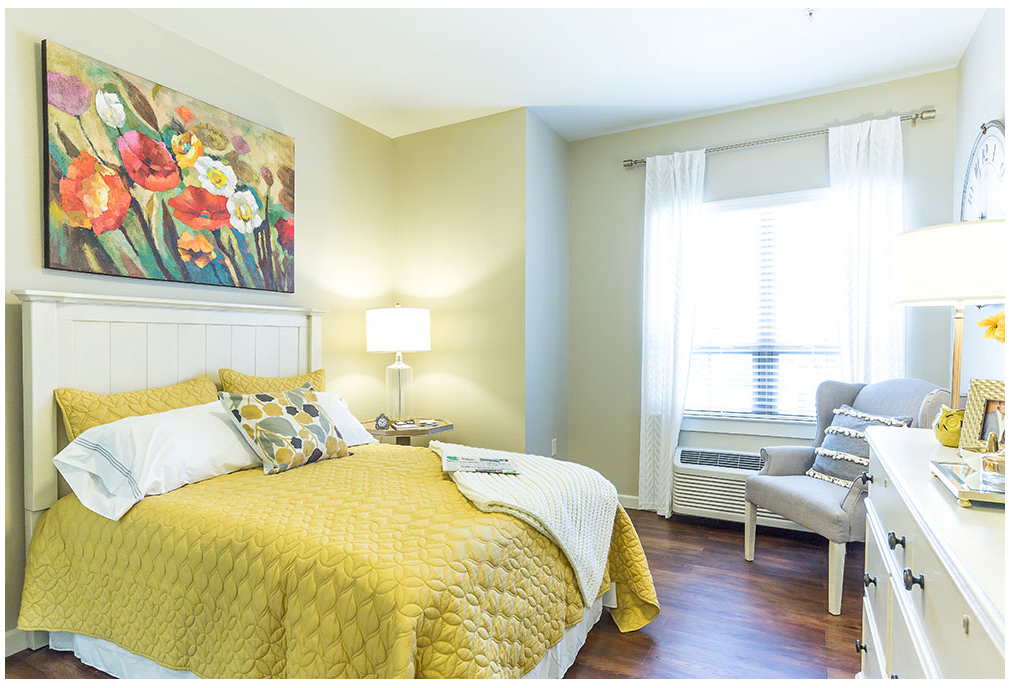
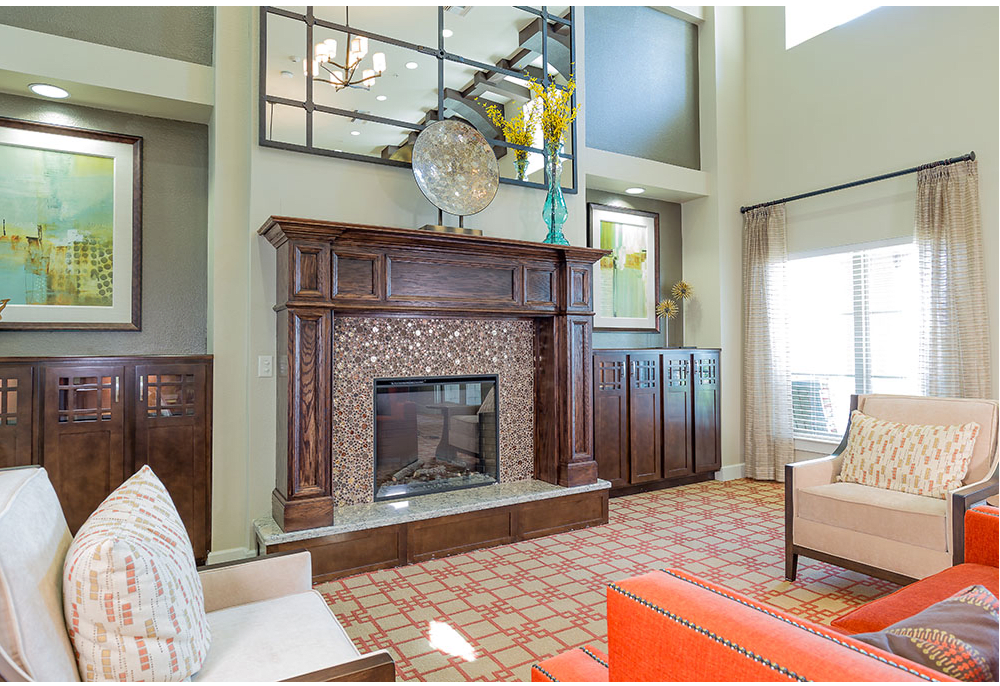
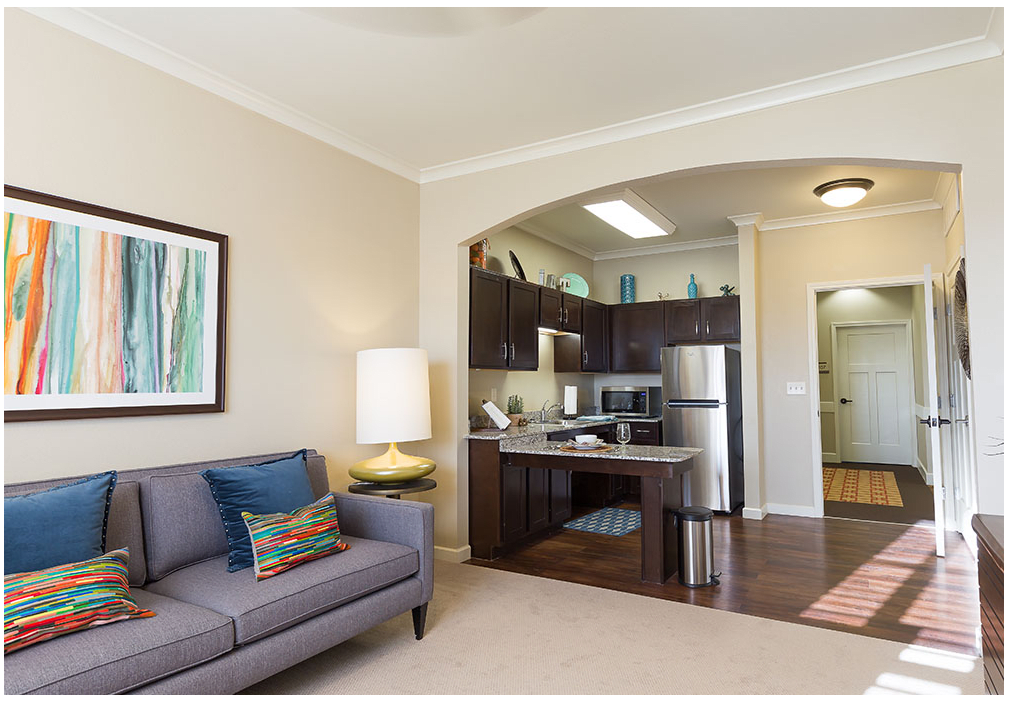
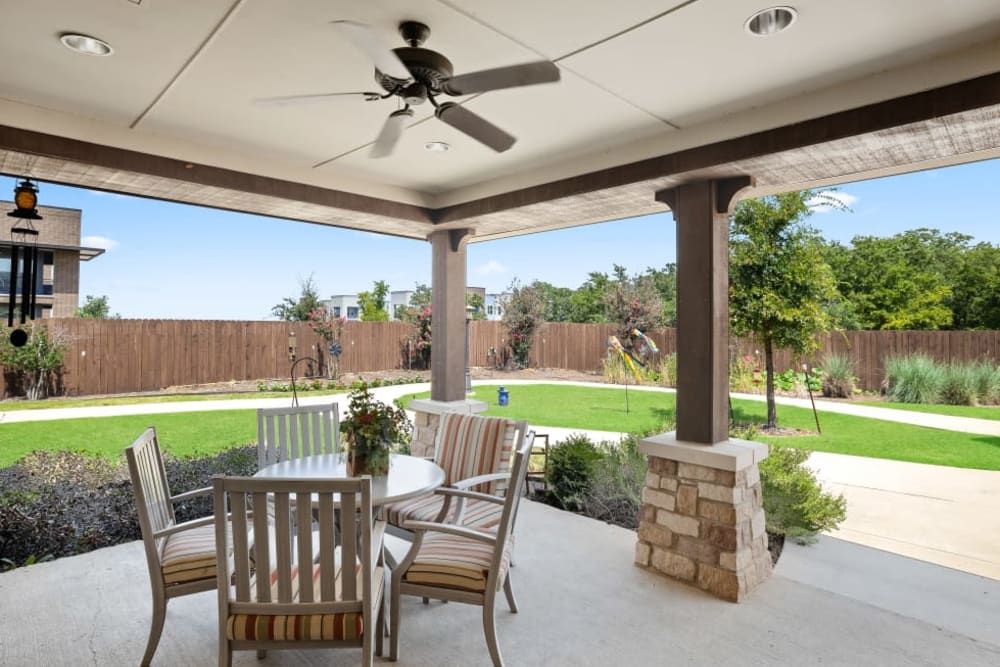
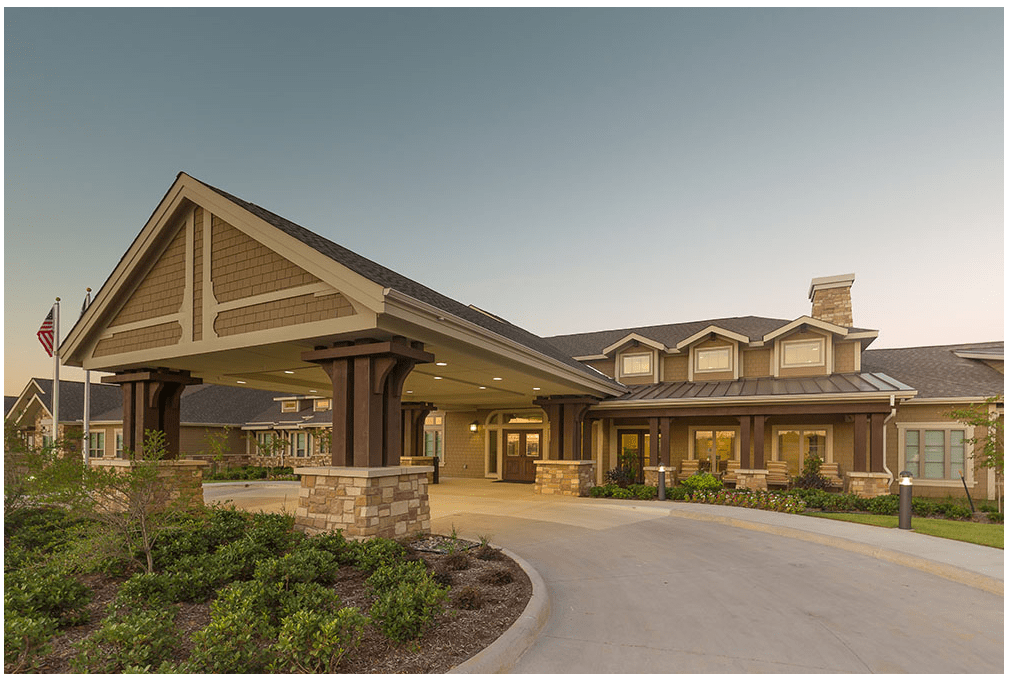
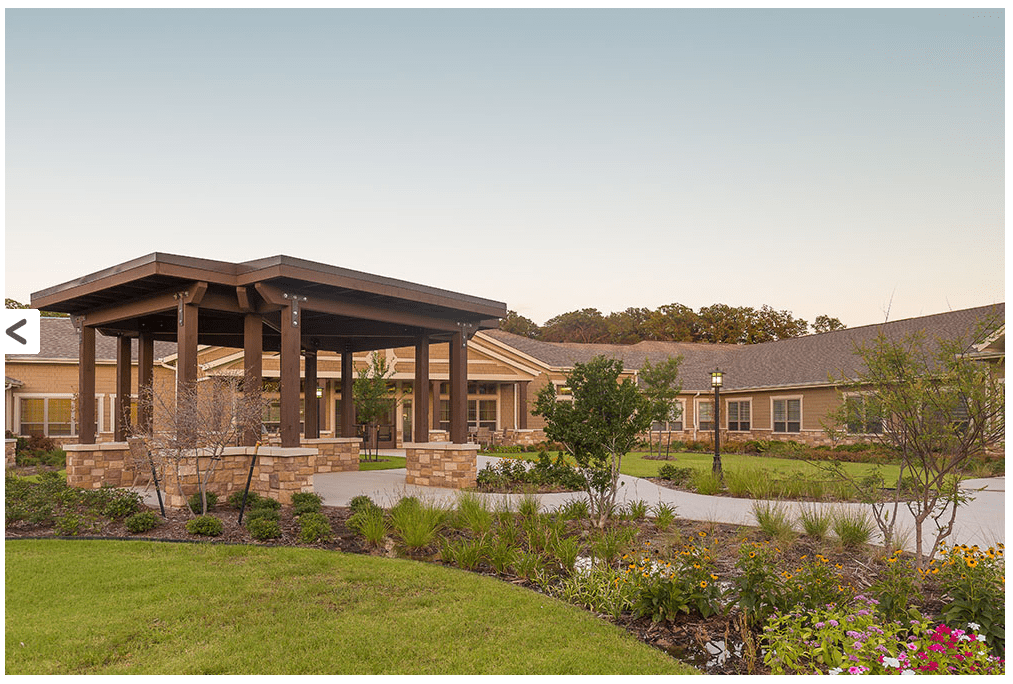
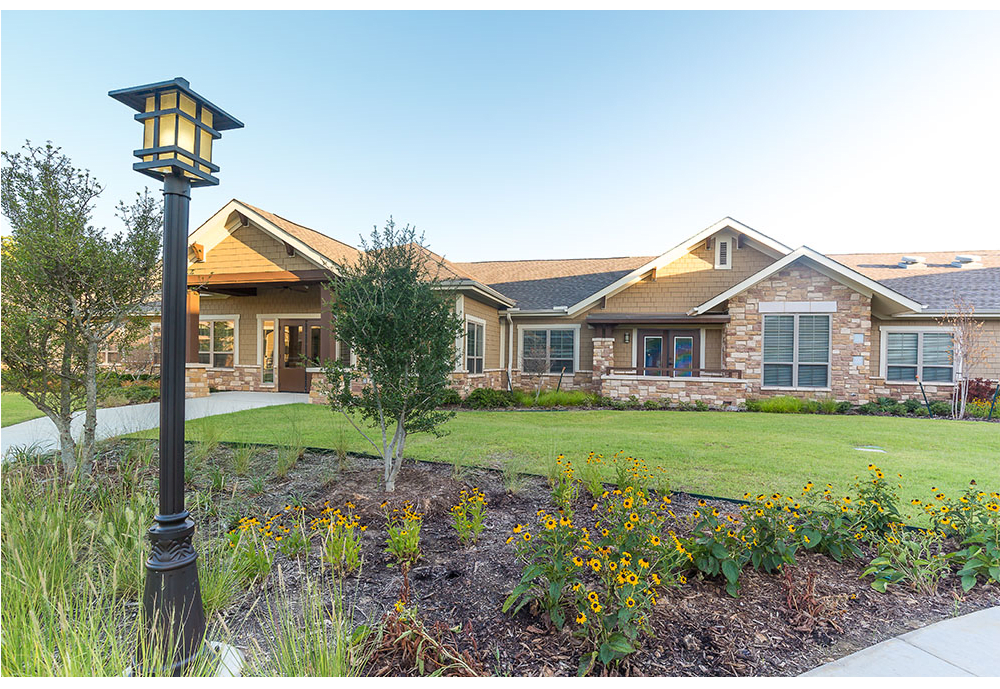
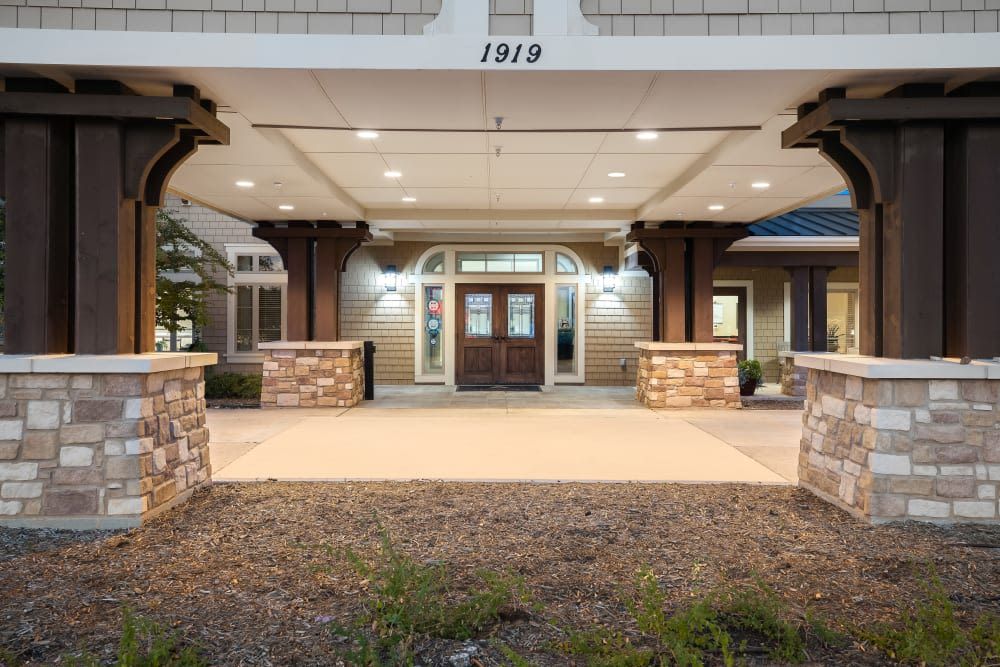
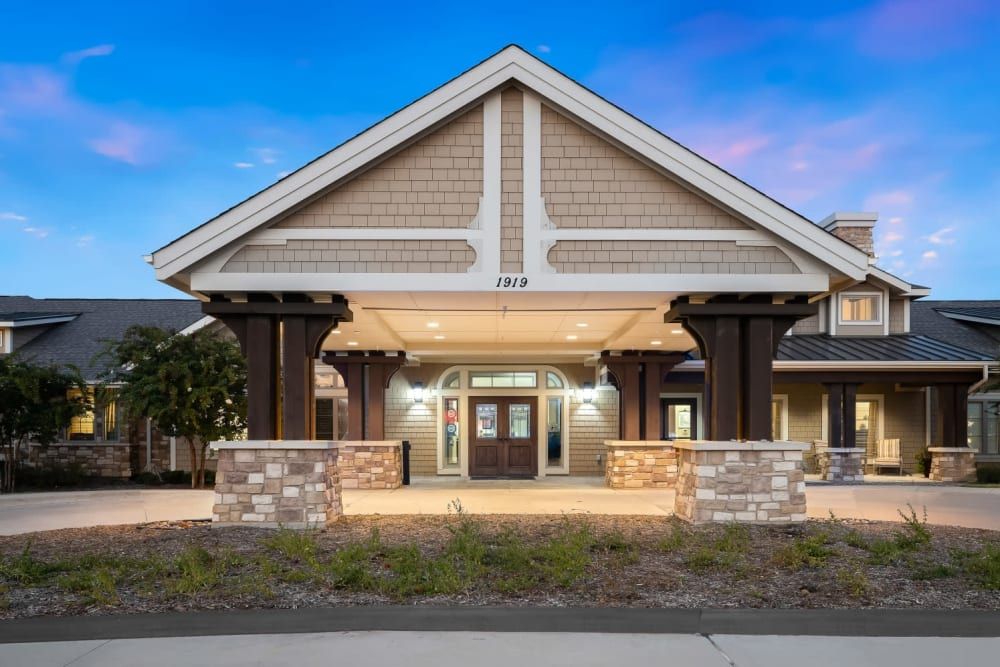
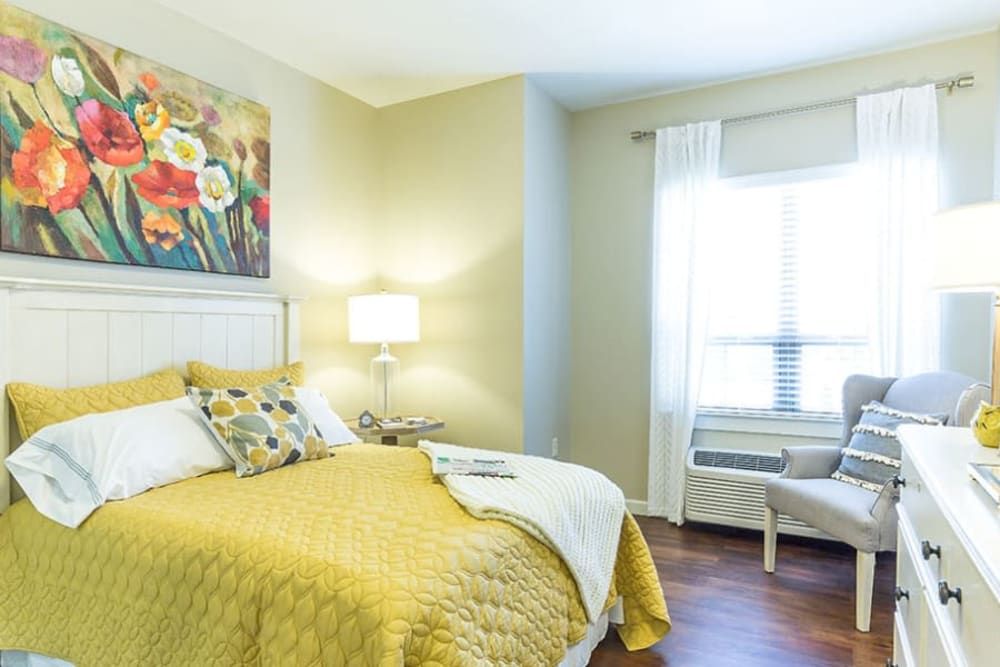
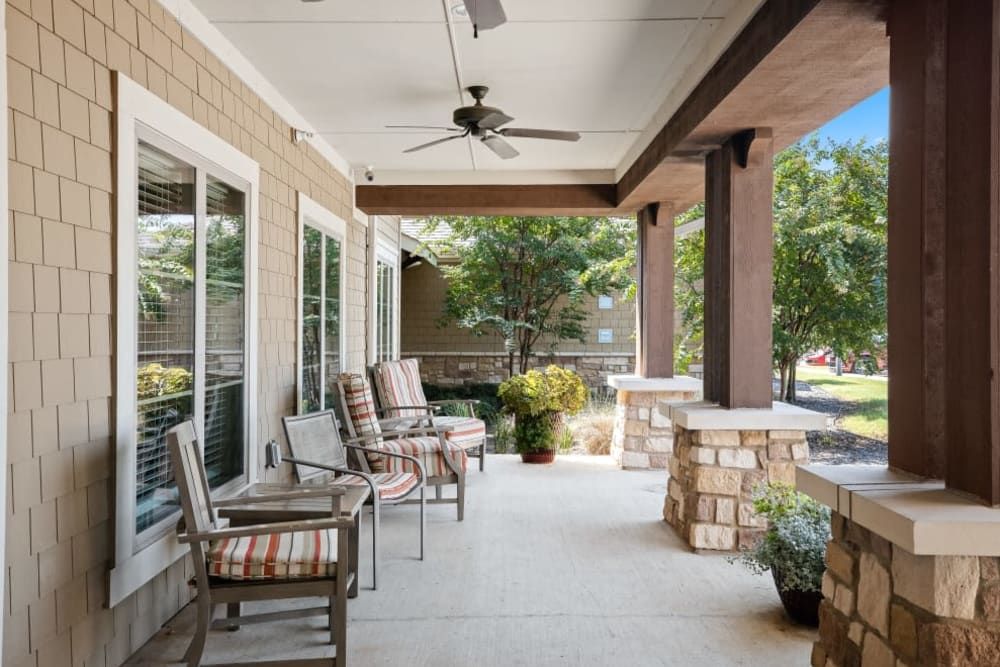
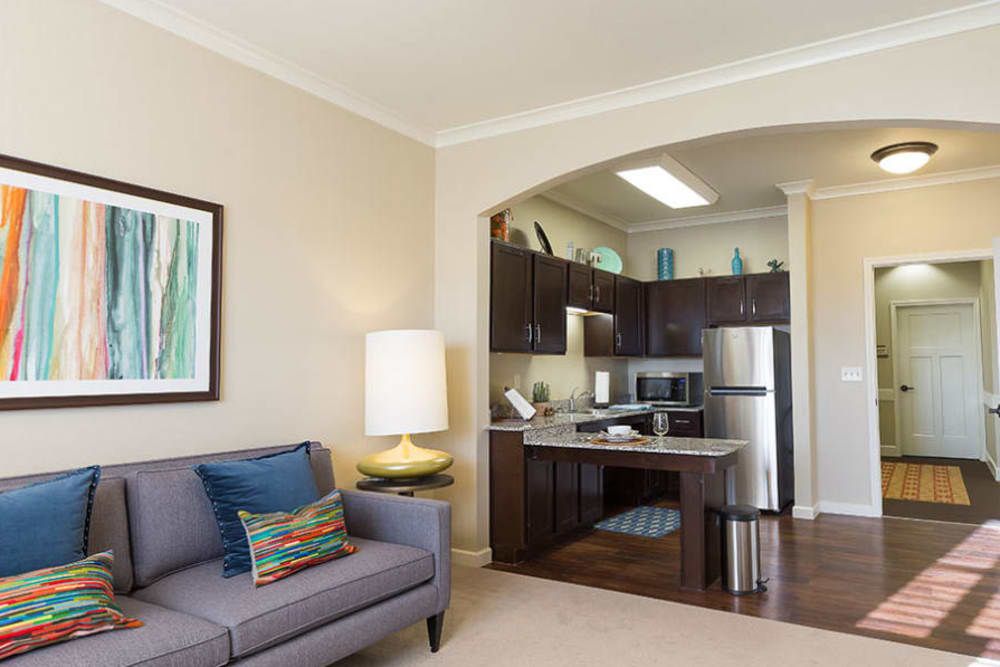
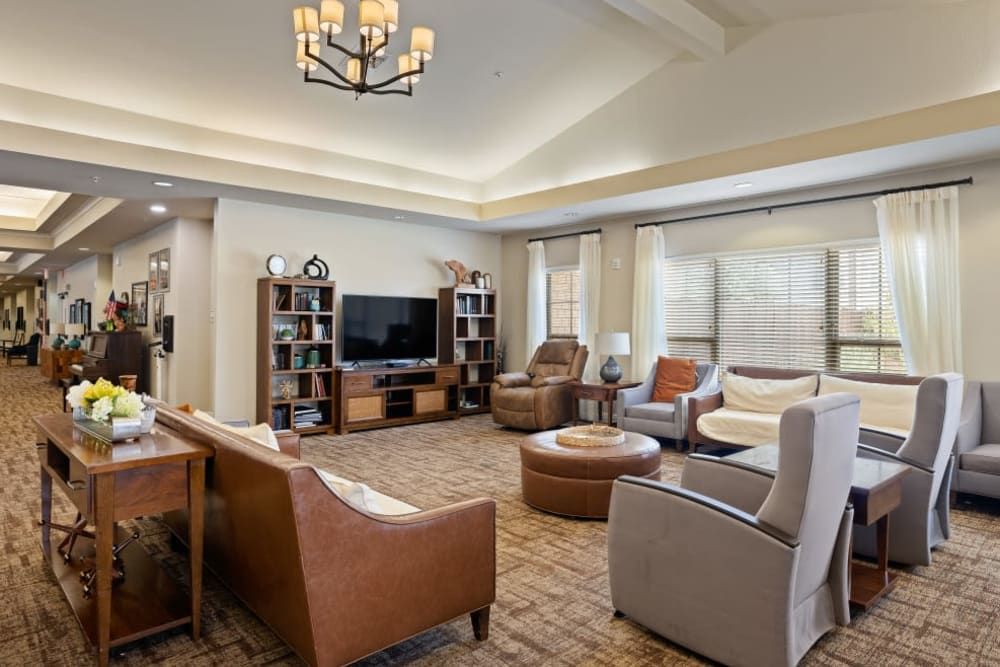
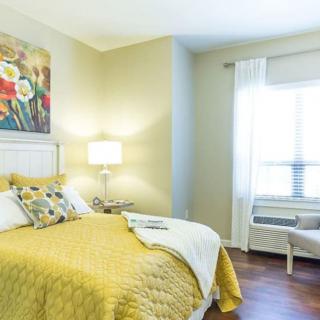
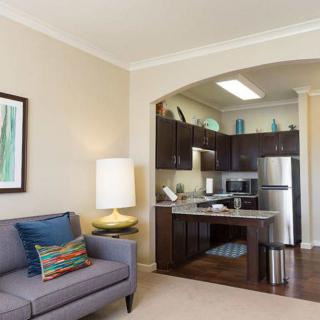
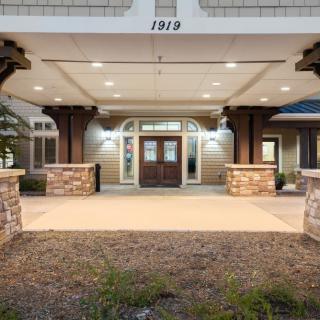
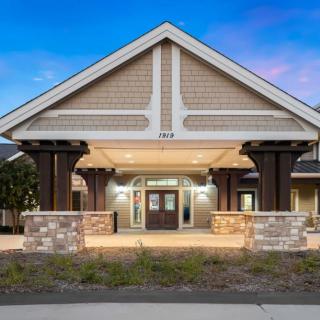
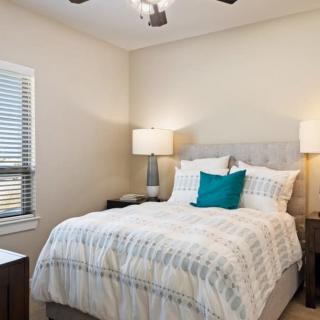
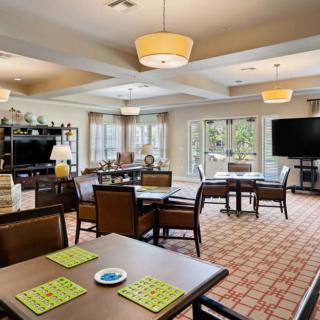
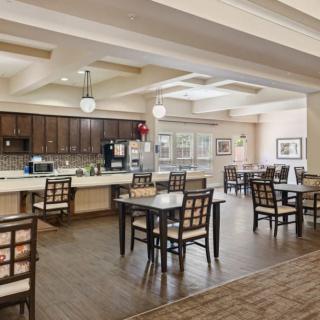
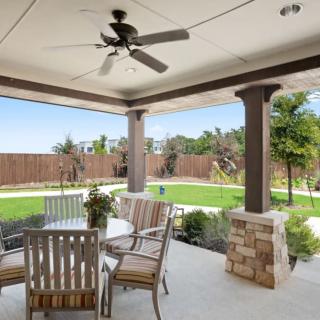
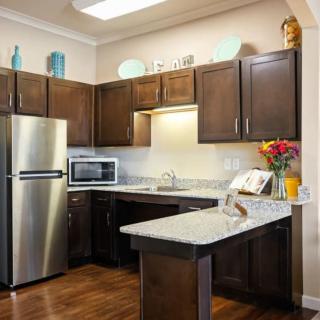
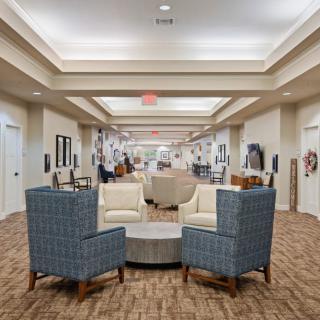
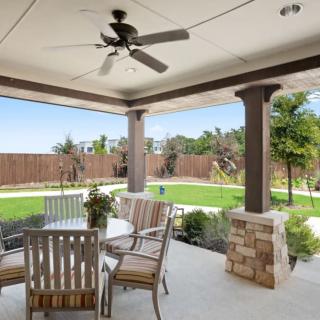
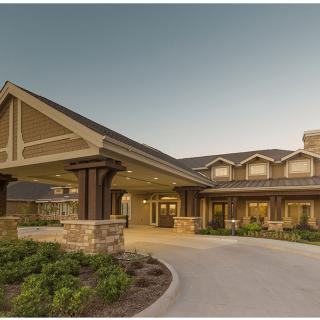
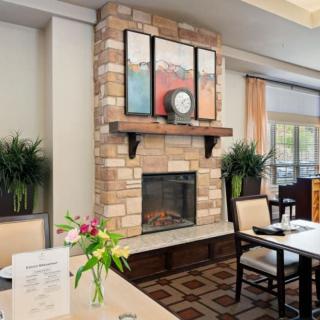
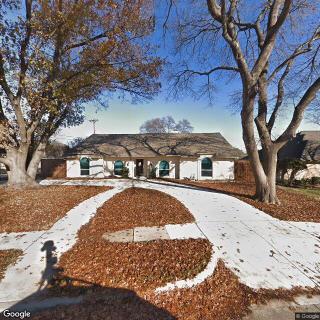
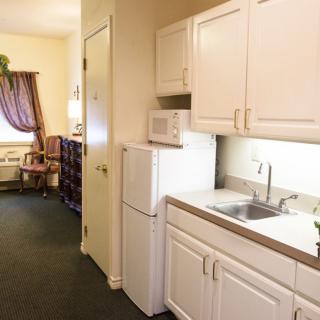
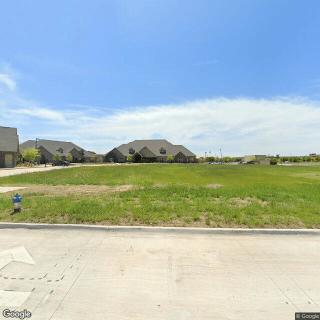
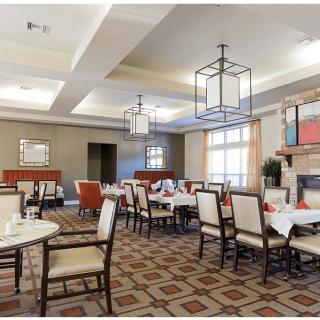
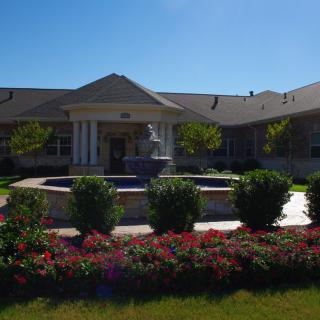
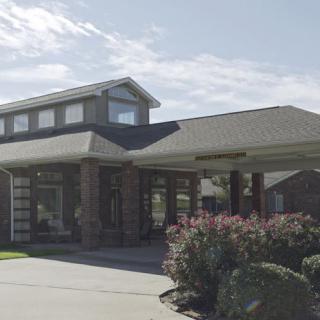
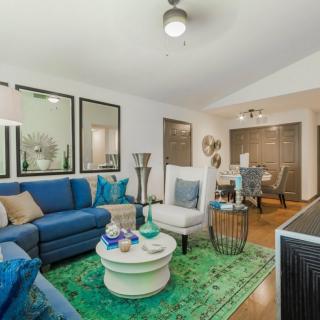
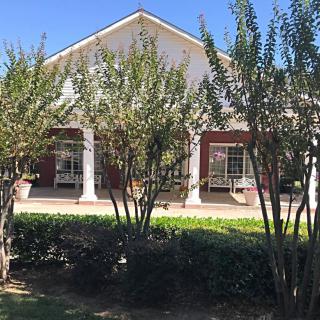
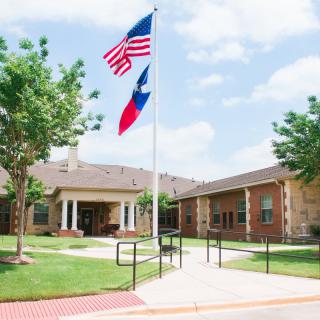
Anthology of Denton on seniors.fyi includes 33 photos including images showing interior, living room, landscaping, dining, architecture, decor, floor plan, bedroom, and more.
Nearby Communities
Willow Bend Assisted Living & Memory Care
Denton, TX
4.4 from 98 reviews
$4,545 to $6,050 / month
Caring staff in a well-maintained, activity-rich, pet-friendly setting.
Willow Bend
Denton, TX
4.3 from 56 reviews
Strong memory?care focus with 24/7 supervision, medication management, and engaging activities.
Senior Care Health & Rehabilitation Center-Denton
Denton, TX
4.1 from 75 reviews
Extensive on-site amenities and comprehensive care services.
Eagle Ridge Alzheimer’s Special Care Center
Denton, TX
4.6 from 67 reviews
$4,700 to $6,500 / month
Compassionate staff with engaging activities in a home-like, safe environment.
Attiva Denton
Denton, TX
4.3 from 113 reviews
Spacious 2-bedroom apartments with full kitchens and extensive amenities.
Brookdale Denton South
Denton, TX
4.6 from 77 reviews
$4,575 to $5,125 / month
Caring staff, engaging activities, and quality dining.
Sunstone Village
Denton, TX
4.3 from 122 reviews
$1,500 to $1,700 / month
Friendly staff and an active 55+ community with ample amenities and activities.
Carriage House Assisted Living of Denton
Denton, TX
4.3 from 43 reviews
$3,600 to $4,200 / month
Caring, responsive staff and a close-knit community.
Autumn Oaks of Corinth
Corinth, TX
4.2 from 45 reviews
$3,500 to $3,900 / month
Caring staff with strong family communication and engaging activities.
Choosing between assisted living and nursing homes involves evaluating emotional and financial factors, with assisted living offering independence and support for daily activities at a lower cost, while nursing homes provide intensive medical care for individuals with significant health needs. The decision is influenced by personal preferences, health status, cognitive function, and varying Medicaid coverage across states.
The article presents eight strategies for preserving cognitive health and memory in older adults, emphasizing a nutrient-rich diet, regular exercise, intellectually stimulating activities, adequate sleep, social connections, stress management techniques, limiting harmful substances, and regular medical checkups to mitigate age-related memory decline.
Activities of Daily Living (ADLs) are fundamental tasks vital for an individual's independence, particularly in older adults over 85, and include functions like bathing and dressing; assessing ADLs alongside Instrumental Activities of Daily Living (IADLs) helps determine the level of required assistance due to age-related health challenges. Tailored support plans, involving family and community resources, are essential for maintaining dignity and autonomy in assisted living environments.
Conference Room, Meeting Space, and Projector Screen
Outdoor Furniture and Deck
Brick Wall
Lighting Fixtures
Home Interior
Lounge Area
Interior Decor and High Ceiling
Modern Interior and Open Concept
Studio
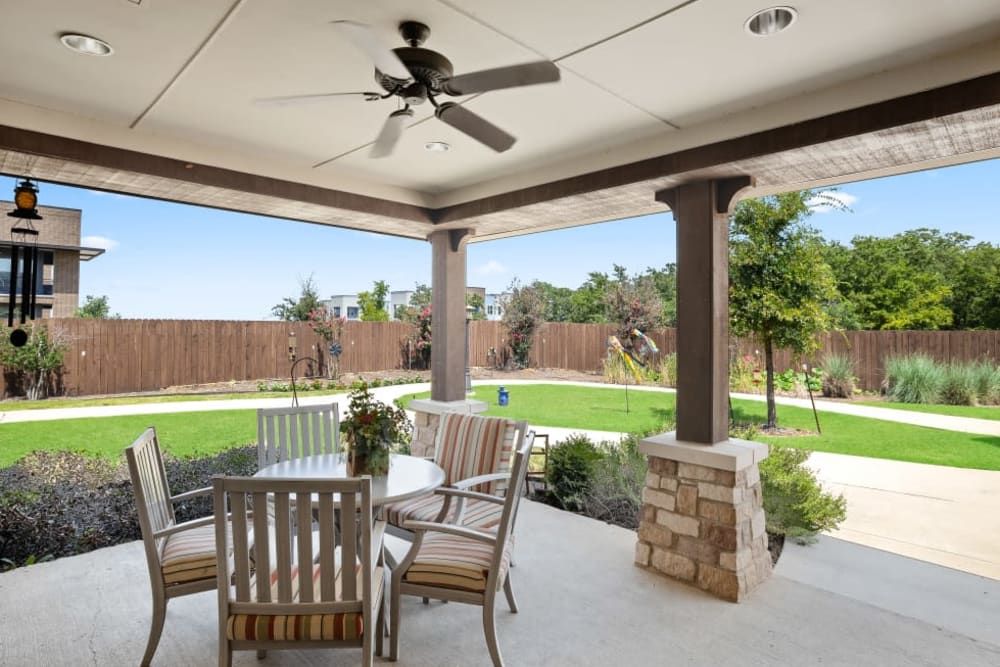
Covered Patio
Get PricingAsk A QuestionSchedule A TourContact Senior Advisor
By clicking submit, you agree to our Partner's Terms of Use. You
also consent to receive calls and texts, which may be autodialed, from our Partner. Your consent is not a condition to
using our Partner's service. Please visit our Partner's Privacy Policy for information about their privacy practices.




 114 resident community capacity
 1-bedroom apartments
 Assisted Living
 Memory Care
 Activities off-site
 Air-conditioning
 Beautician on-site
 Cable or satellite TV
 Computer center
 Devotional services off-site
 Dining room
 Fitness room
 Fully furnished
 Gaming room
 Garden
 Ground floor units
 Handicap accessible
 Housekeeping services
 Indoor common areas
 Kitchenette
 Move-in coordination
 Outdoor common areas
 Private bathrooms
 Respite or short term stays offered
 Restaurant-style dining
 Small library
 Telephone
 Wellness center
 Wheelchair accessible showers
 Wi-Fi/high-speed internet available
 Dallas-Fort Worth International (20 miles away)
 Community operated transportation
 12-16 hour nursing
 24-hour call system
 Ambulatory care
 Assistance with bathing
 Assistance with dressing
 Assistance with transfers
 Diabetes diet
 Diabetic care
 High acuity care
 Hospice waiver
 Incontinence care
 Medication management
 Mental wellness program
 Special dietary restrictions
 Transportation arrangement (medical)
 Art classes
 Concierge services
 Cooking classes
 Day trips and outings
 Educational speakers / life long learning
 Happy hour
 Karaoke
 Visiting chaplain or priest
 Wine tasting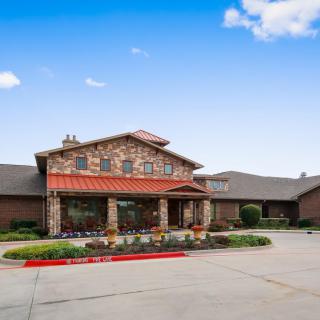
 Caring staff in a well-maintained, activity-rich, pet-friendly setting.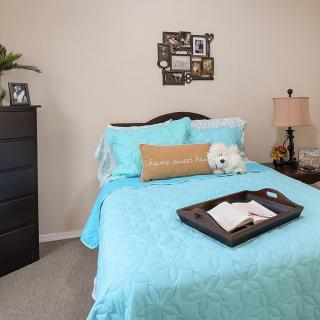

 Choosing the Right Senior Care: A Detailed Exploration of Assisted Living and Nursing Homes
 Safeguarding Your Memory Through the Golden Years: Eight Ways to Preserve Cognitive Health
 Comprehensive Insights into Activities of Daily Living (ADLs) and Their Assessment