Willow Bend Assisted Living & Memory Care Costs & Pricing
Willow Bend Assisted Living & Memory Care offers a range of accommodation options that reflect the premium quality of care and services provided. For a one-bedroom unit, residents can expect to pay $4,545 per month, which is significantly higher than the average costs in Denton County ($3,749) and Texas at large ($3,761). The semi-private room option is priced at $5,445, surpassing both local and state averages - Denton County averages $3,871 while Texas shows an even lower figure of $3,680. For those seeking more space, the two-bedroom units are offered at $6,050 - a rate above the county average of $3,917 and notably higher than the statewide average of $4,215. While Willow Bend's costs may appear elevated compared to other facilities in the area, they reflect a commitment to high-quality living environments and comprehensive care for residents.
Floor plans
Willow Bend Assisted Living & Memory Care
Denton County
Texas
1 Bedroom
$4,545
$3,749
$3,761
Semi-Private
$5,445
$3,871
$3,680
2 Bedrooms
$6,050
$3,917
$4,215
Skilled Nursing Facilities with a similar price nearby
Overall Review of Willow Bend Assisted Living & Memory Care
differentiator13 reviews mention this
Restaurant-style dining stands out
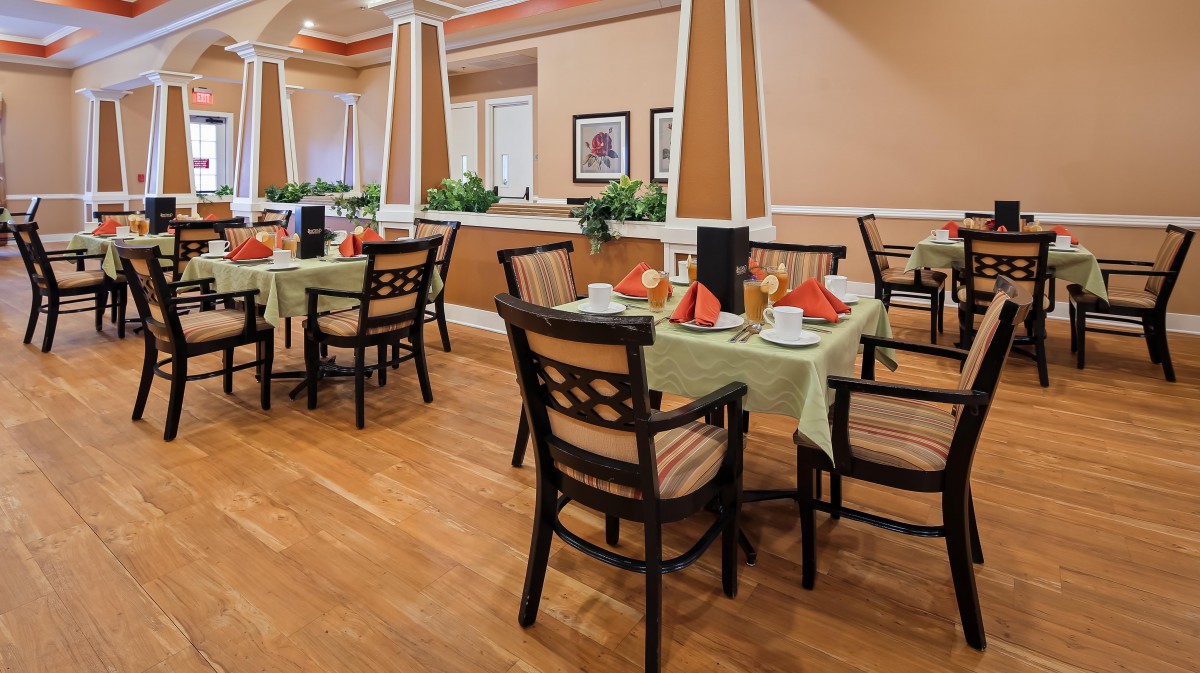
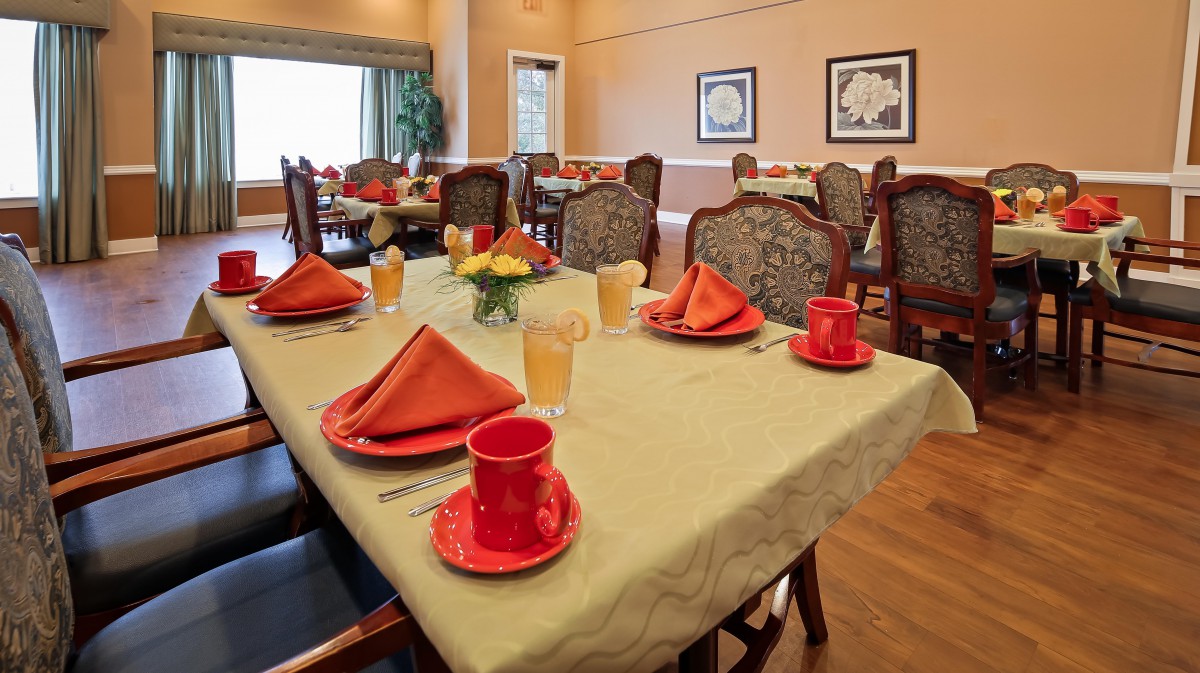
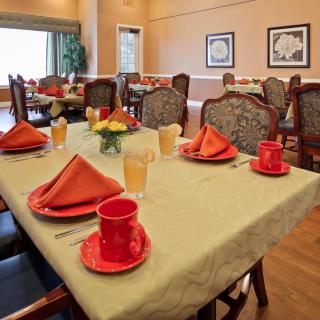
Dining is a frequent point of praise, and residents describe restaurant-style meals rather than institutional food.
Several residents describe the meals as a highlight, calling out that the dining experience feels exceptional and the food is tasty or delicious. A few also mention variety for picky eaters, plus room-service-style meals and a restaurant-like dining setup. At the same time, there are also residents and families who report dissatisfaction with food quality, describing it as lacking or institutional during their stay.
common52 reviews mention this
Staff communication feels hands-on
Residents and families often describe staff as attentive, friendly, and responsive to care needs.
Across reviews, families frequently mention staff as kind and approachable, and they describe feeling kept informed about care and progress. Some specifically call out leadership and nursing involvement as part of smoother onboarding or ongoing support, while others mention staff helping them acclimate and adjust. There are also a small number of negative reviews where residents or families say response times for help were inconsistent or that care didn’t meet expectations.
common22 reviews mention this
Activities keep residents engaged
Residents commonly describe having plenty of activities to choose from each day.
Many reviews mention that the community runs frequent activities, with residents participating in games, outings, and group events. Some residents and families specifically note entertainment and religious or devotional activities as part of the daily schedule. A few visits mention wanting more connection between staff and residents, even when activities were present.
common28 reviews mention this
Clean, comfortable atmosphere matters
Residents and visitors repeatedly comment on the community’s cleanliness and home-like feel.
Multiple reviews say the facility is clean and well maintained, with common areas described as welcoming and comfortable. Families also note that apartments feel clean and spacious, and a few mention design details that helped make the space feel more like home. Some critical reviews, however, describe cleanliness problems and operational issues that affected their impression during their stay.
caveat4 reviews mention this
Pricing is a common drawback
Pricing comes up often enough for families to describe it as high or not workable for their budget.
Some families say the community’s cost was too high or didn’t fit their needs, including one reviewer who moved due to price. Others describe the price point as mid-to-high or mention trade-offs tied to the room options available for the cost. Even when reviews are positive about the overall experience, price is still mentioned as a factor in decisions.
caveat6 reviews mention this
Care responsiveness is inconsistent
Some families report delays or breakdowns in getting timely help and care needs met.
A portion of negative reviews describe operational and care issues, including concerns about inconsistent response after using call systems and staff wait times. In those accounts, families also describe problems with medication administration and follow-through on requested assistance, along with communication gaps after hospital visits. While many other reviews describe attentive care, these critical reports focus on responsiveness and the day-to-day follow-through.
How we summarize
Counts show how many written reviews mention each theme; a review can touch several themes, and only frequently mentioned themes are displayed.
Features
Housing
1-bedroom apartments
2-bedroom apartments
Types of Care
Assisted Living
Memory Care
Skilled Nursing Facility
Amenities
Activities off-site
Activities on-site
Air-conditioning
Beautician on-site
Cable or satellite TV
Devotional services off-site
Devotional services on-site
Garden
Ground floor units
Guasts at mealtime
Handicap accessible
Housekeeping services
Indoor common areas
Kitchenette
Laundry
Outdoor common areas
Respite or short term stays offered
Wheelchair accessible showers
Wi-Fi/high-speed internet available
Transportation
Dallas-Fort Worth International (20 miles away)
Transportation & parking
Care Services
Ambulatory care
Diabetic care
High acuity care
Incontinence care
Medication management
Walking wheelchair assistance
Dining
Anytime dining
Guest meals
International cuisine
Low / no sodium
Meals provided
No Sugar
Professional chef
Restaurant style dining
Room service
Special dining programs
Vegetarian
Activities
Activities off-site
Art classes
Cooking classes
Day trips and outings
Devotional activities offsite
Devotional activities on-site
Educational speakers / life long learning
Happy hour
Karaoke
Live musical performances
Live well programs
Other religious services
Religious services
Visiting chaplain or priest
Languages Spoken
English
Nearby Places of Interest
This area of Denton, Texas offers a convenient location with various amenities nearby that may appeal to seniors looking for a comfortable and convenient living environment. Access to healthcare is readily available with multiple physicians' offices, pharmacies, and hospitals within a few miles. Additionally, there are several dining options ranging from fast food to casual dining choices. Seniors can also enjoy leisure activities such as watching movies at the nearby theaters or spending time at Quakertown Park. For those who enjoy coffee or tea, cafes are also easily accessible in the area. Overall, this part of Denton provides a mix of essential services and entertainment options for seniors looking to settle down in a vibrant community.
Physicians
Family Healthcare of Denton (0.3 miles)
Women's Centre (0.3 miles)
North Texas Kidney Disease (0.3 miles)
Switalski Eye Care/DENTON (0.6 miles)
Denton Alternative Medicine Center (3 miles)
Denton Bodysculpting (3.4 miles)
Family Health Solutions (3.5 miles)
Restaurants
McAlister's Deli (0.4 miles)
Dillas Quesadillas (0.5 miles)
Chick-Fil-A (0.5 miles)
Raising Cane's Chicken Fingers (0.5 miles)
Taco Bueno (0.5 miles)
Whataburger (0.5 miles)
McDonald's (0.6 miles)
Pharmacies
Walgreens (0.5 miles)
Southern Star Pharmacy (0.7 miles)
CVS Pharmacy (1.3 miles)
Walmart Pharmacy (1.9 miles)
Walgreens (2.8 miles)
CVS Pharmacy (3.6 miles)
CVS Pharmacy (3.7 miles)
Theaters
Cinemark 14 (0.7 miles)
Movie Tavern Denton (4.2 miles)
Places of Worship
Singing Oaks Church of Christ (2 miles)
Church of Jesus Christ of Latter Day Saints (3.9 miles)
First Cumberland Presbyterian Church (4.5 miles)
Hospitals
Baylor Surgicare (2.1 miles)
Denton Rehab Hospital (4.3 miles)
Texas Health Presbyterian Hospital Denton (4.3 miles)
Willow Bend Assisted Living & Memory Care offers a range of accommodation options that reflect the premium quality of care and services provided. For a one-bedroom unit, residents can expect to pay $4,545 per month, which is significantly higher than the average costs in Denton County ($3,749) and Texas at large ($3,761). The semi-private room option is priced at $5,445, surpassing both local and state averages - Denton County averages $3,871 while Texas shows an even lower figure of $3,680. For those seeking more space, the two-bedroom units are offered at $6,050 - a rate above the county average of $3,917 and notably higher than the statewide average of $4,215. While Willow Bend's costs may appear elevated compared to other facilities in the area, they reflect a commitment to high-quality living environments and comprehensive care for residents.
Willow Bend Assisted Living & Memory Care's medication management ensures that residents receive their prescribed medications on time and in the correct dosages, which is crucial for maintaining their overall health and cognitive function. This service minimizes the risk of missed doses or medication errors, reducing anxiety for both residents and their families. Additionally, incontinence care provides dignity and comfort to those experiencing this common issue associated with dementia and Alzheimer's disease. By addressing this sensitive need promptly and compassionately, staff can help reduce discomfort and prevent potential skin issues, allowing residents to focus on daily activities without unnecessary embarrassment or distress. Together, these features create a supportive environment that fosters well-being and enhances the quality of life for individuals facing the challenges of memory impairment.
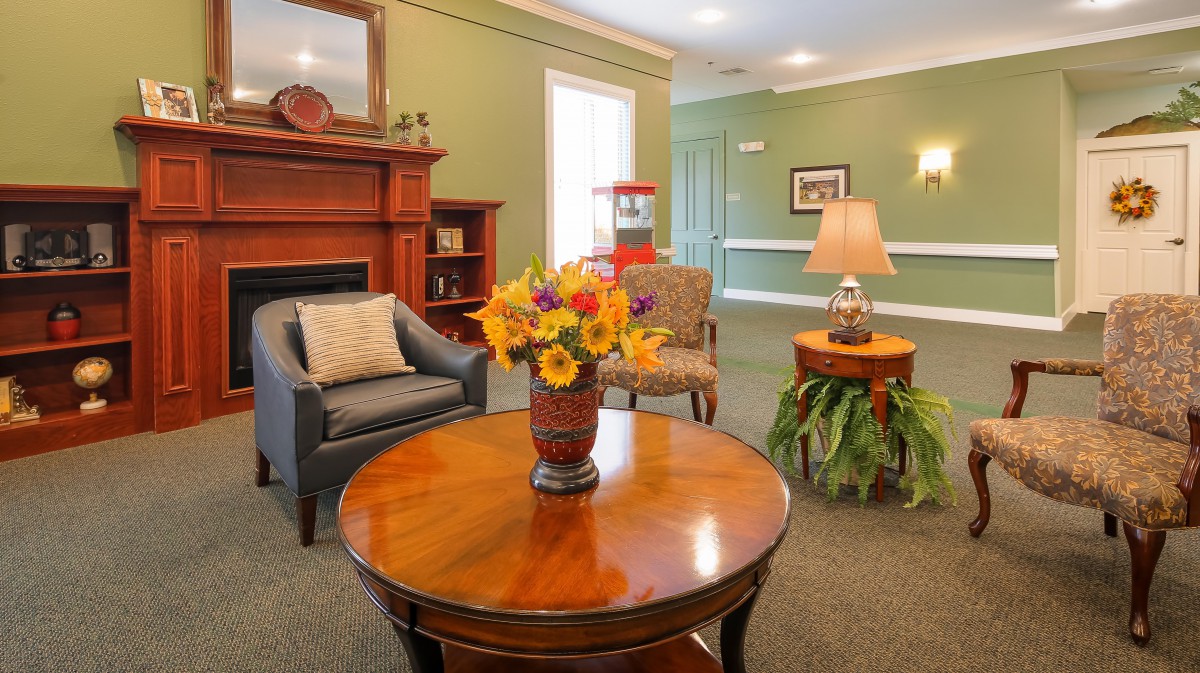
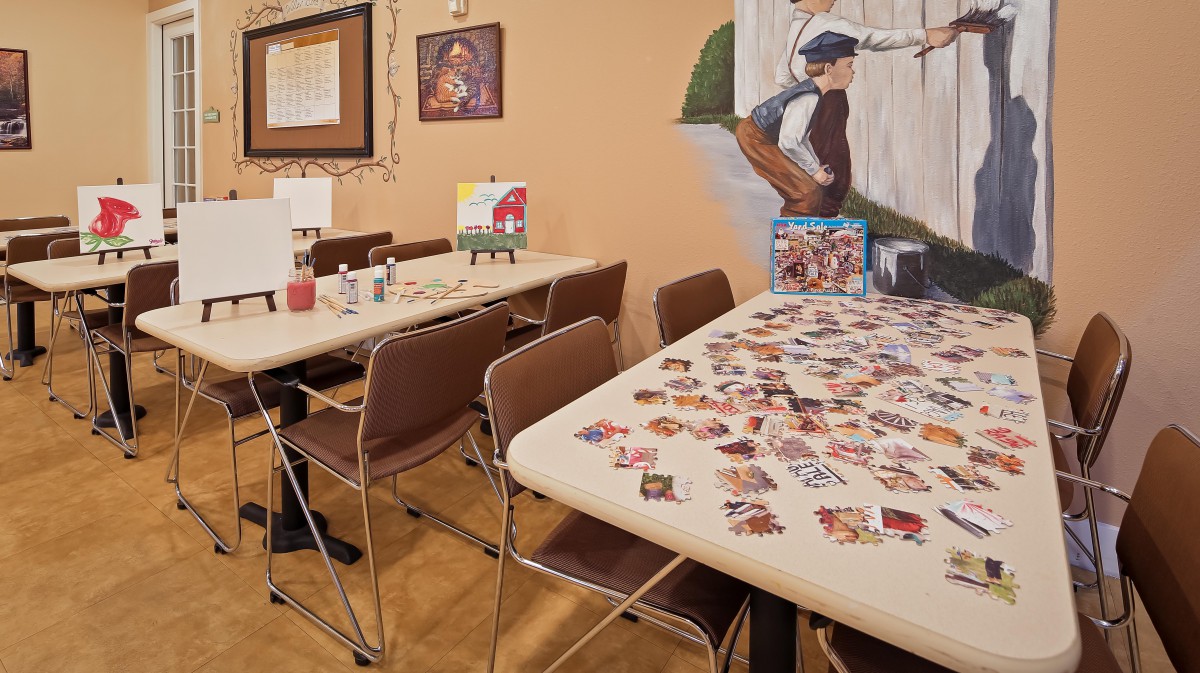
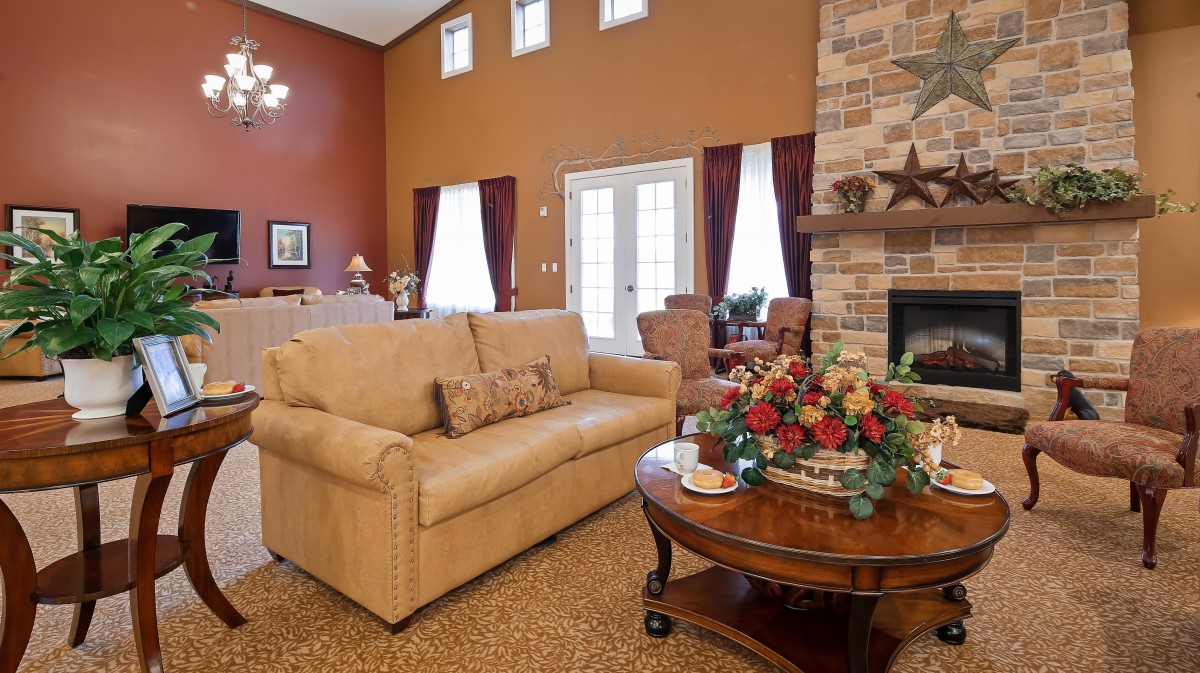
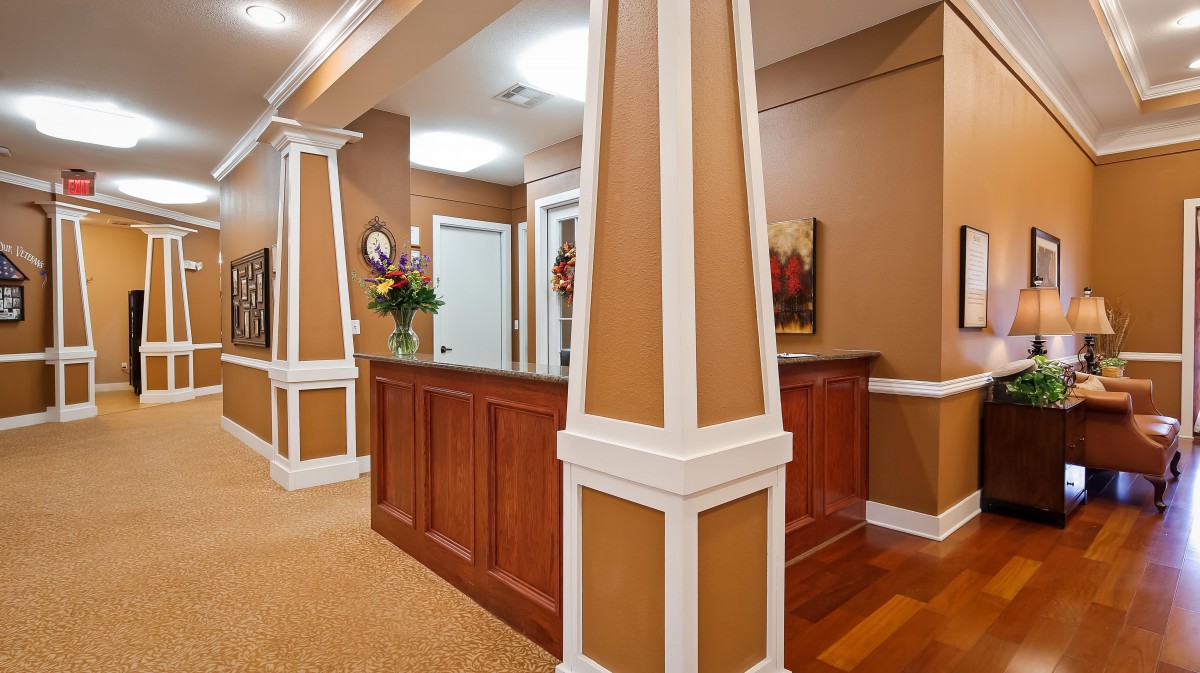
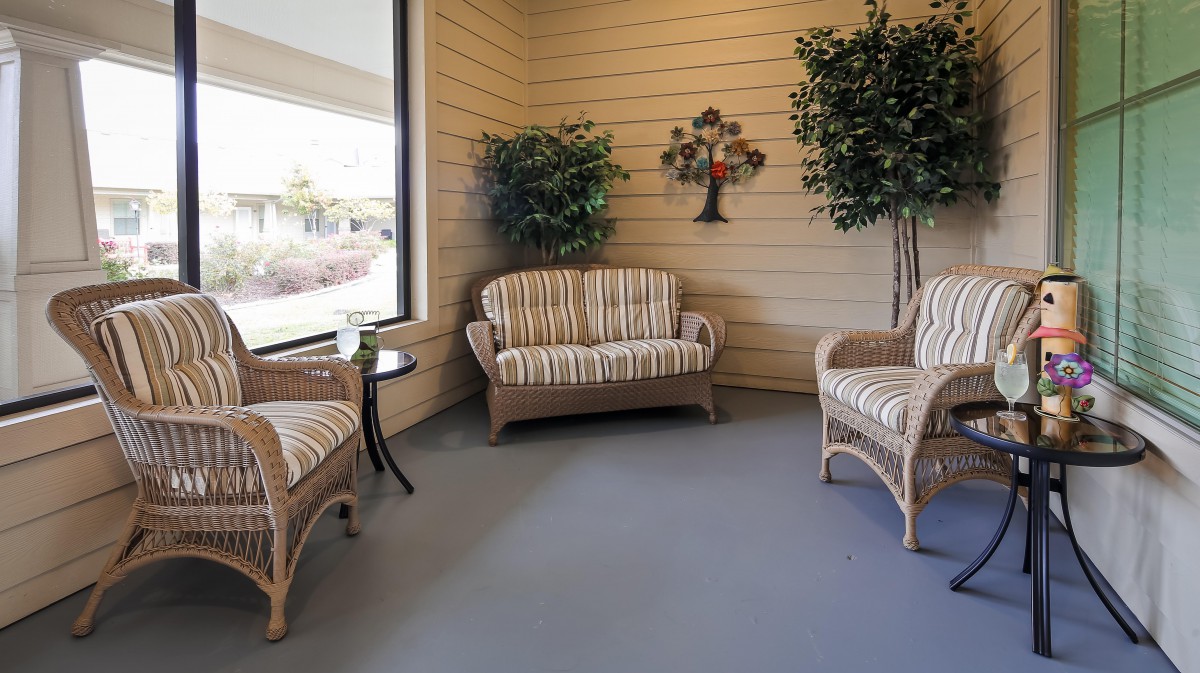
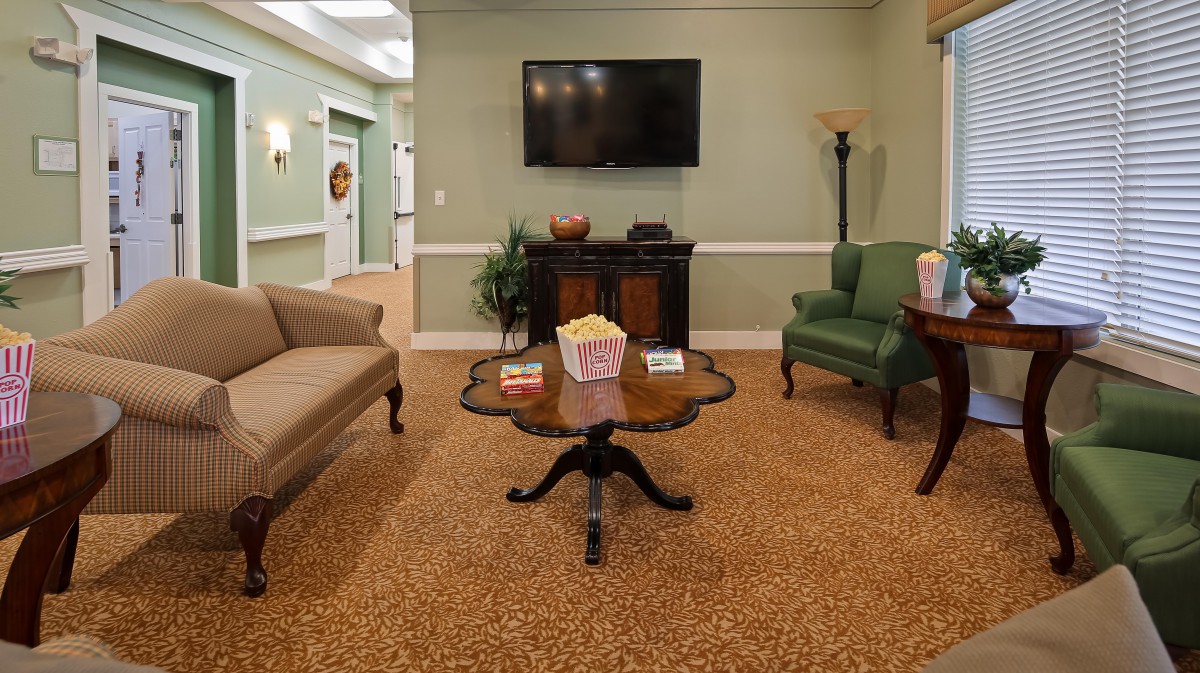
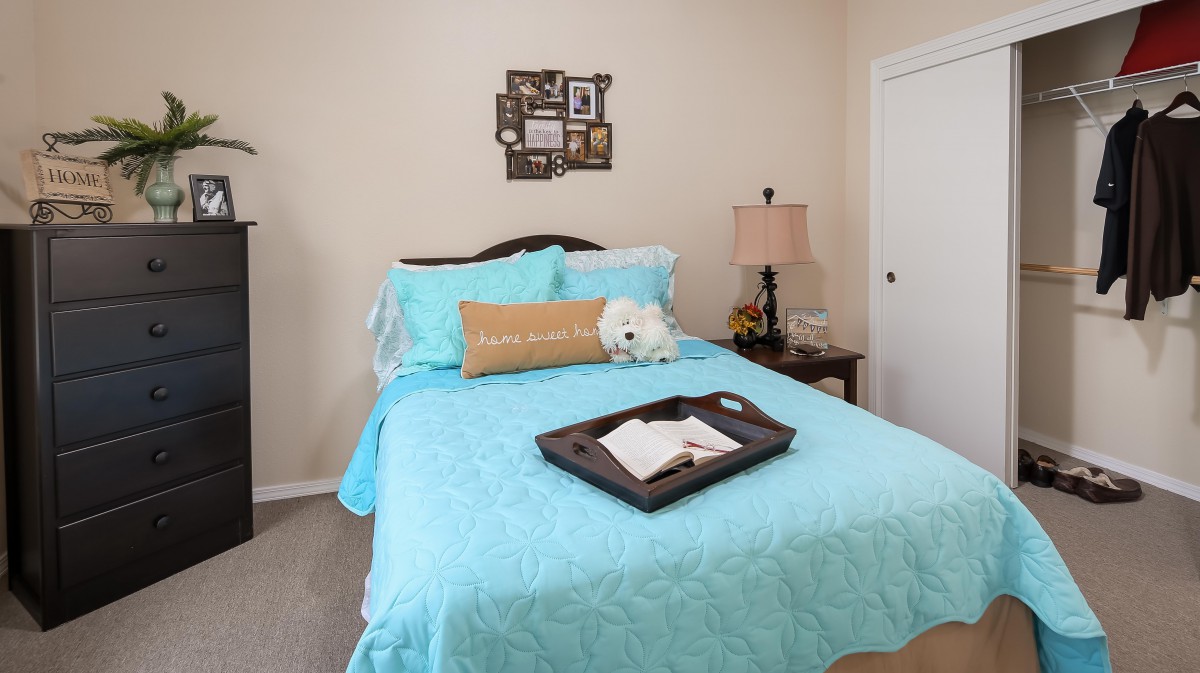
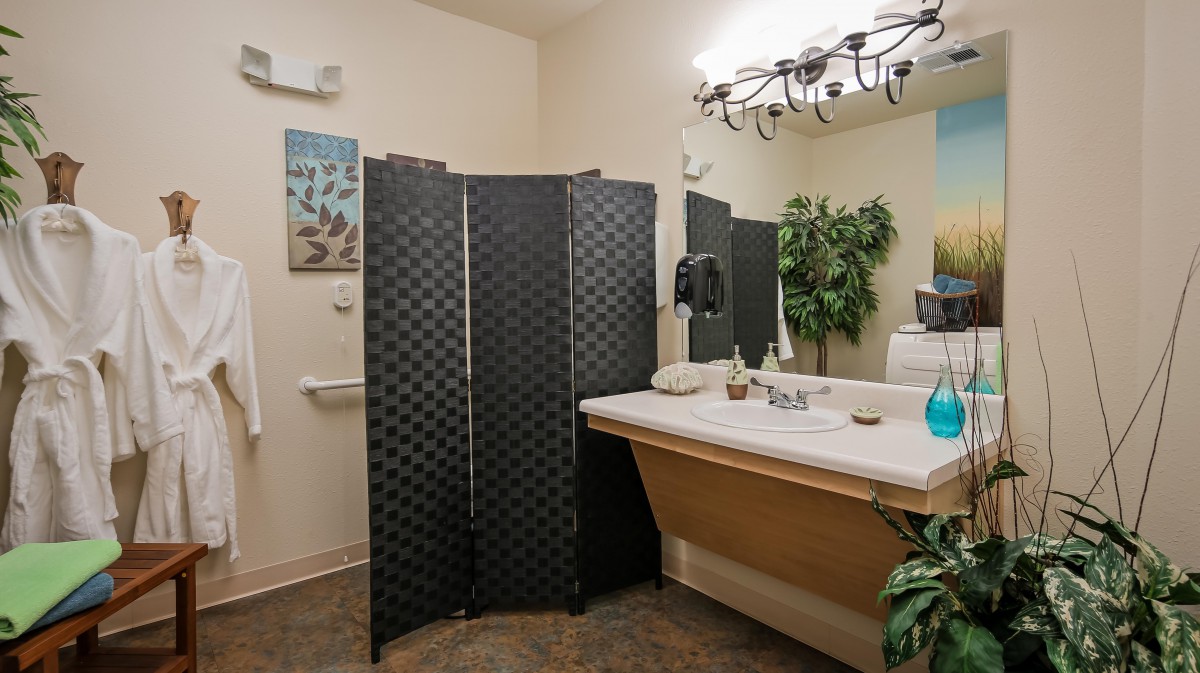
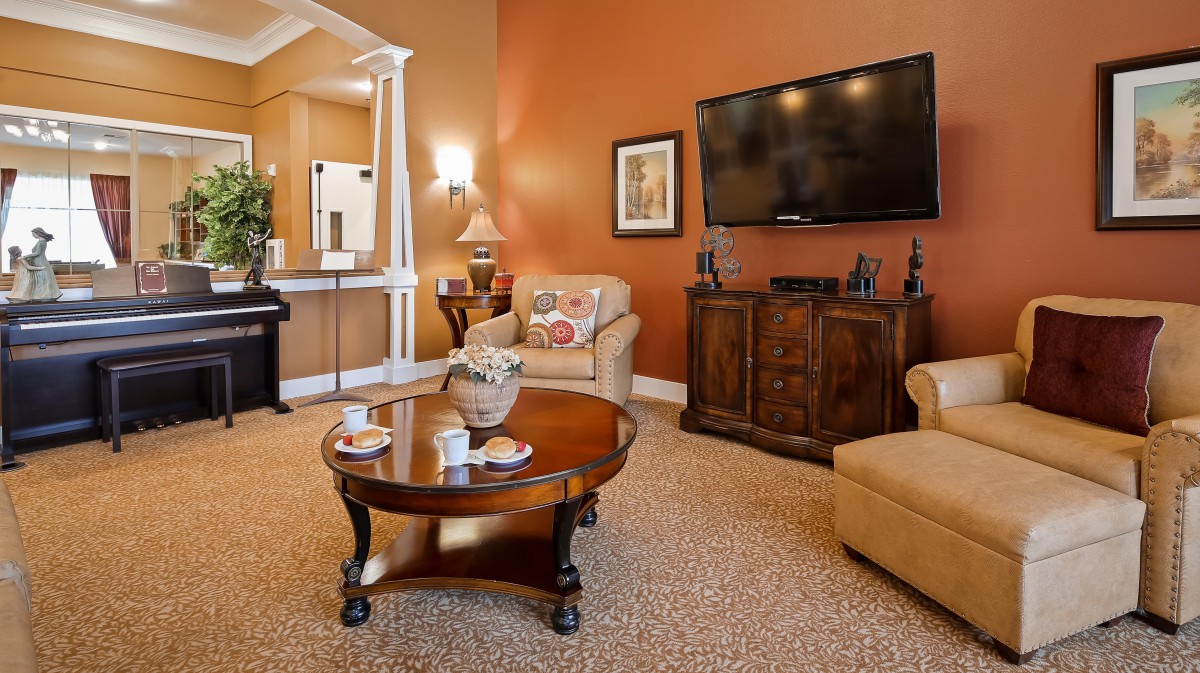
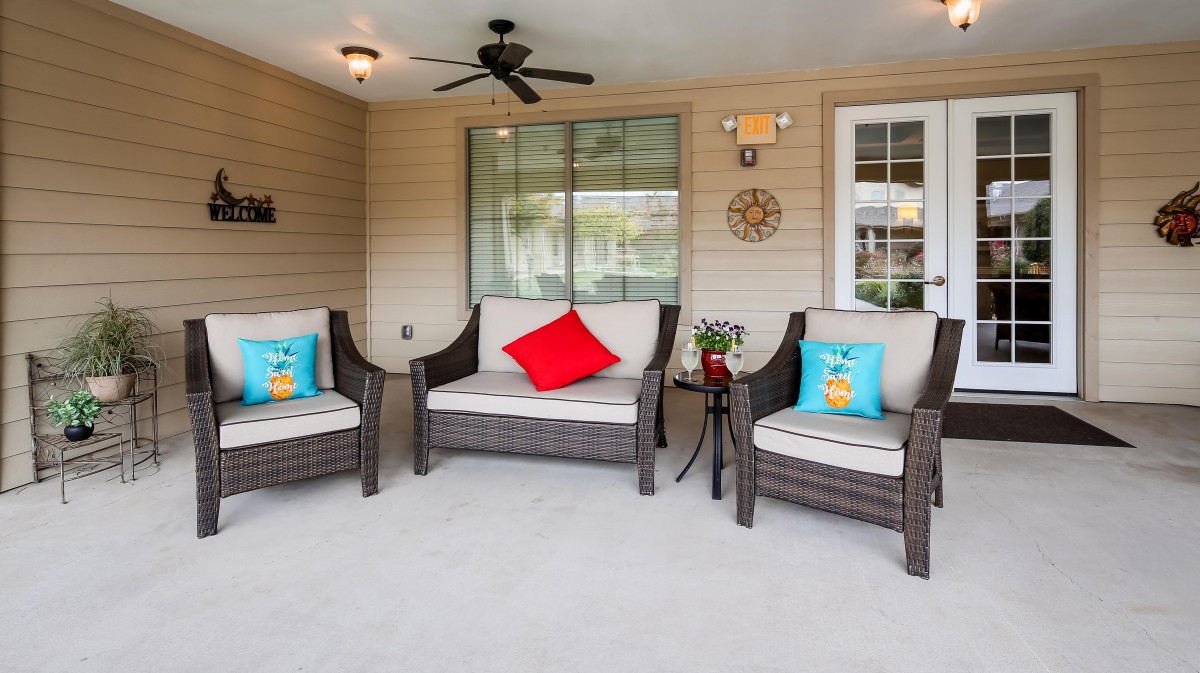
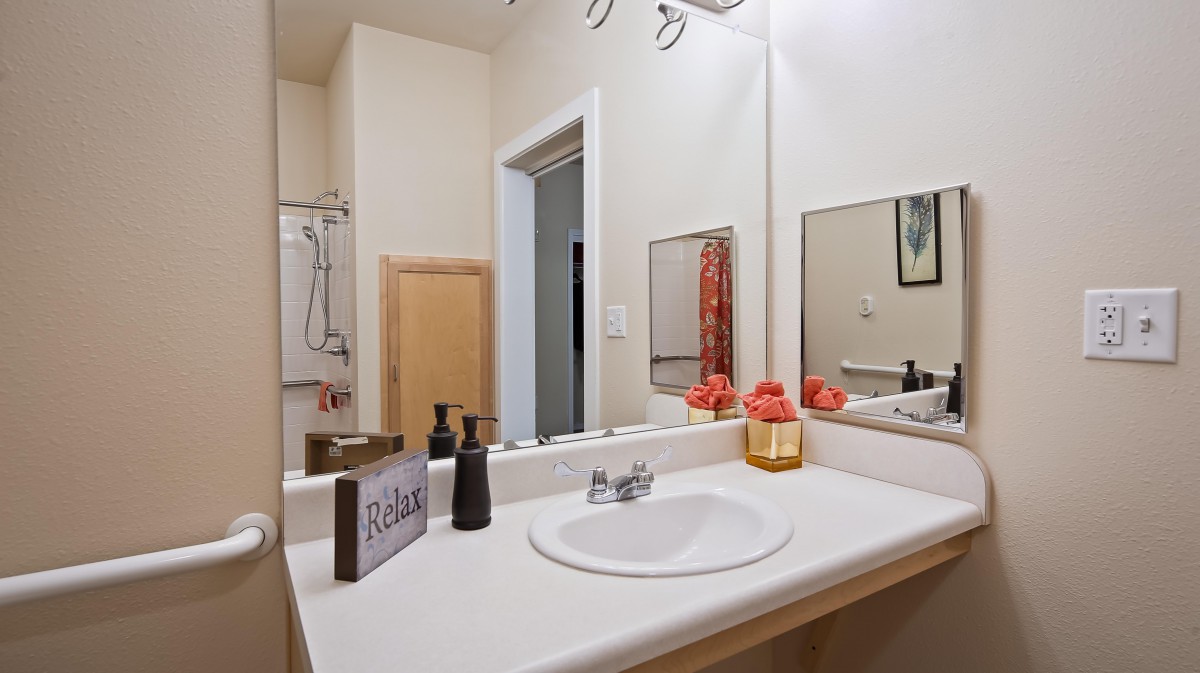
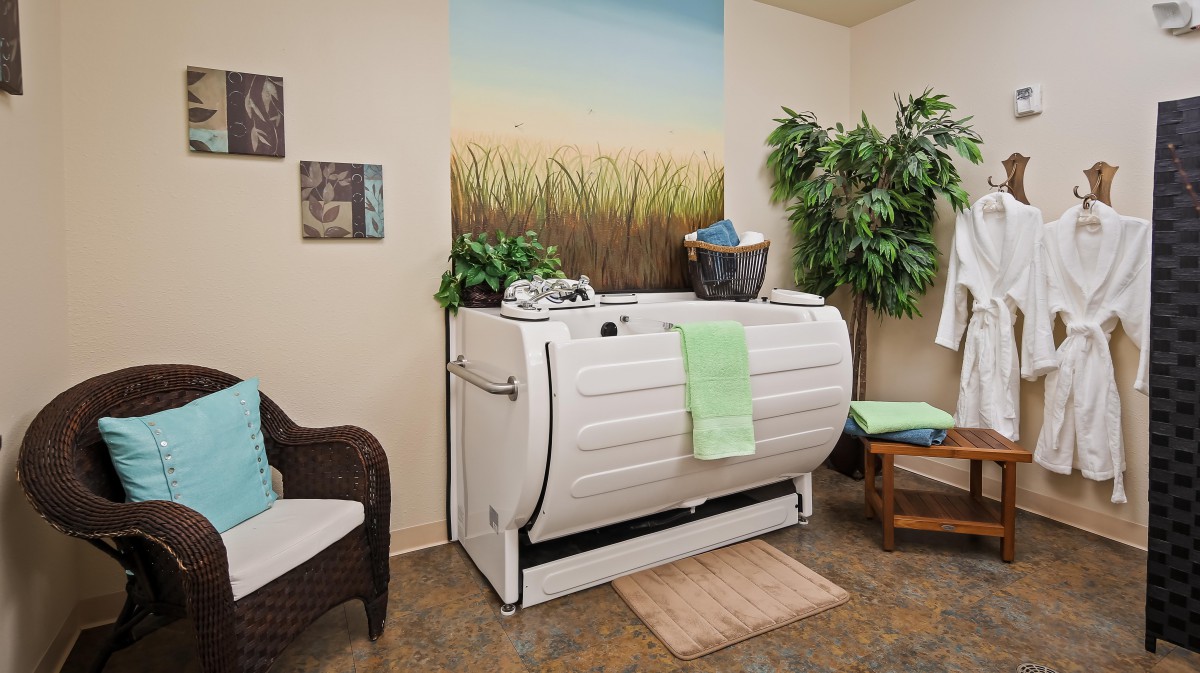
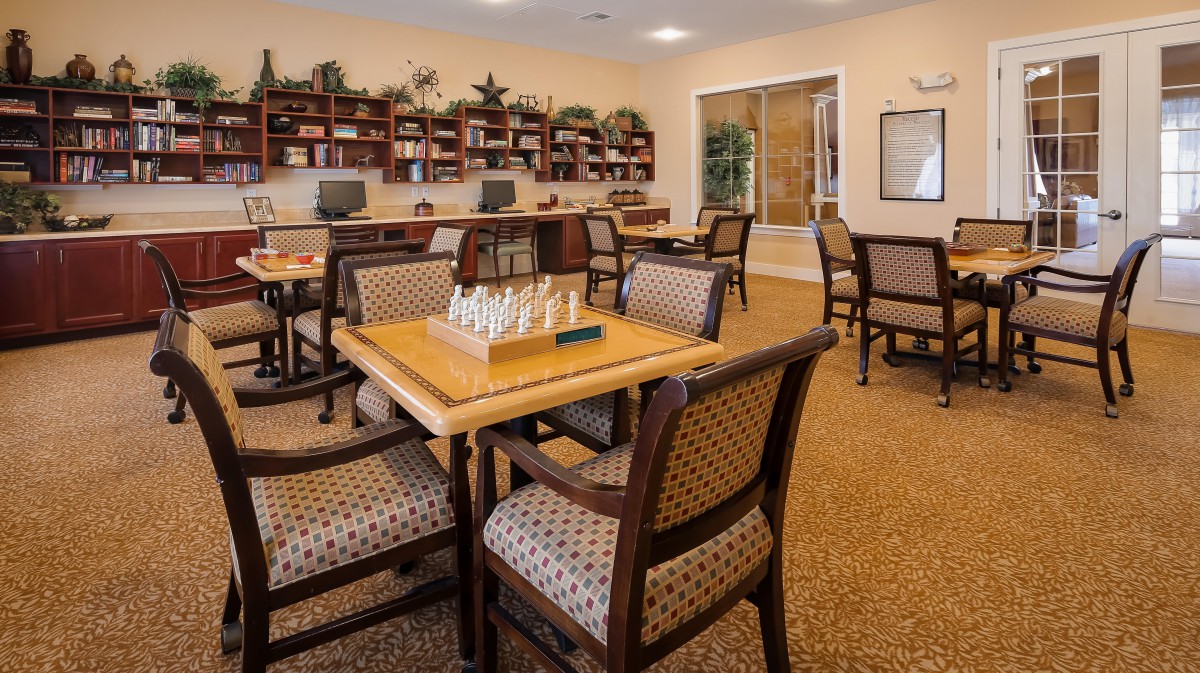
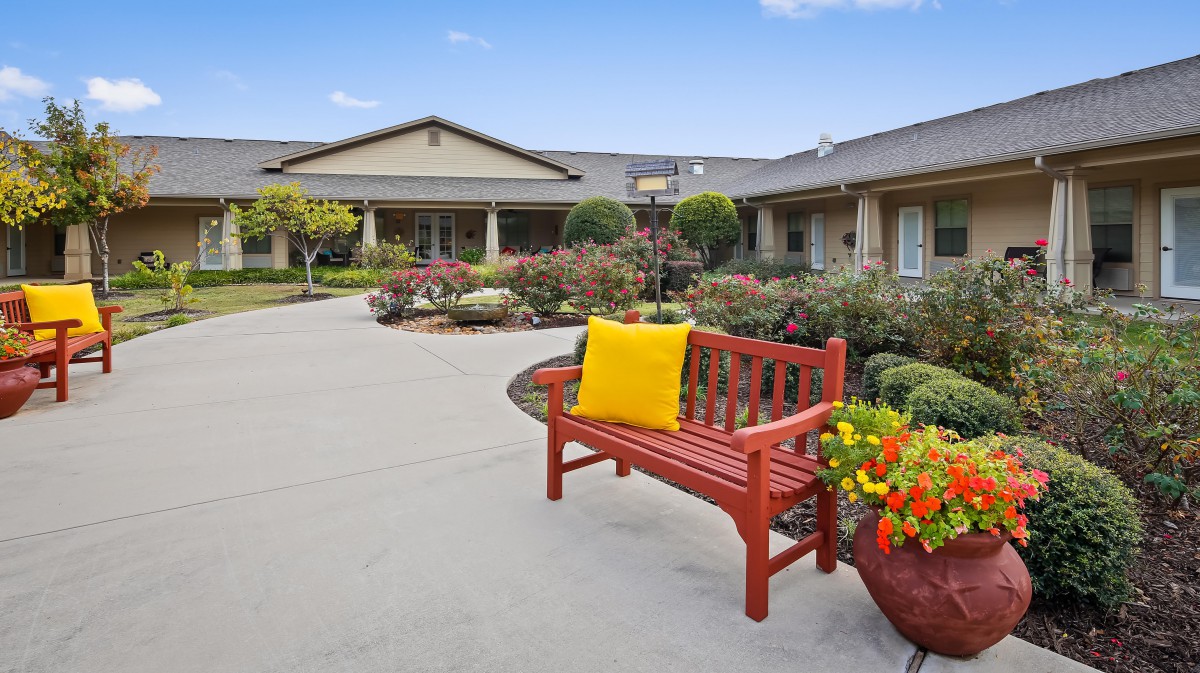
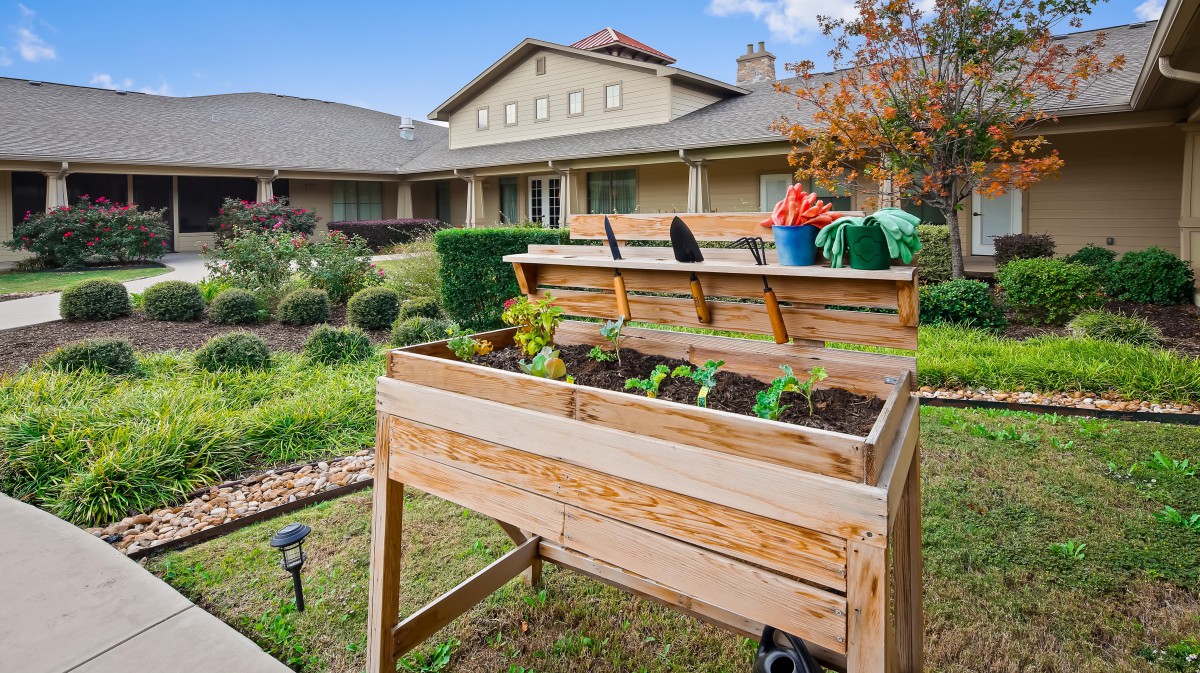
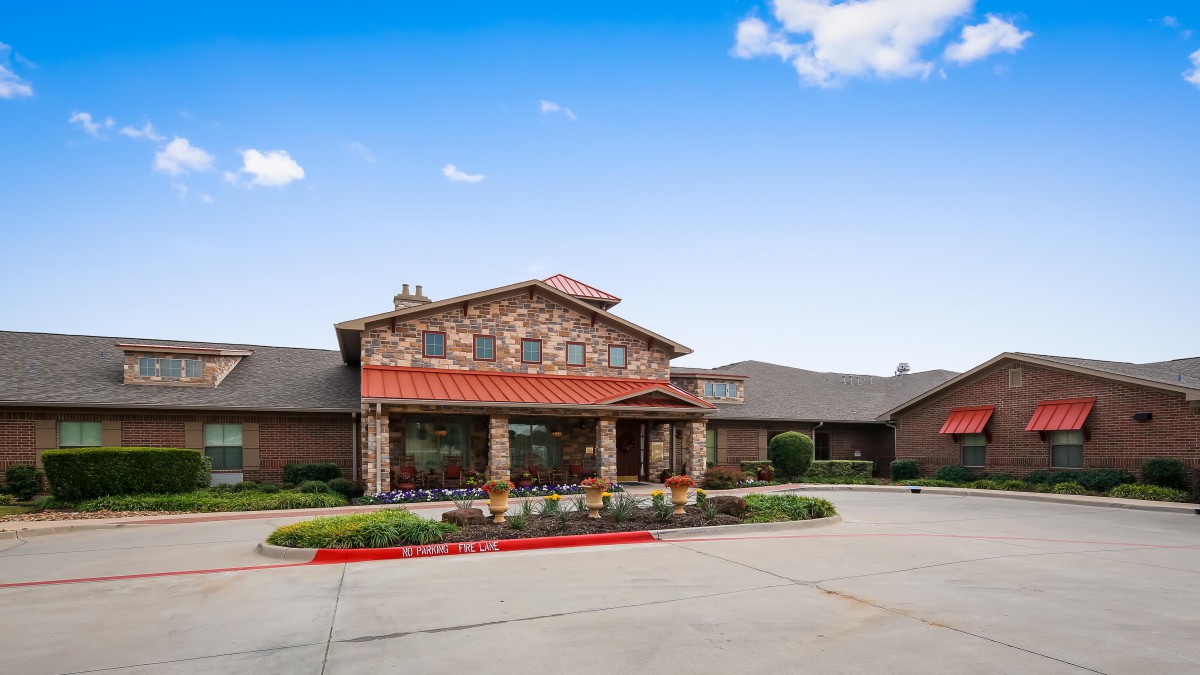
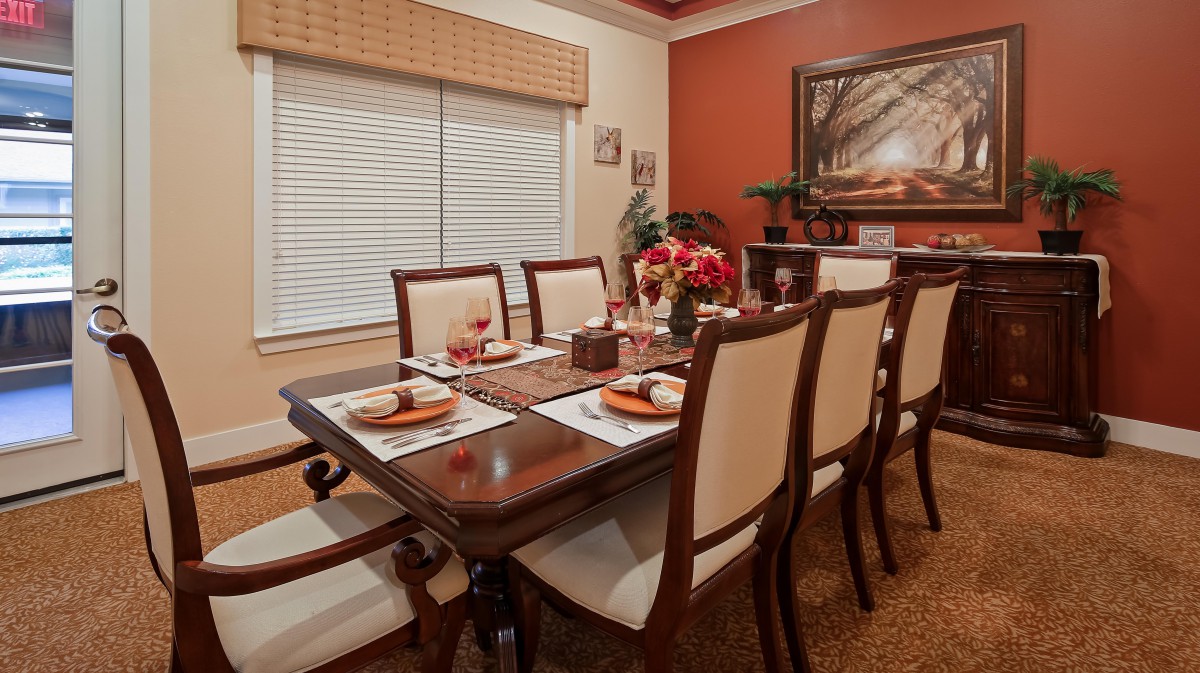
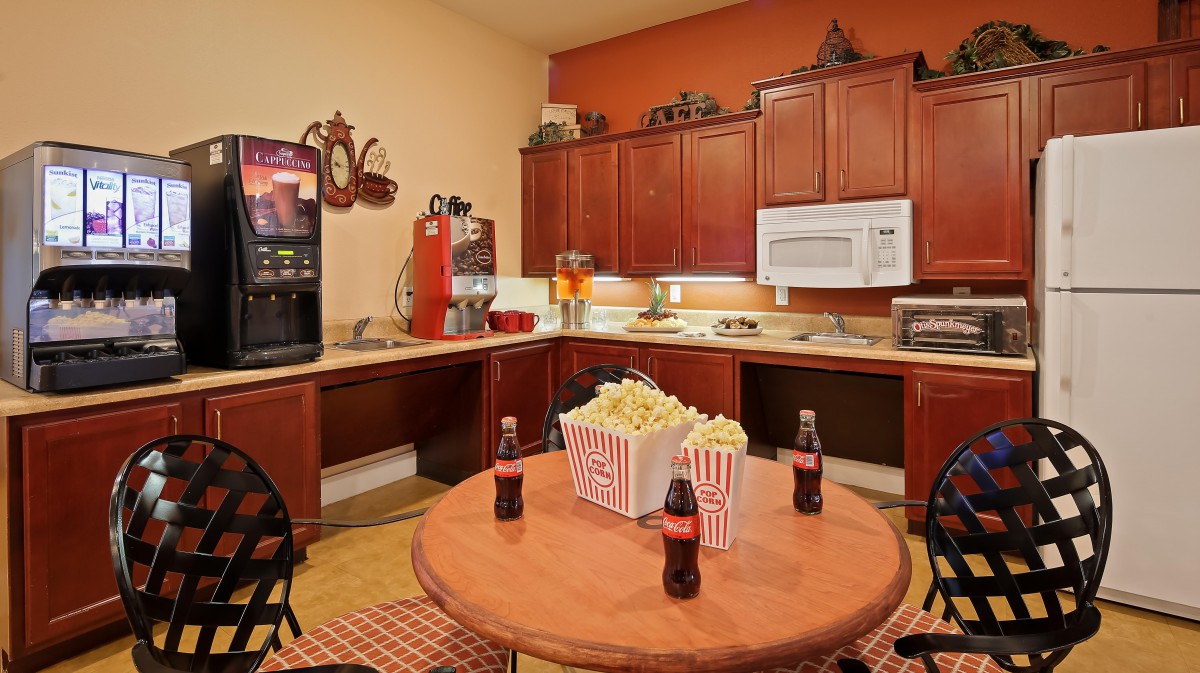
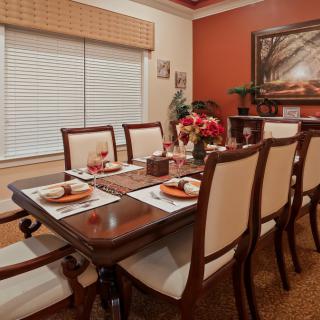
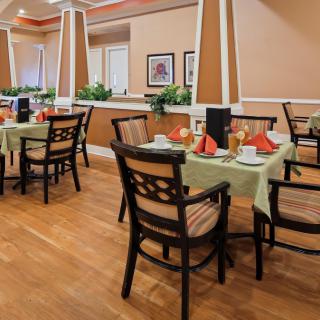
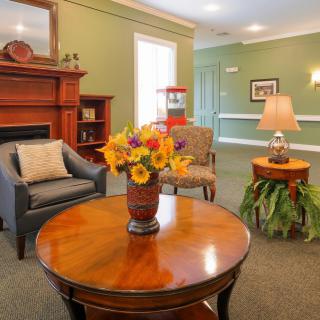
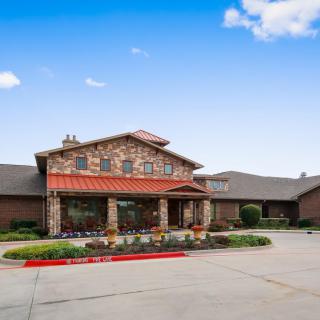
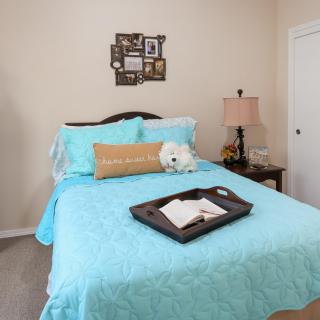
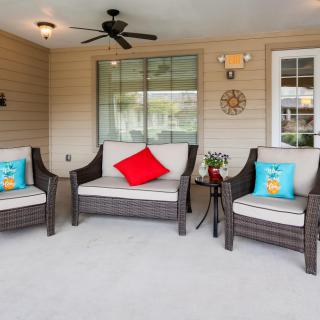
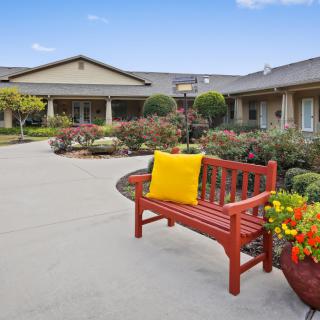
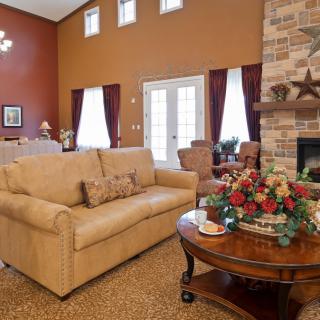
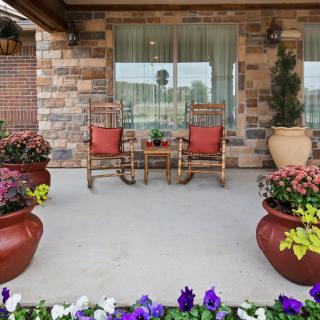
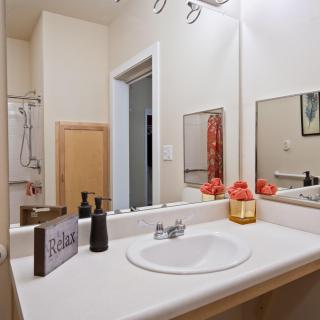
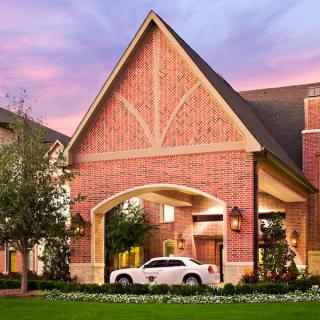
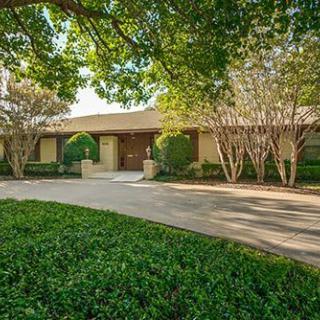
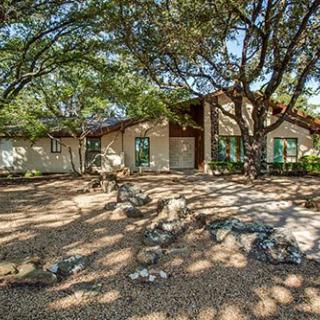
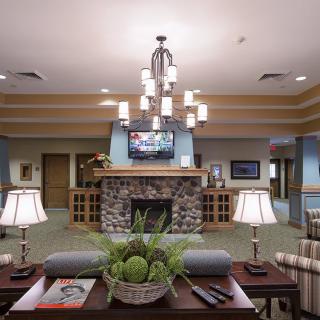
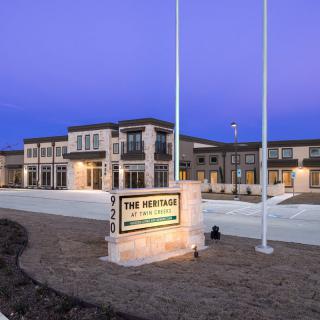
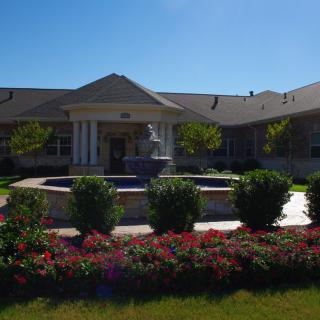
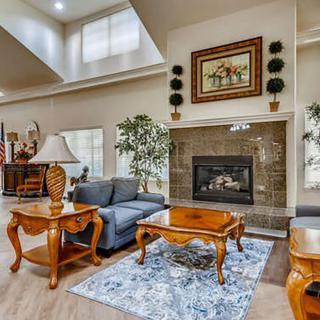
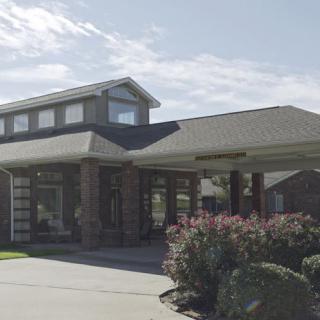
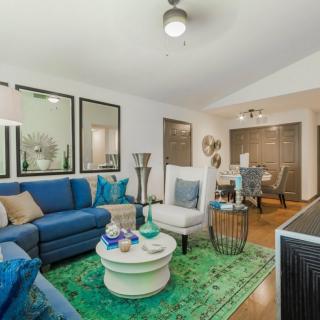
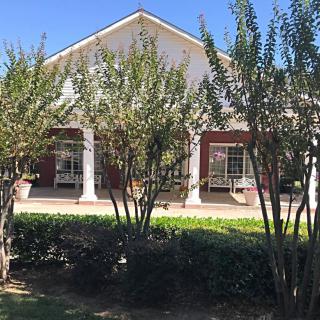
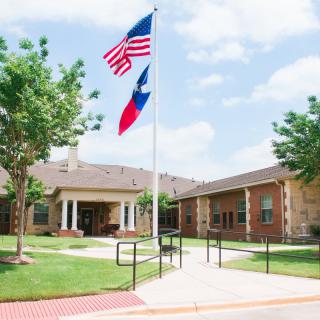
Willow Bend Assisted Living & Memory Care on seniors.fyi includes 21 photos including images showing interior, decor, living room, dining, bathroom, patio, fireplace, television, and more.
Nearby Communities
Willow Bend
Denton, TX
4.3 from 56 reviews
Strong memory?care focus with 24/7 supervision, medication management, and engaging activities.
Anthology of Denton
Denton, TX
4.2 from 172 reviews
$3,860 to $5,850 / month
Helpful and knowledgeable tours; attractive courtyards and spacious units; strong nursing staff and generally positive experiences.
Senior Care Health & Rehabilitation Center-Denton
Denton, TX
4.1 from 75 reviews
Extensive on-site amenities and comprehensive care services.
Eagle Ridge Alzheimer’s Special Care Center
Denton, TX
4.6 from 67 reviews
$4,700 to $6,500 / month
Compassionate staff with engaging activities in a home-like, safe environment.
Holiday Dogwood Estates
Denton, TX
4.4 from 104 reviews
$2,599 to $4,539 / month
Friendly residents and attentive staff; clean, well-maintained facility with engaging activities and quality dining.
Brookdale Denton South
Denton, TX
4.6 from 77 reviews
$4,575 to $5,125 / month
Caring staff, engaging activities, and quality dining.
Sunstone Village
Denton, TX
4.3 from 122 reviews
$1,500 to $1,700 / month
Friendly staff and an active 55+ community with ample amenities and activities.
Carriage House Assisted Living of Denton
Denton, TX
4.3 from 43 reviews
$3,600 to $4,200 / month
Caring, responsive staff and a close-knit community.
Autumn Oaks of Corinth
Corinth, TX
4.2 from 45 reviews
$3,500 to $3,900 / month
Caring staff with strong family communication and engaging activities.
Dementia encompasses progressive neurological disorders that impair cognitive functions and can lead to paranoia due to cognitive decline and emotional changes. The article discusses the triggers of paranoia in dementia, caregiver strategies for managing it, and the importance of distinguishing between dementia-related paranoia and other psychiatric conditions.
Memory care activities are essential for improving the quality of life of seniors with cognitive impairments, as they stimulate cognitive function, promote well-being, and encourage social interaction through tailored strategies. These activities combine structured exercises with spontaneous tasks, sensory engagement, physical workouts, creative pursuits, and intergenerational interactions to enhance emotional connection and a sense of purpose.
Transitioning from assisted living to memory care is driven by an individual's cognitive decline and specific needs, requiring careful evaluation of indicators like increased confusion and wandering. The process involves consulting medical professionals, researching suitable communities, considering financial and legal aspects, and ensuring effective communication for personalized care plans.
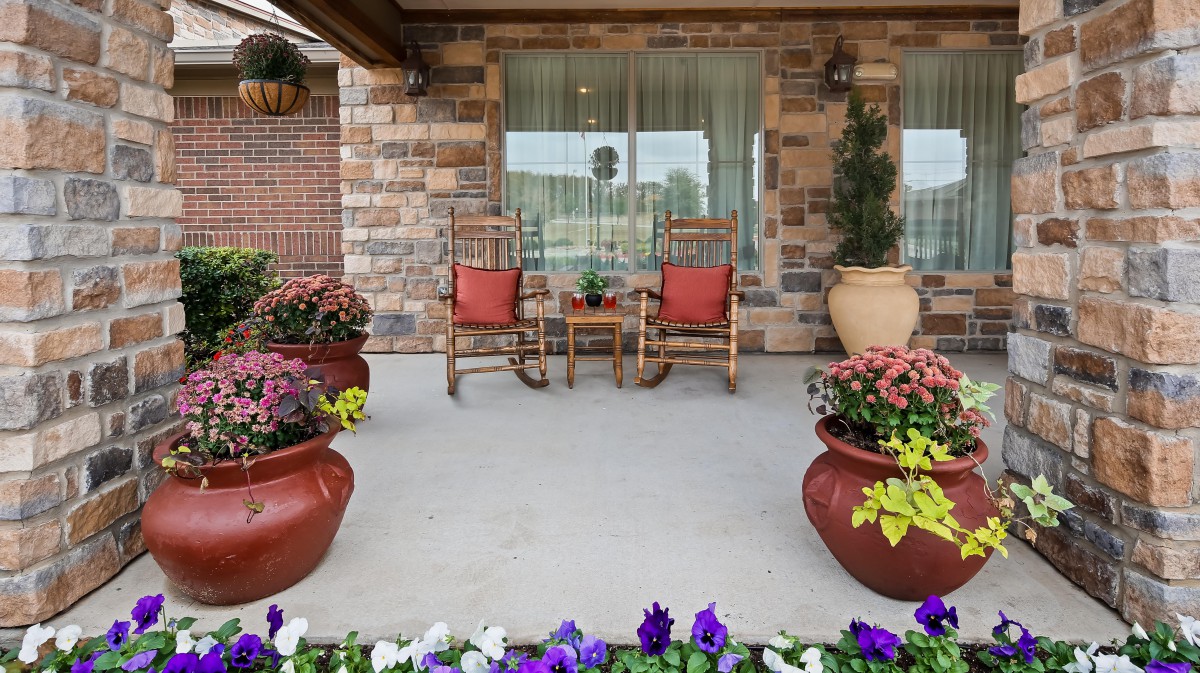
Porch, Brick Wall, Rocking Chairs, and Decorative Plants
Therapy Room and Spa
Get PricingAsk A QuestionSchedule A TourContact Senior Advisor
By clicking submit, you agree to our Partner's Terms of Use. You
also consent to receive calls and texts, which may be autodialed, from our Partner. Your consent is not a condition to
using our Partner's service. Please visit our Partner's Privacy Policy for information about their privacy practices.





 1-bedroom apartments
 Assisted Living
 Memory Care
 Skilled Nursing Facility
 Activities off-site
 Air-conditioning
 Beautician on-site
 Cable or satellite TV
 Devotional services off-site
 Garden
 Ground floor units
 Guasts at mealtime
 Handicap accessible
 Housekeeping services
 Indoor common areas
 Kitchenette
 Laundry
 Outdoor common areas
 Respite or short term stays offered
 Wheelchair accessible showers
 Wi-Fi/high-speed internet available
 Dallas-Fort Worth International (20 miles away)
 Transportation & parking
 Ambulatory care
 Diabetic care
 High acuity care
 Incontinence care
 Medication management
 Anytime dining
 Art classes
 Cooking classes
 Day trips and outings
 Educational speakers / life long learning
 Happy hour
 Karaoke
 Live musical performances
 Live well programs
 Visiting chaplain or priest
 English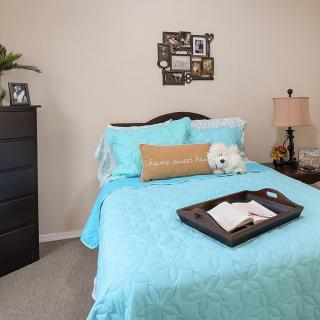
 Strong memory?care focus with 24/7 supervision, medication management, and engaging activities.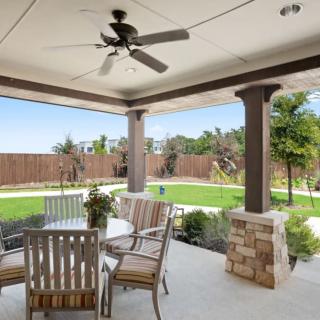

 Dementia, Paranoia, and Caregiver Guidance: Understanding the Connection
 Engaging Memory Care Activities That Enhance Quality of Life
 When to Transition from Assisted Living to Memory Care: Key Indicators, Steps, and Finding the Right Community