
804 Abbots Lane, Denton, TX 76205
For more information about senior living options: (866) 208-4318

Overall Review of A Joyful Journey Assisted Living
Pros
 Joyful Journey is described as a loving, nurturing home that feels truly like a home, not an institution.
- Amanda and her team are portrayed as highly capable, well-trained, and devoted to meeting residents’ daily needs with dignity and grace.
- The staff are recognized for compassionate care, pride in their work, and a strong focus on residents’ quality of life.
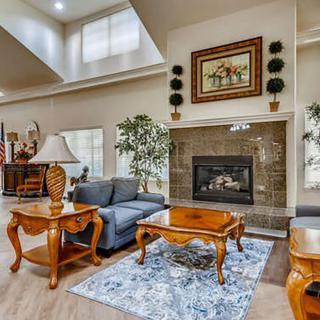
- The environment is clean, cozy, and home-like, contributing to residents’ comfort and well-being.
- Residents are known by name, their preferences are learned, and care is personalized around them 24/7.
- The setting is intimate, with a small number of residents, enabling personalized attention and close-knit care.
- Families express gratitude for the peace, dignity, and sense of belonging Joyful Journey provides.
- The facility is described as a gold standard in care, with a model many hope to see adopted more widely.
Cons
 The transition was heartbreaking for her.
- The facilities recommended by the hospital felt cold, depressing, and seemed more like places to wait out one's remaining days.
- It was disheartening and unacceptable.
Review
A Joyful Journey Assisted Living in Denton is best suited for families seeking a true home-like atmosphere where dignity, routine, and personal attention come first. This community excels for seniors who want to be treated as individuals rather than numbers, and who prize a small, intimate setting over a clinical, campus-style environment. With a maximum of six residents per home and a tightly coordinated clinical team, residents are known by name, and daily life is shaped around their preferences. The leadership, notably Amanda, is described as highly capable and personally invested, ensuring that day-to-day needs are met and harmony is preserved in the resident’s life. Families facing transitions, whether moving from a hospital stay, navigating dementia progression, or planning end-of-life care, will find the atmosphere conducive to both comfort and a sense of belonging. The bottom line is clear: this is a place where quality of life and relational care are the north stars.
Those who may want to consider alternatives are those whose priorities include a larger medical footprint or a more expansive social calendar. A bigger campus can offer broader on-site therapies, more specialized medical oversight, and a wider array of scheduled activities, which some families may value. The small scale inherently limits the breadth of amenities and the pace of routine programming, which might feel insufficient to residents who crave a hotel-like environment or frequent, varied group outings. Prospective residents who require intensive 24/7 clinical oversight, rapid access to advanced therapies, or a broader continuum of care within a single campus may need to weigh options with larger operators. In short, this setting shines for intimate, personalized care; those prioritizing size, diversity of programming, or hospital-level resources may find alternatives more aligned with their expectations.
The most compelling pros center on people, presence, and purpose-built care. The home-like design, combined with a capped resident count, makes relationship-building not just possible but almost guaranteed. Staff members are described as attentive, compassionate, and genuinely invested in each resident’s happiness and safety. Care is delivered around the clock, with a sense of pride in the continuity of support that reduces the emotional burden on families during difficult days. Communication stands out as a consistent strength, with families feeling informed and guided as decisions arise, while the care team learns and revises daily routines to honor evolving preferences. The environment reinforces dignity through clean, comfortable living spaces and thoughtfully tailored activities that keep residents engaged without feeling overwhelmed. This combination, personalized attention, continuity, and a warm, respectful culture, produces outcomes that families often describe as life-affirming during challenging life stages.
These strengths offset the practical limitations that come with a very small operation. The intimate size does not lend itself to a bustle of amenities or a hospital-like roster of on-site specialists, but it does deliver something more consequential: trust. When staff know each resident’s history, preferences, and daily rhythms, medications, meals, and activities feel truly individualized rather than generalized. The family environment pays dividends in terms of emotional well-being, reducing anxiety for both residents and their loved ones. End-of-life and dementia care, in particular, benefit from consistent, compassionate approaches that feel less clinical and more human. The risk of slower response to rare needs is counterbalanced by the swift, proactive communication and the sense that the care team is watching out for every signal. In practice, the trade-off between size and depth of care tilts decisively toward the latter for residents who value warmth, dignity, and personal recognition.
Practical next steps for families evaluating A Joyful Journey include testing both heart and logistics. Tours should focus on actual living spaces, the cadence of daily life, and the dynamics between residents and caregivers. Prospective families should interview Amanda and the clinical staff about admissions timelines, waitlists, and how care plans adapt as needs evolve. It is worth asking how memory care is approached in day-to-day activities and what contingencies exist for acute changes in health. The reviews consistently highlight a welcoming stance toward family involvement and impromptu visits, a reality that should be validated during a visit. Given the small size, inquire about anticipated wait times and the process for transitioning between homes if needs intensify. This information clarifies whether the community’s strengths can align with the loved one’s trajectory.
In the final analysis, A Joyful Journey stands out for families prioritizing dignity, warmth, and a home-centered life. It is a rare find in the assisted-living space: a setting where residents receive highly personalized, 24/7 care that feels less like service and more like family-supported living. The environment consistently reinforces comfort, safety, and meaningful daily engagement, making it an especially strong match for those navigating dementia or end-of-life care with grace and love. Those who require a broader medical footprint, more expansive social programming, or a campus with numerous amenities should consider other options where scale and diversity of resources are greater. For the right resident, someone who values a smaller, intimate community with a clear commitment to each person’s dignity, this is a choice that delivers on its promise with remarkable consistency. A tour, conversations with Amanda, and a clear read of the resident’s preferences will reveal whether the fit is exact, but when alignment occurs, the payoff is substantial: a joyful, trusted, and deeply personal living experience.
 6 resident community capacity
 Assisted Living
 Board and Care Home
 Cable or satellite TV
 Dining room
 Fully furnished
 Garden
 Housekeeping services
 Move-in coordination
 Outdoor space
 Telephone
 Wi-Fi/high-speed internet available
 Dallas-Fort Worth International (20 miles away)
 24-hour supervision
 Activities of daily living assistance
 Assistance with bathing
 Assistance with dressing
 Assistance with transfers
 Diabetes diet
 Meal preparation and service
 Medication management
 Special dietary restrictions
 Transportation arrangement (medical)
 Transportation to doctors appointments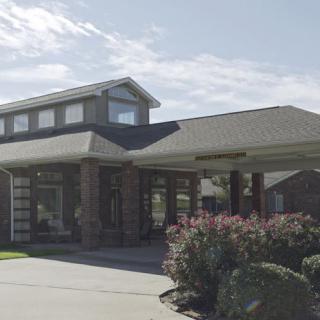





 Assisted Living and Memory Care: Understanding Their Core Differences
 Beyond the Bingo Hall: 50+ Enriching Activities for Seniors in Assisted Living
 Understanding the Distinctions: Assisted Living and Memory Care Explained