








6005 Blackberry Lane, Dallas, TX 75248
To contact a resident: (214) 930-6346
For more information about senior living options: (866) 208-4318
St. Bernard Assisted Living Costs & Pricing
St. Bernard Assisted Living offers a competitive pricing structure that stands out in the context of both Dallas County and the broader Texas market. For a semi-private room, residents can expect to pay $2,200 per month, significantly lower than the county average of $3,535 and well below the state average of $3,680. Similarly, for those opting for private accommodations, the monthly cost is set at $2,500 - again favorable compared to Dallas County's average of $4,702 and Texas's average of $4,096. This affordability positions St. Bernard Assisted Living as an attractive option for individuals seeking quality care without the high costs associated with other facilities in the area.
| Floor plans | St. Bernard Assisted Living | Dallas County | Texas |
|---|---|---|---|
| Semi-Private | $2,200 | $3,535 | $3,680 |
| Private | $2,500 | $4,702 | $4,096 |
Senior living communities with a similar price nearby
-
from +$300 / mo
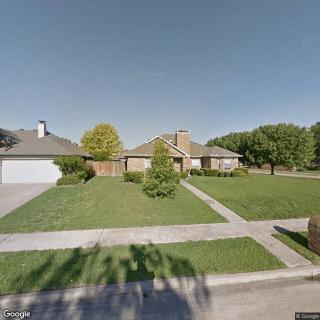
Gracy's Place
$2,500 to $3,500 / month24.6 miles away -
from -$310 / mo
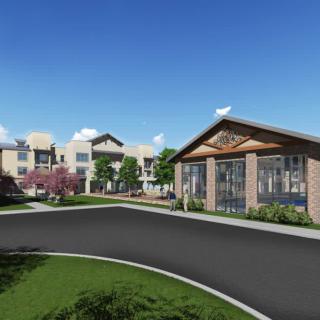
Watermere at Flower Mound
$1,890 to $2,845 / month16.1 miles away -
from +$295 / mo
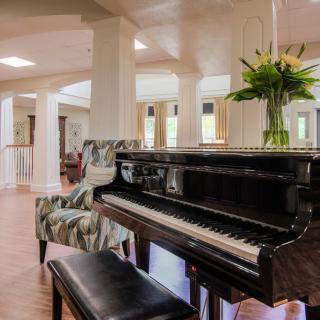
Lewisville Estates - IL
$2,495 to $3,295 / month13.8 miles away -
from -$100 / mo
Only the Strong Survive
$2,100 to $2,500 / month11.0 miles away -
from -$200 / mo
Agape Care Home
$2,000 / month15.3 miles away
Overall Review of St. Bernard Assisted Living
Pros
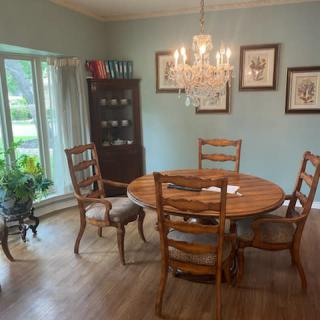
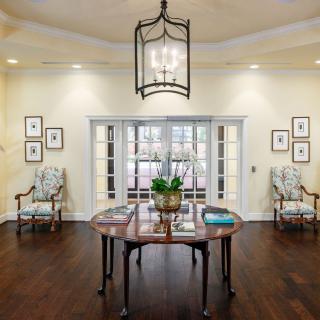
 The environment is lovely, warm, and home-like.
- It is very clean and the staff are very friendly.
- The staff have been good at helping the mother adjust and communicating her needs.
- The staff are very professional and the value is excellent.
- The owner and staff are caring and have created a warm, loving environment.
- They have gone above and beyond to accommodate the mother-in-law's needs.
- St. Bernard was the best thing for him and his dad; they were well cared for over seven years.
- They accepted him with Alzheimer's and even took him to VA appointments.
- The experience at St. Bernard Assisted Living has been great.
Cons
 There are not a ton of activities there.
- They could have more activities.
Review
St. Bernard Assisted Living in Dallas is best suited for families seeking a warm, home-like environment where aging loved ones receive attentive, personal care in a smaller, tightly run setting. It works well for seniors who value genuine staff relationships, clear and ongoing communication about needs, and practical support with everyday life, especially when navigating medical appointments or memory-care needs. The community’s tone leans toward stability and comfort, making it a strong match for residents who thrive on consistency, a personal touch, and a trustworthy point person in caregiver and family communication.
Families that should seriously consider alternatives include those prioritizing a robust, highly active social calendar or a facility with a broader array of specialized medical or nursing services. While St. Bernard delivers ample warmth and practical care, several reviewers note that the activity slate isn’t expansive. For residents who crave a busy schedule, frequent outings, or more intensive clinical programming, exploring larger communities with formal activity directors and more program variety would be prudent. Also, those requiring advanced medical oversight may want to compare facilities with stronger on-site nursing resources.
The strongest advantages here are the human connections and the practical reliability that come through every interaction. Reviewers consistently describe the environment as clean, welcoming, and home-like, with staff who are friendly, professional, and attentive to both residents and their families. The staff’s ability to adjust care plans and communicate needs to family members builds a level of trust that is often decisive in choosing senior living. Notably, the owner and caregivers are praised for going above and beyond to accommodate individual needs, which translates into smoother transitions for new residents and ongoing comfort for long-term residents alike.
Another clear strength is the facility’s supportive approach to memory-impairment scenarios and routine medical needs. Several accounts highlight that a resident with Alzheimer’s thrived under this care, with staff who accept and adapt to cognitive challenges. A standout feature is transportation and accompaniment to VA appointments, which removes a persistent stressor for families and underscores a practical, family-centered philosophy of care. The combination of a roomy, comfortable setting and targeted assistance with appointments creates a reliable framework for aging in place without constant family intervention.
On the con side, activity depth can feel limited for some residents, particularly those who want a busier daily schedule. The staff’s willingness to arrange or escort to adult day care helps offset this, but families should enter with realistic expectations about programming breadth. Another frequently cited factor is the care model’s emphasis on warmth and personal attention over extensive medical or therapeutic offerings. For families needing frequent clinical care, or those who want a sprawling calendar of engaging events, these aspects may require supplementing from external programs or choosing a facility with a more robust internal activity ecosystem.
In weighing the pros and cons, St. Bernard Assisted Living delivers a compelling value proposition anchored in compassion, clarity, and practical support. Its strongest offset to the modest activity level is the trust and communication that accompany every caregiving decision, plus tangible benefits like medication management support, reliable transportation for VA visits, and generous accommodation of individual needs. For families seeking a calm, dignified environment where a loved one can receive steady, attentive care without excessive institutional feel, this community stands out as a prudent, confident choice. For those prioritizing a high-energy social schedule or advanced medical services, alternatives in the Dallas area will likely offer a better fit.
 Board and Care Home
 Activities on-site
 Bath tubs
 Devotional services on-site
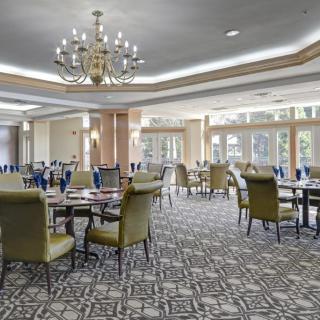
 Indoor common areas
 Outdoor common areas
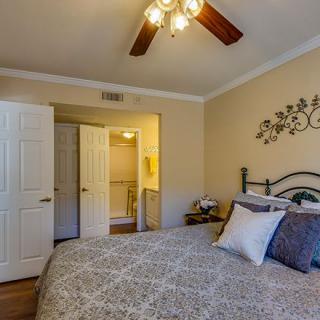
 Private
 Respite or short term stays offered
 Wheelchair accessible showers
 Dallas Love (8 miles away)
 Ambulatory care
 Diabetic care
 High acuity care
 Medication management
 Meals provided




 Financing Long-Term Nursing Home Care Through Social Security: A Thorough Exploration
 Essential Knowledge on Pneumonia in Older Adults
 Exploring Palliative Care in the Home: A Comprehensive Overview