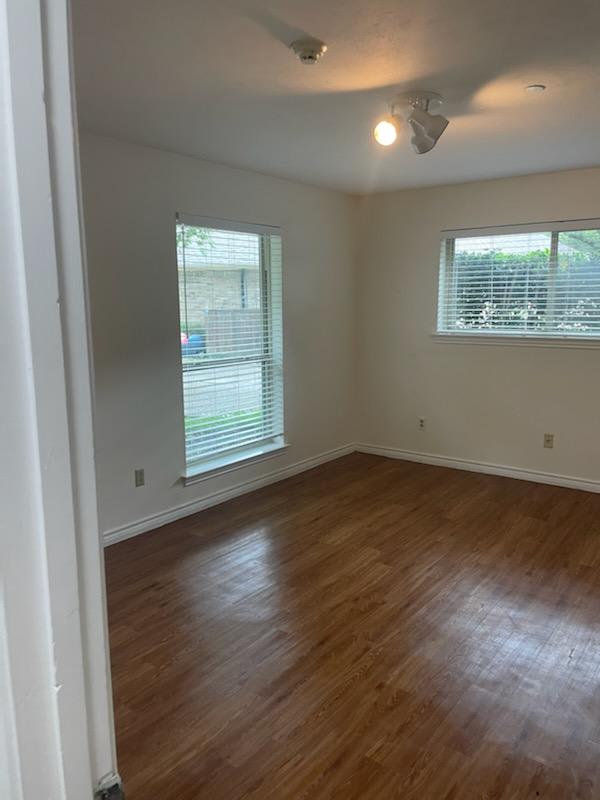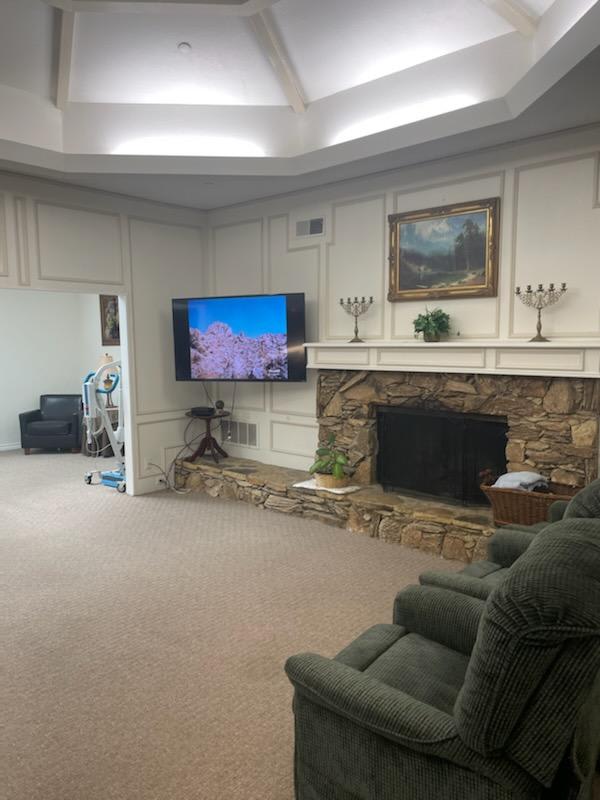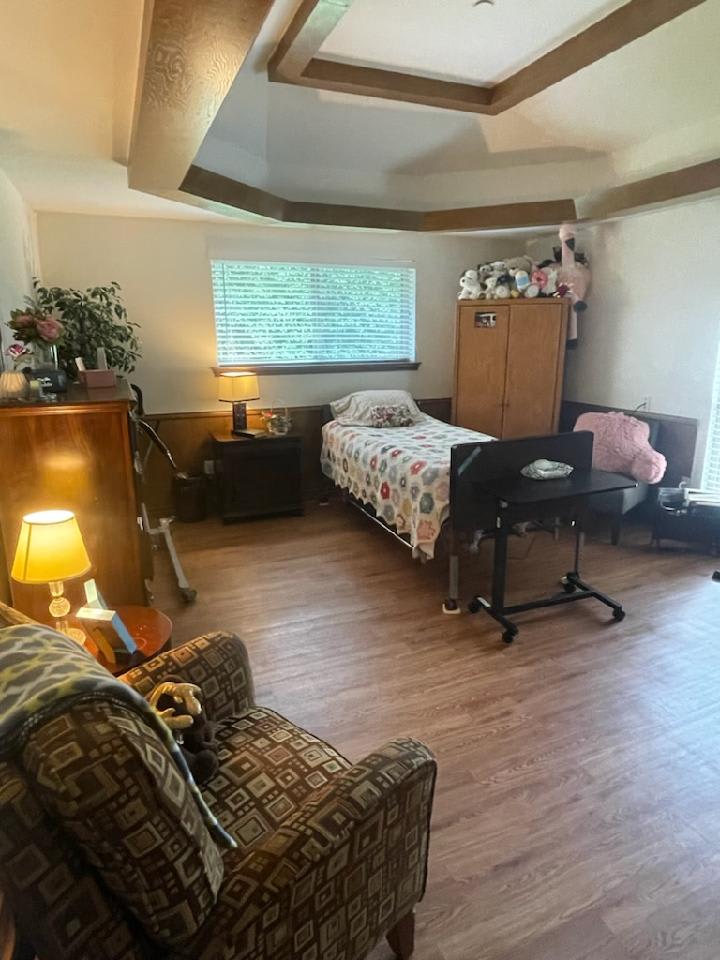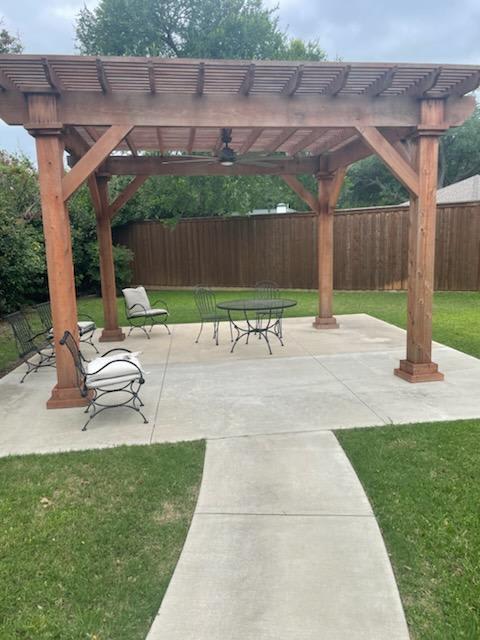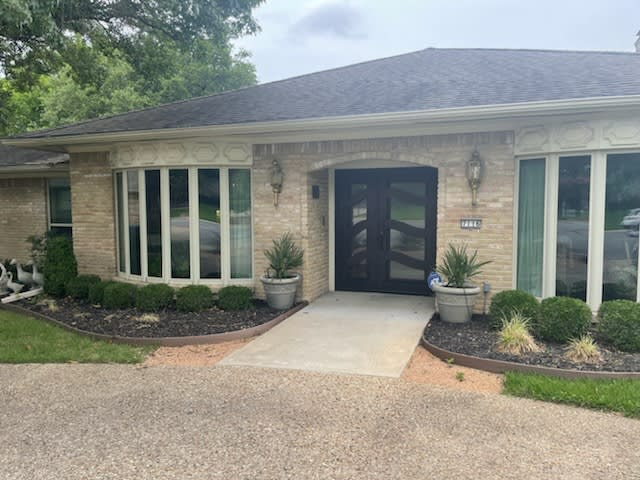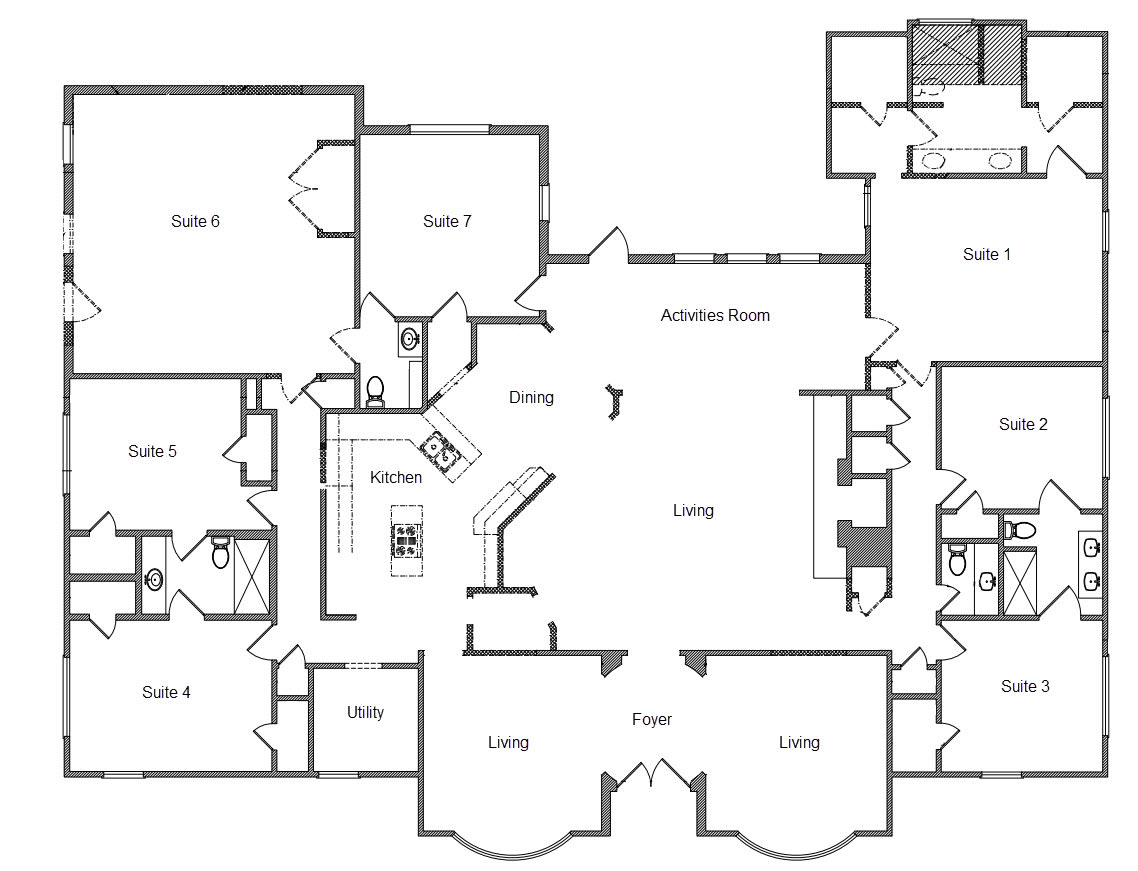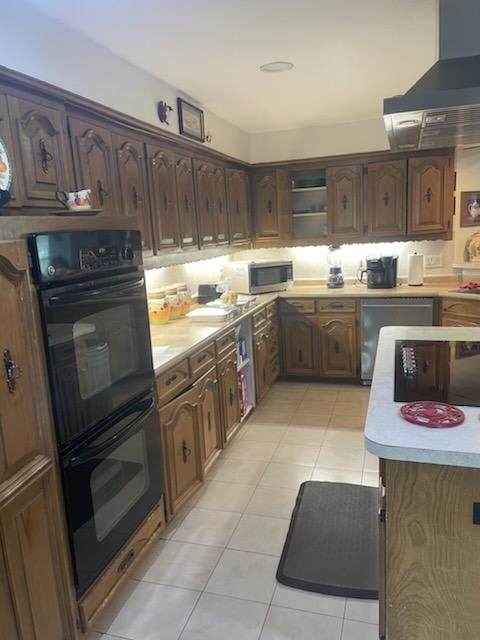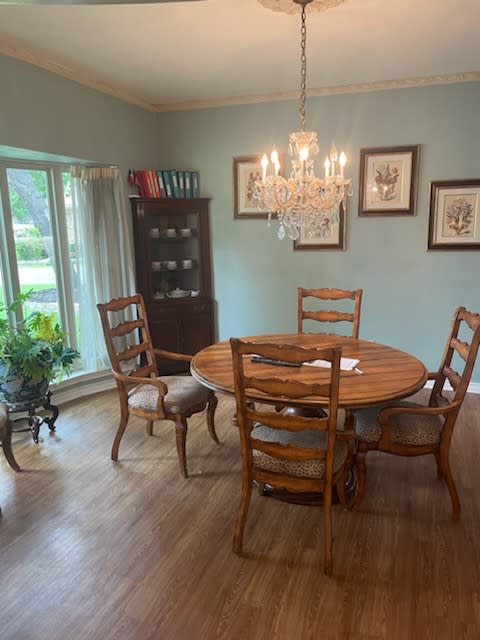
7116 Tophill Cir, Dallas, TX 75248
To contact a resident: (214) 557-2183
For more information about senior living options: (866) 208-4318
Silver Leaf Assisted Living at Tophill Circle Costs & Pricing
Silver Leaf Assisted Living at Tophill Circle offers competitive pricing for its residents compared to the broader market in both Dallas County and the state of Texas. For semi-private accommodations, the cost is $4,000 per month, which is notably higher than the county average of $3,535 but slightly exceeds the state average of $3,680. In contrast, private rooms are priced at $5,000 per month, which stands above Dallas County's average of $4,702 and Texas's average of $4,096. This pricing reflects the quality and personalized care provided by Silver Leaf Assisted Living while aligning with local market trends that indicate a growing demand for premium assisted living solutions.
| Floor plans | Silver Leaf Assisted Living at Tophill Circle | Dallas County | Texas |
|---|---|---|---|
| Semi-Private | $4,000 | $3,535 | $3,680 |
| Private | $5,000 | $4,702 | $4,096 |
Senior living communities with a similar price nearby
-
from -$200 / mo
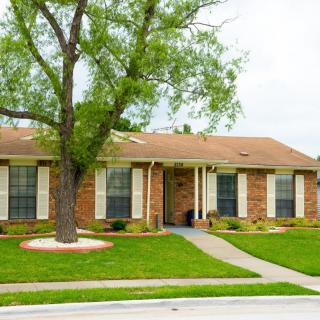
Silver Oaks Residential Assisted Living
$3,800 / month5.1 miles away -
About the same
A Caring Home with Friends
$4,000 to $4,250 / month5.9 miles away -
from -$534 / mo
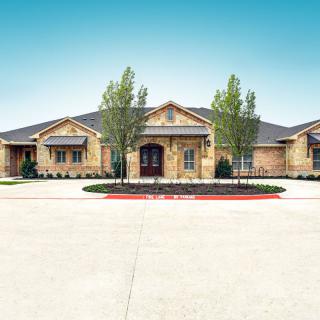
Avalon Memory Care - Allen
$3,466 to $6,475 / month13.4 miles away -
from -$500 / mo
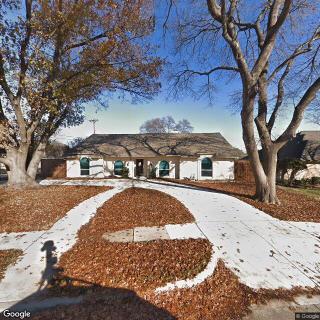
Locardia Homecare Living
$3,500 to $4,500 / month5.2 miles away -
from -$500 / mo
Nedges Nest
$3,500 to $4,000 / month13.0 miles away
Overall Review of Silver Leaf Assisted Living at Tophill Circle
Pros
 The home is described as great.
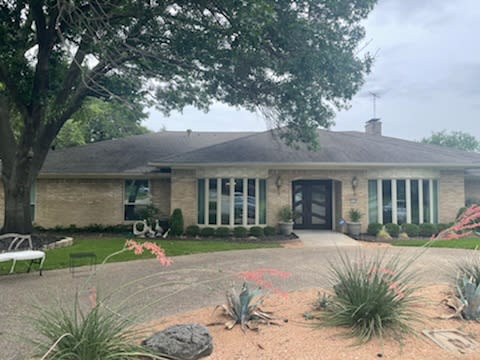
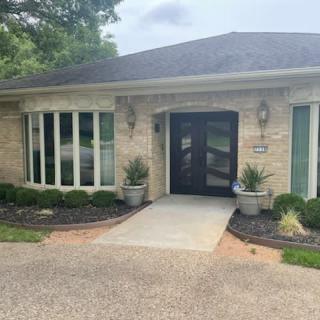
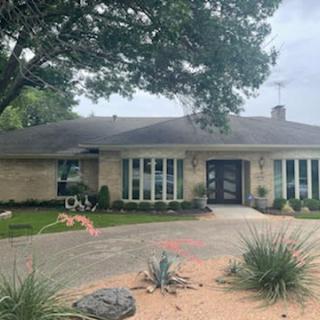
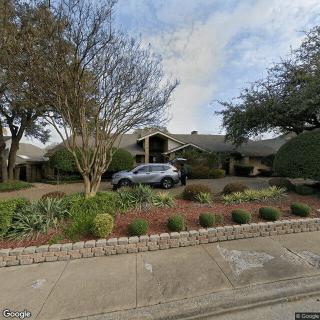
- It is a cherished family home built in 1973.
- The property is seen as a good value over time.
- There is expressed gratitude to Douglas Hofmann.
Review
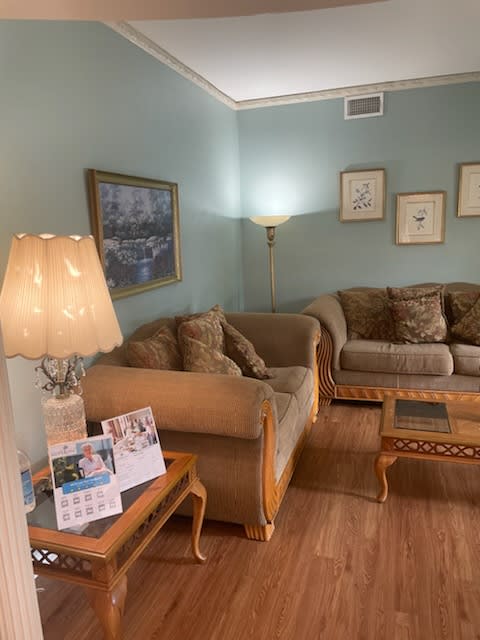
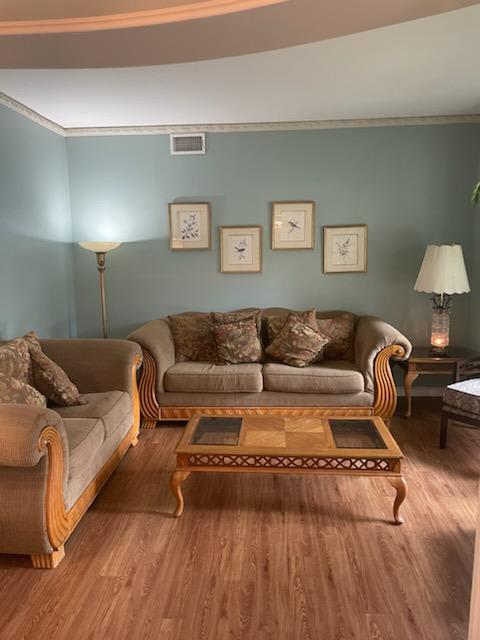
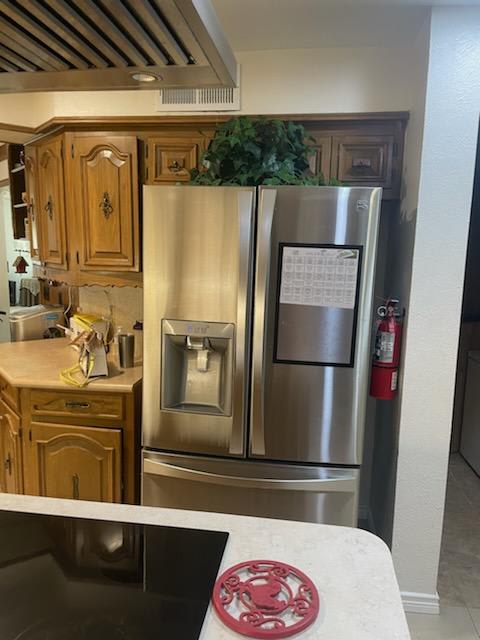
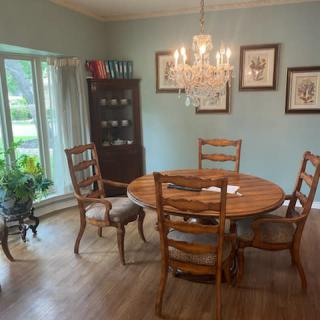
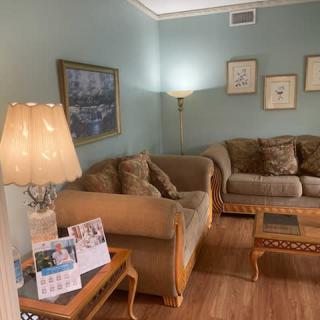
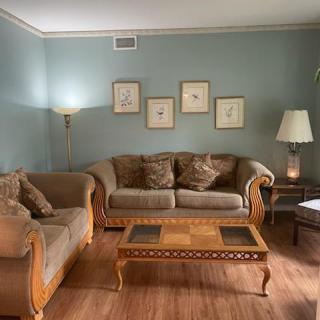
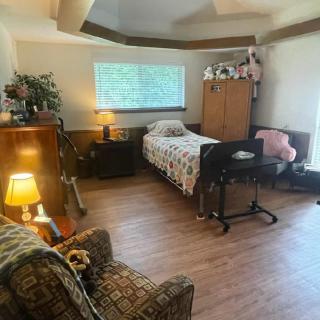
Silver Leaf Assisted Living at Tophill Circle in Dallas is best suited for seniors and their families who value a small, home-like setting where personal relationships and daily familiarity trump a polished, institutional feel. The facility appears rooted in an established residence, suggesting stability, neighborly contact, and a sense that staff know residents by name. For families seeking warmth, attentive day-to-day care, and a sense of belonging over glossy signage or sprawling campuses, this community can feel like a natural extension of home.
At the same time, there are important caveats. With only two reviews on record, and a split between a high rating and a low one, the ability to gauge current care quality, staffing consistency, and safety is inherently limited. Those weighing options should explicitly consider whether a highly structured care environment is essential, or if a smaller, more intimate setting with potentially variable processes will suffice. For seniors who require robust medical oversight, dementia-specific programming, or a broad slate of on-site services, alternatives with clearer performance metrics and documented outcomes are worth pursuing.
The potential upside centers on atmosphere and personal attention. A homelike setting can dramatically ease the transition into assisted living, reduce anxiety, and foster meaningful, ongoing caregiver-resident relationships. This background can offset some perceived gaps in modernity or campus size, especially for residents who prioritize daily routine, familiar rituals, and the comfort of a quiet, neighborly vibe. Yet the absence of transparent, detailed feedback on care quality, no published staffing ratios, no visible care metrics, means warmth may not reliably translate into consistent, high-level care when medical needs intensify or cognition declines.
To counterbalance the uncertainties, a disciplined due-diligence approach is essential. Prospective families should arrange an in-person tour and observe how staff interact with residents, then press for access to the leadership team, a current care plan, and the medication administration process. Confirm around-the-clock availability of on-site staff, emergency response practices, and what happens when higher levels of care are needed. Ask about staff training, turnover rates, and whether memory care options exist and how they are integrated with general assisted living. Request a complete itemized showing of services and fees, plus a clear path to cost predictability to avoid surprises.
Cost transparency and value should be weighed with the same rigor as care quality. In a smaller, home-centered setting, base prices often mingle with add-ons for assistance, meals, and activities, which can obscure total monthly obligations. Families should compare not only with nearby small residences but with similarly sized homes that publish staffing patterns, care protocols, and resident satisfaction indicators. If complex needs are present, mobility support, toileting assistance, or meticulous medication management, confirm that the level of care offered aligns with these needs, and understand whether any third-party providers would be required or permitted to supplement on-site staff.
Bottom line: Silver Leaf Assisted Living at Tophill Circle can be a steady, comforting option for families seeking a serene, intimate environment where caregivers tend to know residents well and routines feel like a familiar extension of home. It is less suitable for those demanding explicit, data-backed assurances of advanced medical support, formalized programming, or a large, resource-rich campus. The decisive path is a purposeful visit with targeted questions about staffing, care plans, and cost structure, followed by a request for transparent metrics before committing. For families comfortable with a warm, less formal setting and prepared to probe and verify care details, this community offers a meaningful option that can deliver daily life anchored in genuine attention and belonging.
 Board and Care Home
 Private
 Dallas Love (9 miles away)


 A Closer Look at Private Pay Home Care
 Comprehensive Approaches for Arthritis: A Detailed Guide to Symptoms, Causes, and Care
 Comprehensive Insights and Practical Strategies to Help Older Adults Avoid Falls