
7205 Lavendale Circle, Dallas, TX 75230
For more information about senior living options: (866) 208-4318
Overall Review of Lexington Place Assisted Living Homes
Pros
 The Avendelle Assisted Living facility is wonderful and beautiful, with loving and caring caregivers.
- The staff at Avendelle are kind, accommodating, and attentive to residents and their families.
- Lavendale is an excellent facility with kind and caring staff; meals are good and freshly prepared on site.
- The rooms at Lavendale are cheerful and very clean, and residents are well cared for.
- Lavendale House offers spacious, well-appointed accommodations with private bedrooms and baths, plus a nice outdoor space for visitors.
- The Lavendale House manager excels at her job, engaging residents in crafts, exercise classes, movies, and outdoor activities.
- Lexington Place provides a small, intimate home-like environment with on-site doctor and nurse visits, and good food.
- Lexington Place fosters a family-like atmosphere where residents share meals together and receive personalized attention.
Cons
 Horror stories are all true from so many places...beware of "deceit".
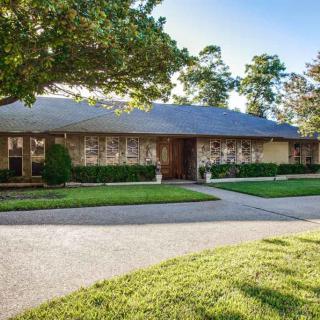
- The center isn't actually a center at all, it's a house.
- Some of the nursing staff can be really unprofessional, gossiping about the families of the residents who live there in front of visitors, carrying on about their love lives, etc.
- One reviewer notes that Lexington Place is a "regular house" and not like a facility.
Review
Lexington Place Assisted Living Homes in Dallas is best suited for seniors who want a genuine home environment, not a glossy campus. With roughly nine residents, the house-like layout, living room, dining room, kitchen, creates a comfortable, informal atmosphere where daily routines feel personalized and unhurried. Private bedrooms with individual baths and the ability to share meals in a familiar dining space reinforce a sense of belonging and family involvement. This setting works especially well for residents who thrive on close, day-to-day interactions with caregivers and family members, and for families who want hands-on involvement without a large, impersonal staff structure. The trade-off is that medical oversight remains limited to weekly visits from a doctor and nurse, making it less suitable for those needing 24/7 clinical monitoring or intensive dementia care.
Those whose loved ones require robust medical support or highly structured memory-care programming may want alternatives. Larger assisted-living homes with round-the-clock nursing, on-site therapists, and formal memory-care wings typically deliver more continuous supervision, crisis response, and systematic activities for residents with advanced needs. A family that values a strong professional culture, consistent staff, and fewer turnover quirks may prefer facilities with larger teams and more standardized staffing. While Lexington Place cultivates a warm, homelike mood, the reduced on-site medical footprint can be a drawback for residents requiring constant medical attention or specialized dementia programming.
Key strengths center on intimacy and engagement within a small community. Residents enjoy a true home environment where meals occur around a single table and social time is integrated into daily life, not relegated to a distant common area. The compact footprint enables caregivers to know residents well, tailor routines, and respond with familiarity rather than protocol. The setting invites family involvement and regular visits, which many families value as part of cohesive care. The presence of a nurse and physician on a weekly schedule supports basic medical oversight and coordination with outside providers, while the absence of a large campus reduces confusion and overstimulation for some residents.
Where Lexington Place shows its limitations is in staffing depth and consistency. A small community can suffer from turnover, and at times staff behavior has been described as unprofessional or distracting to families, which undermines trust. The weekly medical check-ins, while practical, do not substitute for continuous care or immediate crisis response. For residents with advanced memory loss or complex medical needs, gaps in on-site coverage can create risk, especially if caregivers are frequently new or still building routines with each resident.
Nonetheless, the same features that define its charm can mitigate these gaps. The intimate scale means there is less distance between residents and caregivers, allowing more personalized monitoring and family involvement, factors that often translate into meaningful quality-of-life gains. The home-like schedule, structured around shared meals and familiar routines, helps minimize anxiety and confusion for seniors who value stability. Prospective families should verify how care plans are structured, how many hours of licensed nursing are available, and what back-up arrangements exist during off days or staff vacancies. This clarity will reveal whether the pros truly align with the resident's needs.
For families prioritizing a warm, homey atmosphere and highly individualized attention, Lexington Place stands out as a strong match for mild to moderate care needs and a desire for a close-knit daily rhythm. It excels when the goal is a comfortable, low-traffic environment where loved ones can participate actively in meals and activities, with trustworthy oversight by a weekly physician and nurse. However, those who require robust, 24/7 medical nursing, intensive memory-care programming, or a consistently professional staff with deep dementia expertise should explicitly compare with Lavendale or Avendelle on staffing depth and on-site resources. A visit should center on observing interaction quality, staff stability, and the facility’s ability to scale care as needs evolve.
 10 resident community capacity
 Studio apartments
 Assisted Living
 Board and Care Home
 Cable or satellite TV
 Dining room
 Fully furnished
 Garden
 Housekeeping services
 Move-in coordination
 Outdoor space
 Telephone
 Wi-Fi/high-speed internet available
 Dallas Love (5 miles away)
 24-hour supervision
 Activities of daily living assistance
 Assistance with bathing
 Assistance with dressing
 Assistance with transfers
 Diabetes diet
 Meal preparation and service
 Medication management
 Special dietary restrictions
 Transportation arrangement (medical)
 Transportation to doctors appointments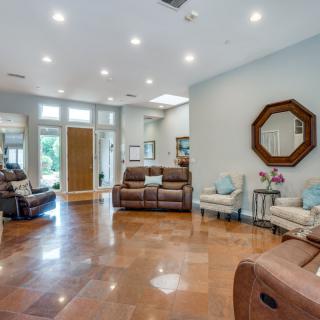







 How and When Medicaid May Cover Assisted Living Costs
 A Detailed Exploration of Assisted Living Medicaid Waivers Across the United States
 Comprehensive Residential Support and Assisted Living Solutions for Individuals with Disabilities